
Lisbon
Lisbon is a city defined by its topography and its relationship with the Atlantic.
Guests & rooms
The Lisbon guide
An insider’s read on Lisbon
LLisbon is a city defined by its topography and its relationship with the Atlantic.
The modern identity of the city is anchored in its resilience. Flattened by a catastrophic earthquake in 1755, the lower district was rebuilt in a rational, grid-like pattern that contrasted sharply with the surviving Moorish labyrinth of Alfama. This architectural duality mirrors the local character: a blend of historic maritime nostalgia, known as saudade, and a forward-looking creative energy that has transformed the city into a major European hub for technology and design.

PLATE ILisbon, Portugal

Guides & ideas
The Lisbon reading list
Hand-written guides from our editors — itineraries, the best of after dark, where to eat, and what’s genuinely worth your time.

Lisbon Marathon Weekend Along the Tagus
How to plan the two days around the EDP Lisbon Marathon on 10 October 2026: bib collection at FIL, and the flat riverfront that carries you to the finish.
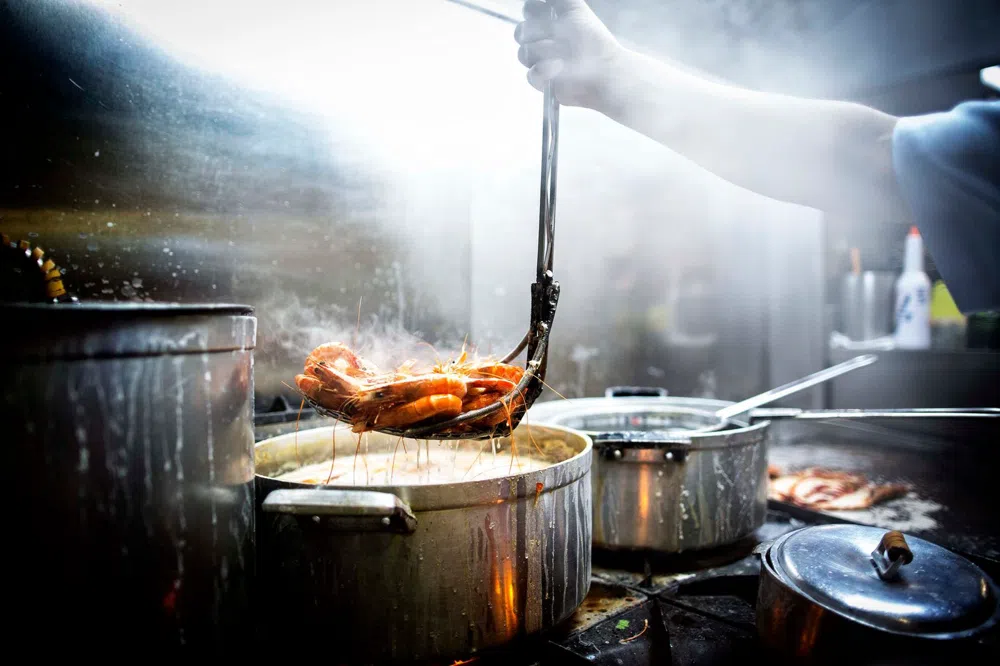
Slow Lisbon Days, Seafood Lunches and Easy October Escapes
How I spend October in Lisbon: long shellfish lunches, two museums for the wet afternoons, and three train rides out that beat any packed itinerary.
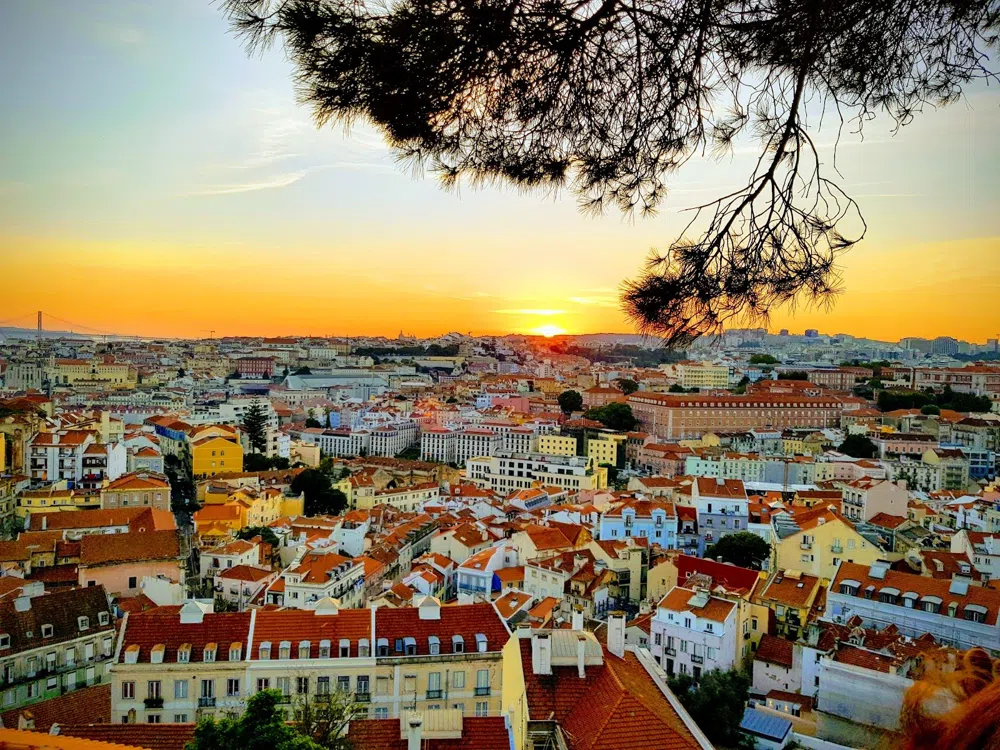
Graça on Foot for Lisbon's Highest Views, Gardens and Lunch
Three free terraces, a garden you can climb without stairs, and lunch on the largo for €15: how to spend a day on Lisbon's highest central hill.
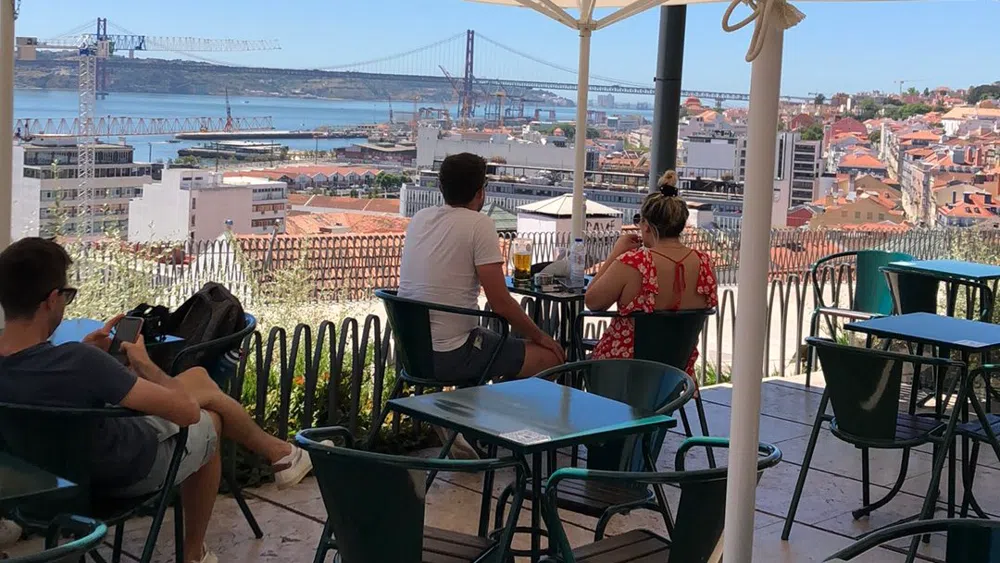
Lisbon Kiosk Evenings From the Viewpoints to the River
Fifteen iron pavilions with cold beer, no bookings and closing times that vary wildly, strung into one easy Lisbon evening.
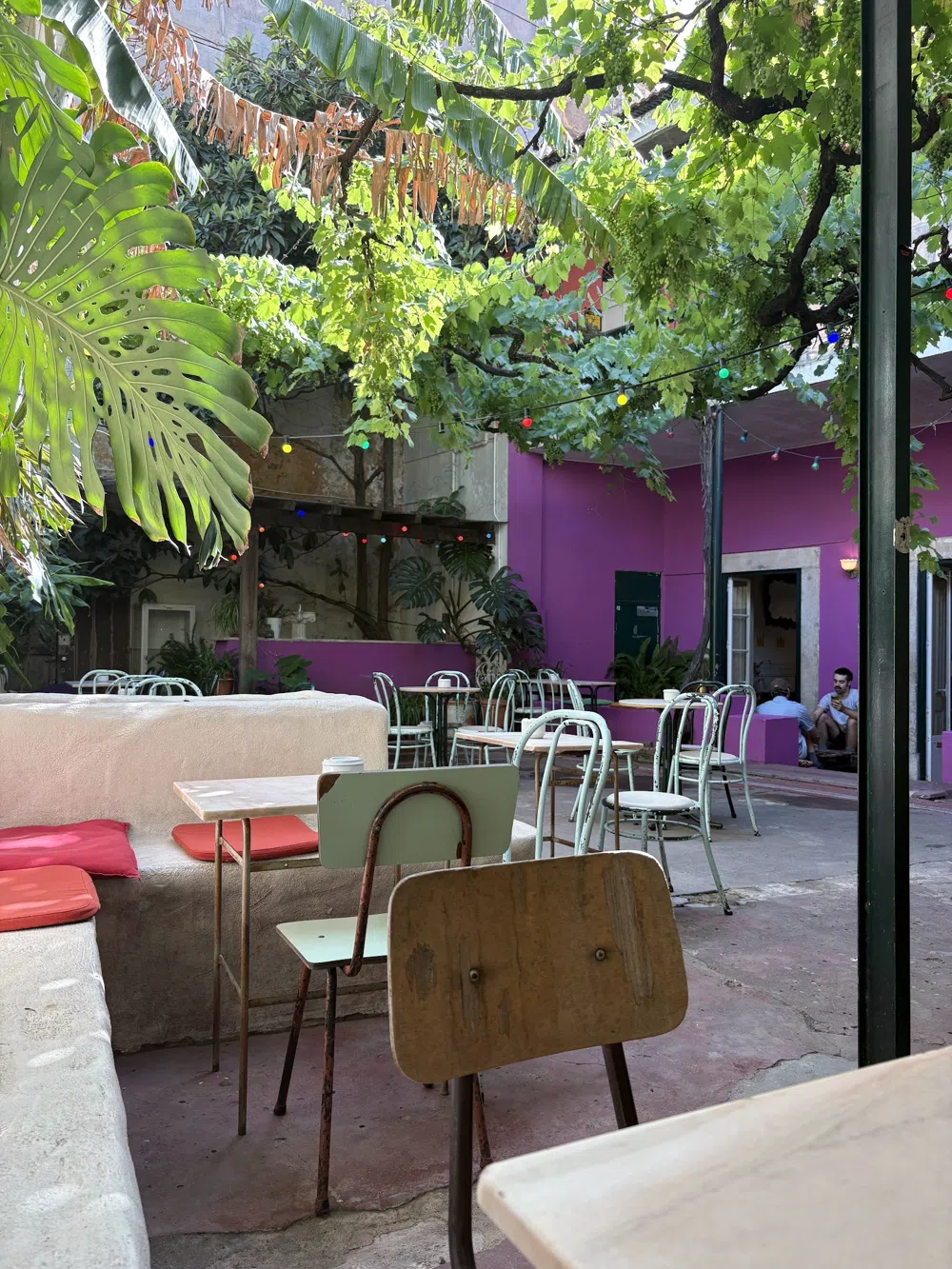
How to Walk Lisbon's Mouraria After Dark
A street-by-street night walk on the most layered hill in Lisbon: a rooftop above a shabby shopping centre, Mozambican ribs, fado in the house that made it, and a gig room that runs to 04:00.
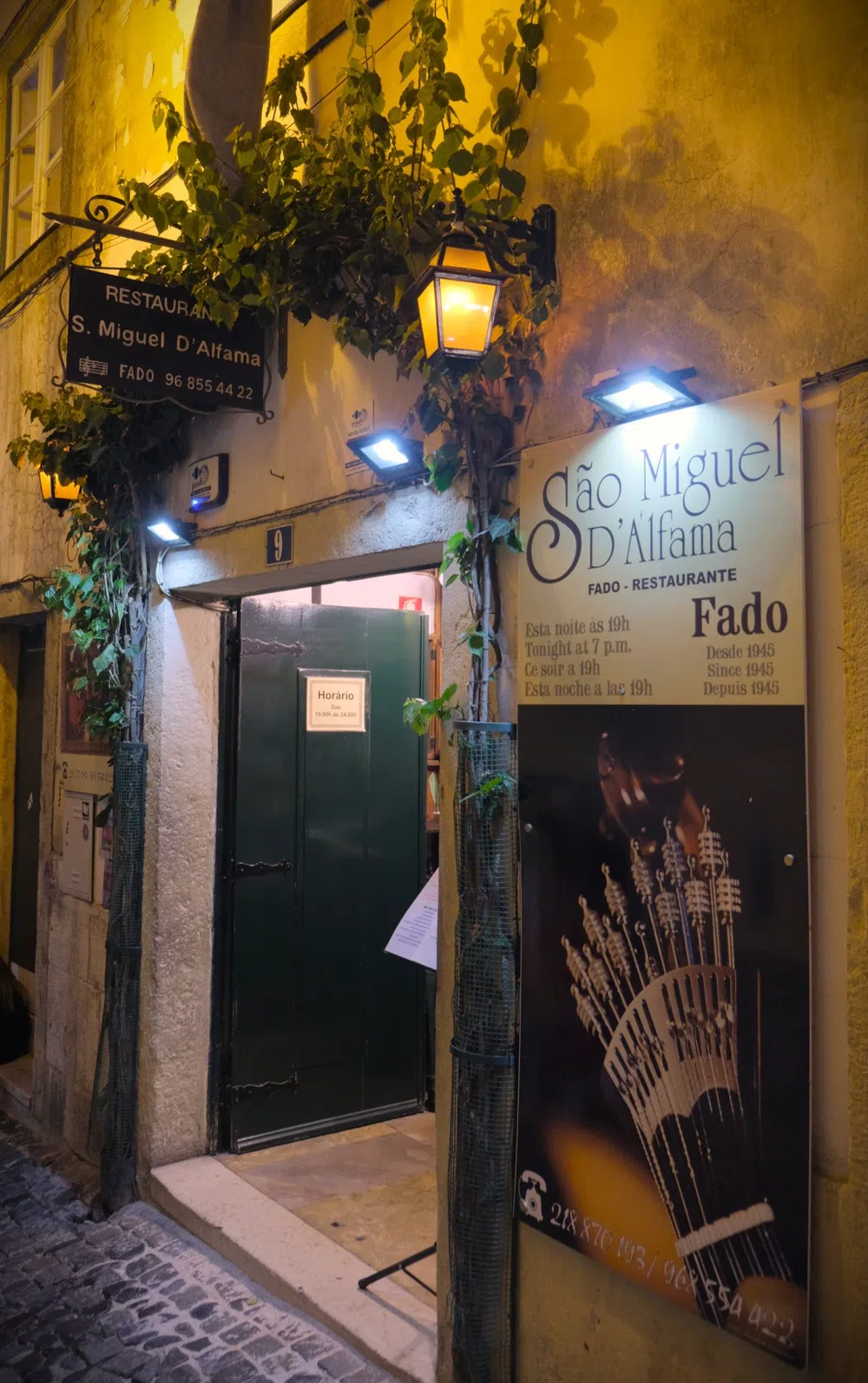
Lisbon in June: Sardines, Saints and a City on Fire
Every June, Alfama turns its doorways into grills, the Avenida into a parade route and the cathedral steps into a mass wedding — here's how to actually eat, watch and survive Santo António's festival season in 2026.
Where to base yourself
The neighborhoods
01
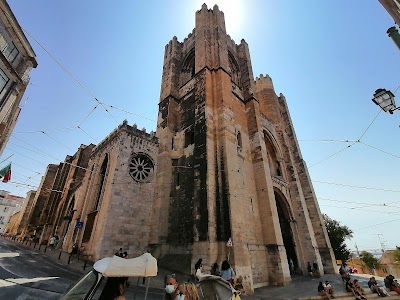
Alfama
For History enthusiasts and travelers seeking traditional character. The trade-off is the lack of vehicular access, steep climbs, and high noise levels at night.
The oldest district in the city, characterized by a maze of narrow alleys, steep staircases, and laundry drying from wrought-iron balconies. It is the spiritual home of Fado music.
Where to stay — Small guesthouses, boutique apartments, and historic residences tucked away in quiet alleys.
02
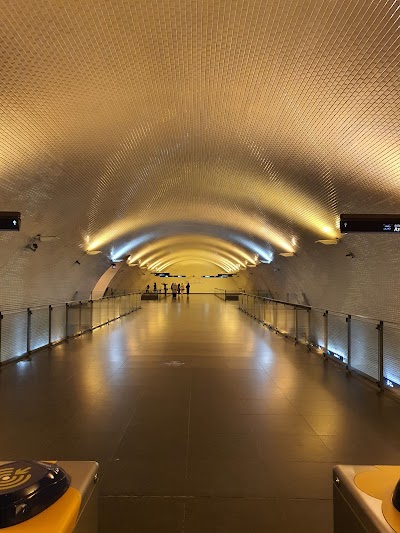
Baixa & Chiado
For First-time visitors who want a central location with easy transit connections. The trade-off is a highly commercial atmosphere and a lack of quiet residential spots.
Baixa features grand 18th-century Pombaline architecture arranged in a flat grid, while Chiado is an elegant, historic shopping and literary district.
Where to stay — Grand mid-range and luxury hotels, along with serviced apartments.
03

Bairro Alto & Bica
For Nightlife seekers and younger travelers. The trade-off is significant noise until the early hours of the morning and crowded streets on weekends.
Quiet and sleepy during the day, these steep streets transform into an open-air street party at night, with patrons spilling out of tiny bars.
Where to stay — Budget hostels and double-glazed apartments designed to block out street noise.
04
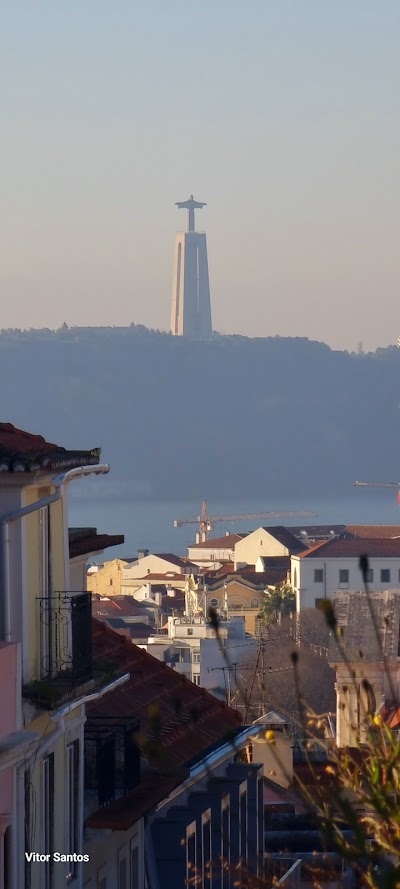
Príncipe Real
For Travelers looking for a sophisticated, quieter neighborhood vibe. The trade-off is the lack of a direct metro station, requiring a walk uphill from Chiado.
An upscale, leafy residential neighborhood filled with 19th-century mansions, independent design boutiques, and trendy restaurants.
Where to stay — Stylish boutique hotels and high-end guesthouses.
05
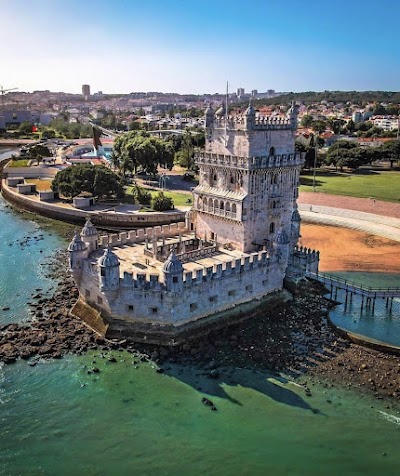
Belém
For Families and museum lovers. The trade-off is the distance from the city center, requiring a 20-minute train or tram ride to reach the nightlife and central hubs.
A spacious, waterfront district located west of the center, dedicated to the maritime history of the Age of Discovery.
Where to stay — Modern waterfront hotels and quiet residential rentals.
Book direct
Book a hotel in Lisbon
Loading live availability and real-time prices…
Where to eat
Dining
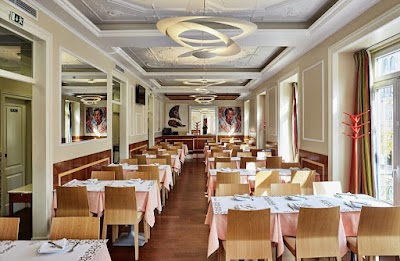
Cervejaria Ramiro
€€€Anjos
A legendary multi-level seafood hall known for its fast-paced service and exceptional quality shellfish.
Signature — Scarlet prawns (carabineiros) followed by a traditional prego steak sandwich.
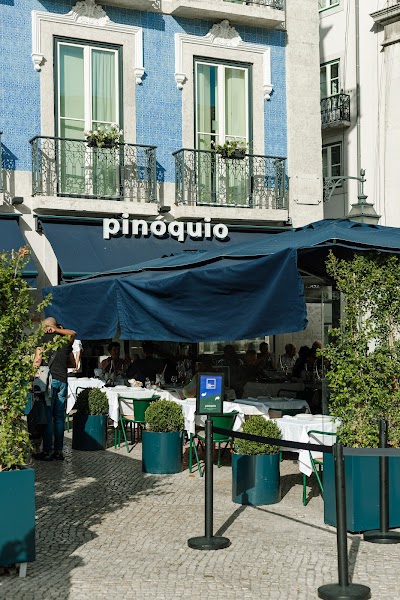
Cervejaria Pinoquio
€€€Baixa
Consistently excellent outdoor dining spot famous for its garlic-rich seafood preparation.
Signature — Amêijoas à Bulhão Pato (clams cooked in olive oil, garlic, and coriander).
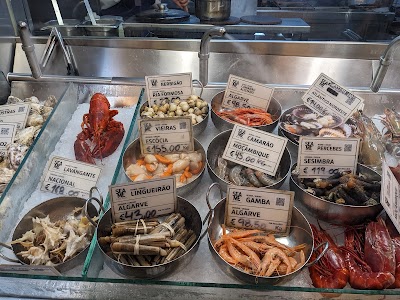
Sea Me - Peixaria Moderna
€€€Chiado
A modern fish-market-meets-restaurant that blends traditional Portuguese seafood with Japanese preparation styles.
Signature — Sardine sushi and grilled turbot.
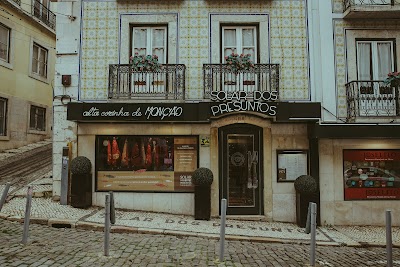
Solar dos Presuntos
€€€Baixa
An upscale, historic institution serving traditional northern-style seafood dishes to locals and dignitaries.
Signature — Arroz de Lagosta e Lavagante (rich lobster and blue lobster rice).
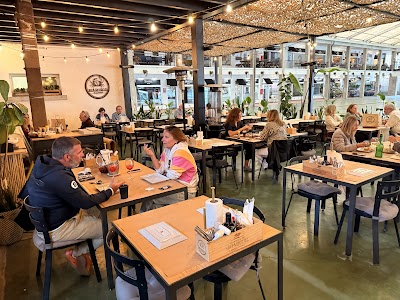
O Marisco na Praça
€€Campo de Ourique
Located inside a traditional neighborhood market, allowing diners to select their seafood by weight from the counter.
Signature — Boiled brown crab (sapateira) and razor clams.
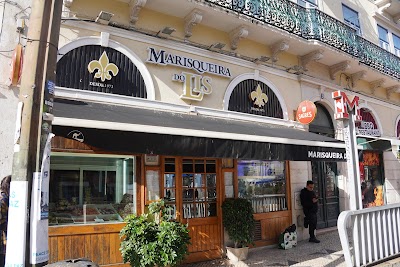
A Marisqueira do Lis
€€Almirante Reis
A local, no-nonsense alternative to Ramiro with a loyal neighborhood following and excellent cold beer.
Signature — Goose barnacles (percebes) and garlic shrimp.
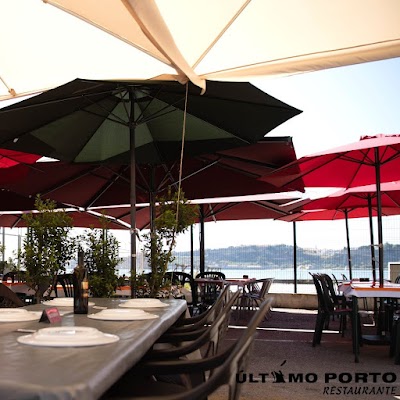
Último Porto
€€Alcântara
A rustic, outdoor restaurant hidden in the shipping docks, serving perfectly charcoal-grilled whole fish.
Signature — Grilled sea bream (dourada) served with boiled potatoes and olive oil.
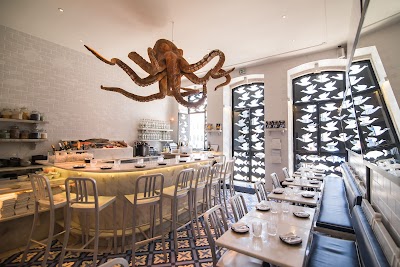
A Cevicheria
€€€Príncipe Real
Chef Kiko Martins' intimate venue featuring creative South American ceviches made with Portuguese Atlantic fish.
Signature — Pure Ceviche of cod and salmon under a giant hanging octopus sculpture.
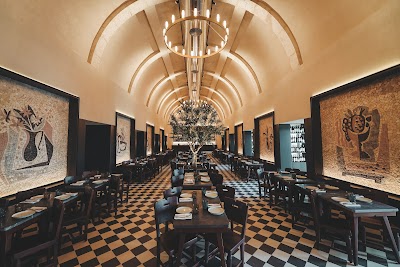
Cervejaria Trindade
€€Chiado
Housed in a historic 13th-century convent decorated with beautiful tilework, offering classic seafood platters.
Signature — Seafood rice and artisanal draft beer.
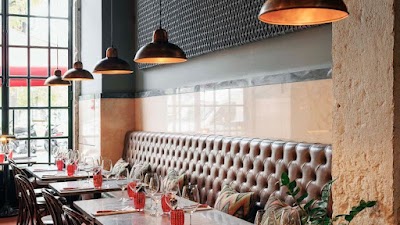
Sala de Corte
€€€€Cais do Sodré
Widely regarded as the city's premier steakhouse, featuring an in-house dry-aging room and a charcoal Josper oven.
Signature — Dry-aged sirloin steak served with bone marrow.
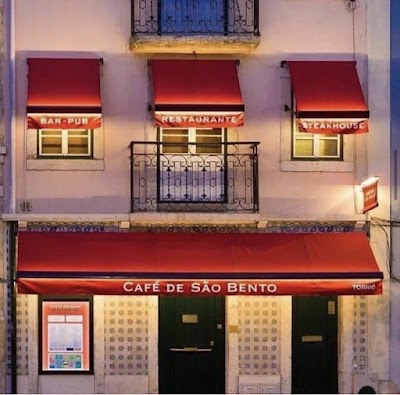
Café de São Bento
€€€São Bento
A classic, wood-paneled dining room that has been serving the city's most famous steak sauce for decades.
Signature — Bife à Café de São Bento (tenderloin steak in a rich, secret cream sauce).
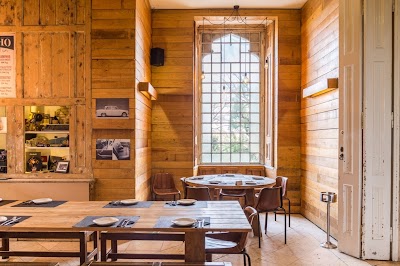
Atalho Real
€€Príncipe Real
Set in a beautiful courtyard behind a historic palace, offering high-quality cuts at reasonable prices.
Signature — Maminha (rump cap) served on traditional bolo do caco bread.
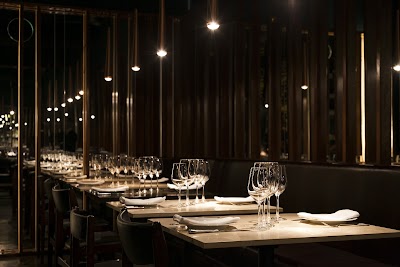
K.O.B. by Olivier
€€€€Príncipe Real
A sophisticated, dimly lit steakhouse specializing in aged meats from different global origins.
Signature — Black Angus ribeye aged for 35 days.
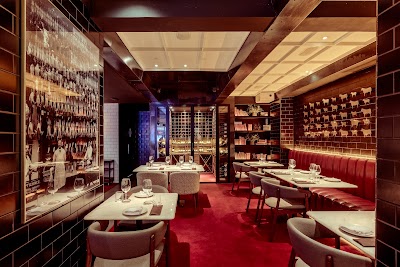
O Talho
€€€Avenidas Novas
A unique concept combining a high-end butcher shop with a creative restaurant focused on meat gastronomy.
Signature — Beef tartare served with a modern, crispy presentation.
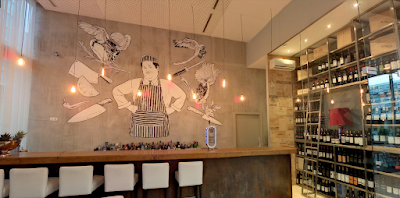
Butchers
€€Parque das Nações
A casual, modern venue in the eastern district specializing in dry-aged beef cooked over high heat.
Signature — 30-day dry-aged T-bone steak.
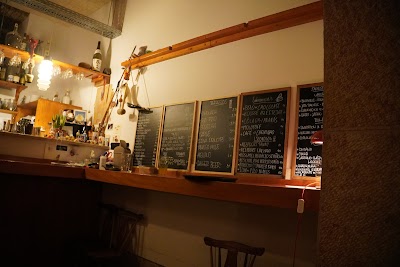
Taberna da Rua das Flores
€€Chiado
A tiny, retro tavern serving a daily changing blackboard menu of creative, modern twists on traditional petiscos.
Signature — Seared tuna tataki with sesame and local sweet potato.
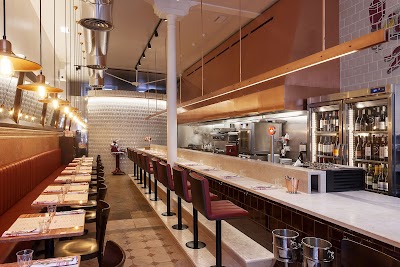
Tapisco
€€€Príncipe Real
Chef Henrique Sá Pessoa's stylish restaurant blending Spanish tapas with Portuguese petiscos.
Signature — La Bomba de Lisboa (potato and meat croquette with spicy sauce).
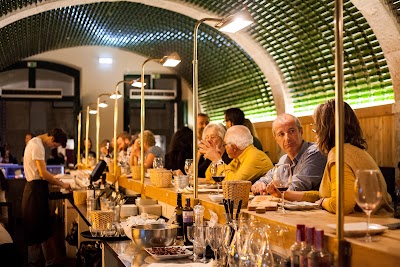
By the Wine
€€Chiado
The flagship wine bar of a major national producer, featuring a striking ceiling lined with thousands of green bottles.
Signature — Iberico pork cheek and a glass of Moscatel de Setúbal.
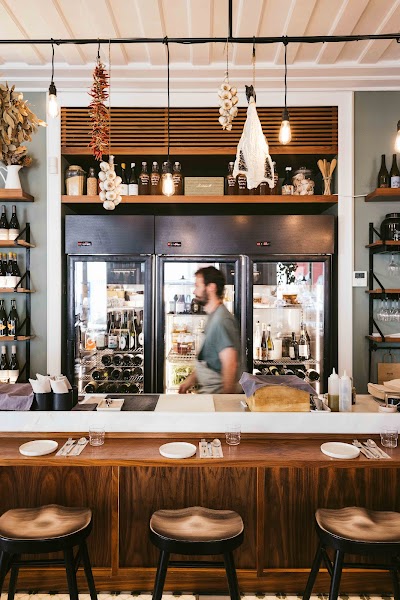
Prado Mercearia
€€€Baixa
A beautiful grocery-bistro serving hyper-local, seasonal small plates alongside organic wines.
Signature — Cured meats and artisanal cheeses sourced from small Portuguese farms.
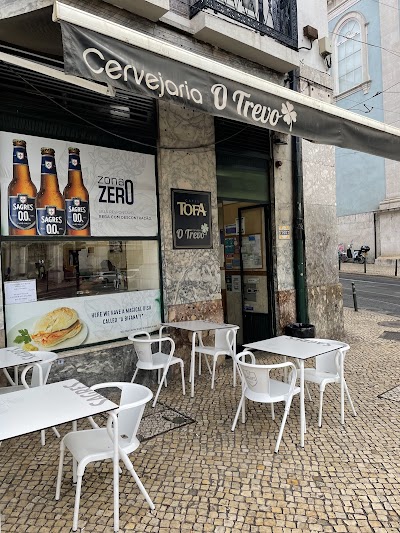
O Trevo
€Praça Luís de Camões
A no-frills, traditional corner joint famous for serving classic pork sandwiches to a fast-moving crowd.
Signature — Bifana (thinly sliced pork simmered in garlic and white wine, served in a crusty roll).
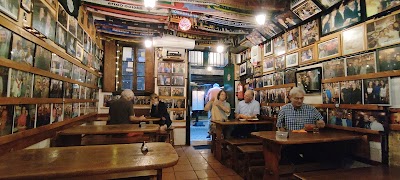
A Tasca do Chico
€Bairro Alto
A historic tavern famous for its amateur Fado nights and rustic, flame-grilled petiscos.
Signature — Chouriço assado (pork sausage flambéed at your table in a clay dish).
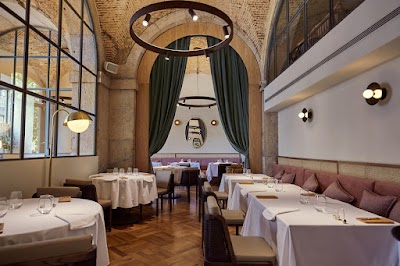
Belcanto
€€€€Chiado
Chef José Avillez's two-Michelin-starred flagship, offering a theatrical and deeply narrative journey through Portuguese culinary history.
Signature — The Garden of the Goose that Laid the Golden Eggs (a delicate egg yolk dish with gold leaf).
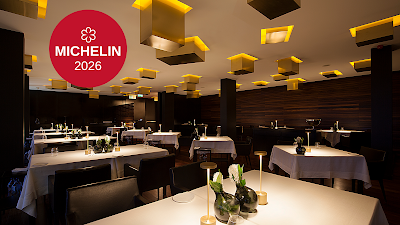
Feitoria
€€€€Belém
A sophisticated waterfront restaurant focusing on micro-seasonal ingredients and a deep respect for the producers.
Signature — The seasonal vegetable and coastal seafood tasting menu.
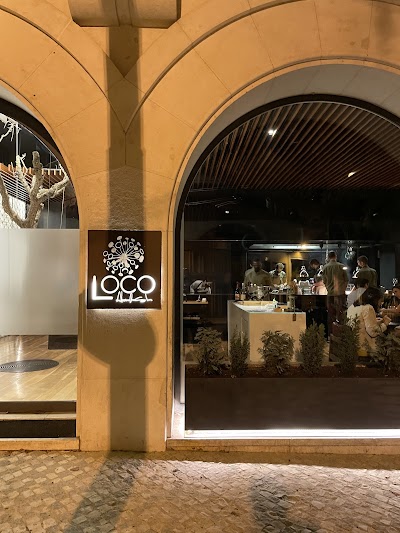
Loco
€€€€Estrela
Chef Alexandre Silva's avant-garde, zero-waste kitchen that offers an unpredictable, high-concept tasting menu.
Signature — The multi-course surprise menu, featuring creative bread courses and fermented elements.
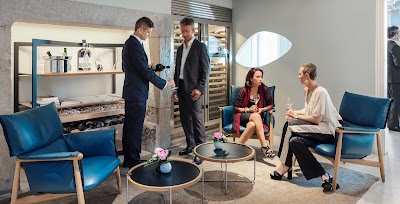
EPUR
€€€€Chiado
A minimalist, elegant space overlooking the rooftops, focusing on clean, precise flavors and French-influenced techniques.
Signature — Line-caught sea bass with seasonal wild herbs.
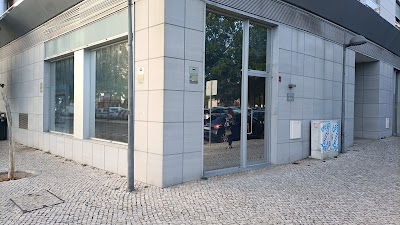
Kanazawa
€€€€Algés
An exclusive, eight-seat counter restaurant serving exceptional, highly detailed Kaiseki cuisine.
Signature — The multi-course seasonal Kaiseki tasting menu.
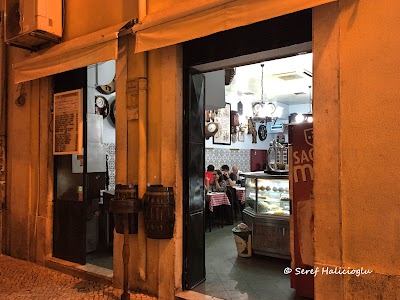
A Provinciana
€Rossio
A tiny, family-run gem decorated with vintage clocks, serving massive portions of traditional comfort food.
Signature — Chanfana de cabra (slow-cooked goat stew in red wine).
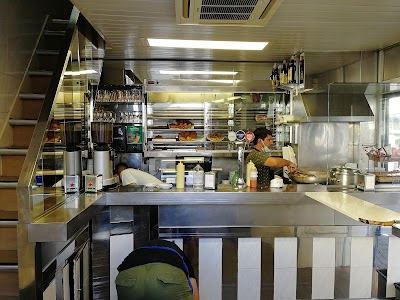
As Bifanas do Afonso
€Baixa
A simple walk-up counter serving what many locals consider the best pork sandwich in the city.
Signature — Bifana with a drizzle of spicy piri-piri oil and yellow mustard.
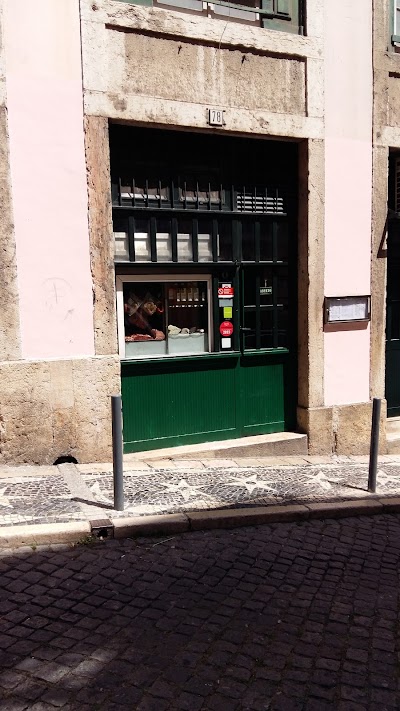
Das Flores
€Chiado
A tiny, traditional lunch spot run by a welcoming family, serving fresh daily specials.
Signature — Pataniscas de bacalhau (crispy cod fritters served with tomato rice).
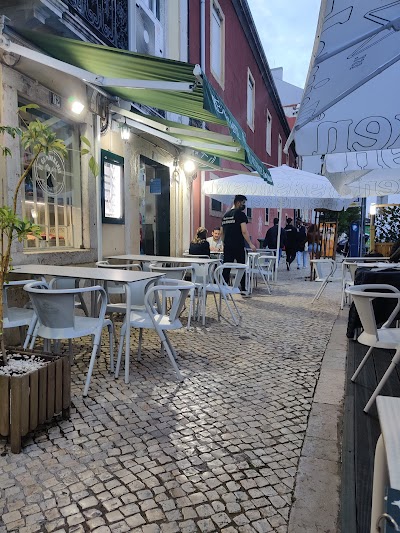
Zé da Mouraria
€Mouraria
Famous for its massive family-style platters meant for sharing, served in a lively, traditional setting.
Signature — Bacalhau assado (baked cod with garlic, potatoes, and olive oil).
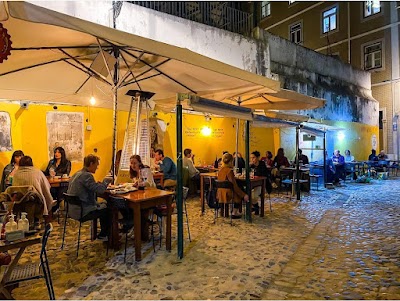
Cantinho do Aziz
€Mouraria
A colorful alleyway restaurant serving exceptional Mozambican-Portuguese fusion dishes.
Signature — Caril de Caranguejo (spicy crab curry).
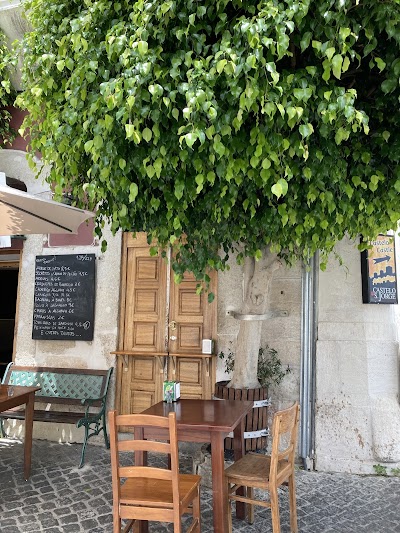
O Velho Eurico
€€Mouraria
A modern take on the traditional tasca, popular with young locals for its energetic vibe and updated classic dishes.
Signature — Lamb croquettes and cod tongue rice.
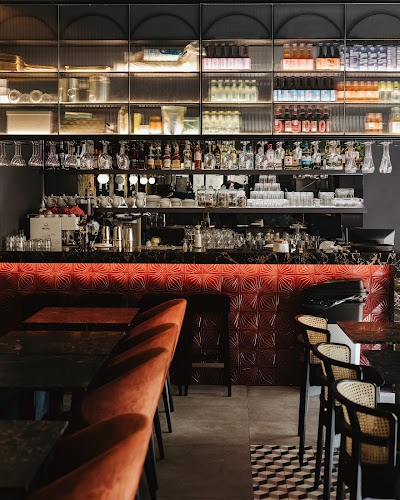
Ao 26 - Vegan Food Project
€€Chiado
A highly popular restaurant serving creative, vegan versions of traditional Portuguese comfort food.
Signature — Vegan Francesinha (a hearty sandwich with melted vegan cheese and rich sauce).
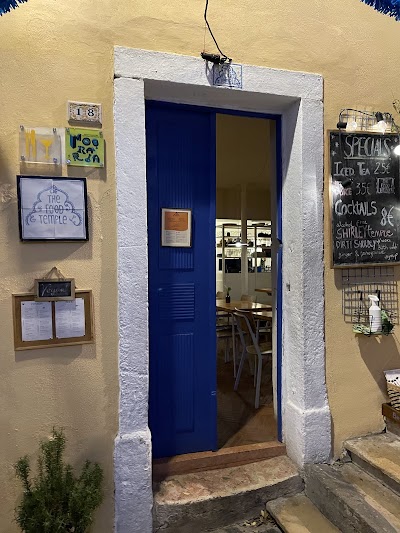
The Food Temple
€€Mouraria
One of the city's oldest vegan establishments, located in a quiet courtyard where guests sit on the stone steps.
Signature — Changing seasonal tapas and craft beer.
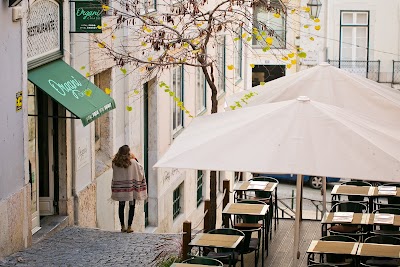
Organi Chiado
€€Chiado
A health-focused, organic restaurant serving sugar-free, plant-based meals in a quiet alley.
Signature — The daily macrobiotic plate featuring local grains and roasted vegetables.

Green Bistro
€Baixa
A casual, central spot perfect for a quick, delicious plant-based lunch or pastry.
Signature — Vegan pastel de nata.
After dark
Nightlife
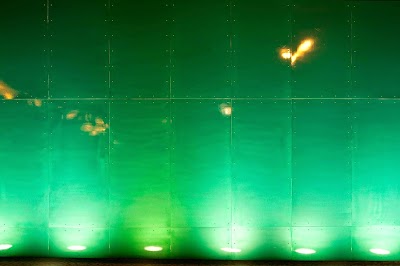
Lux Frágil
Santa Apolónia
The undisputed pioneer of Lisbon's nightlife, co-owned by actor John Malkovich, featuring a massive rooftop terrace.
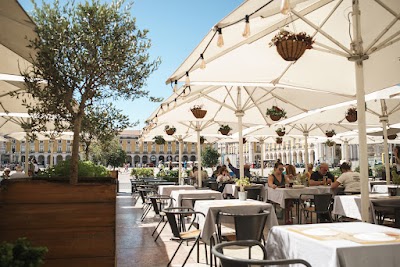
Ministerium Club
Praça do Comércio
Housed in a grand, vaulted former ministry building, focusing on high-quality underground electronic music.
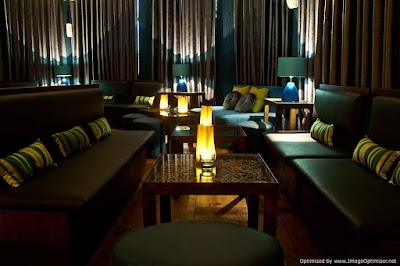
Lounge
Cais do Sodré
A smaller, relaxed venue perfect for a casual drink and a dance without the pretension of larger clubs.
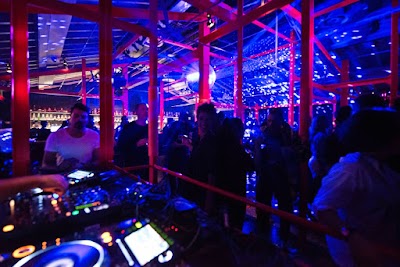
Rive-Rouge
Cais do Sodré
A sleek, red-lit club located inside the Time Out Market complex.
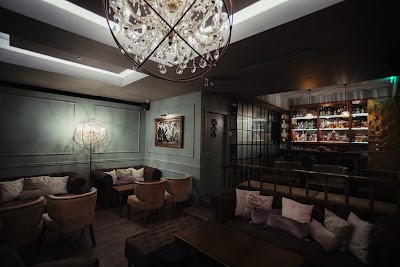
Red Frog Speakeasy
Príncipe Real
An award-winning, secret bar hidden behind a fake wall, offering highly creative mixology.
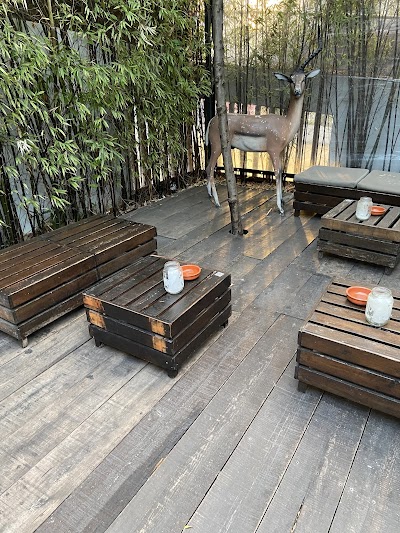
Park Bar
Bica
Located on the top deck of a concrete parking garage, offering iconic sunset views over the river.
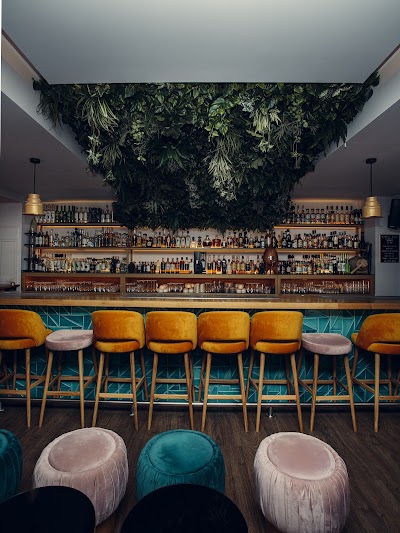
Monkey Mash
Príncipe Real
A modern cocktail bar focusing on tropical, fresh ingredients and sustainable practices.

TOPO Martim Moniz
Martim Moniz
A rooftop bar overlooking the historic castle and the multicultural square below.
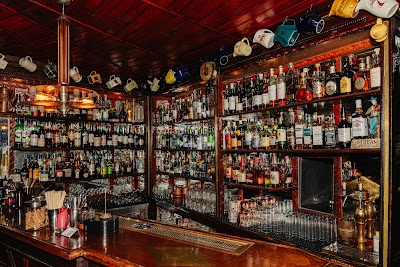
Foxtrot
Príncipe Real
One of the city's oldest cocktail bars, featuring Art Deco decor and a cozy fireplace.
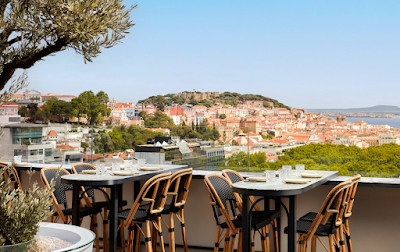
Sky Bar by SEEN
Avenida da Liberdade
A high-end rooftop bar on top of the Tivoli hotel, offering panoramic views of the city skyline.
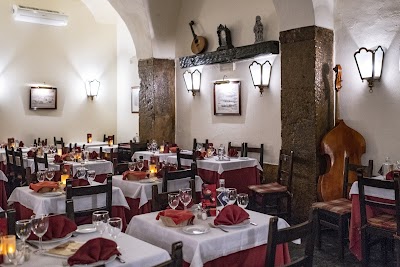
Clube de Fado
Alfama
One of the most prestigious Fado houses in the city, featuring professional artists in a historic vaulted room.

B.Leza
Cais do Sodré
A waterfront venue dedicated to live African music, particularly from Cape Verde and Angola.
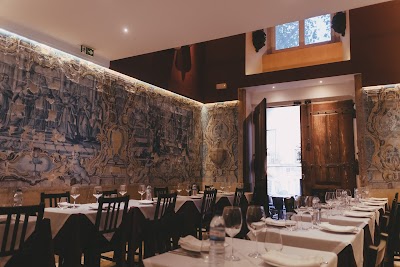
Mesa de Frades
Alfama
A tiny Fado chapel lined with 18th-century tiles, offering an incredibly intimate performance.
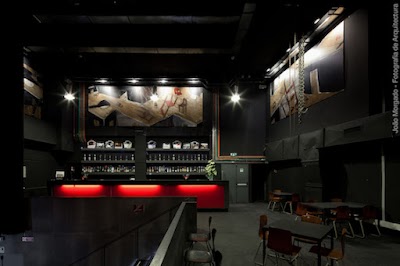
Teatro do Bairro
Bairro Alto
An eclectic cultural space hosting live concerts, theater, and dance performances.
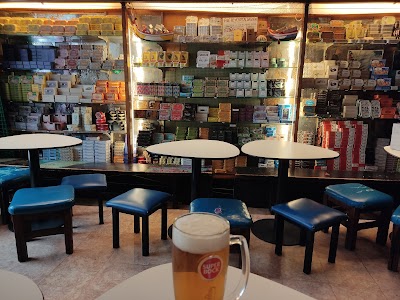
Povo
Cais do Sodré
A modern take on the Fado house, showcasing younger, experimental artists in an accessible setting.
Art & history
Culture
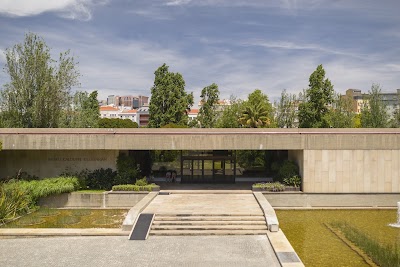
Calouste Gulbenkian Museum
Avenidas Novas
A world-class private collection spanning antiquity to modern art, set in beautiful mid-century gardens.
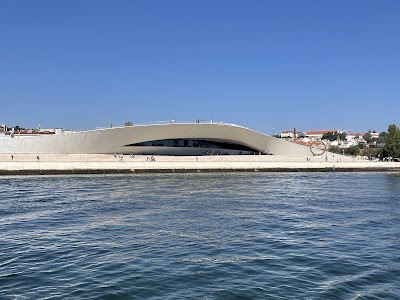
MAAT (Museum of Art, Architecture and Technology)
Belém
A striking, wave-like building on the waterfront hosting contemporary exhibitions.

Coach Museum (Museu Nacional dos Coches)
Belém
A unique, world-class collection of royal carriages from the 16th to 19th centuries.
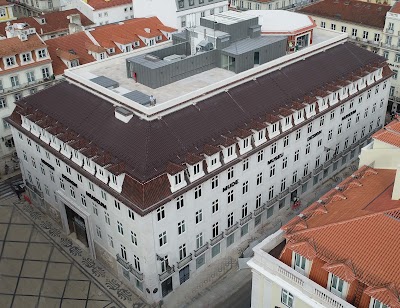
MUDE (Museum of Design and Fashion)
Baixa
A recently reopened flagship design museum showcasing 20th and 21st-century fashion and industrial design.
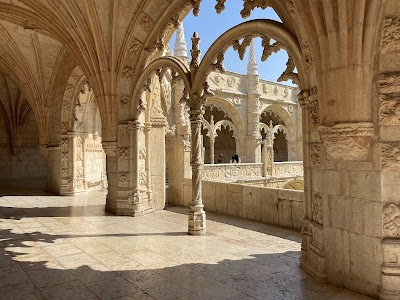
Jerónimos Monastery
Belém
The peak of Manueline architecture, funded by the historic spice trade, featuring intricate stone carvings.
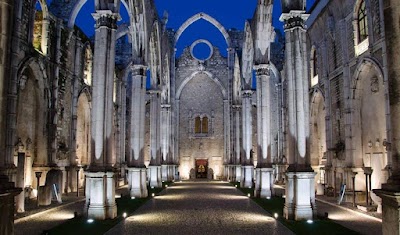
Carmo Convent (Convento do Carmo)
Chiado
A Gothic church left roofless by the 1755 earthquake, now a haunting open-air ruin.
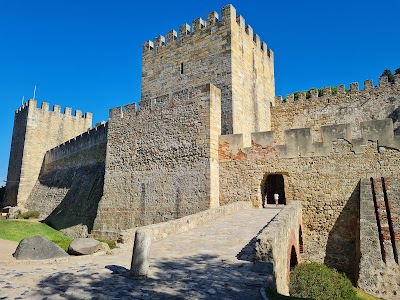
Castelo de São Jorge
Alfama
A Moorish castle overlooking the city, offering 360-degree views of the rooftops and the river.

Padrão dos Descobrimentos
Belém
A monolithic monument celebrating Portuguese explorers, with a massive wind rose map on the pavement.
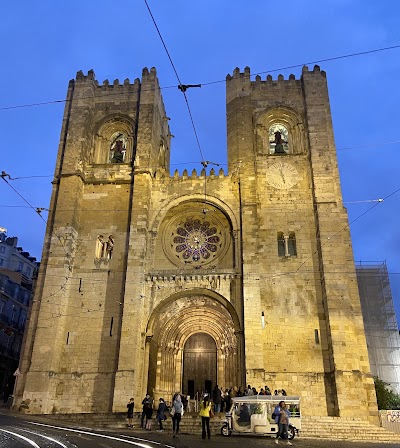
Sé de Lisboa (Lisbon Cathedral)
Alfama
The city's oldest church, a fortress-like 12th-century cathedral blending Romanesque and Gothic styles.

Underdogs Gallery
Marvila
A cultural platform co-founded by street artist Vhils, showcasing leading urban and contemporary art.
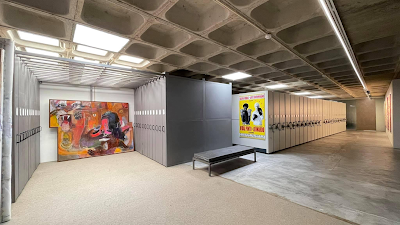
Galeria 111
Campo Grande
One of the city's oldest and most prestigious contemporary art galleries, featuring major Portuguese artists.

Cristina Guerra Contemporary Art
Campo de Ourique
Represents leading national and international contemporary artists with conceptual exhibitions.
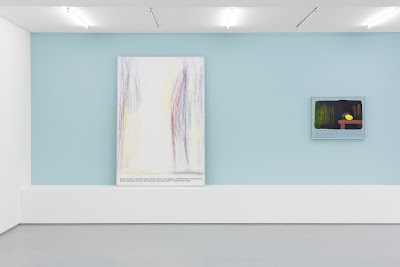
Galeria Vera Cortês
Alvalade
A highly respected gallery supporting emerging and established contemporary artists.
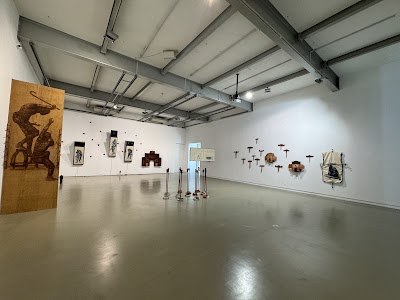
Filomena Soares Gallery
Marvila
A large contemporary space focusing on multimedia, installation art, and international exhibitions.
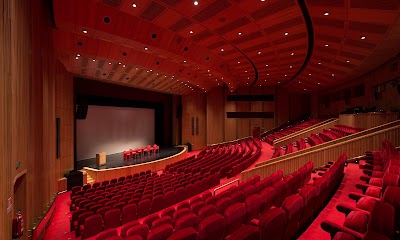
Culturgest
Avenidas Novas
A large foundation hosting contemporary art exhibitions, theater, and dance.
Book ahead
Top-rated experiences in Lisbon

PRIVATE Unforgettable Full Day Tour to Sintra from Lisbon
from $182

Sintra Private Tour with All Tickets Included
from $348

3 Hour Lisbon Private Guided Tour via Tuk Tuk
from $115

Discover the hills and historic neighborhoods of Lisbon in tuk tuk
from $213

Lisbon: Private Tuk-tuk Me Around
from $94

Sintra Private Tour 2 Palaces Roca Cascais Tailored up to 7
from $591

From Lisbon: Arrábida & Sesimbra Private Day Trip – Wine & Nature
from $251

2H Lisbon Private Luxury Catamaran Tour with Welcome Drink
from $490
Prices from Viator; we may earn a commission when you book — at no extra cost to you. Tours are sold and operated by Viator, the merchant of record. Ratings are collected by Viator and Tripadvisor.
Timing
When to visit
Spring
From March to May, temperatures range from 15°C to 22°C. The city is green, outdoor terraces are lively, and the intense summer heat has not yet arrived.
Summer
June to August is hot, dry, and crowded. June is particularly festive due to the month-long Santos Populares street parties, which fill the air with the scent of grilled sardines.
Autumn
September and October bring warm sea temperatures and thinning crowds, though late autumn introduces a higher chance of rain.
Winter
From November to February, the weather is mild but can be wet. It is the quietest time for cultural sights, with short queues and cozy interiors in local taverns.
What it costs
Budgeting
Logistics
Getting around
From the airport
Humberto Delgado Airport is located within the city limits. The Metro Red Line connects the airport directly to the city center in approximately 20 minutes. Alternatively, ride-share services and taxis are highly affordable and readily available outside the arrivals terminal.
Public transit
The network consists of the metro, buses, historic trams, and vertical funiculars. The metro is clean, fast, and simple to navigate. The historic yellow trams, while iconic, are frequently overcrowded and popular targets for pickpockets.
Passes & tickets
The Navegante occasional card is the most practical option. It can be loaded with cash credit using the 'zapping' system, which lowers the cost of individual journeys across all transit modes. The Lisboa Card offers unlimited transit and free entry to major museums within a set 24, 48, or 72-hour window (€€ band).
On foot
Lisbon is highly walkable but physically demanding. The steep inclines and polished limestone pavements can be exceptionally slippery, especially when wet. Sturdy footwear with reliable grip is essential.
Travel smart
Safety & etiquette
Local etiquette
- •Always greet shopkeepers with 'Bom dia' (good morning) or 'Boa tarde' (good afternoon).
- •Say 'Obrigado' (if you identify as male) or 'Obrigada' (if female) to say thank you.
- •Do not speak Spanish unless asked; while Portuguese understand it, they prefer English if you do not speak Portuguese.
From the ground
Practical tips
1
Wear shoes with rubber soles and excellent grip; the polished limestone pavements are incredibly slippery, even when dry.
2
The couvert (bread, olives, cheese) brought to your table at the start of a meal is not free; if you do not want it, politely ask the waiter to take it away.
3
Buy a Navegante card at any metro station and use the 'zapping' option to load cash; it makes fares significantly cheaper across metro, trams, and trains.
4
Avoid eating on Pink Street or directly on Rua Augusta; these are tourist traps with inflated prices and mediocre food.
5
If you want to ride a historic tram without the crowds, take Tram 24 from Praça Luís de Camões to Campolide instead of Tram 28.
6
Many of the best traditional tascas do not accept international credit cards; always carry some cash (€10-20) for smaller establishments.
7
To get a great view of the city without paying for the Santa Justa Lift, walk up to the Carmo Convent square and access the viewing platform for free from behind the lift.
Lisbon FAQs
Is the tap water safe to drink in Lisbon?
Yes, tap water in Lisbon is perfectly safe and of high quality, though some older buildings may have older pipes that affect the taste.
Do I need to tip in restaurants?
Tipping is not mandatory or deeply rooted in Portuguese culture, but leaving 5-10% for exceptional service in sit-down restaurants is appreciated.
How do I avoid the long lines at Jerónimos Monastery?
Buy your tickets online in advance and arrive either right at opening or late in the afternoon when tour buses have departed.
Is Lisbon wheelchair accessible?
No, Lisbon is notoriously difficult for those with mobility issues due to its steep hills, uneven cobblestones, and lack of elevators in older metro stations.
What is the best way to get to Sintra?
Take the direct train from Rossio Station in central Lisbon; avoid driving as parking in Sintra is extremely limited and traffic is heavily restricted.