Die Lisbon-Ausgabe
Lissabons ältestes Selbstgespräch
Ein ruhiger, ehrlicher Gang durch Lissabons Fado-Lokale – welche Häuser sich für Einsteiger eignen, welche für Paare und in welche Sie niemals eine Gruppe von zehn Personen führen sollten.

Von Robin AaltinkLisbon on foot, timed to the tram
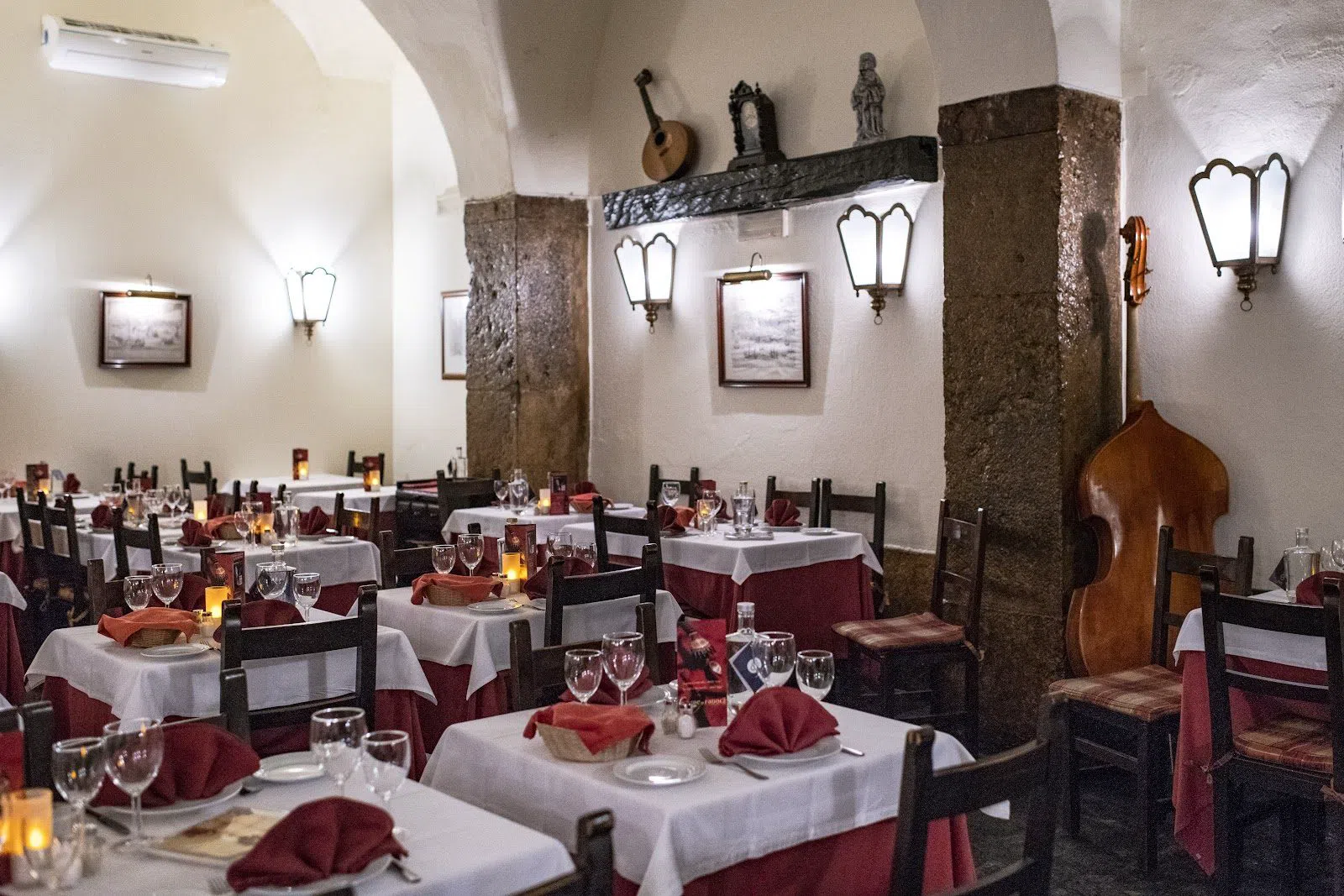
Fado ist das, was Lissabon aus einer schlechten Erinnerung an das Meer macht. Es ist eine Stimme, eine portugiesische Gitarre, eine Stahlsaitenviola und ein Raum, der zustimmt, still zu sein, während jemand vom Gehen und nicht ganz Ankommen singt. Sie müssen die Worte in der ersten Nacht nicht verstehen; Sie müssen ruhig sitzen, die Gabel ablegen, während der Sänger arbeitet, und die Stadt auf sich selbst einreden lassen, wie sie es seit fast zwei Jahrhunderten tut.
Dieser Guide führt Sie durch die Räume, die es 2026 noch gut machen – wo Sie anfangen, welche Häuser eine Menschenmenge vertragen und welche eine ablehnen, und wie Sie die Musik hören, ohne für eine Produktion zu bezahlen, die Sie nicht wollten. Jeder unten genannte Ort ist dieses Jahr tatsächlich buchbar oder betretbar. Falls Sie noch eine Unterkunft für die Nächte planen möchten, beginnen Sie mit einer Suche nach Lissabon Hotels; alles hier ist zu Fuß oder mit kurzer Taxifahrt vom Zentrum erreichbar.
Verstehen Sie es zuerst, dann hören Sie es
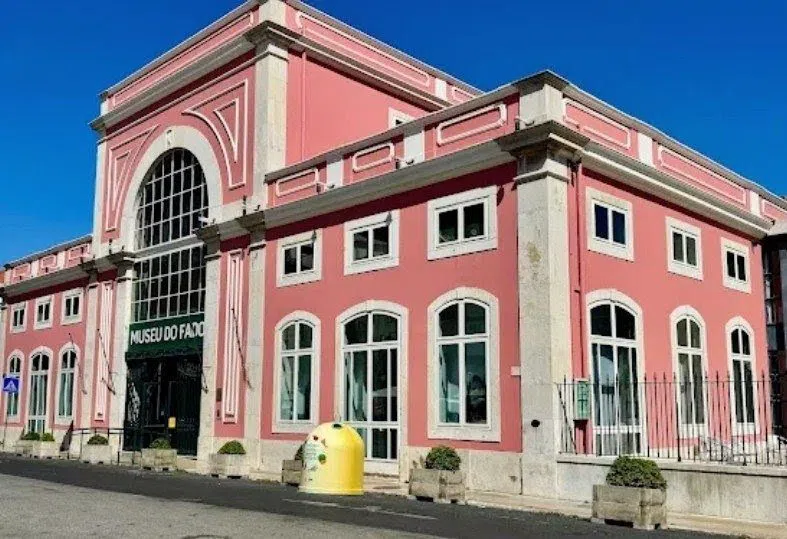
Bevor Sie einen Abend und 60 € in einem Keller investieren, verbringen Sie einen Nachmittag im Museu do Fado (Alfama, am Fuß des Hügels beim Largo do Chafariz de Dentro). Der Eintritt liegt bei etwa 5 €, und es macht das eine, was eine Abendshow nicht kann: Es sagt Ihnen, was Sie hören. Sie sehen, wer Amália war, warum die portugiesische Gitarre diese Tropfenform hat und wie aus einem Tavernenlied ein UNESCO-geschütztes Kulturerbe wurde. Das Museum bewältigt Gruppen problemlos, hat ein anständiges Café-Restaurant, falls Sie sich nach dem Besuch setzen möchten, und bietet ein reguläres Konzertprogramm 2026, das einen Blick wert ist – diese Konzerte sind terminierte Veranstaltungen, separat bepreist, also buchen Sie vor, wenn eines auf Ihre Daten fällt. Es ist tagsüber geeignet und für alle Altersgruppen fein, was es zum natürlichen ersten Stopp macht, bevor die späten Nächte beginnen.
Vom Museum aus sind Sie bereits in Alfama, wo der Großteil der Geschichte spielt.
Planen Sie Ihre Reise nach Lisbon
Aktuelle Preise unserer Buchungspartner.
Kostenlose Stornierung bei vielen Zimmern. Bei einer Buchung erhalten wir möglicherweise eine Provision.
Alfama: die alten Häuser auf dem Hügel
Alfama ist der älteste Stadtteil und der körperlich anspruchsvollste zum Schlendern – enge, steile Gassen, die vom Fluss hinauf zur Burg führen. Tragen Sie festes Schuhwerk, erwarten Sie, kurz verloren zu sein, und betrachten Sie den Hügel als Teil des Abends, nicht als Hindernis. Die Belohnung ist eine Ansammlung von Fado-Häusern innerhalb weniger hundert Meter voneinander.
Die sichere, gepflegte Wahl für den ersten Abend ist Clube de Fado (Alfama, nahe der Kathedrale Sé). 1995 vom Gitarristen Mário Pacheco gegründet – 2019 verkauft, aber immer noch wie zuvor geführt – ist es ein professionelles Haus, das etablierte Fadistas garantiert, statt zu hoffen, dass jemand Gutes auftaucht. Abendessen und Show liegen bei etwa 50–70 € pro Person. Mit Vorreservierung bewältigt es Gruppen gut und ist Reisegruppen und Privattische gewohnt, also ist es die richtige Wahl, wenn Sie für Leute organisieren, die noch nie Fado gehört haben und es richtig machen möchten.
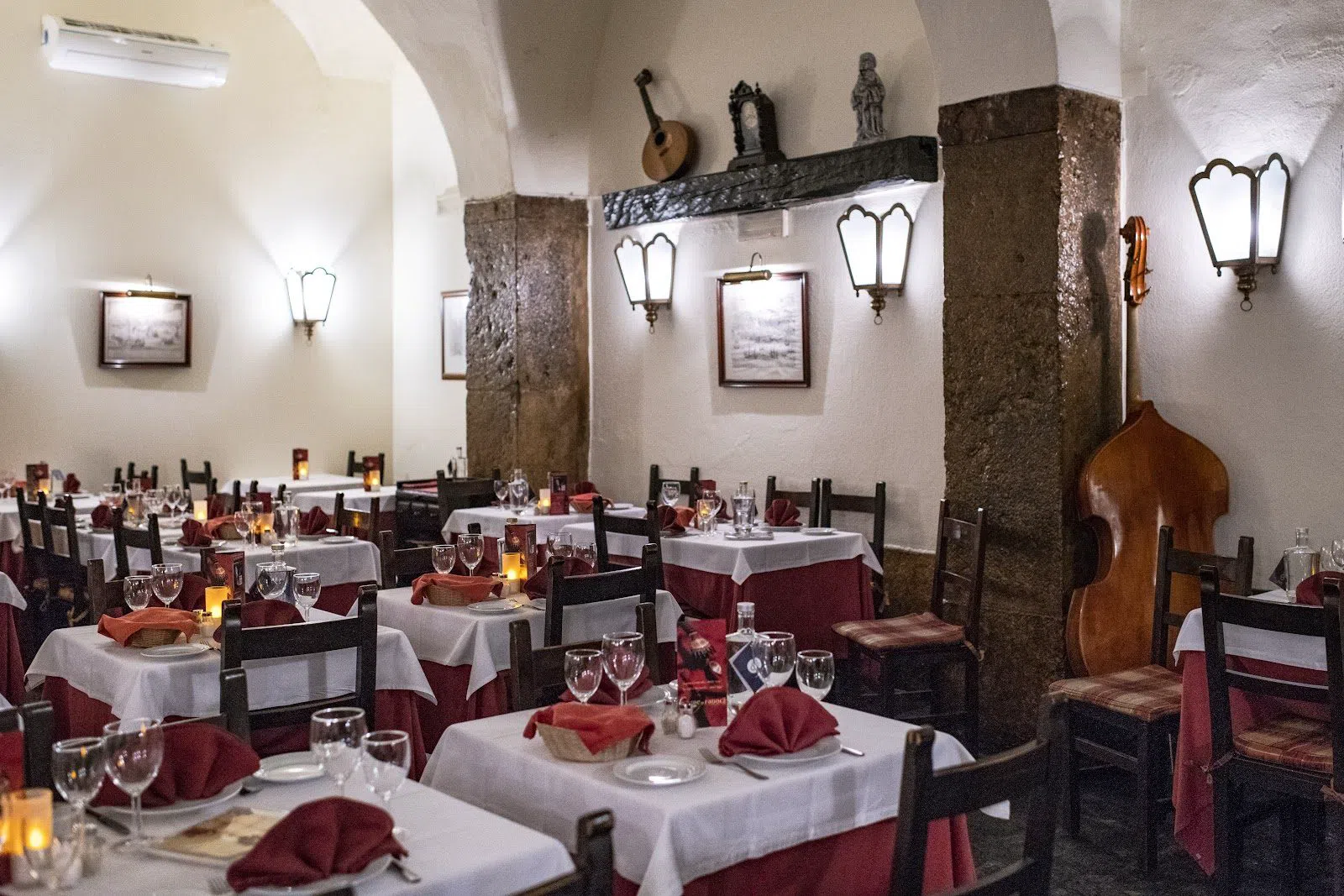
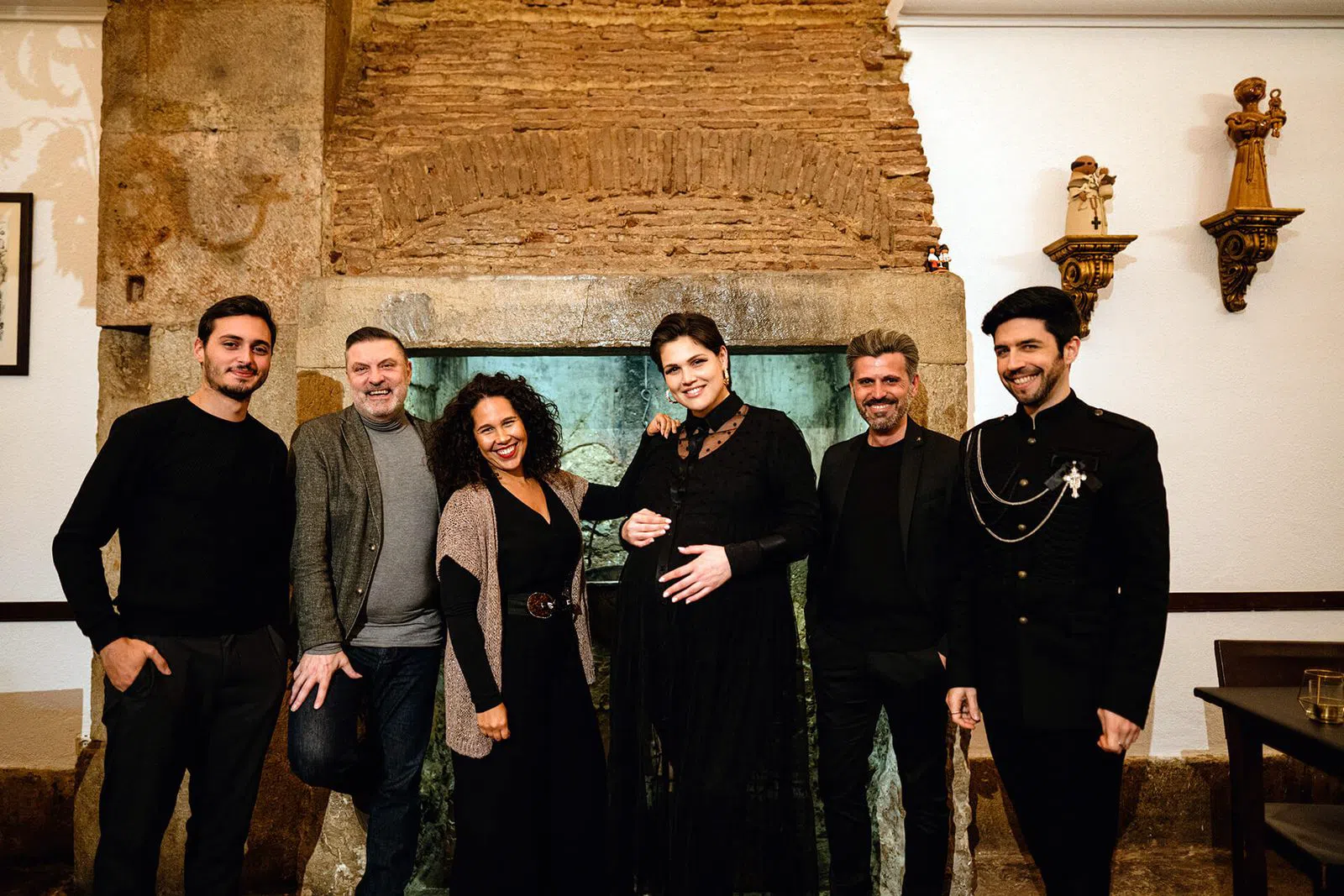
Fünf Minuten zu Fuß entfernt liegt der kinoreifste Raum der Stadt: Casa de Linhares (Alfama), in einem ehemaligen Palast der Grafen untergebracht. Der Steinsaal tut einer kraftvollen Stimme ernsthaft gut, und die Küche nimmt ihren Kabeljau so ernst wie ihre Sänger – dies ist ein Bacalhau-Haus ebenso wie ein Fado-Haus. Rechnen Sie mit 55–75 € pro Person. Es ist groß genug für Gruppentische und eine starke Wahl für einen besonderen Anlass, aber beachten Sie: Geöffnet nur Montag bis Samstag, sonntags geschlossen, und oft mehrere Tage im Voraus ausgebucht, also planen Sie es, statt es zu riskieren.
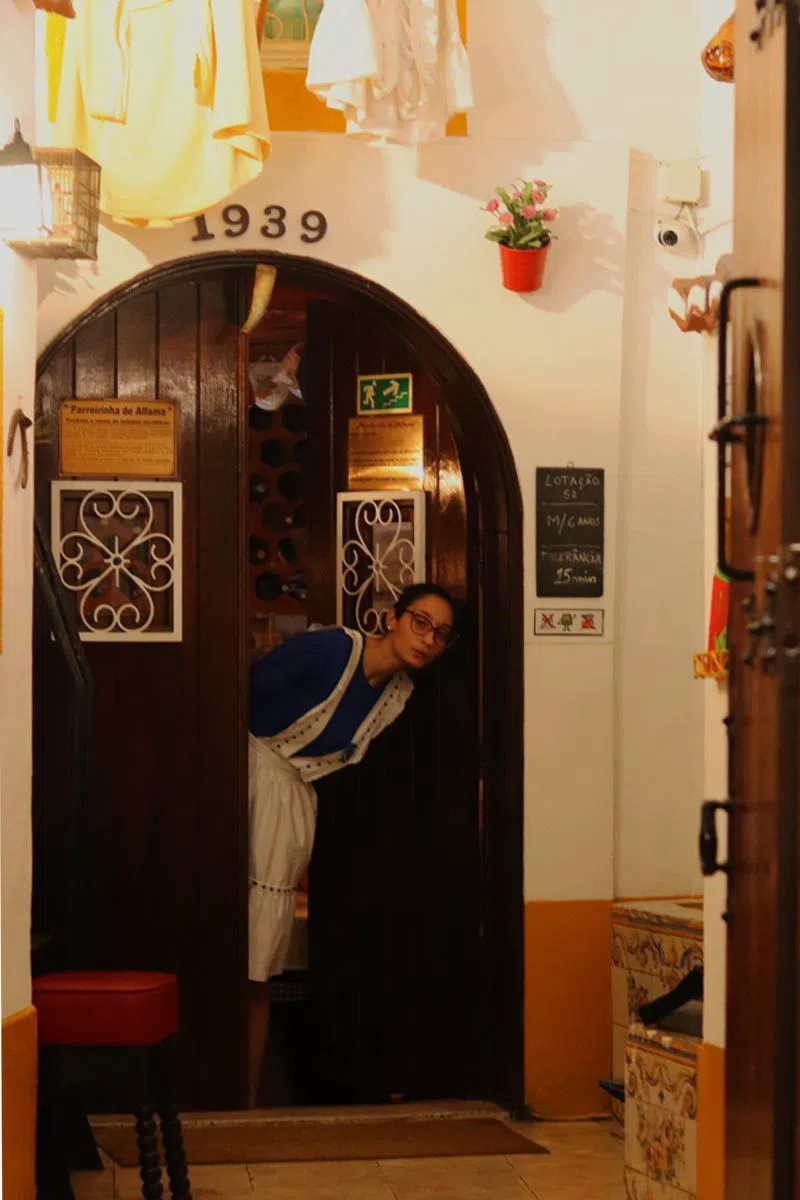
Für etwas mit mehr Tradition als Glanz ist Parreirinha de Alfama (Alfama) seit 1939 geöffnet und wurde von der Fadista Argentina Santos gegründet. Dies ist ein zutiefst traditioneller Raum, in dem echte Größen auftraten; die Ausstattung ist schlichter als in den Palasthäusern, und das ist der Punkt. Abendessen und Show liegen bei etwa 40–60 € pro Person. Es ist bescheiden dimensioniert – kleine Gruppen mit Reservierung sind in Ordnung, große Gesellschaften nicht – und es belohnt Menschen, denen Abstammung mehr bedeutet als Inszenierung.
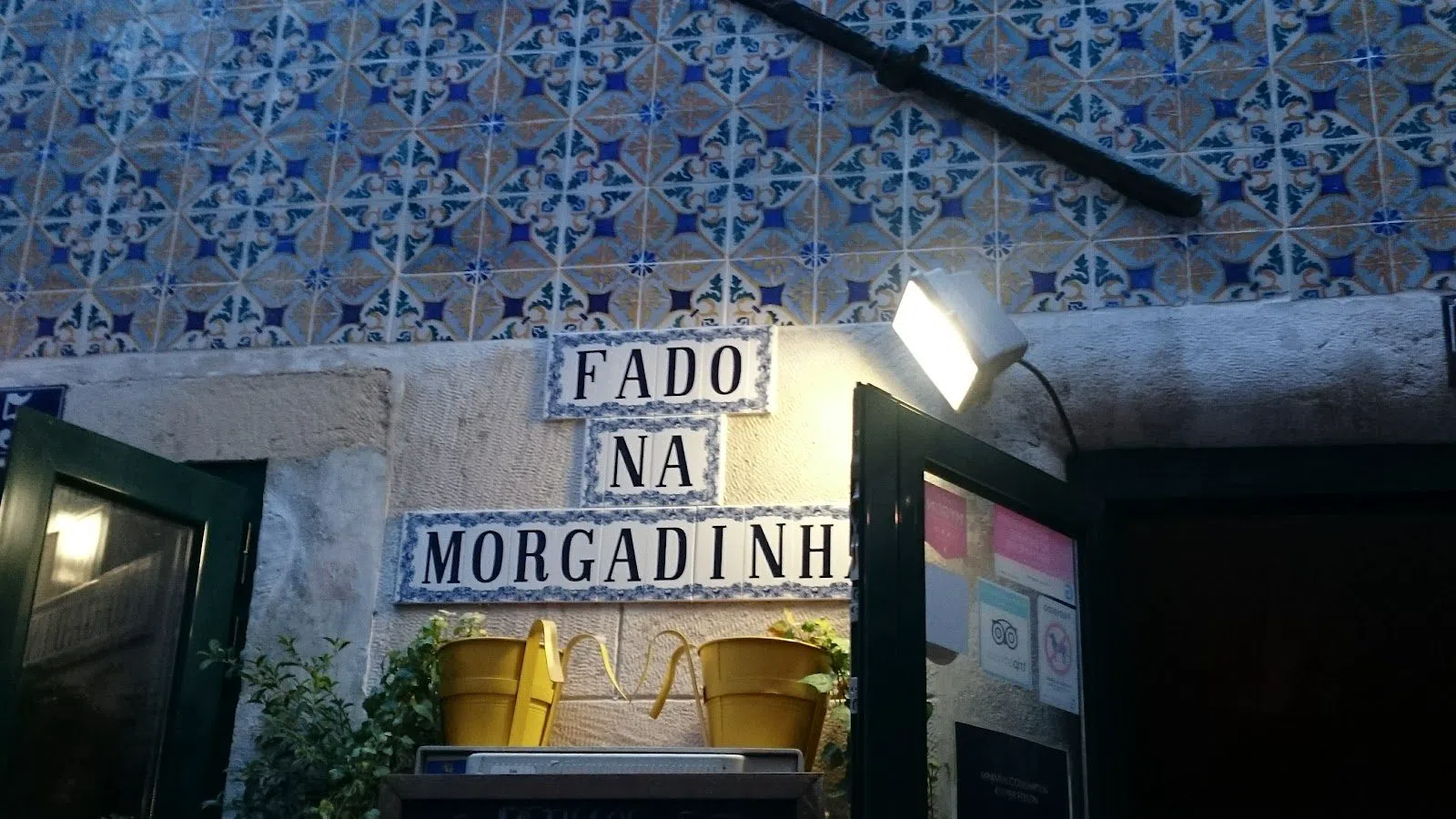
Wenn die Keller anfangen, stickig zu wirken, ist Fado na Morgadinha (Alfama) der Tapetenwechsel. Es ist ein kleines Restaurant mit einer tatsächlichen Terrasse – eine Seltenheit hier – und einer ruhigeren, weniger touristischen Atmosphäre, bei etwa 35–55 € pro Person. Es eignet sich für Paare und kleine Gruppen, die vorab reserviert haben und die Musik an einem wärmeren, informelleren Ort als einem gewölbten Steinsaal erleben möchten.
Alfama nach Mitternacht: die kleinen und die gemeinsamen
Einiges von Alfamas bestem Fado findet in Räumen statt, die einen kaum fassen können, und genau diese Intimität ist der Reiz. Bringen Sie keine Gruppe in eines dieser drei.
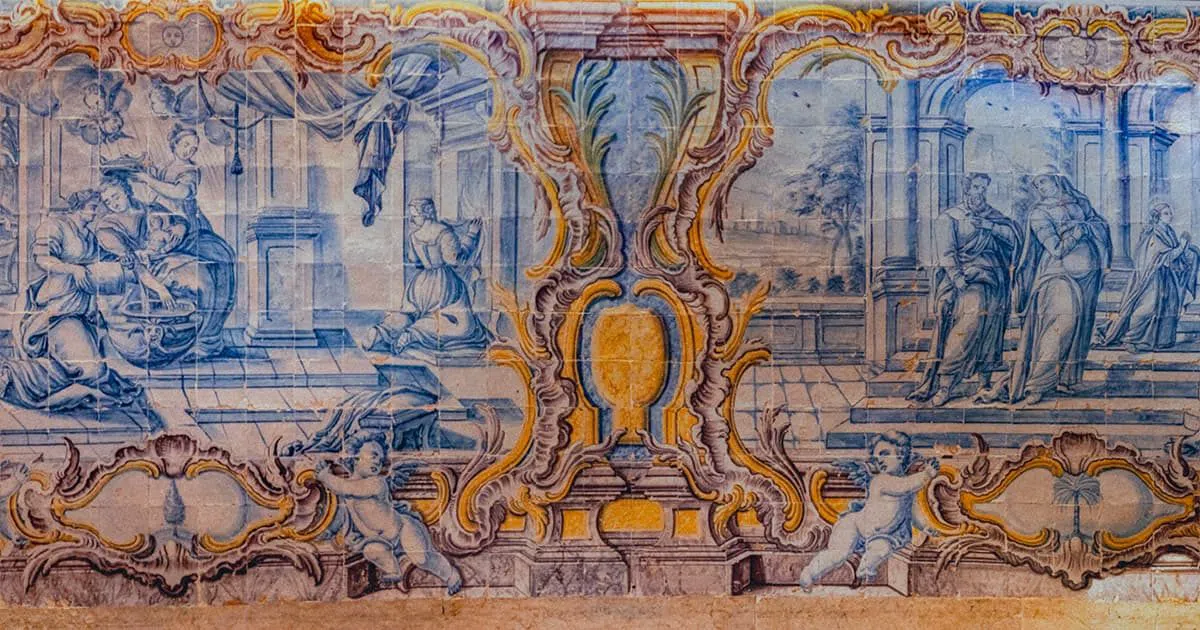
Mesa de Frades (Alfama) ist eine ehemalige Kapelle, die das Erdbeben von 1755 überlebte, bis zur Decke gefliest und mit kaum vierzig Sitzplätzen. Die Shows beginnen gegen 20:30 Uhr und dauern bis nach Mitternacht, Montag bis Samstag, bei 45–65 € pro Person mit Abendessen. Was die Enge lohnt, ist das, was spät passiert: Nach Mitternacht lockert es sich zu etwas, das einer offenen Session unter Fadistas nahekommt, und die Grenze zwischen Künstler und Gast verschwimmt. Reservieren Sie – ein so kleiner Raum kennt keine Gnade für Laufkundschaft – und verstehen Sie, dass es für ein paar Freunde gut, für eine Menschenmenge hoffnungslos ist.
Ein kurzes Stück weiter ist A Baiuca (Alfama) Fado Vadio in seiner gemeinschaftlichsten Form – „Vagabunden-Fado“, bei dem Nachbarn und Gäste abwechselnd singen, statt einer gebuchten Reihe von Profis. Es bietet ein Festpreismenü, bevorzugt Bargeld und kostet etwa 30–45 € pro Person. Es ist charmant und wirklich lokal, aber auch eng und oft im Sommer Wochen im Voraus ausgebucht, also ist dies eine Plan-früh-, Paare-oder-Kleingruppen-nur-Angelegenheit. Wenn Sie in der Hoffnung auf einen Tisch auftauchen, gehen Sie hungrig den Hügel hinunter.
Die dritte der intimen Optionen liegt eigentlich auf der anderen Seite der Stadt, daher habe ich sie für den Bairro-Alto-Abschnitt unten aufgehoben – aber das Prinzip ist dasselbe: Je kleiner der Raum, desto früher müssen Sie sich festlegen.
Bairro Alto: die Keller auf dem anderen Hügel
Jenseits des Tals, einen zweiten Aufstieg hinauf, ist Bairro Alto das andere historische Herz des Fado – grandioser, theatralischer und im Allgemeinen besser für größere Buchungen eingerichtet. Der Haken ist, dass hier auch die Touristenmaschinerie am heißesten läuft, also buchen Sie, kommen Sie pünktlich und erwarten Sie kein Geheimnis. Der Aufstieg zu Fuß ist vom Fluss aus ein ordentlicher Marsch; die Standseilbahn Elevador da Glória oder ein Taxi schonen Ihre Beine, falls Sie bereits am selben Tag Alfama erledigt haben.
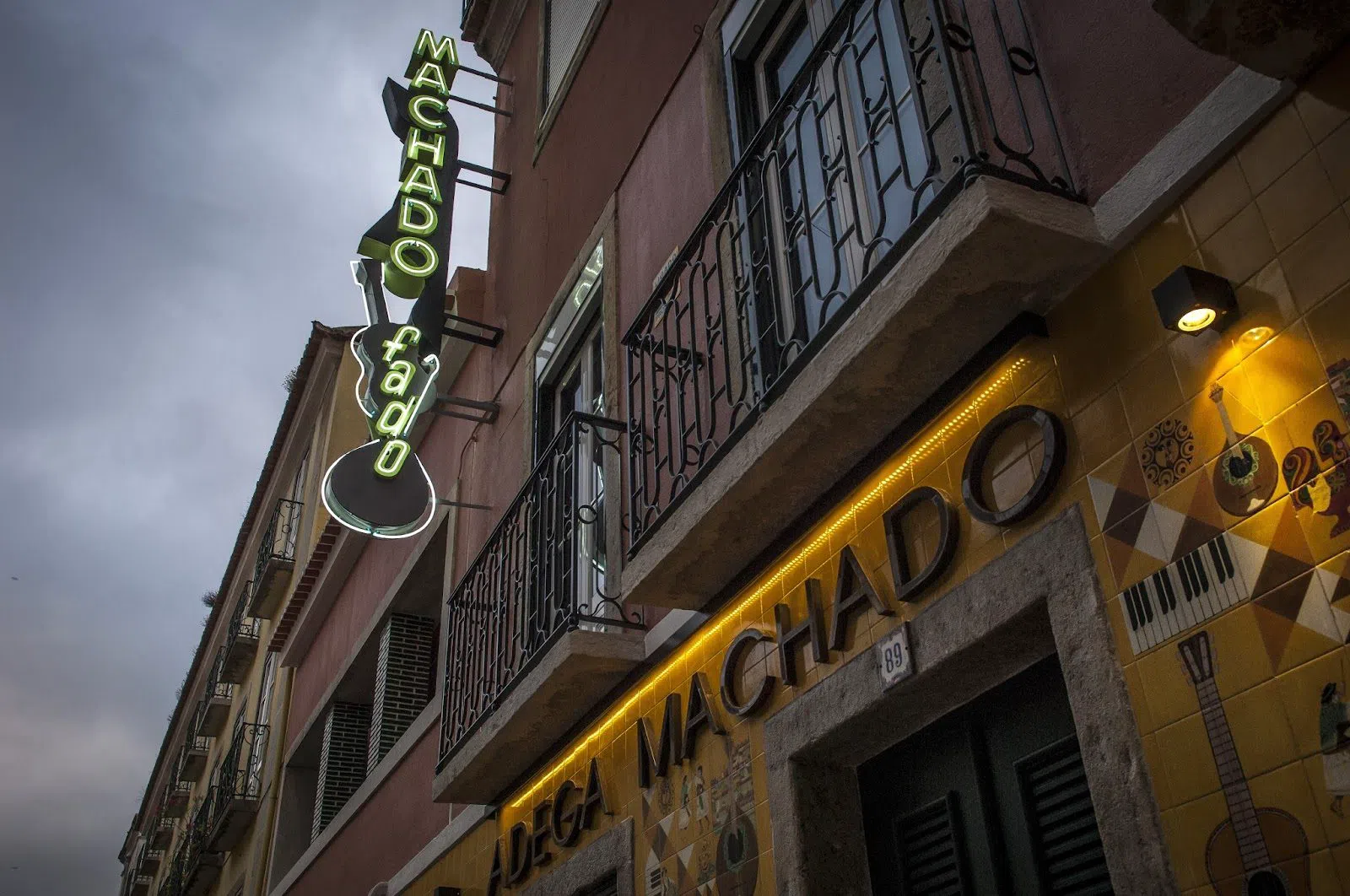
Das große alte Arbeitstier ist Adega Machado (Bairro Alto), eine Institution seit 1937. Täglich geöffnet – nützlich, wenn Alfama ausgebucht ist – mit Küche ab 19:30 Uhr und Fado ab 20:30 Uhr, bei 45–65 € pro Person. Es ist zuverlässig geschliffen und gut für Gruppen und Reisebuchungen eingerichtet, und die Tische füllen sich früh, also reservieren Sie. Als verlässlicher Standard ist es schwer zu kritisieren.
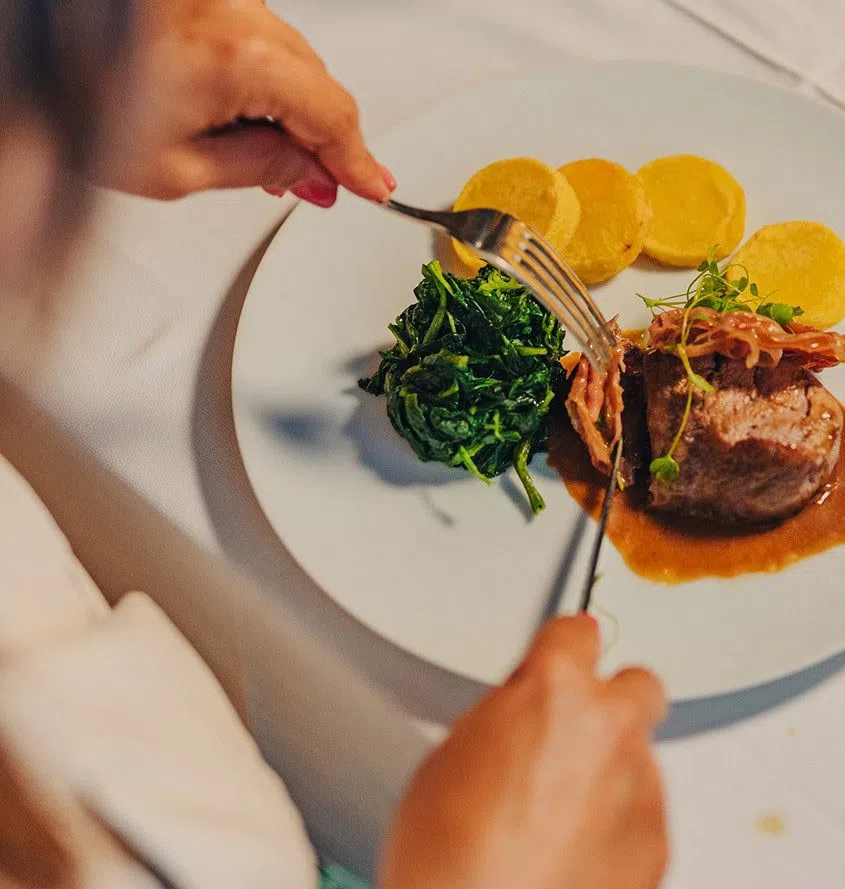
Noch älter ist Café Luso (Bairro Alto), ein Fado-Keller seit 1927. Es ist grandios und ungeniert touristisch, aber die gewölbte Akustik leistet gute Arbeit, und der Raum verschluckt große Partys, ohne dass die Musik leidet – 50–70 € pro Person. Wenn Sie derjenige sind, der eine größere Gruppe oder ein Event betreut und einen Raum braucht, der unter der Anzahl nicht zusammenbricht, ist dies die praktische Antwort.
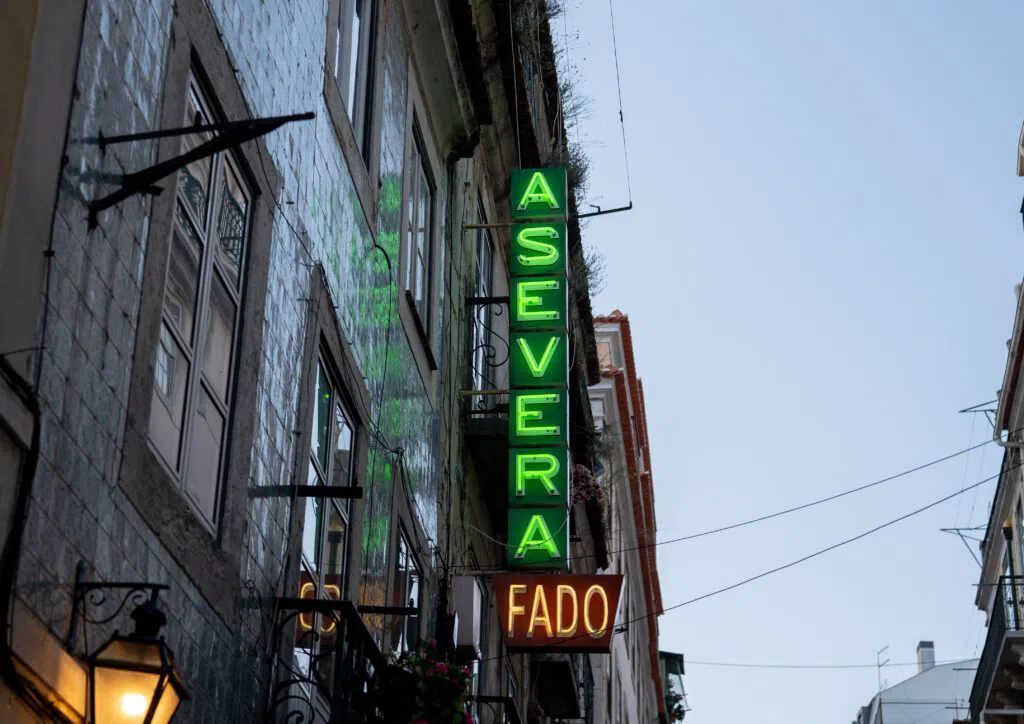
O Faia (Bairro Alto), 1947 eröffnet, ist die elegante, sitzende Show – traditioneller Service, eine lange Geschichte bekannter Fado-Namen, 50–70 € pro Person, Gruppen per Reservierung in Ordnung. In der Nähe wird A Severa (Bairro Alto) seit 1955 von derselben Familie geführt; es ist beständig und traditionell, ein wenig weniger verpackt als manche Nachbarn, und eine vernünftige Mittelklassewahl bei 45–65 € pro Person, mit Gruppensitzplätzen per Reservierung. Zwischen beiden wählen Sie O Faia für Eleganz und A Severa für ein etwas schlichteres, familiengeführtes Gefühl.
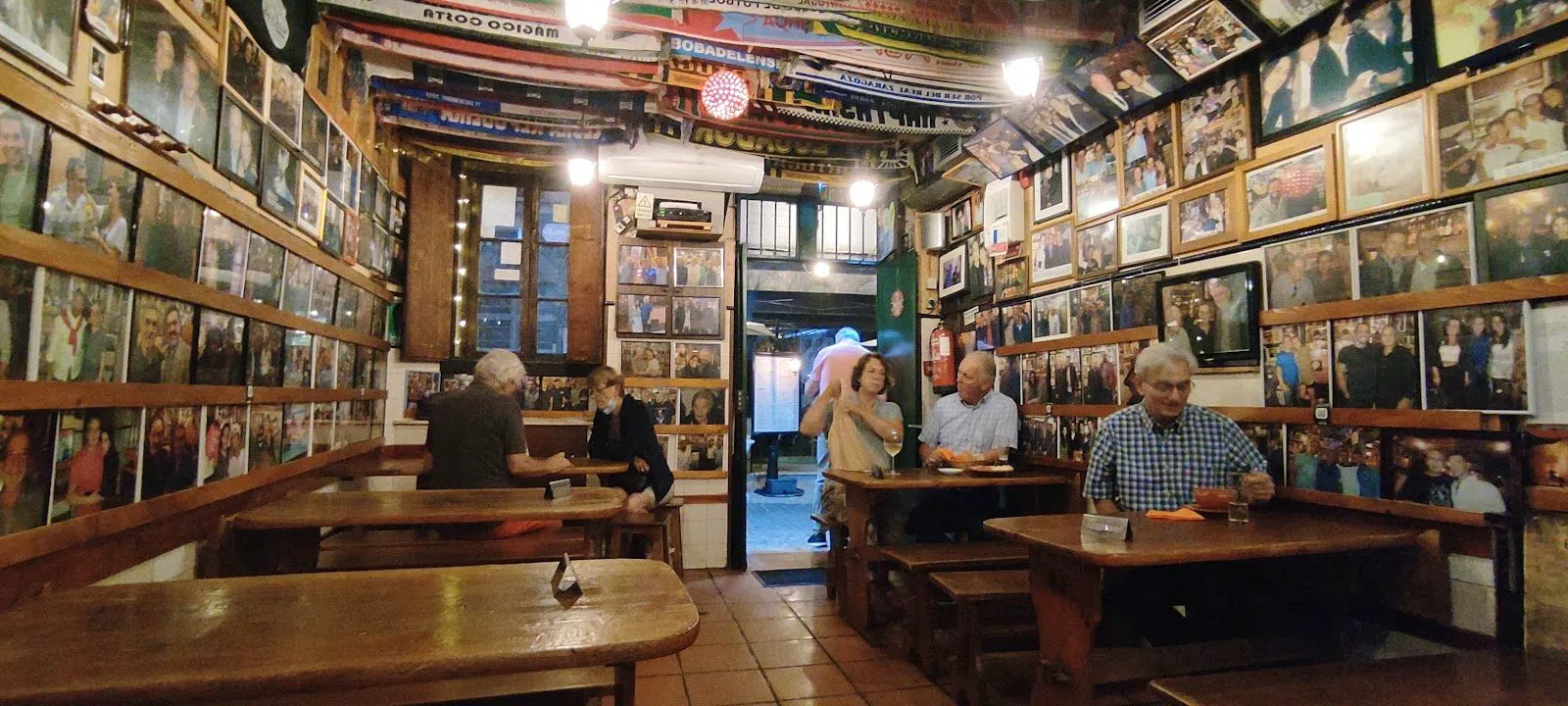
Und dann die Ausnahme zu allem Grandiosen in diesem Viertel: A Tasca do Chico (Bairro Alto). Seit 1993 veranstaltet diese schäbige kleine Taverne Fado-Vadio-Abende, bei denen jeder – ein vorbeikommender Star oder ein nervöser Amateur – aufstehen und singen könnte. Es ist winzig und streng nach dem Prinzip „Wer zuerst kommt, mahlt zuerst“, nur Bargeld, mit einem Mindestverzehr von etwa 10 € und ohne Eintrittsgebühr; Getränke und kleine Gerichte halten es fest im Budgetbereich. Gehen Sie zu zweit oder zu dritt, kommen Sie vor 19:00 Uhr, um überhaupt eine Chance auf einen Platz zu haben, und akzeptieren Sie, dass eine richtige Gruppe hier einfach nicht sitzen kann. Es ist die am wenigsten produzierte, spontanste Fado-Erfahrung in diesem Guide, und für viele Reisende ist es der Abend, an den sie sich erinnern.
Abseits der Massen: Lapa und die essensorientierten Räume
Wenn Ihnen das Gedränge in Alfama und Bairro Alto nicht zusagt, liegen zwei Räume bewusst abseits.
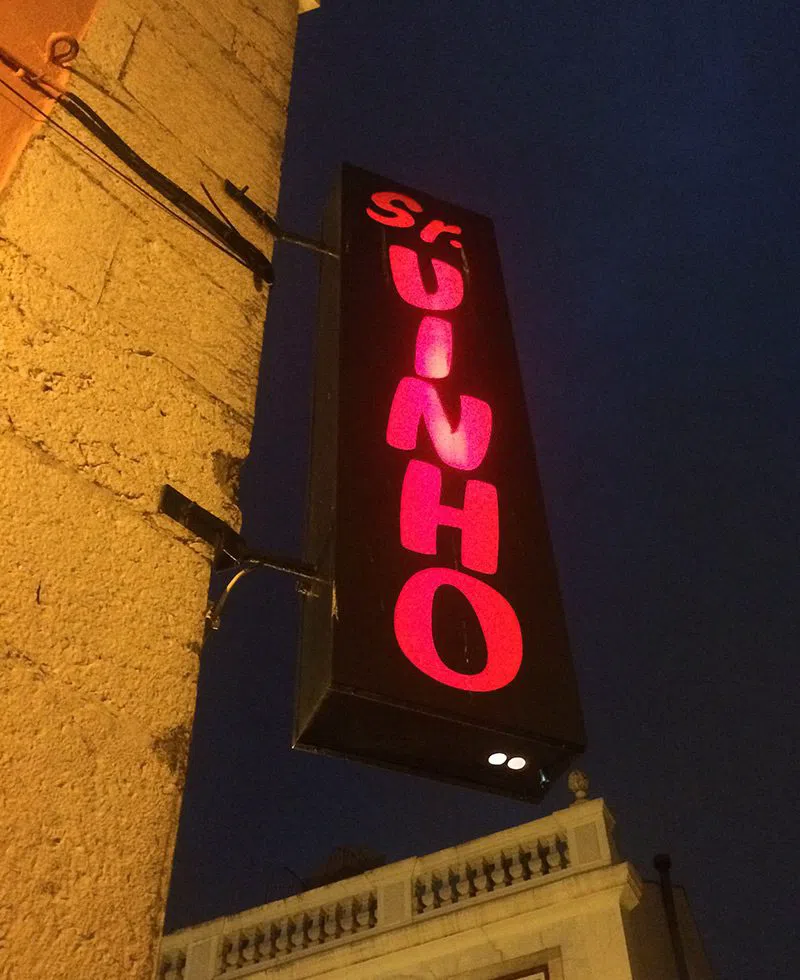
Sr. Vinho (Lapa) – Senhor Vinho – öffnete 1975, gegründet von der legendären Fadista Maria da Fé, und es bleibt der Raum für Kenner: erstklassige Sänger, eine gedämpfte, vornehme Atmosphäre und keine der Reisebus-Energie der beiden Hauptviertel. Es liegt in Lapa, einem hügeligen Wohnviertel westlich des Zentrums, am besten mit dem Taxi erreichbar, und kostet 55–80 € pro Person. Gruppen sind per Reservierung bequem unterzubringen, aber die Stimmung hier ist ernsthaftes Zuhören statt eines rauschenden Abends – wählen Sie es, wenn der Gesang der Grund für Ihr Kommen ist.
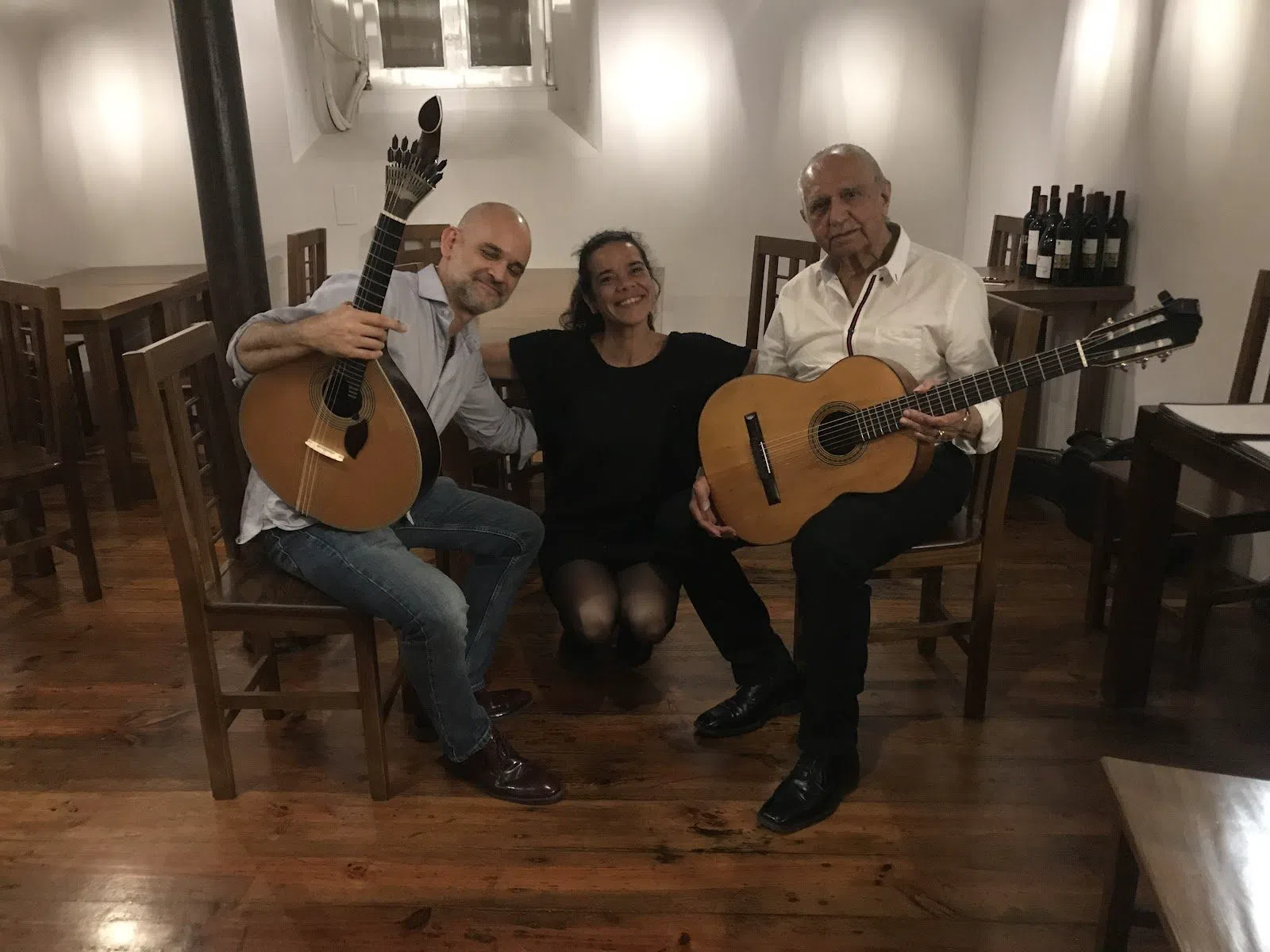
Für einen sanfteren, essensorientierten Abend ist O Corrido — Casa de Fado die entspannte, geräumigere Alternative zu den engen Tascas. Es ist unaufgeregter und auf solide traditionelle portugiesische Küche mit entspanntem Fado zwischen den Gängen ausgerichtet, bei 35–55 € pro Person, und es nimmt kleine bis mittlere Gruppen per Reservierung auf. Wenn Sie die Musik ohne eine formelle, teure Produktion möchten – und ohne einen Tisch, an dem Sie die Ellbogen nicht bewegen können – ist dies die bequeme Wahl.
Den Raum lesen: Etikette und ehrliche Erwartungen
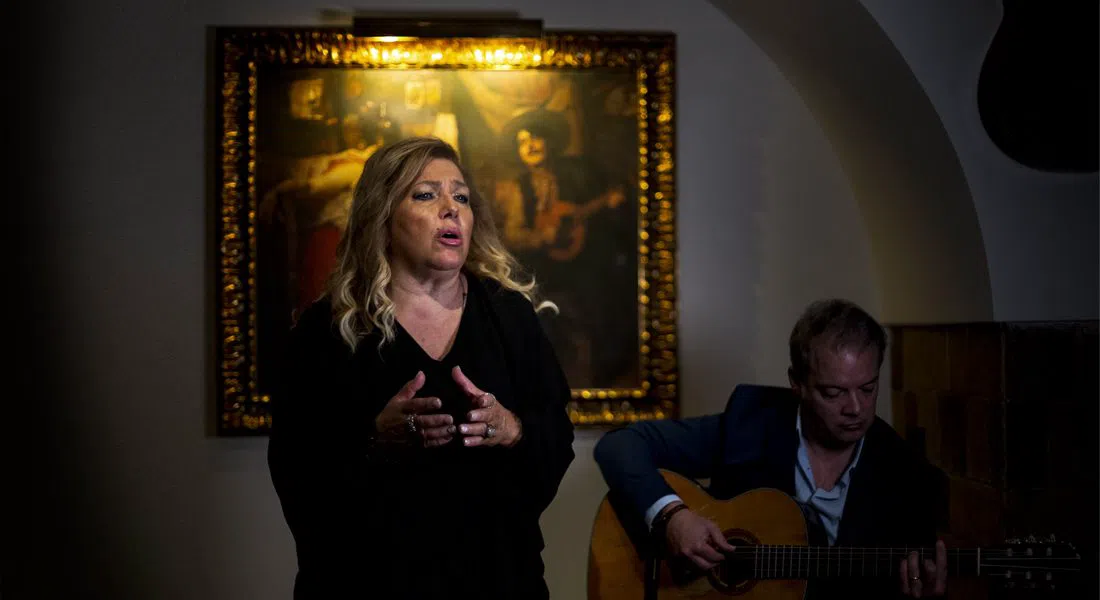
Eine Regel gilt vor allen anderen: Wenn der Sänger beginnt, wird der Raum still. Gespräche stoppen, Besteck wird abgelegt, keine Fotos mit Blitz. In den winzigen Häusern wird dies durch Nähe und den guten Willen aller durchgesetzt; in den großen Kellern wird ein Maître d' einen gesprächigen Tisch ohne viel Geduld zur Ruhe bringen. Respektieren Sie es, und der Abend öffnet sich.
Seien Sie ehrlich zu sich selbst, was Sie buchen. Die Palast- und Kellerhäuser garantieren Ihnen professionelle Künstler, ein komplettes Dinner und eine Show, die nach einem Zeitplan läuft – poliert, zuverlässig und entsprechend bepreist. Die Vadio-Kneipen bieten Unberechenbarkeit: Der Gesang kann transzendent oder nur aufrichtig sein, das Essen ist einfacher, und Sie warten eventuell auf einen Tisch, den Sie nicht reservieren können. Keines ist besser; es sind verschiedene Abende. Ein Erstbesucher, der Sicherheit möchte, sollte eher zu Clube de Fado, Adega Machado oder Casa de Linhares tendieren. Ein wiederkehrender Reisender, der die rohe Version sucht, sollte spät zur Mesa de Frades oder frühe zu A Tasca do Chico gehen.
Die meisten Dinner-Shows dauern lange – es ist normal, um 20:00 oder 20:30 anzukommen und gegen Mitternacht zu gehen, und die besten späten Sets in den kleinen Räumen finden statt, nachdem die meisten Touristen nach Hause gegangen sind. Wenn Sie eine größere Reiseroute um diese Abende herum planen, finden Sie im vollständigen Lissabon-Reiseführer Informationen, wo man in den Tagesstunden zwischen den Shows essen und was man besichtigen kann.
Praktische Hinweise
Buchung. Reservieren Sie alles mit Tisch und Show, idealerweise mehrere Tage im Voraus im Sommer 2026 – Casa de Linhares, die kleinen Alfama-Räume und A Baiuca sind besonders schnell ausgebucht. Nur die Tascas ohne Reservierung (A Tasca do Chico) können nicht gebucht werden, und dort bekommt man einen Platz, indem man früh kommt, nicht durch Planung.
Bargeld. Führen Sie Euro mit sich. Die Vadio-Kneipen – A Tasca do Chico, A Baiuca – sind bargeldaffin oder bargeldlos, und A Tasca do Chico arbeitet mit einem Mindestverzehr von etwa 10 € statt einer Speisekarte. Die größeren Häuser akzeptieren Karten.
Anreise. Alfama und Bairro Alto sind beide steil; die Anstiege sind real, und beide am selben Abend zu Fuß zu bewältigen ist eine Menge Hügel. Nehmen Sie den Elevador da Glória hoch zum Bairro Alto, oder nehmen Sie Taxis und Fahrdienste – sie sind international gesehen günstig und schonen Ihre Beine für die späten Stehkonzerte. Lapa (für Sr. Vinho) liegt weit genug westlich, dass ein Taxi die sinnvolle Option ist.
Zeitplan. Die Küchen öffnen etwa um 19:30, Fado beginnt gegen 20:30, und die intimen Räume werden spät lebendig – eher ab Mitternacht und danach. Mehrere Alfama- und Kellerhäuser haben sonntags geschlossen (Casa de Linhares und Mesa de Frades sind montags–samstags geöffnet), also überprüfen Sie den Tag, bevor Sie Ihr Herz an eines hängen.
Budget. Ein kompletter Abend mit Dinner und Show kostet 40–80 € pro Person je nach Haus. Um echten Fado für viel weniger zu hören, gehen Sie den Vadio-Weg: ein paar Euro für Wein und Petiscos in A Tasca do Chico, früh gekommen und Bargeld in der Hand, kauft Ihnen eine Nacht, die die großen Weinkeller nicht verkaufen können.
Vor der Reise
Muss ich Fado-Häuser in Lissabon buchen?
Für jedes Lokal mit Dinner und Show: Ja, reservieren Sie mehrere Tage im Voraus im Sommer 2026, besonders für kleine Alfama-Räume wie Mesa de Frades und A Baiuca sowie für Casa de Linhares. Die einzigen Orte, die Sie nicht buchen können, sind Kneipen ohne Reservierung wie A Tasca do Chico, wo Sie einen Platz bekommen, indem Sie vor 19:00 Uhr erscheinen.
Was kostet ein Fado-Dinner in Lissabon?
Ein Abend mit Dinner und Show in einem etablierten Haus kostet etwa 40–80 € pro Person, je nach Lokal, wobei die Palast- und Kennerlokale (Casa de Linhares, Sr. Vinho) am oberen Ende liegen. Fado kann man für viel weniger in einer Vadio-Kneipe wie A Tasca do Chico hören, wo es keine Eintrittsgebühr gibt und ein Mindestverzehr von etwa 10 € gilt.
Kann ich in Lissabon Fado hören, ohne für ein Abendessen zu bezahlen?
Ja. Gehen Sie in die Vadio-Kneipen (Amateur) – A Tasca do Chico im Bairro Alto funktioniert mit einem kleinen Mindestverzehr an Getränken und Petiscos anstelle eines festen Menüs. Bringen Sie Bargeld mit, kommen Sie früh und gehen Sie zu zweit oder zu dritt; diese Räume sind winzig und können keine Gruppen unterbringen.
Welches Fado-Haus in Lissabon eignet sich am besten für eine große Gruppe?
Café Luso und Adega Machado im Bairro Alto sind darauf ausgelegt, größere Gruppen und Veranstaltungen mit Reservierung aufzunehmen, ebenso wie Clube de Fado in Alfama. Vermeiden Sie die intimen Räume – Mesa de Frades, A Baiuca und A Tasca do Chico bieten kaum ein paar Dutzend Sitzplätze und können keine Menschenmenge aufnehmen.
Wie ist die Etikette während einer Fado-Darbietung?
Wenn der Sänger beginnt, wird der Raum still: Hören Sie auf zu reden, legen Sie Ihr Besteck nieder und verwenden Sie kein Blitzlicht. Dies wird in den kleinen Räumen durch den guten Willen aller und in den großen Weinkellern durch das Personal durchgesetzt. Die Shows gehen spät, oft bis nach Mitternacht, und die besten intimen Sets finden statt, nachdem die Reisegruppen gegangen sind.