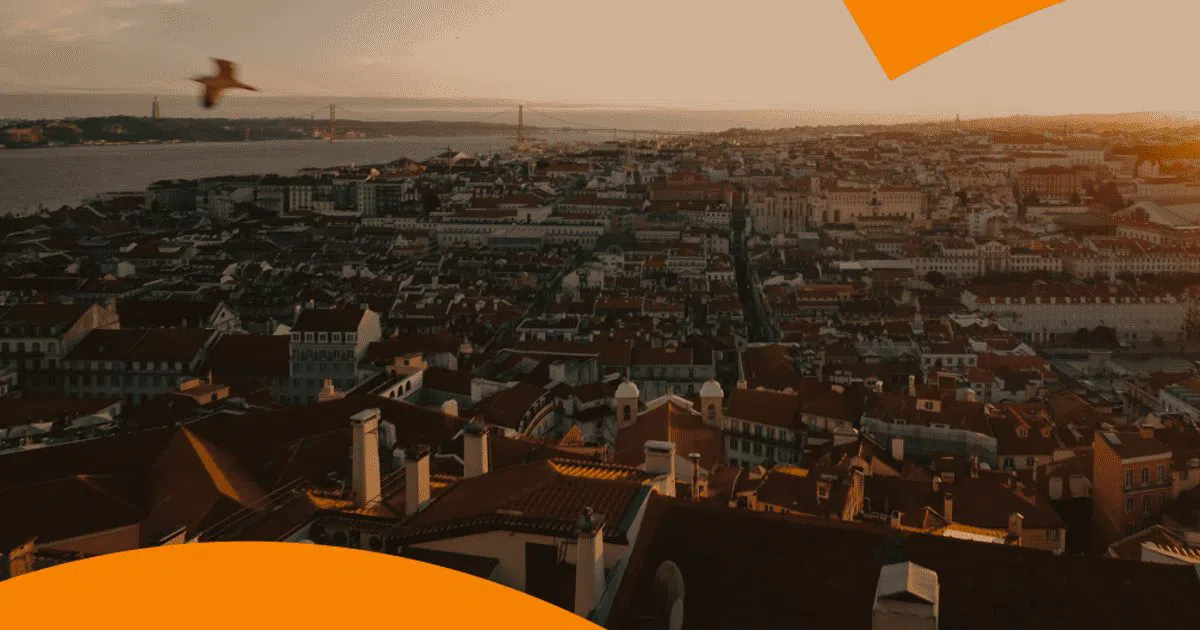

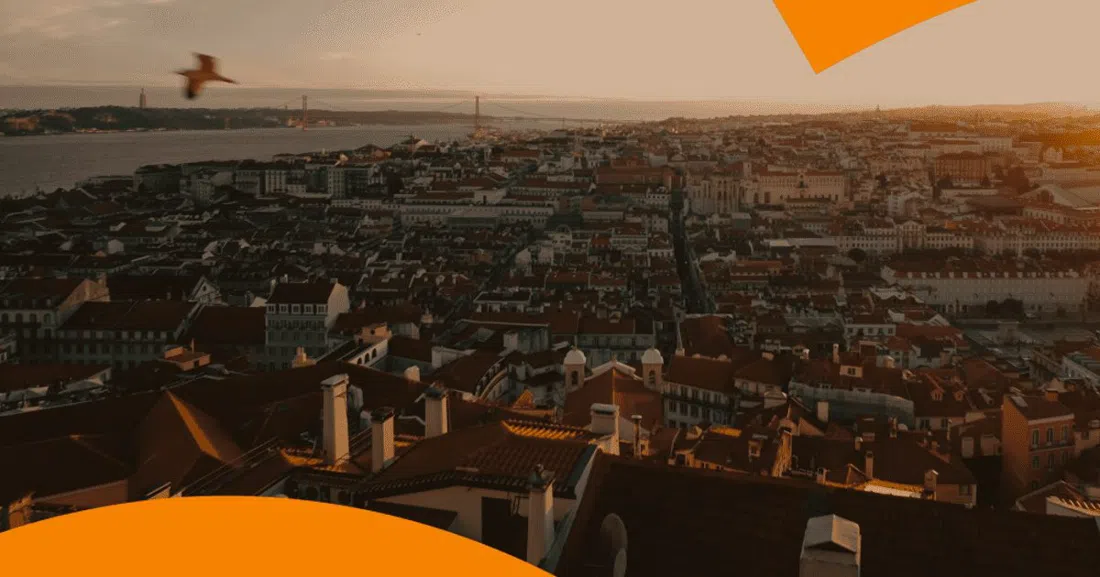
At roughly twenty to ten on the morning of 1 November 1755, three shocks in under ten minutes brought most of Lisbon down on a city that had gone to church for All Saints' Day. Fire burned for the better part of a week, and water came up the Tagus into the lower town. What you walk through in the Baixa today is not a repaired medieval quarter. It is a replacement, designed on paper within months, and once you know what to look for you can read the whole argument in an afternoon.
The morning that set the grid
Seismologists put the quake somewhere around magnitude 8.5, offshore in the Atlantic to the south-west. In Lisbon it arrived as a long roll followed by two harder shocks, and because it was a feast morning the churches were lit with candles and full of people. The fire that followed did more damage to the fabric than the shaking itself; the water finished the wharves and the shipping.
Within days the King's Secretary of State, Sebastião José de Carvalho e Melo (later titled Marquês de Pombal), had the chief engineer Manuel da Maia writing up the options: patch the old lanes, widen them a little, or clear what remained of the lower town and set out a new one from nothing. They took the third, and that decision is why Baixa's streets are straight, wide and all roughly the same width, broad enough that a collapsing façade could not bridge the street and trap people on the far side.
Behind the plaster there is a second idea, and it is the one worth carrying around with you. The gaiola pombalina is a three-dimensional timber lattice built into the masonry so a wall can flex instead of shatter, and prototypes were tested by having troops march around them to shake the frame. That is earthquake engineering, done in the 1750s, and it is still over your head while you shop on Rua Augusta.
Start in Belém, where the ground held
Quake — Lisbon Earthquake Centre (Belém, on the riverfront by the docks) gives the morning a physical shape before you go looking for its consequences. It runs in timed batches of no more than 19 people, around €24 for an adult, with child and family rates and separate enquiry forms for school and corporate visits, so larger groups are split across slots rather than squeezed into one. Two things matter before you book: under-6s are not admitted at all, and the simulator is closed to pregnant visitors and to some health conditions, so read the list before you build a family morning around it. Allow about 90 minutes.
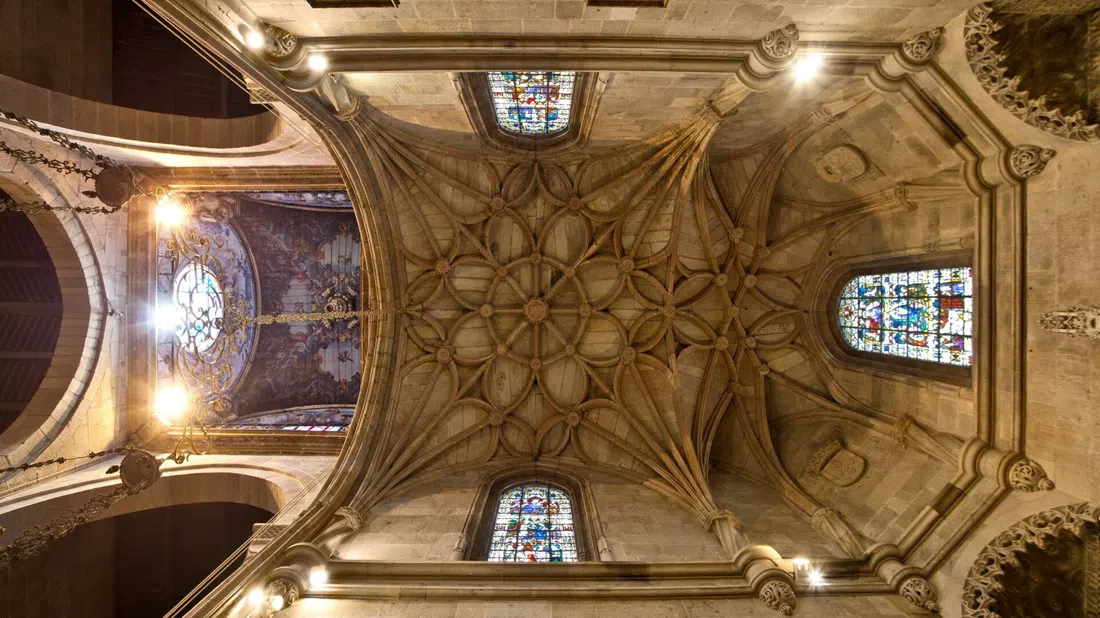
From there it is roughly a kilometre of flat riverside walking to Mosteiro dos Jerónimos (Belém), which is the other half of the lesson. It came through 1755 with damage to the high choir and the balustrade and little else, and at the time that made it the era's exhibit A in the argument about what builds well. The church is free; the cloisters are about €18 for an adult, €9 for ages 13 to 24 and over-65s, free under 12. It is a high-volume site with group and school bookings, so buy a timed ticket online and go early, and note that it shuts on Mondays. Tram 15E from Praça da Figueira or Cais do Sodré reaches Belém in about half an hour; it is crowded, and pickpocketing on that line is a genuine nuisance rather than a rumour.
The ruin nobody repaired
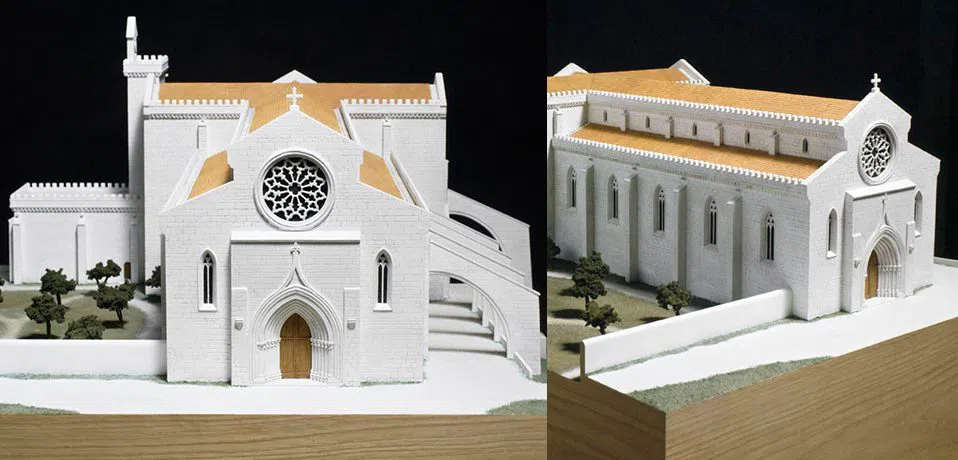
Back in town, climb to Museu Arqueológico do Carmo (Chiado), the roofless shell of the Convento do Carmo. The vaults came down on a packed All Saints' congregation and were deliberately never rebuilt, which makes the ruin itself the primary source: you stand in the nave and look at sky where the stone should be, with the archaeological collection in the surviving apse chapels. About €7. Reduced-mobility access is provided, and the Portuguese archaeologists' association handles booked group and school visits, so it absorbs a class without strain. It closes on Sundays, which trips up a lot of weekend itineraries.
Getting up there is the one real climb of the day. The Elevador de Santa Justa lifts you from Rua do Ouro to a walkway at Carmo level, but the queue at the bottom regularly runs 30 to 45 minutes in season and costs about as much as the museum. The free alternative is the Calçada do Duque, a stepped street rising from behind Rossio in a handful of flights, five to eight minutes at a steady pace, cobbles all the way. Either route gains you something like 30 metres of height. In July, do it before eleven.
Churches that tell you what survived and why
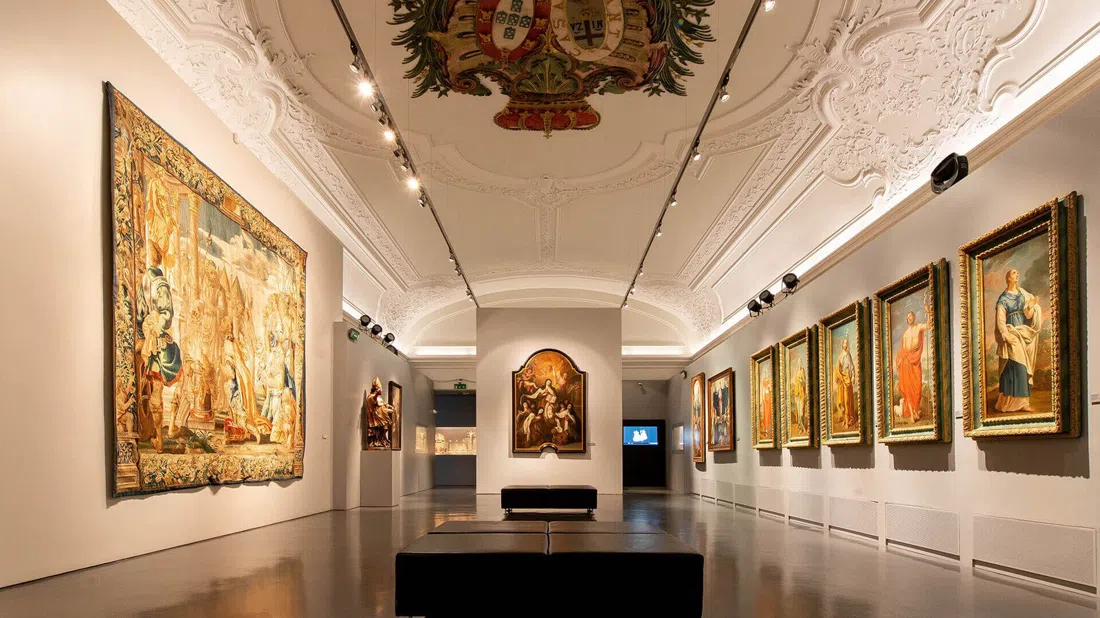
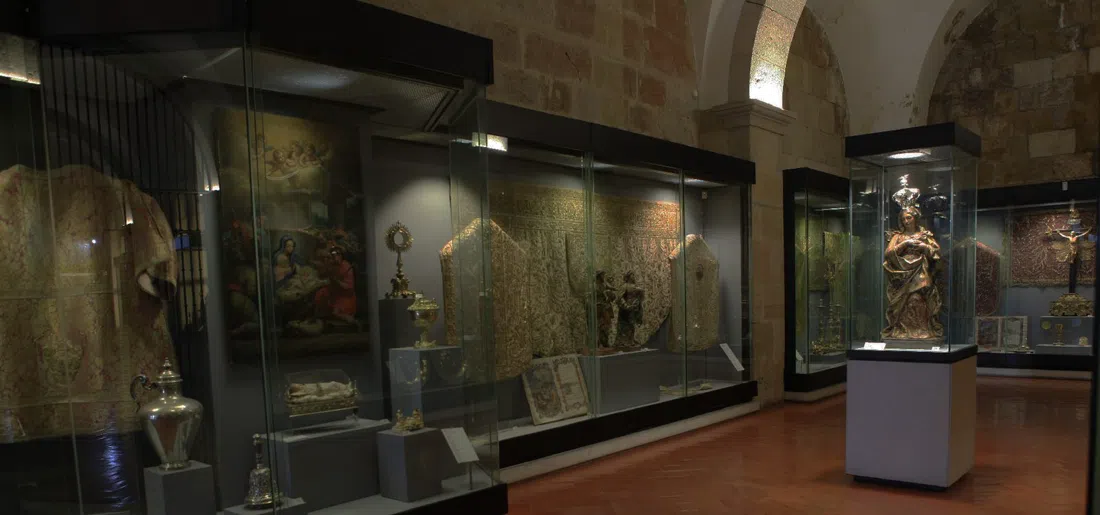
Igreja e Museu de São Roque (Largo Trindade Coelho, on the Bairro Alto edge, about 450 m north-west of the Carmo on fairly level ground) is the clearest before-and-after in the city. It survived because its nave is covered by a flat painted timber ceiling rather than a stone vault, with nothing heavy to fall. Stand under it, then think about the Carmo you have just left. The church is free; the museum is about €8, 40 per cent off with a Lisboa Card, and takes booked groups and school visits through Santa Casa da Misericórdia's cultural service. On Mondays the museum opens afternoons only.
At the foot of the hill, Igreja de São Domingos (Rossio, on Largo de São Domingos) is the most direct stop on the route and the easiest to enter: free, open through the day, no door policy, and large tour groups come and go constantly. It stood in 1755, then burned in 1959, and the scorched, split stone was left as it was. Keep your voice down if a service is running. If you have one hour in Lisbon and want one room that explains why this city keeps rebuilding rather than replacing, it is this one.

Under the new city
Núcleo Arqueológico da Rua dos Correeiros (Baixa, entrance on Rua dos Correeiros, one block west of Rua Augusta) is where you can stand underneath a Pombaline block and see how it was founded, on timber piles driven down into the rubble of the old city to make a raft in soft ground. The guided visit is free, the cap is twelve people, and booking is through the website only; larger parties must split and bring their own leaders. Book weeks ahead, and treat your request as provisional until they write back. The reply is the confirmation, not the form.
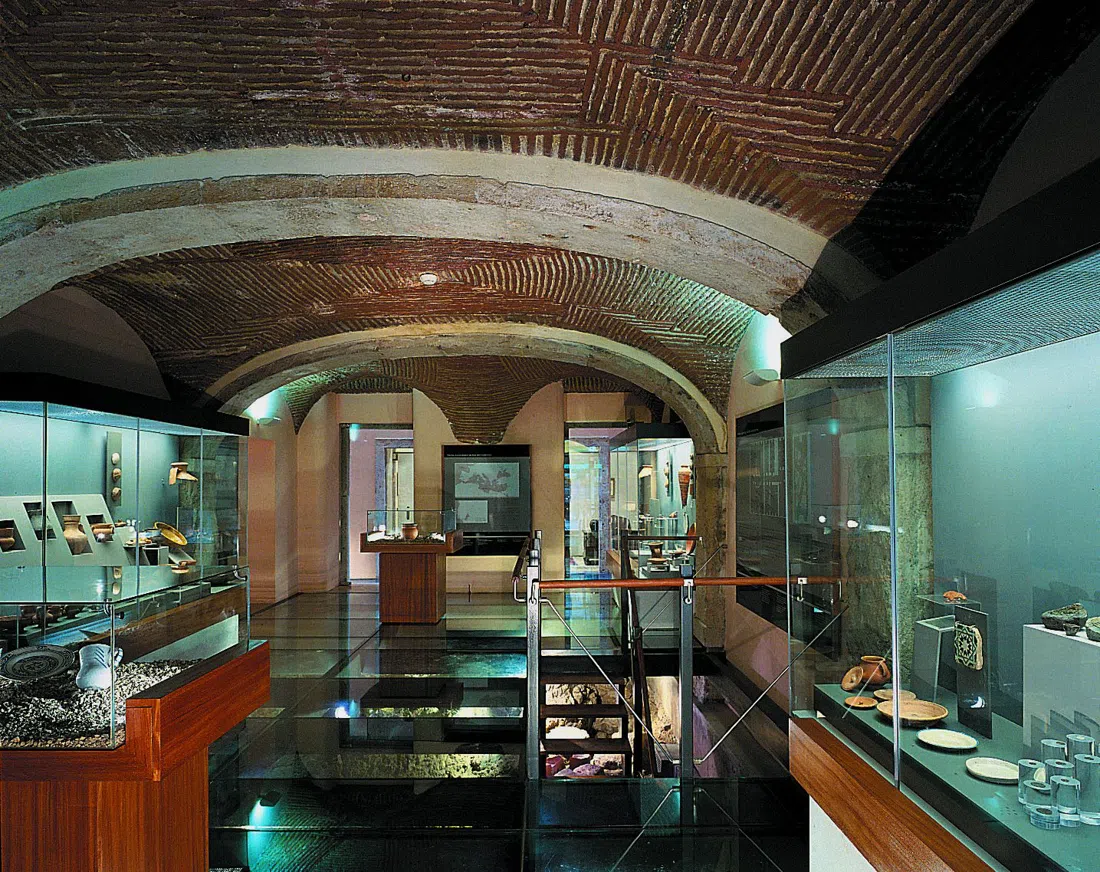
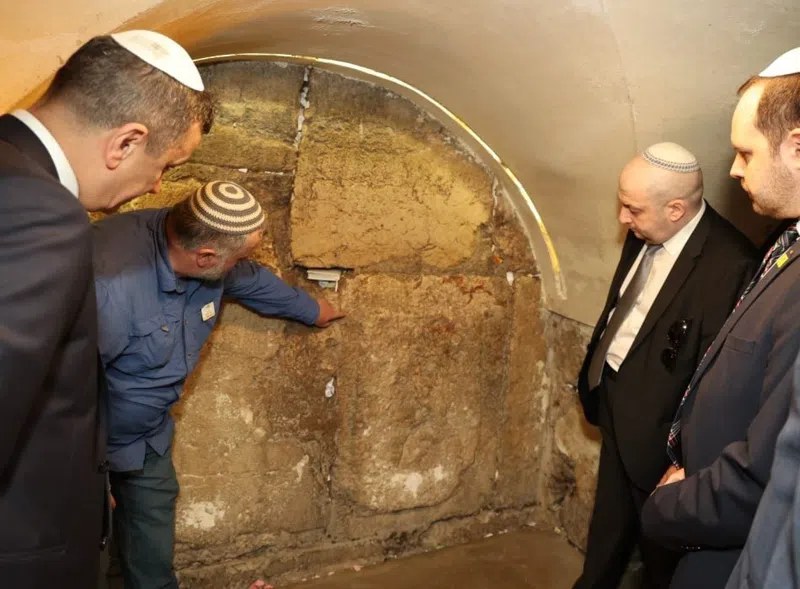
Two hundred metres west, on Largo de São Julião, Museu do Dinheiro (Baixa) occupies a Pombaline church shell, and in the basement you can put your hand on a stretch of the pre-earthquake city wall, the old line sitting under the new grid. Free, with guided and school-group visits bookable through the Banco de Portugal's education service. It closes Mondays and Tuesdays, which catches more people out than any other closure on this route.

Reading the grid from street level
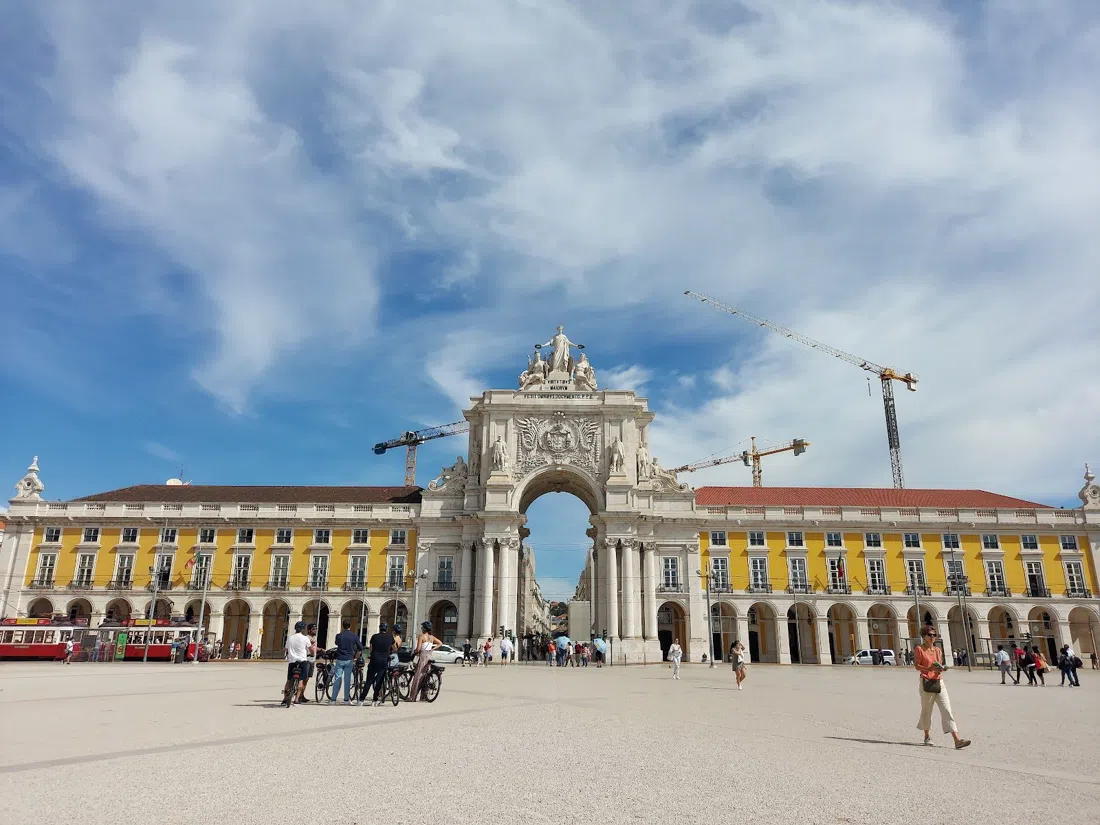
Arco da Rua Augusta (Praça do Comércio, Baixa) is the payoff. It costs €3.50, free with a Lisboa Card, and from the terrace the Pombaline plan stops being a neighbourhood and becomes a drawing: parallel streets running dead straight from the river to Rossio, cornice heights matched, and the hills of Chiado and Alfama pressing in on either side, untouched by the plan because they were never cleared. The terrace holds about 35 people, so groups go up in waves and there can be a wait; in high season book a slot online.
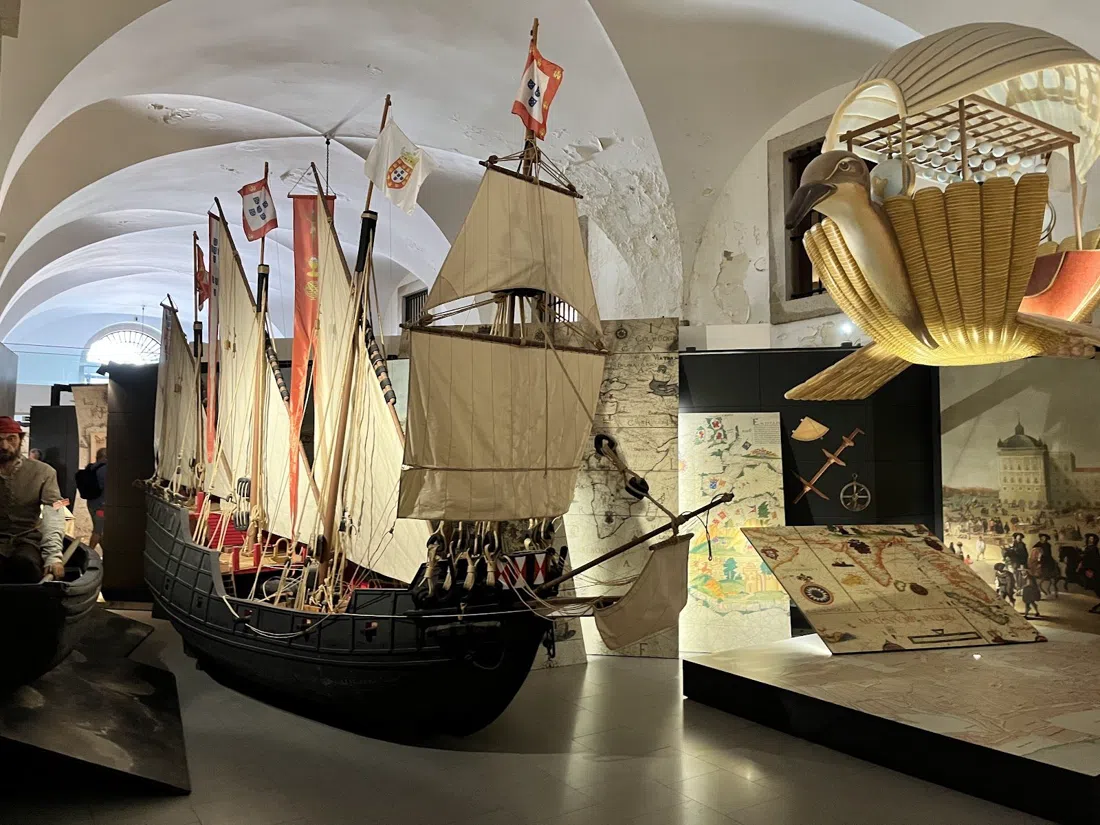
On the same square, Lisboa Story Centre (Praça do Comércio, east arcade) runs on audioguides, which means a coachload flows through without a guide bottleneck; group and educational bookings go through an online form. About €8. The production values are closer to a theme park than to scholarship. The reconstruction section is the strong part, and it explains the Baixa grid better than any plaque outside. Pair it with the Carmo ruins instead of treating it as the main event.
East along the river and up to the cathedral
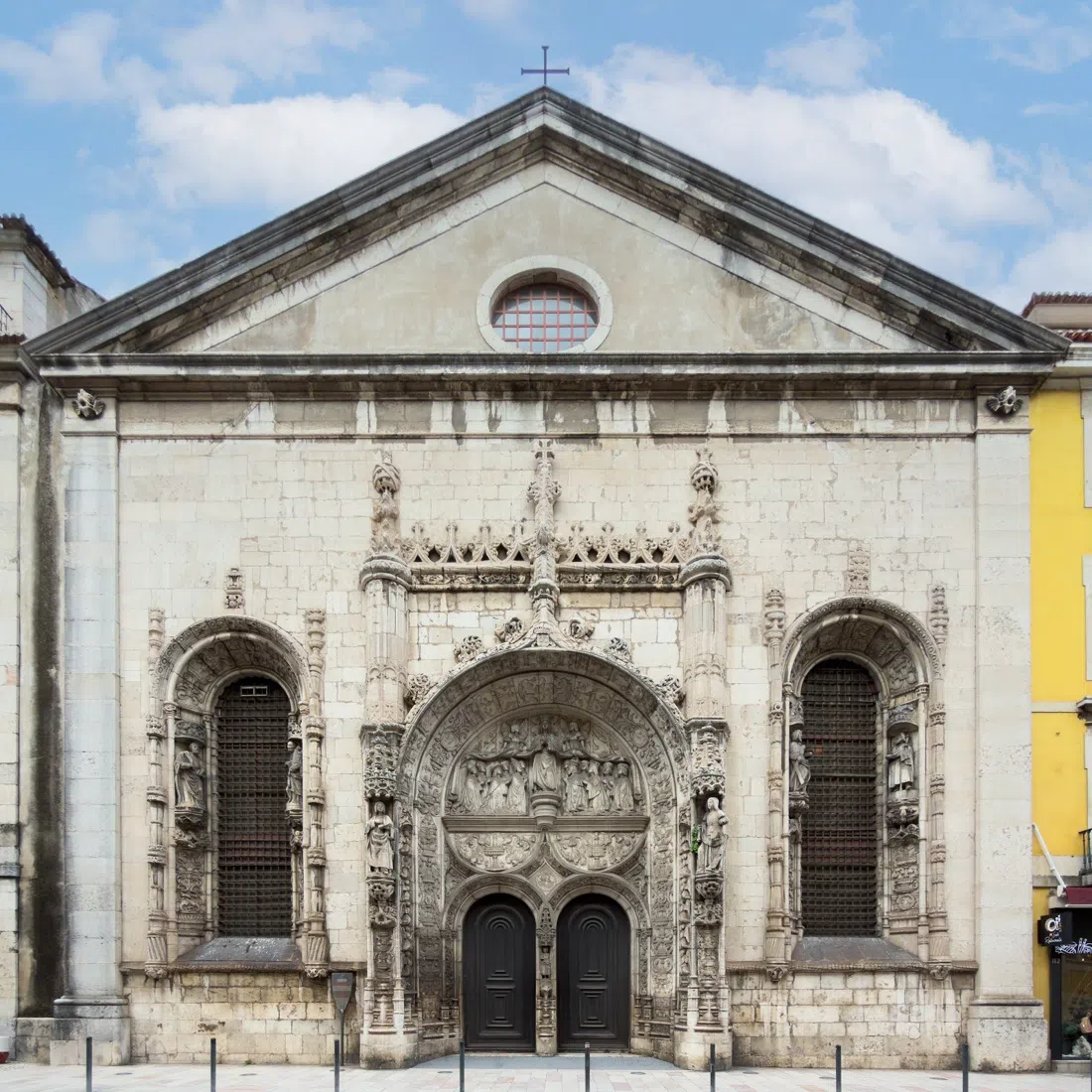
Igreja de Nossa Senhora da Conceição Velha (Rua da Alfândega, Baixa, 250 m east of Praça do Comércio) is salvage architecture, literally. Its Manueline portal is one of very few pre-earthquake carved façades left in the centre, reassembled here from the rubble of the destroyed Misericórdia church when this one was rebuilt in 1770. Free, and small: two or three of you fit comfortably, a party of twenty does not. It is an active Traditional Latin Mass church, so check the Mass times and come outside them.
Another 150 m east brings you to Casa dos Bicos — Fundação José Saramago (Campo das Cebolas, riverfront below Alfama), a survivor from before the quake whose diamond-pointed façade stood while the district around it went. Its upper storeys were missing for two centuries and only rebuilt in the 1980s, so the building narrates loss and reconstruction before you reach the Saramago rooms. About €3, with reductions on a Lisboa Card, booked visits through the foundation, and a compact interior that suits couples and small groups rather than tours.

From the riverfront it is about 300 m up to Sé de Lisboa (Alfama edge, at the top of Rua de Santo António da Sé), and this is a proper short climb, five to eight minutes on worn cobbles with no shade. Tram 28 takes the same line if your knees would rather it did. The cathedral was wrecked in 1755 and put back together across two centuries, which is why the building reads as a collage of styles. About €5 adult, €3 under-12, free under 6, and the ticket includes the high choir and the treasury. Linger in the excavated cloister, where Roman, Moorish and medieval layers stack under the floor and show how much of Lisbon has always been built on top of itself. Closed to visitors on Sundays and holy days.
The Lisbon that vanished, at eye level
Museu de Lisboa — Palácio Pimenta (Campo Grande, 15 minutes north on the green metro line) holds the model of pre-earthquake Lisbon, the dense, tangled, vertical city the morning erased, spread out at eye level so you can find streets that no longer exist. About €5, free or reduced with a Lisboa Card, and the room around the maquette is generous enough for a full group; the municipal education service takes booked school and adult visits. Closed Mondays. If you do one thing off the Baixa grid, do this one: it turns a set of monuments into a before and after.
Water kept running
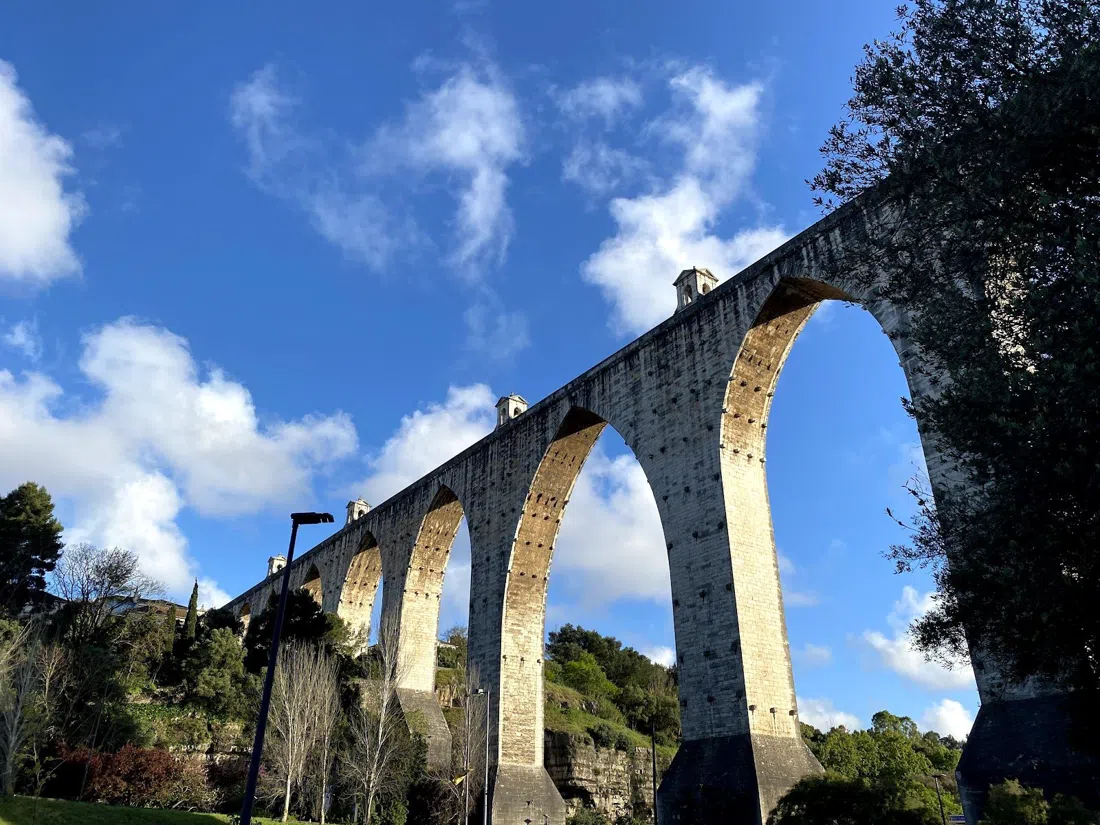
The Aqueduto das Águas Livres (Campolide, museum entrance at Calçada da Quintinha 6) is the counter-argument to the idea that everything fell. It was the great engineering project of pre-quake Lisbon, finished only a few years before, and it came through 1 November 1755 without a crack, then kept the ruined city in water while the rest was cleared. Self-guided entry is free, a guided visit is around €6, thematic visits around €18. The part to plan for is the walk along the top of the arches over the Alcântara valley, roughly 900 m of it and high enough that it is no place for anyone uneasy with heights. Guided crossings take up to about 30 people and are booked by phone or email (218 100 215 / [email protected]), and they run only from March to October, so do not build a winter itinerary around it. It sits about 2.5 km from the Baixa, so take a bus or the train to Campolide rather than walking uphill for 40 minutes.
The man who signed the plans
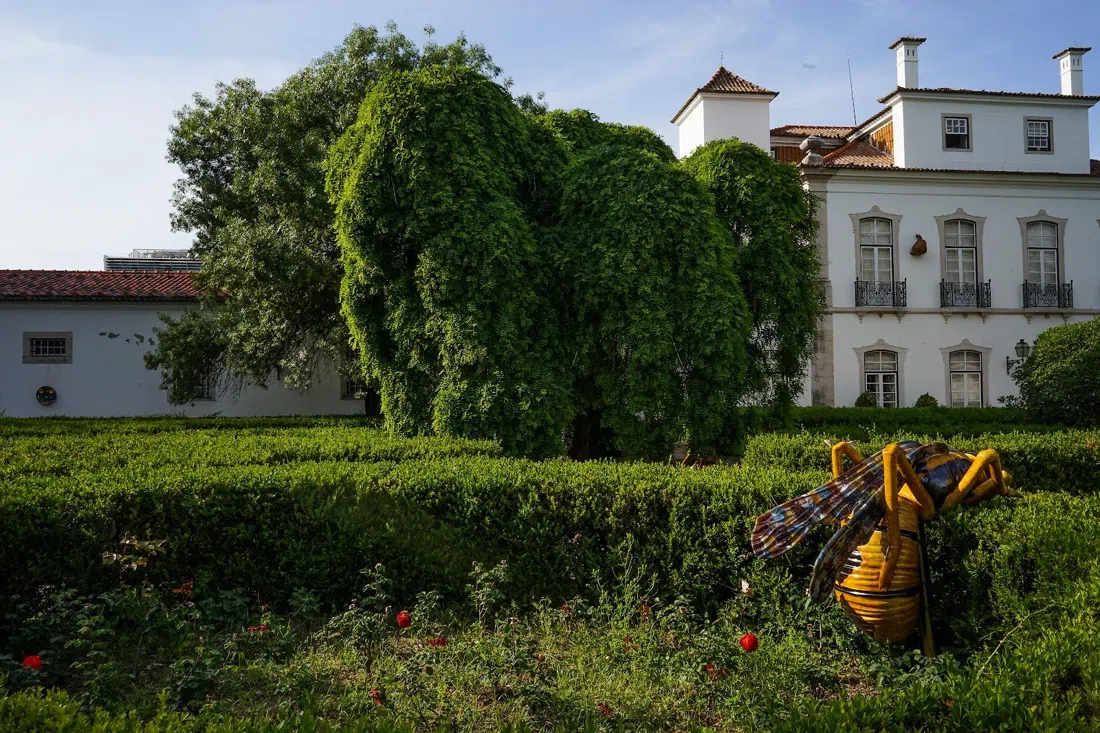
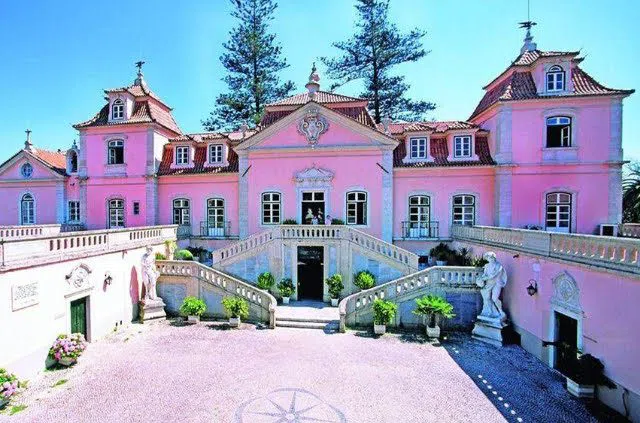
Palácio Marquês de Pombal, Oeiras is a short train ride down the coast from Cais do Sodré, on the estate of the man whose signature the new city carried. Visits to the palace interior are currently suspended. The gardens are free and open daily, and the reason to come is the booked programme: staged 18th-century garden visits at about €5 and guided garden visits at about €2, on set dates, with a minimum age on some of them. If you are travelling with a teenager who has just done Quake, the costumed version lands well. If you are short on days, leave it out; the argument holds without it.
If you would rather be walked through it
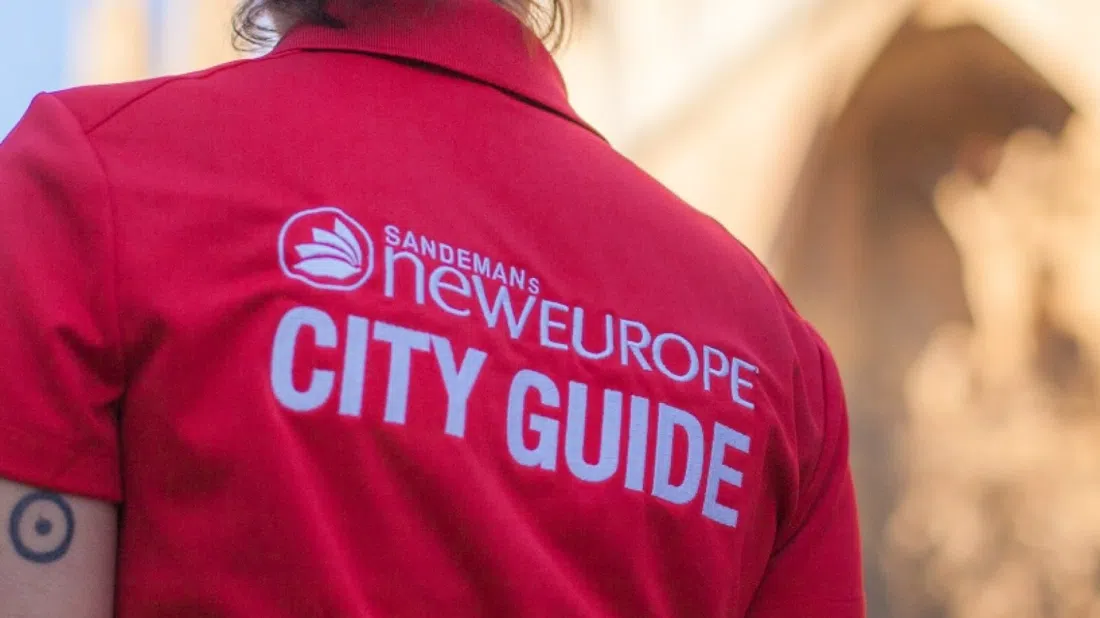
SANDEMANs NEW Lisbon Walking Tours run tips-based public departures daily in English and Spanish from Praça do Comércio, and the standard route works through the 1755 quake and the Baixa Pombalina as part of a broad city history. Private tours are bookable in 1.5, 2 and 3-hour formats, priced per group. Treat it as framing rather than the deep dive: it is general Lisbon history, not a specialist architecture walk, and it is built to absorb groups, which the small-capacity stops on this route are not.
Two routes that work
One day, flat, on foot: the Arco at opening for the overview, Rua dos Correeiros underneath for the foundations (booked well ahead), the Museu do Dinheiro for the old wall line, then east to Conceição Velha and Casa dos Bicos, and up to the Sé if the legs are willing. About 3 km of walking with one 30 m climb.
Two days: add Belém in the morning, Quake then Jerónimos, and in the afternoon climb to the Carmo and São Roque, finishing at São Domingos on the way down. Sunday breaks this badly, with the Carmo and the Sé both shut to visitors, and Monday breaks it differently, with Jerónimos, Palácio Pimenta and the Museu do Dinheiro all closed. Tuesday to Saturday is the safe window.
On where to sleep, Baixa puts you inside the subject and you wake up within the grid, but it is loud and priced accordingly; Chiado and Príncipe Real are quieter for a few extra minutes of walking. The Lisbon hotel search shows what is open on your dates, and the Lisbon guide covers the rest of the city.
Practical notes
Transport. A rechargeable Navegante card costs €0.50 and makes the metro, buses, trams and funiculars cheap; tickets bought onboard a tram cost several times the card fare. The metro reaches Campo Grande and the airport; Campolide and Oeiras are trains from Rossio and Cais do Sodré respectively. A Lisboa Card covers or discounts several stops here (the Arco, Palácio Pimenta, Casa dos Bicos, the São Roque museum) and includes transport, so it is worth the arithmetic if you are doing three or more in a day.
Cash. Cards work almost everywhere, contactless included. Carry €10 or €20 in coins and small notes for church collection boxes, the tip at the end of a tips-based walking tour (€10 to €15 a person if it was good), and the occasional small ticket desk.
Timing. Everything on this route is calmer before 11 a.m. Summer afternoons in the Baixa are hot with no shade, since the grid is wide and treeless by design. March and October give you the aqueduct crossing season at tolerable temperatures. If you want quiet, avoid 1 November itself; it is All Saints' Day and the anniversary, and the churches are busy with people who are not tourists.
Budget. The full circuit of paid stops (Quake €24, the Jerónimos cloisters €18, the Carmo €7, the São Roque museum €8, Lisboa Story Centre €8, the Sé €5, Palácio Pimenta €5, the Arco €3.50, Casa dos Bicos €3) comes to about €82 an adult across two days, before transport. Rua dos Correeiros, the Museu do Dinheiro, São Domingos, Conceição Velha and the aqueduct grounds are all free, so a genuinely good version of this walk costs the €0.50 transport card and your shoe leather.