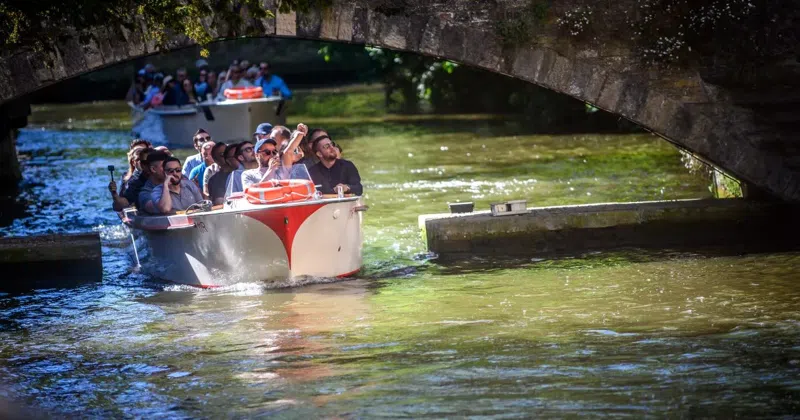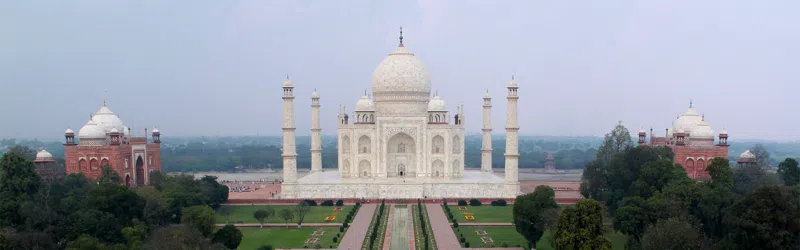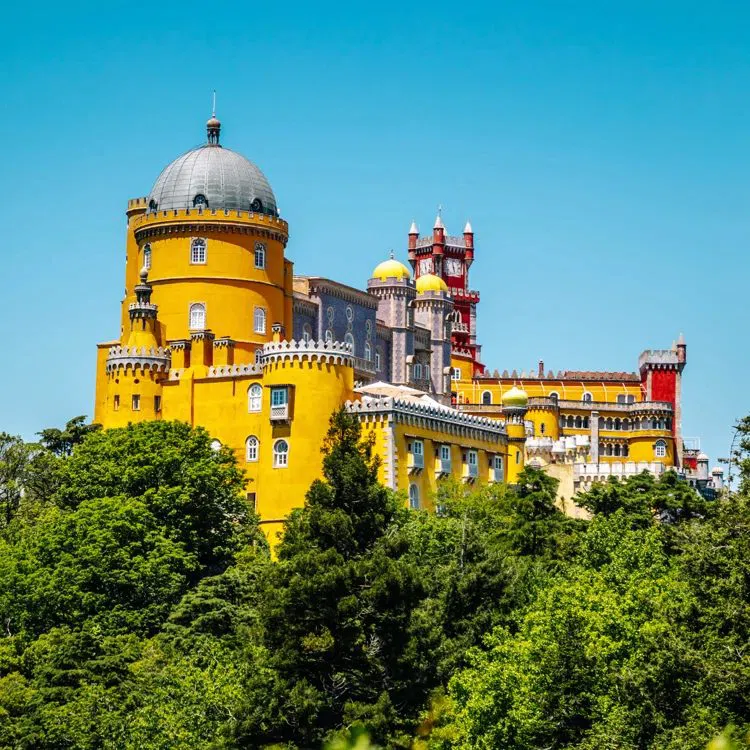

The train runs out of Rossio and into the hills in about forty minutes, and the first thing Sintra tells you is that everything you came for is above you. The town sits in a fold of the serra; the palaces sit on the ridge a few hundred metres higher, up roads that switchback through eucalyptus and, often, through cloud. A day here works or fails on how honestly you plan the climbing.
The shape of a Sintra day
Sintra is not a single site with a gate. It is four separate clusters, and the gaps between them are what eat the day. There is the historic centre, in the valley, where the train deposits you a fifteen-minute walk short of the palace square. There is the ridge above it, holding Pena and the Moorish Castle. There is the road running west out of town, past a hotel arch and a botanical park. And there is the far side of the serra, dropping to the Atlantic.
A realistic day is two paid monuments plus the town, or one monument plus the coast. Three monuments is possible if two of them are on the ridge and you start early. Anyone promising you five is selling a walking speed you do not have and a queue that does not exist. If you are building the wider trip around this, the Lisbon guide covers the city end of it.
The two on the ridge
Park and National Palace of Pena (the ridge directly above the historic centre) is the set piece every full-day itinerary is built around, and it is also the one most likely to go wrong. The interior runs on a mandatory 30-minute timed-entry slot and every person in your party needs their own, which is why coach groups arrive and then split into waves. The park itself has no such restriction.
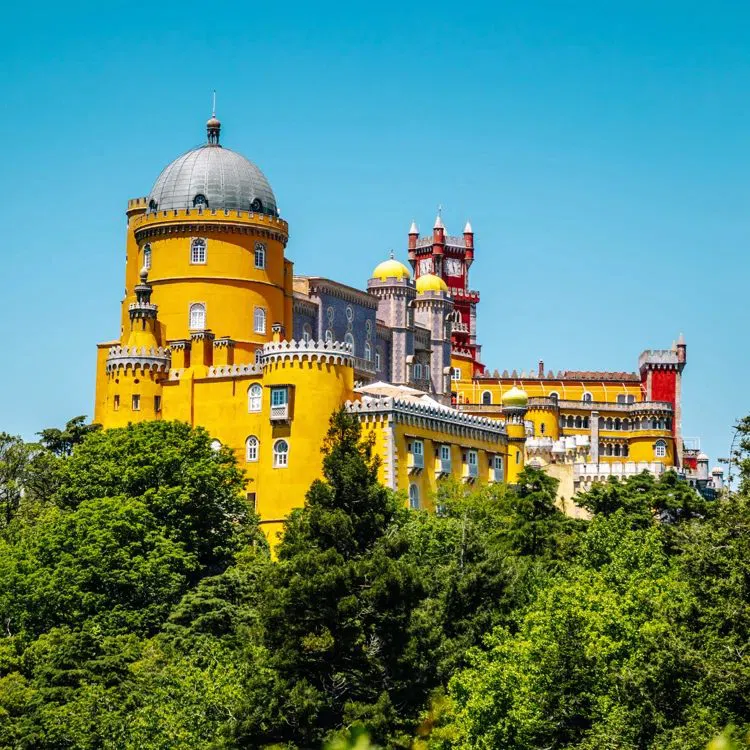
The printed time on your ticket is when you must already be standing at the interior door, and that door is roughly thirty minutes' walk uphill above the park gate. Treat the slot as a deadline with a climb attached, not an arrival time. Park and Palace is €20 for an adult, €18 for youth 6-17 and seniors, €65 for a family of two adults and two children; park only is €10. Cloister window-frame works run to October 2026, so expect some screening.
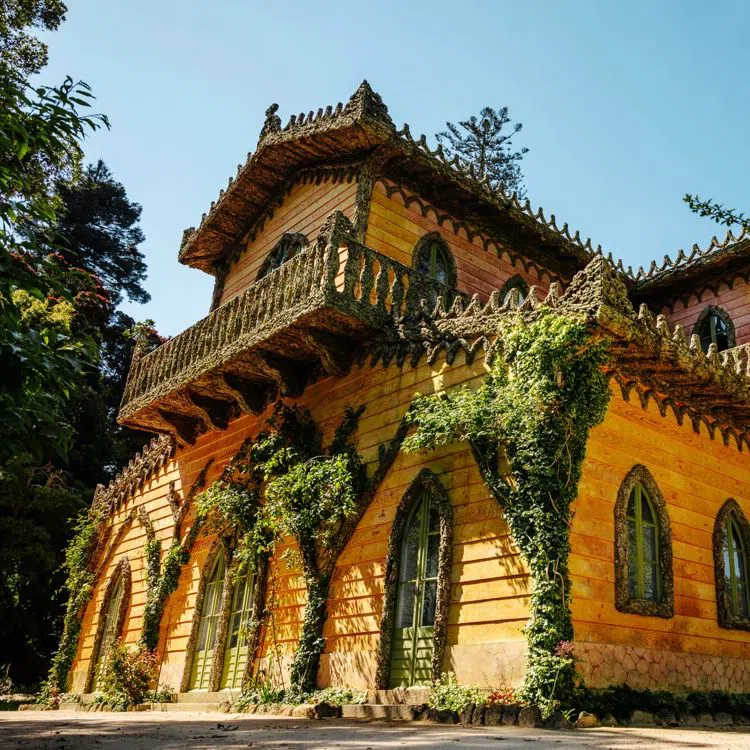
Chalet and Garden of the Countess of Edla (lower Pena Park, downhill from the palace) is included in the same park ticket and is the half of the park most day-trippers never walk to. It is the reason park-only at €10 is a real plan rather than a consolation prize when the interior slots are gone. The interior is small, so groups queue outside and go in batches; the garden absorbs the wait comfortably. Façade maintenance runs to October 2026, and the Fern Garden and greenhouses are still closed after storm damage.
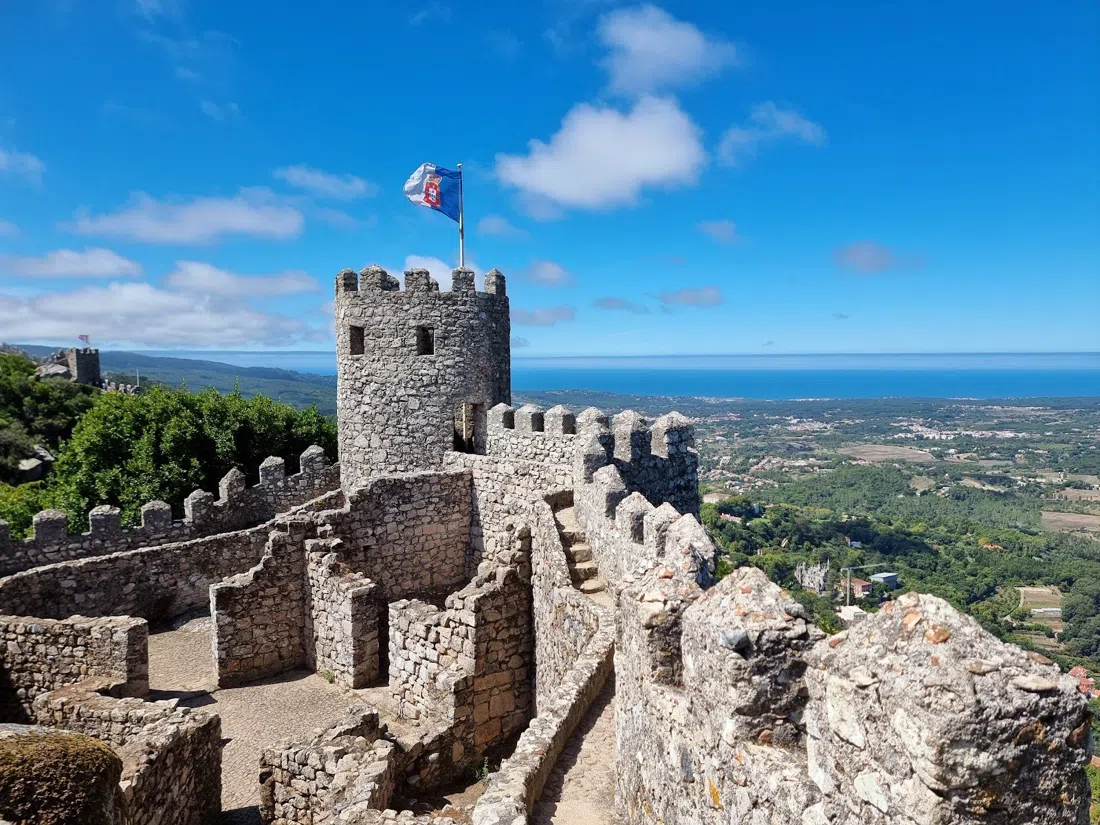
Castelo dos Mouros (the same ridge, between the town and Pena) is the cheaper ticket at €12 adult, €10 youth and senior, and it is the one place where the whole geography (coastline, valley, palace above) resolves in a single view. The ramparts walk goes single-file in places and the older steps have no handrails, which matters if you are walking with children or anyone unsure on stone. The Visitor Centre is being rebuilt through January 2027, so facilities at the entrance are reduced; use the town before you climb.
Vila Sassetti (the slope between the historic centre and the ridge) is the walkers' way up to either of them. It is free, there is no ticket desk, and it takes about 45 minutes over 1,850 metres of steady climb, moderate in grade, shaded, and entirely away from the road traffic. It is not a route for anyone with mobility limits, and a group moves at the pace of its slowest walker, so budget honestly rather than optimistically.
The well at Regaleira
Quinta da Regaleira (about ten minutes' walk west of the historic centre) is the most photographed thing in Sintra and the reason most itineraries block out a full ninety minutes. Entry is timed every 30 minutes with a one-hour grace period, which is forgiving by Sintra standards.
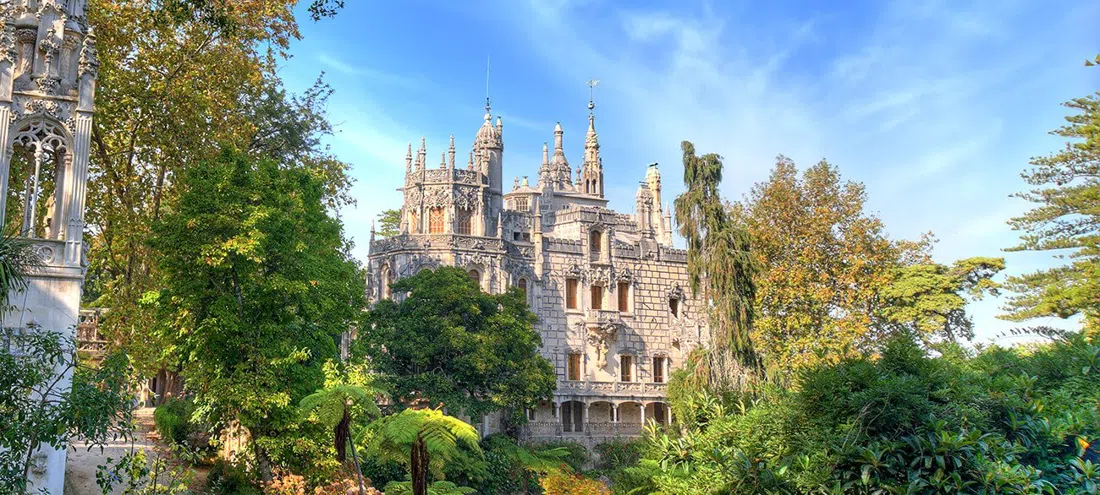
Go straight down to the initiation well on arrival and work the gardens afterwards. The spiral staircase is a one-way bottleneck, and once two large parties are on it nobody is moving. Tickets are €20 adult, €15 youth 6-17 and seniors over 65, under-5s free. Those are the prices in force since January 2026.
What the town centre still holds
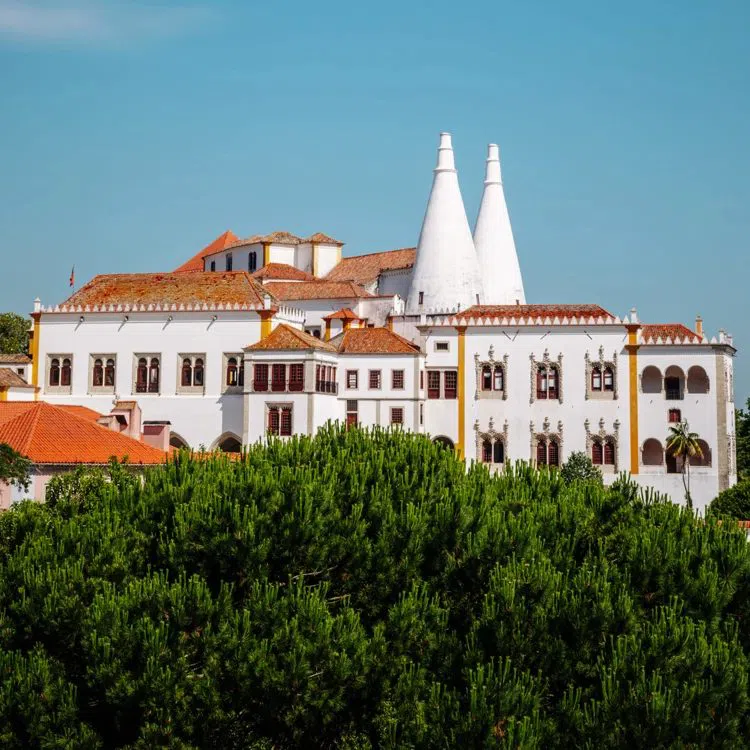
National Palace of Sintra (Centro Histórico, on the main square) is the one major monument that needs no transfer at all. You walk to it. There is no timed-entry system, so you simply go in, which makes it the sensible fallback when the ridge is sold out. The trade-off is inside: the rooms are narrow and circulation is one-way, so a party ahead of you sets your pace. It is €13 adult, €10 youth 6-17 and senior. The Royal Chapel is under full restoration until February 2028 and will not be visitable.
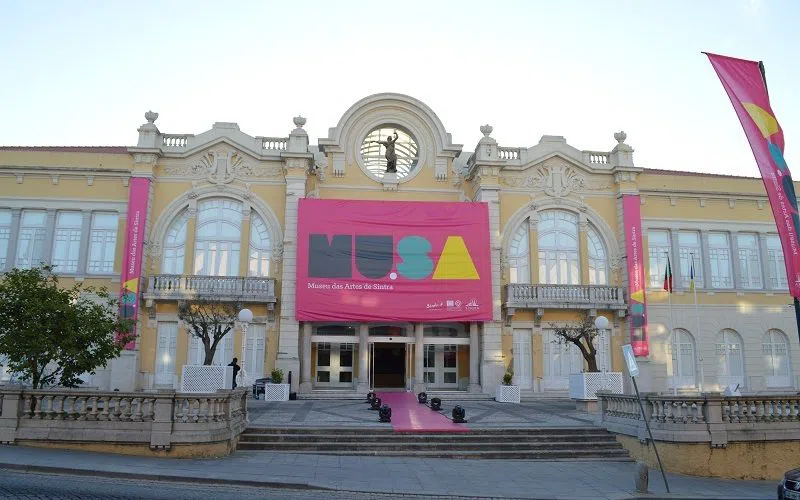
MU.SA — Museu das Artes de Sintra (Centro Histórico, on Volta do Duche) is the answer for anyone in the group who has had enough of palaces. Contemporary art across open-plan floors, never crowded, and €1 for an adult, free under 17 and over 66. Hours are 10:00-20:00 on weekdays and 14:00-20:00 at weekends from April to September, shortening to an 18:00 close from October to March.
The quieter side of the serra
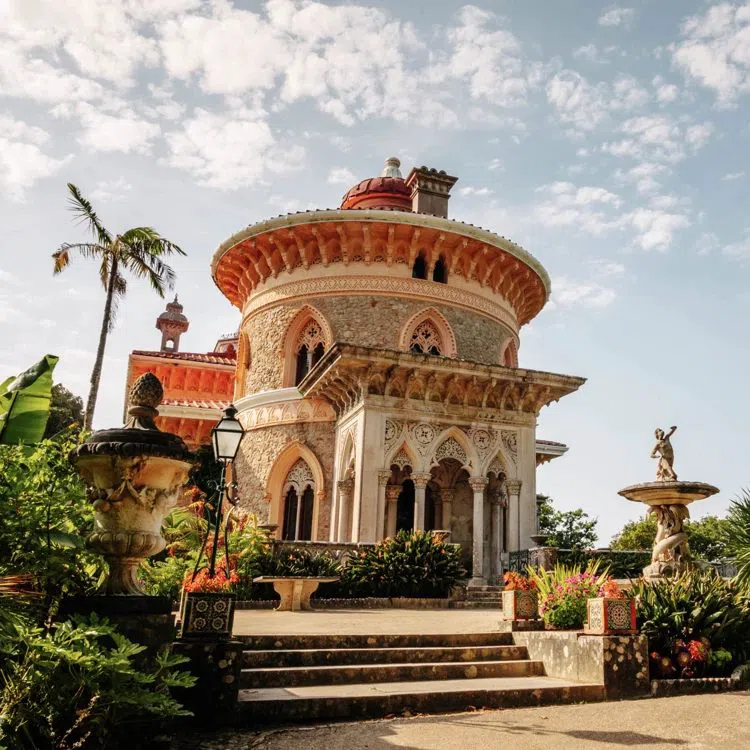
Park and Palace of Monserrate (a few kilometres west of the centre) is where to go when Pena is at capacity and you would rather walk than queue. Wide paths, generous lawns, far more space than anything on the ridge, and €12 adult, €10 youth and senior. Outdoor path lighting works run to December 2026 and the roof and Copa dos Frescos restoration to March 2027.
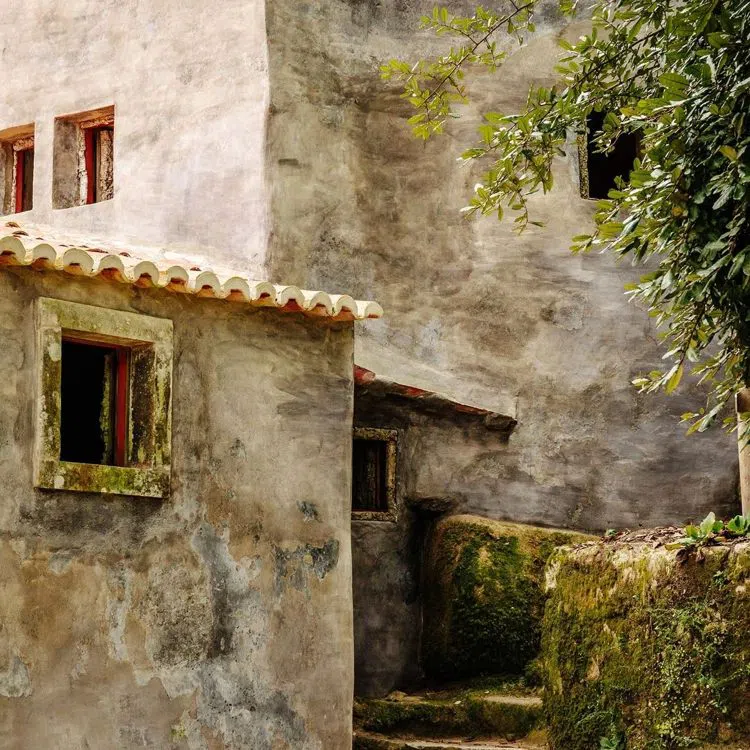
Convent of the Capuchos (the western serra, well off the town circuit) is a cork-lined hermitage and the quietest monument in the hills. It reopened in July 2025 once Storm Martinho's fallen trees were cleared from the access roads. Cells and corridors are single-person width, so in practice it takes small groups only and larger parties rotate through in shifts. It is €11 adult, €9 youth and senior. The Ecce Homo and Crucifixion hermitages and the old oven remain under restoration.
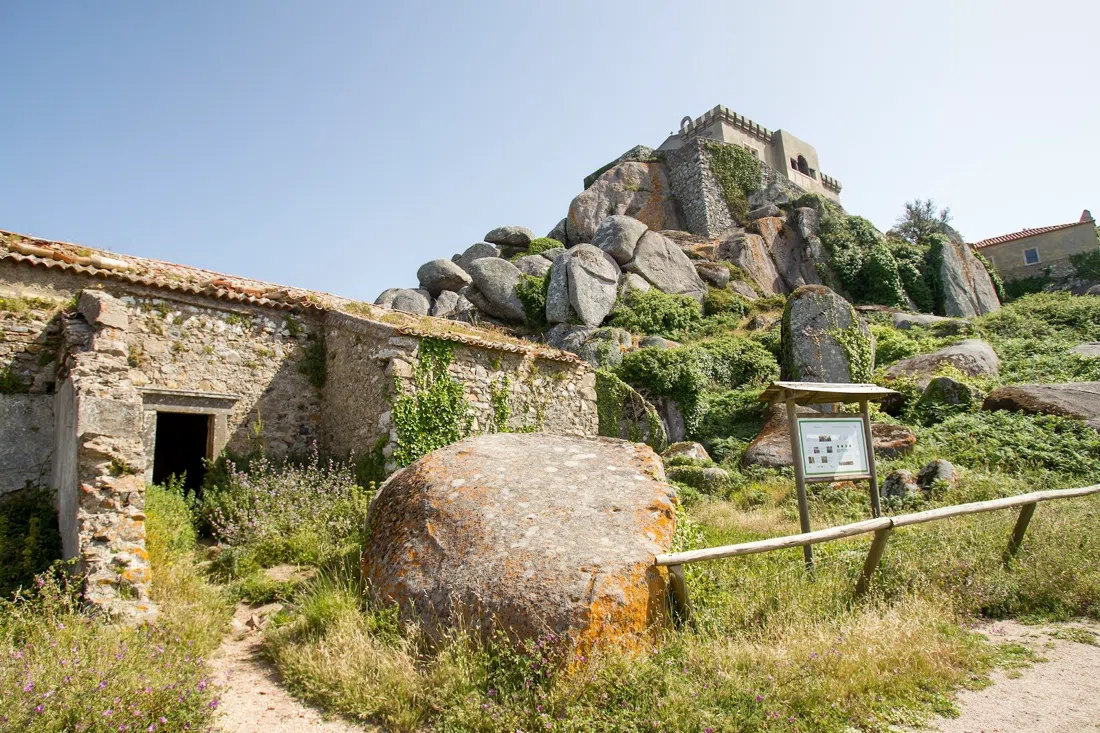
Santuário da Peninha (the high ridge above the coast road) is free, exterior and viewpoint unrestricted, chapel interior not reliably open. Locals rate the view from here above anything on the palace ridge, and almost no standard itinerary includes it, because there is no tourist bus and the final road is narrow and steep. If your operator runs minivans rather than coaches, ask for it by name; if you are driving, it is a straightforward detour.
Out to the Atlantic edge
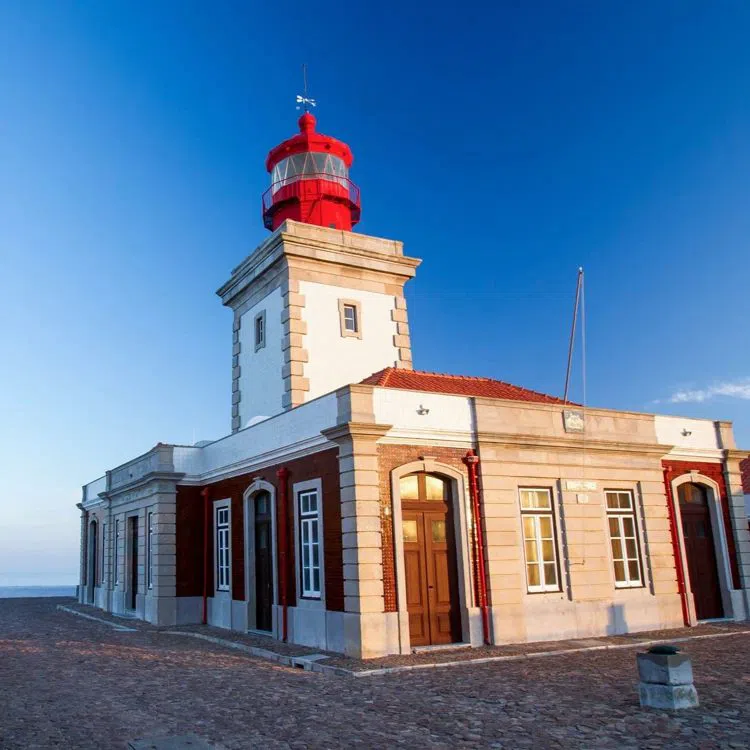
Cabo da Roca Lighthouse (the westernmost point of the mainland, half an hour from the town by road) was a ten-minute photo stop until 23 July 2026, when the interpretation centre opened to the public after a €1.6m requalification. It is now a half-hour visit with something to read and somewhere to sit. The Essential ticket is €5 and covers the interpretation area, courtyard and café; the panoramic ticket with the accompanied tower-balcony climb is €10 adult, €7.50 senior, €5 youth, with family tickets at €15 and €20. Hours are 09:30-17:30. The tower climb is capacity-limited and goes up in small batches, so the courtyard is where a coach party actually spends its time.
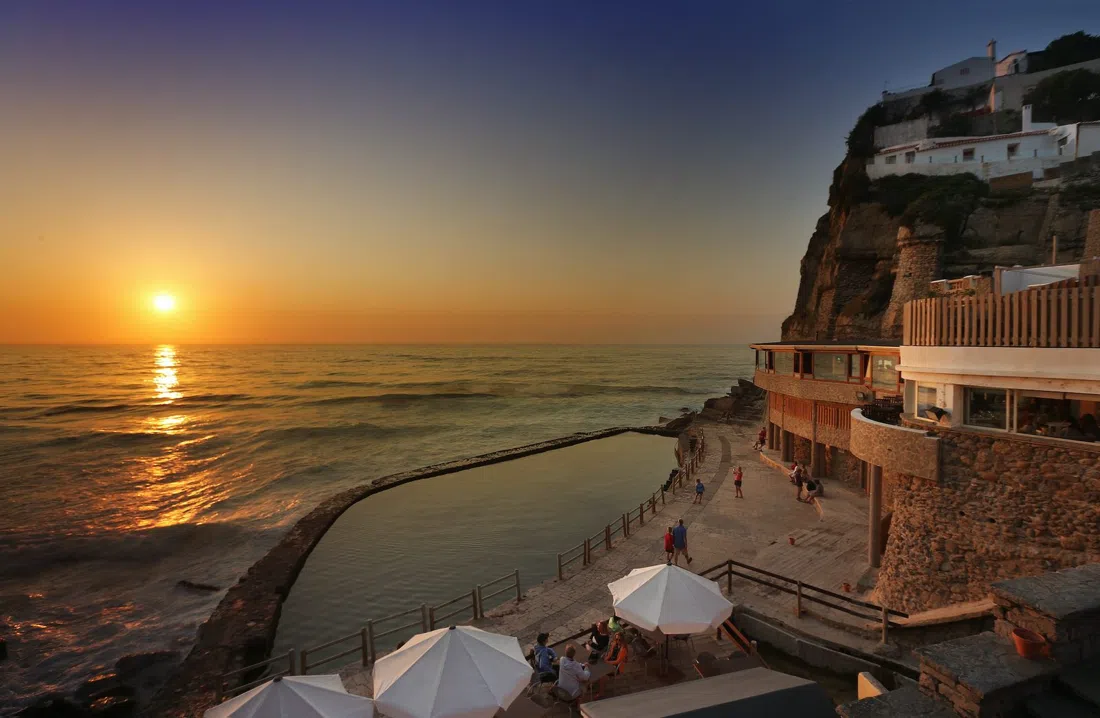
Restaurante Azenhas do Mar (clifftop, north along the coast from the cape) is the lunch that justifies driving up that coast rather than turning back inland. It is €€€ by regional standards, and the position is what you are paying for. It opens daily 12:00-22:30 and it takes groups only by advance reservation, because the terrace is finite and walk-ins are routinely turned away. Book by phone or email; do not assume a table.
Eating without losing an hour
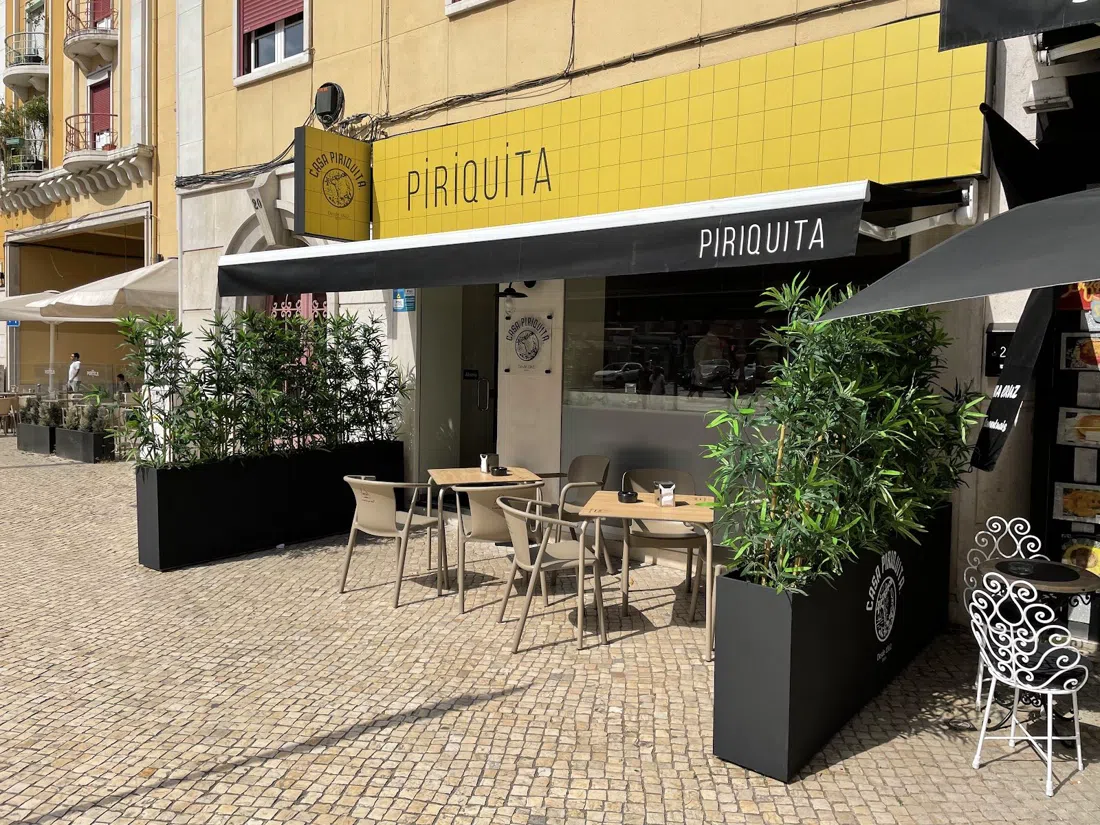
Casa Piriquita (Rua das Padarias, historic centre) is a fifth-generation family bakery and the source of the travesseiro, a recipe that has never left the family. Pastries run roughly €1.50-2, coffee a couple of euros. The seated rooms are tiny and fill instantly, so a group should buy to take away. There are two branches on the same street; use whichever line is shorter.
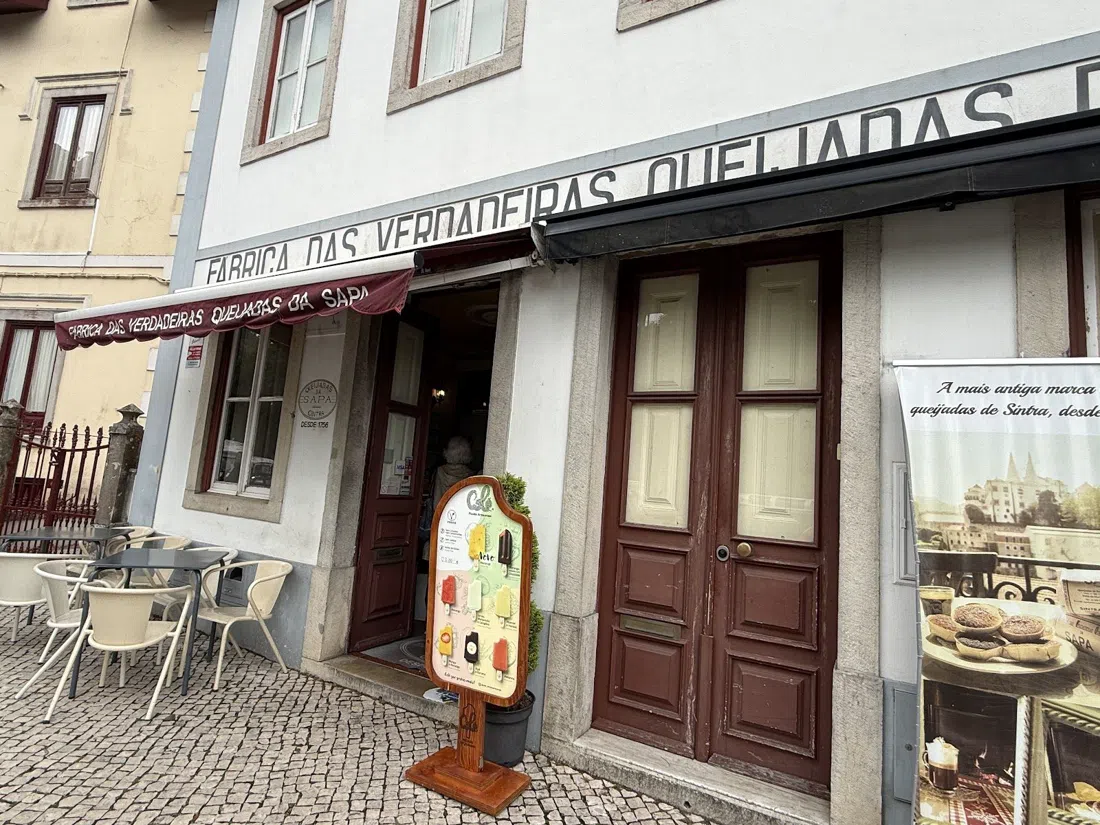
Fábrica das Verdadeiras Queijadas da Sapa (on the station-to-town walk, Volta do Duche) sells essentially one thing, the queijada, and sits directly on the route you are walking anyway, so it costs you no detour. A paper roll of six is a few euros. Takeaway counter, no real seating.
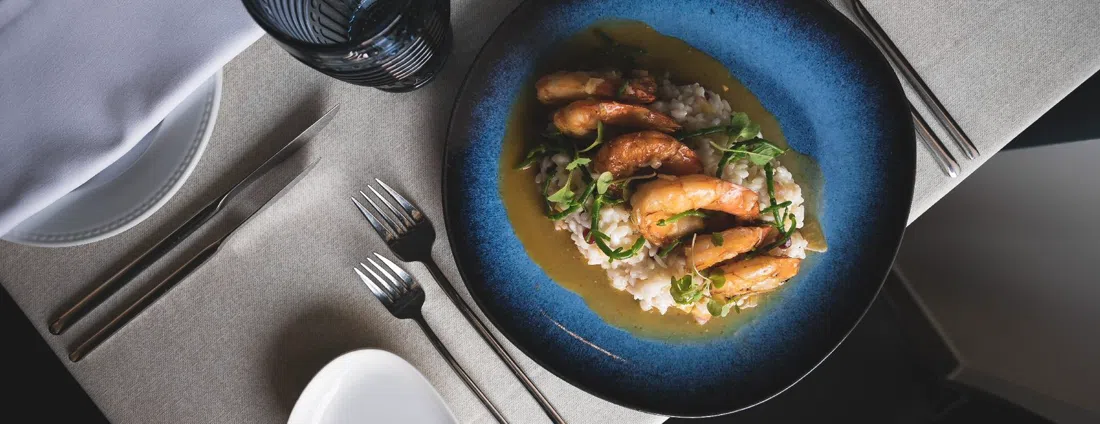
Incomum by Luís Santos (beside the station) is the sit-down lunch that does not feel like a coach-party canteen: contemporary Portuguese, mid-range, priced well below the ambition on the plate. It takes groups by reservation and its position makes it the obvious regroup point at the end of the day. Saturday service starts at 16:30, which rules it out for a Saturday midday stop.
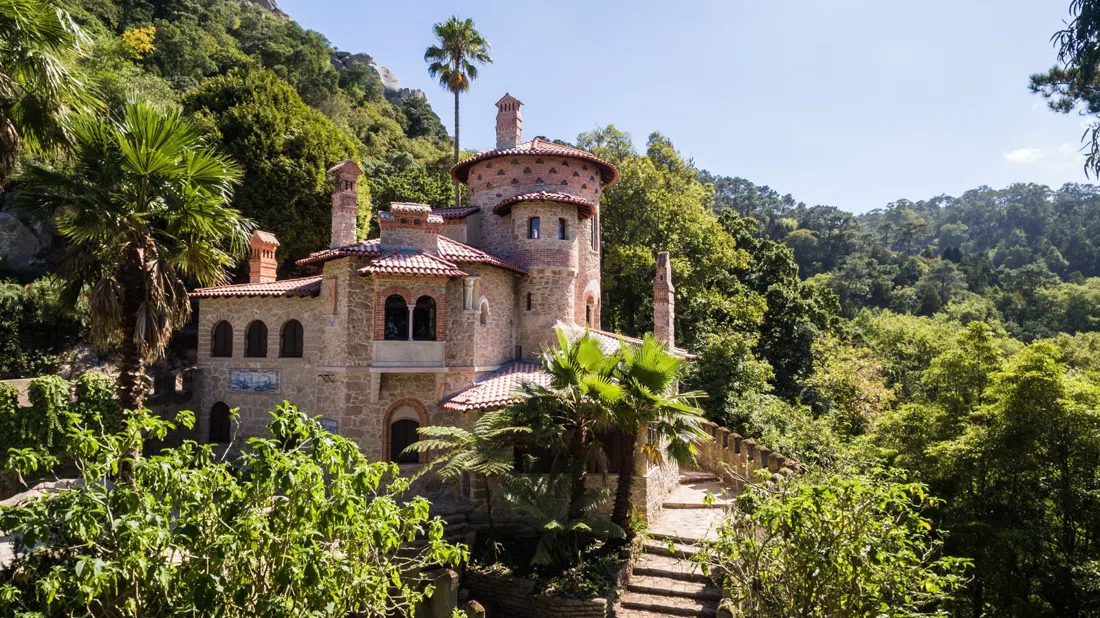
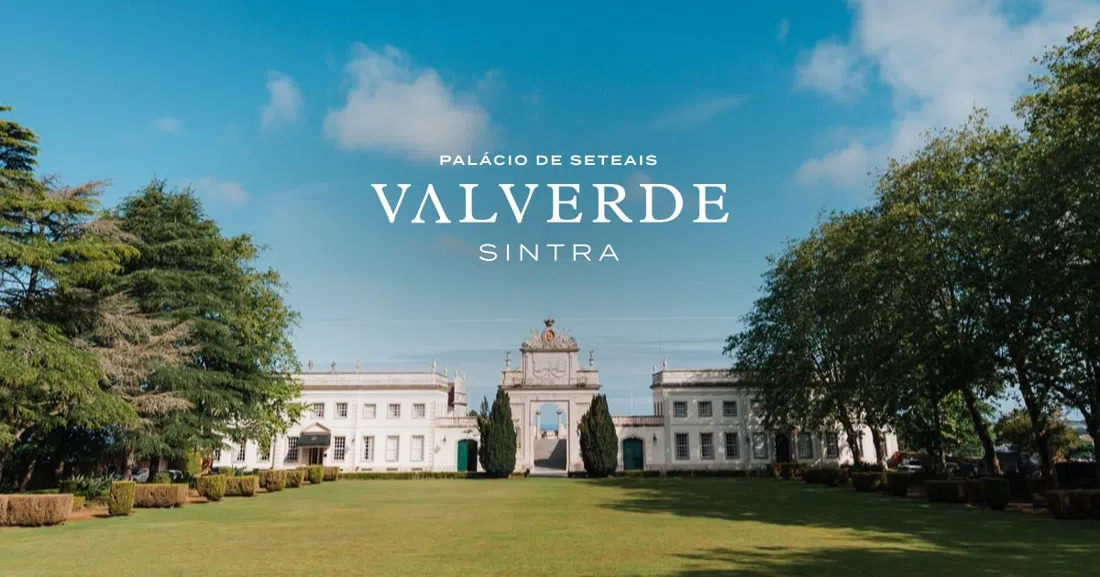
Valverde Sintra Palácio de Seteais (on the road west, between the town and the gardens) takes non-residents for the Marialva restaurant, the bar and afternoon tea, by reservation, small parties only. This is not a coach stop. Older guides still call it the Tivoli; that name is dead, so search the current one. The arch and garden terrace are the classic Sintra view even if tea is all you stop for. Expect upper-mid to high prices.
Tickets, slots and whether to book ahead
The monuments split into two kinds. Pena's interior is hard-timed and Regaleira is soft-timed with an hour of grace; the National Palace, the Moorish Castle, Monserrate and Capuchos you can walk up to and buy at the door, with the usual caveat that on a clear weekend in high season the ridge desks build a line.
Book Pena ahead if you want the interior at all on a specific day. If you cannot get a slot, buy park-only at €10 and walk the grounds and the Chalet instead. That is a good half-day, not a failure.
The guided day trips out of Lisbon exist as an alternative to the train, and the honest case for one is the far side of the serra: Capuchos, Peninha and the coast are painful without a vehicle. They run seven days a week and start from 57 USD per person. Across the bookable options here there are 18,960 traveller reviews, and the most-booked tour is rated 4.8 out of 5 from 7,934 of them. That is steady, well-worn demand rather than a rush.
Doors, groups and who fits where
Couples and pairs can go anywhere on this list. Larger parties need to think.
Monserrate, MU.SA and the Cabo da Roca courtyard absorb groups without friction. Pena's park does too, but its interior does not, and you will be split into waves. Regaleira takes groups and then funnels them onto one staircase. The Moorish Castle ramparts go single-file. Capuchos physically cannot hold a coach party at once. Seteais and Azenhas do Mar are reservation-only and small-party by nature. Piriquita and Sapa are fine for any number if you buy and walk on.
On access: Vila Sassetti, the ramparts and the Capuchos corridors all rule themselves out for anyone with mobility limits. The valley monuments, Monserrate and the lighthouse courtyard do not.
Is it worth it
Yes, if you accept it as a two-monument day rather than a checklist. You will get more out of walking one ridge properly and eating something decent than out of photographing four gates.
It suits walkers, anyone interested in nineteenth-century romantic architecture, and families with children old enough for stone steps without rails. It suits you less if you need everything flat, or if you are travelling on a tight Saturday schedule where the timed slots and the restaurant hours both work against you. And if you have already seen the ridge, the day that combines Monserrate, Capuchos and the cape is quieter and, for some people, better.
Best time to go
Go early. The first trains out of Lisbon put you in town well before the coach waves land, which is the difference between walking into the National Palace and waiting behind two parties. Aim to be at Pena's gate early enough that the thirty-minute uphill walk to the interior door is a stroll rather than a jog.
Midweek is calmer than weekends on every part of the hill. Late afternoon on the ridge is the other good window: the day parties are heading back down and the light across the coastline from the Moorish Castle is worth the second climb.
Seasonally, April to September gives you the long MU.SA hours and the most reliable weather on the tops. From October to March the museum closes at 18:00, several of the works listed above are still in progress, and the ridge genuinely sits in cloud a good deal. Take a layer regardless of what the valley is doing, because the temperature drop between the town and Pena is real and catches people out in summer as much as in winter.
Practical notes
Getting there. Trains run from central Lisbon to Sintra in about forty minutes, frequently, all day; buy a rechargeable transit card at the station machines and top it up. From Sintra station it is roughly fifteen minutes on foot to the historic centre, and the queijada counter is on that walk. For the ridge, either take the circular hill bus or climb Vila Sassetti: 45 minutes, 1,850 metres, moderate.
Cash and cards. Cards work at every monument desk and restaurant listed here. Carry a small amount of cash anyway for the pastry counters, which are quicker on coins.
Timing. Pena's interior slot is a hard deadline with a half-hour climb in front of it. Regaleira gives you an hour of grace. Incomum does not open until 16:30 on Saturdays. Cabo da Roca closes at 17:30.
Budget. Two monuments, the train and lunch lands most people around €50-60 per person for the day. Pena park-only plus the Moorish Castle plus pastries comes in near €25 and is not a lesser day. A guided run that includes the coast starts from 57 USD per person.
Staying. Most people do Sintra as a day out and sleep in the capital. Compare rates through Lisbon hotel search and take the first train rather than moving beds for one night.