The Lisbon issue
Where to Stay in Lisbon Without Fighting the Hills
Fifteen honest Lisbon addresses, graded by how much hill stands between you and bed, starting at a €35 dorm bed and ending in a palace garden.

By Robin AaltinkLisbon on foot, timed to the tram
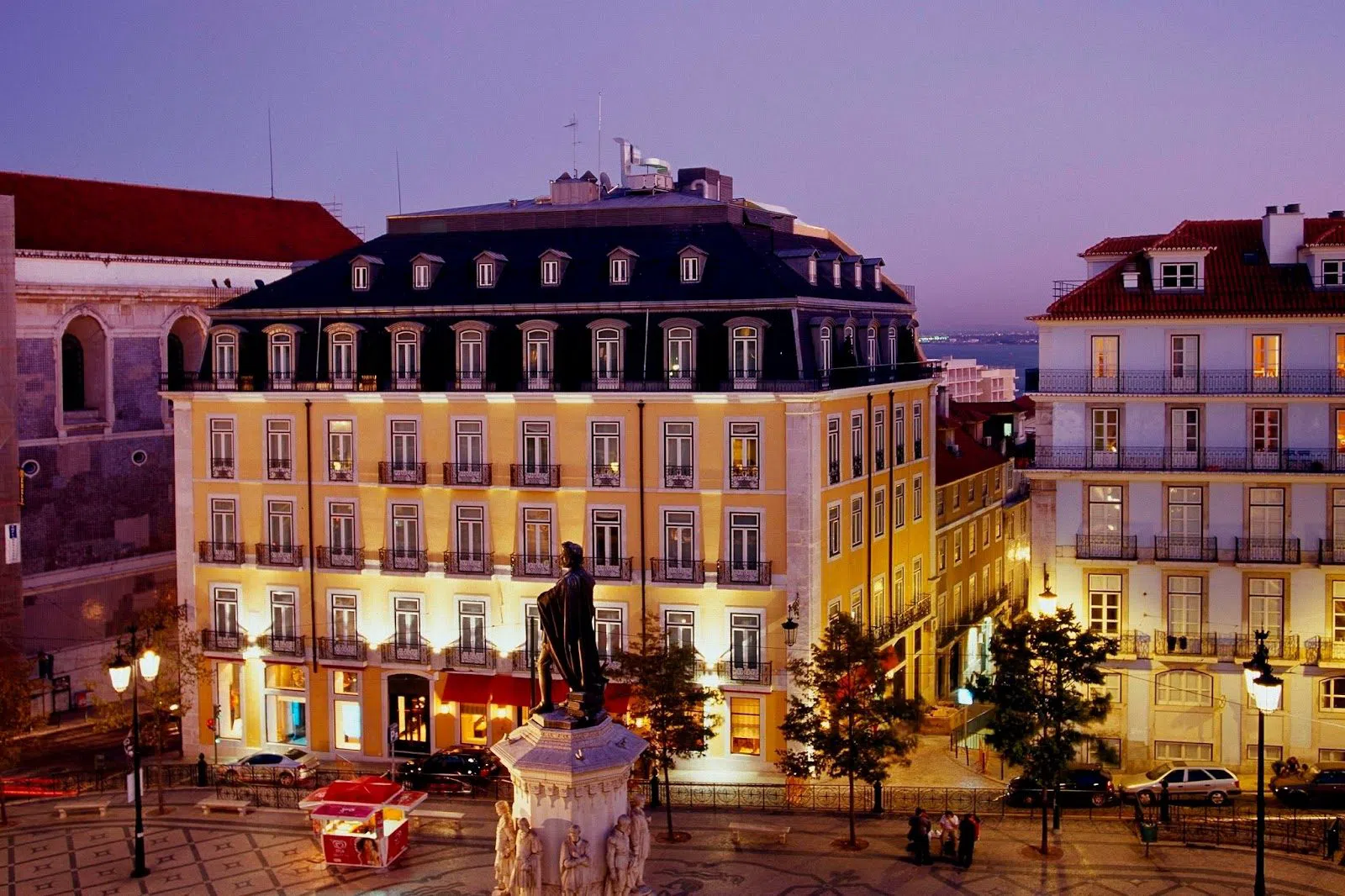
Lisbon sits on two ridges with a flat grid of streets in the valley between them and the river along the bottom edge. Almost every decision about where to sleep comes down to which of those levels you want to be standing on at eleven at night, tired, with dinner behind you. Get it right and the city stays walkable for a week; get it wrong and you spend the trip negotiating one hill nobody warned you about.
Read the hill before you read the map
Baixa is the flat part, the straight grid running from Rossio down to Praça do Comércio and the water. West of it the ground climbs to Chiado, and above Chiado again to Bairro Alto and Príncipe Real. East of Baixa, Alfama and Graça go up in narrow lanes, steps and switchbacks that no wheeled suitcase enjoys. Avenida da Liberdade runs north from Restauradores along a shallow valley and is level for its whole length, which is a bigger deal here than it sounds.
The rule that saves the most walking is simple. Book so that you leave home going downhill and come back up on something with an engine. The three funiculars (Glória, Bica and Lavra) are short, cheap and part of the ordinary transport network rather than a ride. The 28 tram crosses from the western ridge through the centre and up into Alfama and Graça; it is genuinely useful and it is genuinely full, and in October at midday you will not get a seat. A short taxi or rideshare hop across the middle of town usually lands in single figures in euros, which quietly changes what counts as too far.
What follows is grouped by level, and by what each area asks of you in return. Prices are per night for two in high season unless stated otherwise; shoulder dates are usually softer, and if you want to see what a specific week actually costs before committing, run it through Lisbon hotel search.
Plan your Lisbon trip
Live prices from our booking partners.
Free cancellation on many rooms. We may earn a commission when you book.
The flat ground by the river
Corpo Santo Lisbon Historical Hotel (Cais do Sodré) is the least complicated answer to a first visit. It is a four-star on flat ground, two minutes from the Cais do Sodré station, which means the westbound coast trains and the river ferries start at the end of your street, the single most practical thing about the address if you want day trips without a hire car. It takes groups comfortably and is used to multi-room bookings, so four or five rooms together is routine rather than a favour. Rooms run €200–350. One caveat: Pink Street is around the corner and it is loud until late. Ask for an interior room, off the square side, if you sleep lightly. Say it at the time of booking, not at check-in.
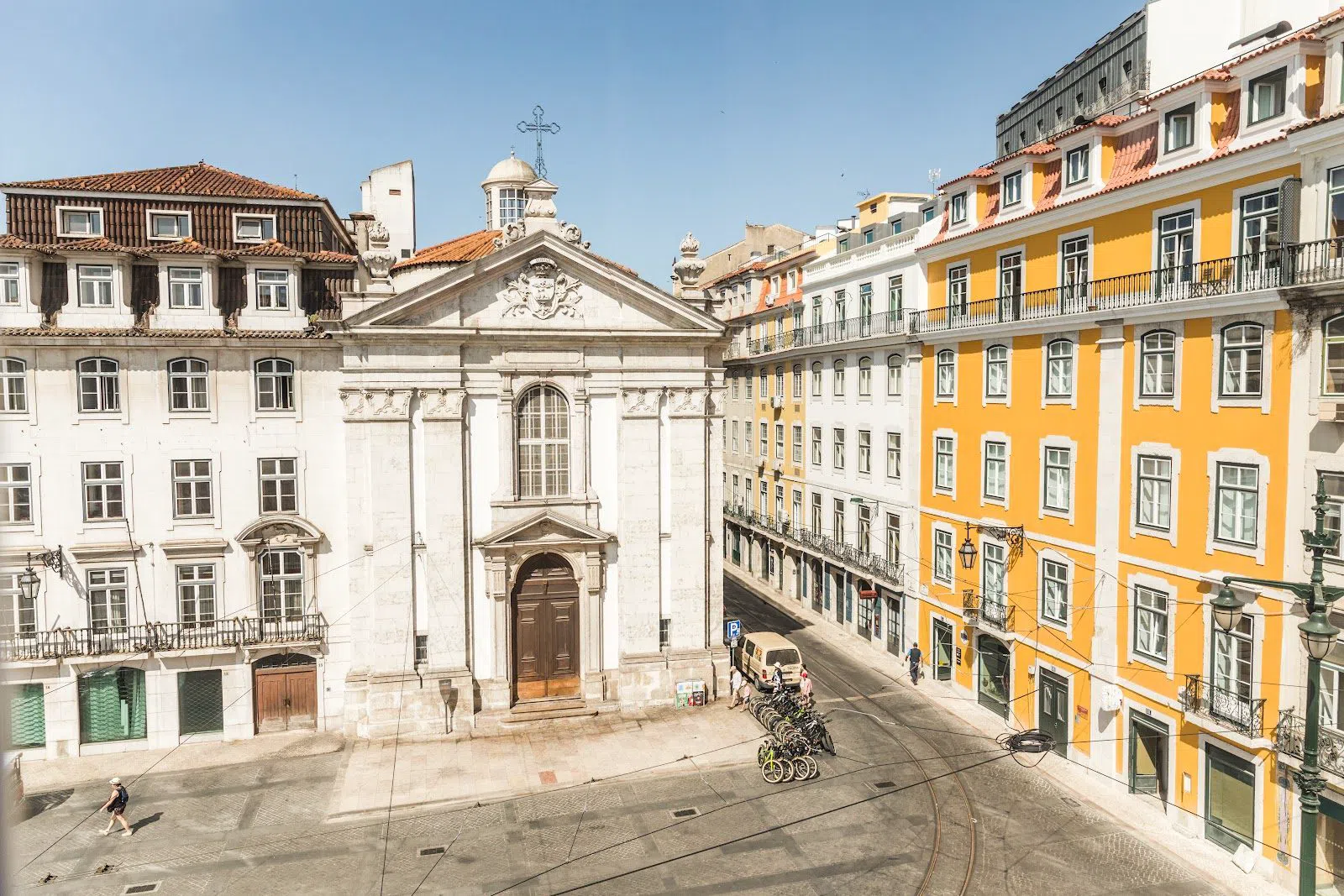
AlmaLusa Baixa/Chiado (Praça do Município) is the value pick in the flat centre: 28 rooms including eight suites and a top-floor apartment, at €250–350. You are on Baixa's level ground with Chiado and the river both about three minutes away, at roughly half what the palaces up the hill charge. Four to six rooms works well for a group of friends; the apartment absorbs a family without anyone sleeping on a sofa. It is a small hotel in a working civic square, so the daytime soundtrack is buses and delivery vans rather than street music.
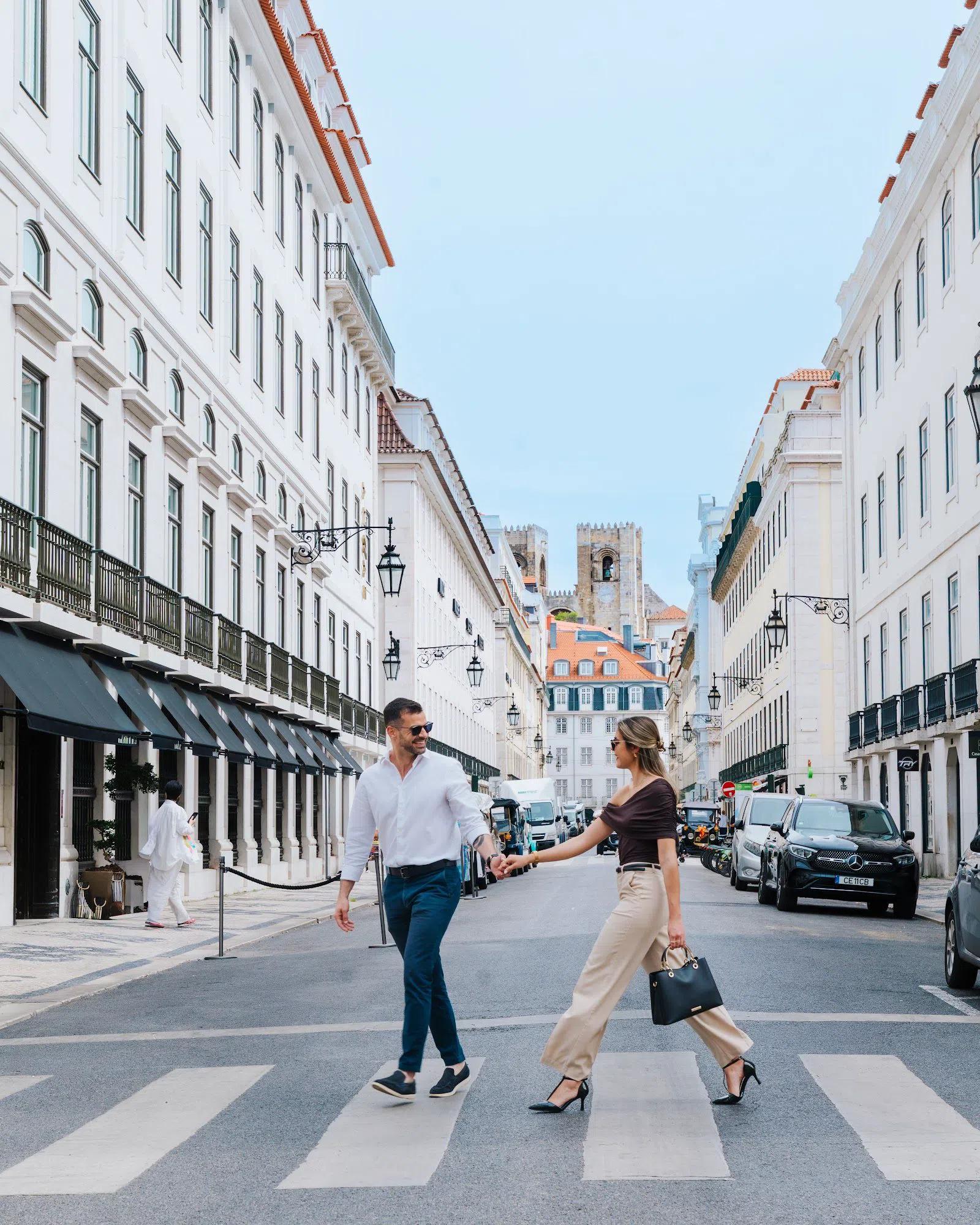
Avenida da Liberdade if you value flat pavement
The Avenida is the plainest argument for not staying in the old town at all. It is level in both directions, wide, shaded and about ten to fifteen unhurried minutes down to Rossio and Baixa without a single step.
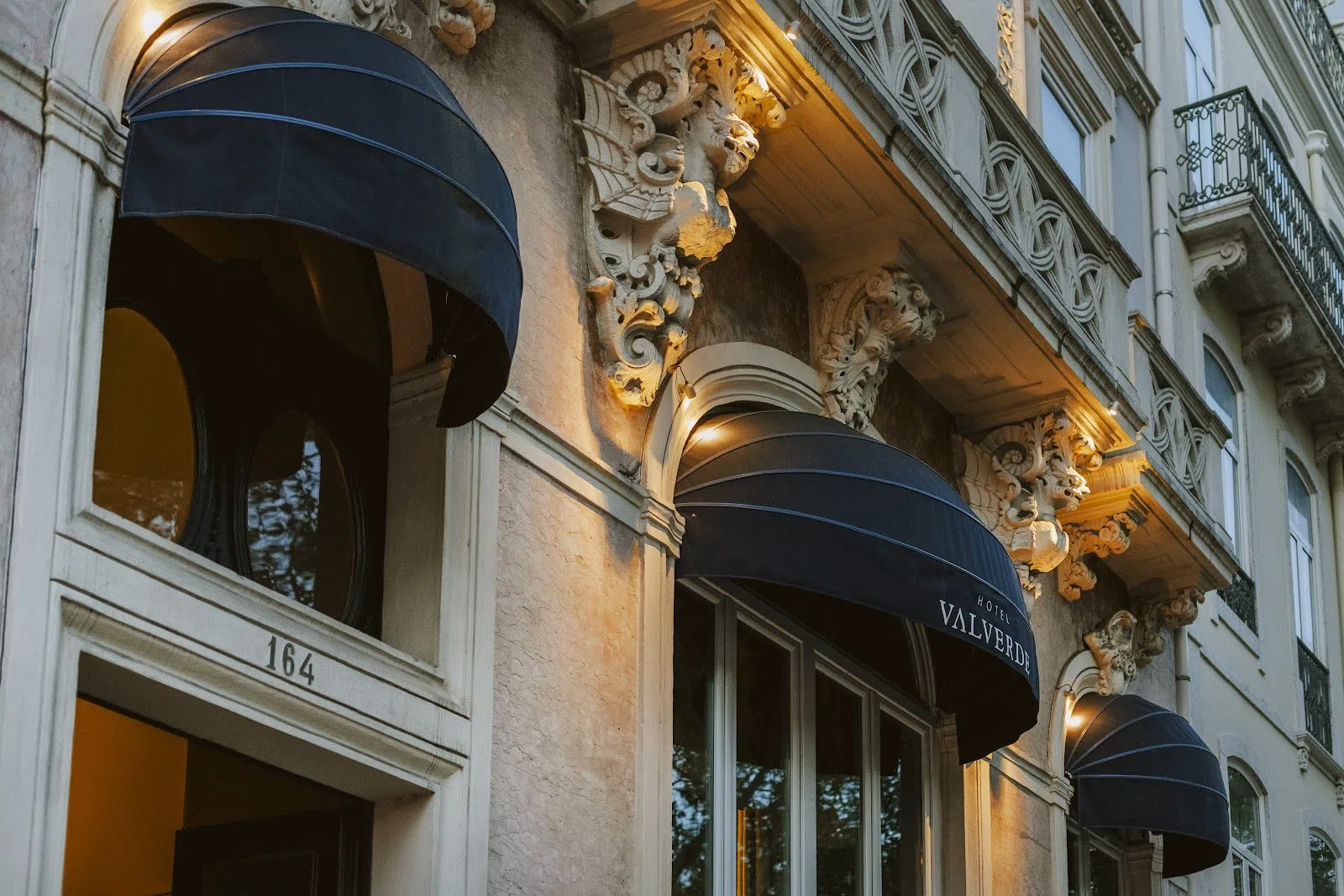
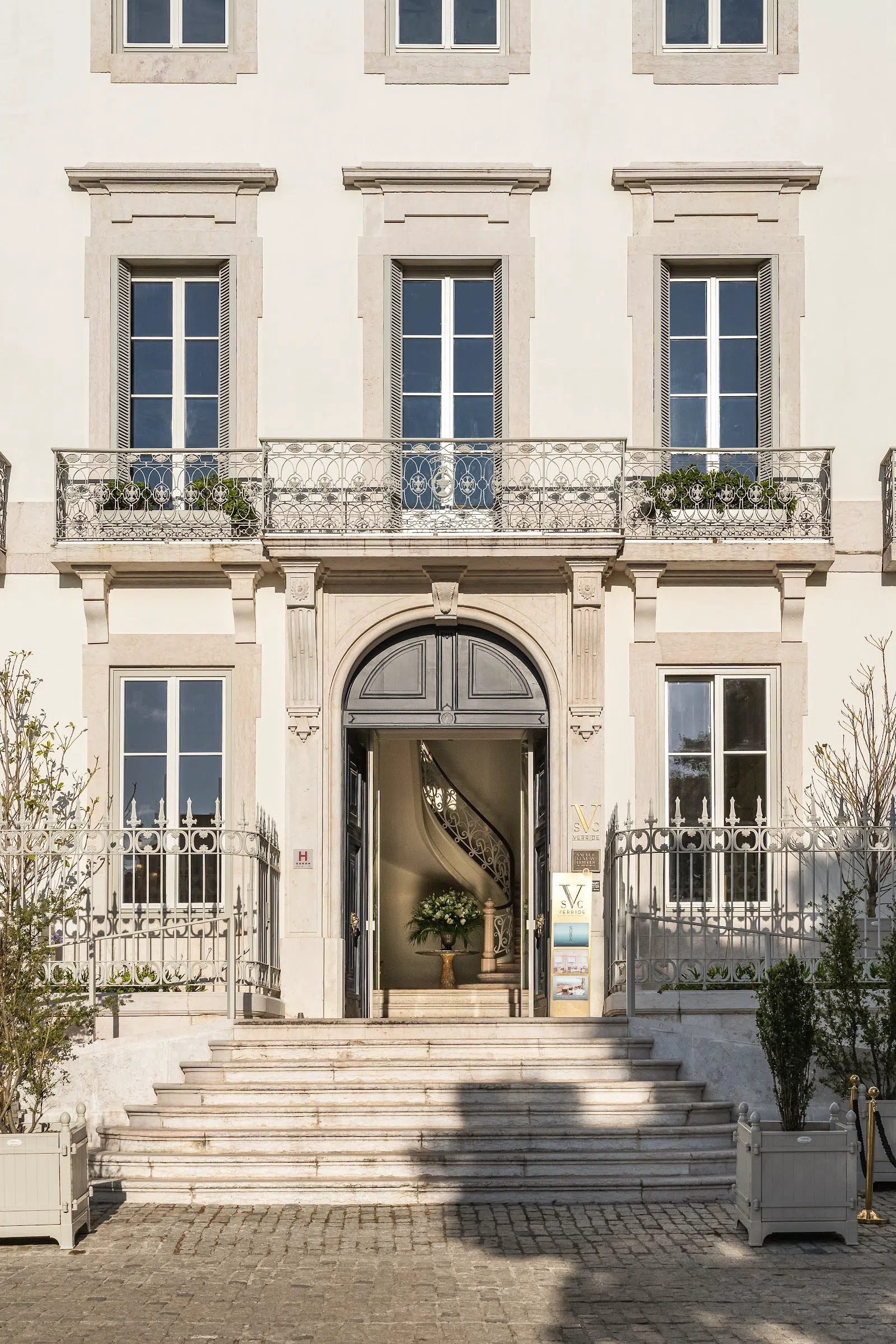
Valverde Lisboa Hotel & Garden (Avenida da Liberdade) is a Relais & Châteaux townhouse of the discreet sort, €250–600 depending on season, built around a courtyard you can read in for an hour without anyone hurrying you. Avenida metro station is a short walk and the airport is one change away, which matters more on the last morning than you expect. It is small-scale and quiet by design: a handful of rooms together is fine, coach parties are not the point and would not be comfortable here anyway.
Locke de Santa Joana (Santa Marta, just off the Avenida) is the base for anyone staying a week or more. It runs from studios up to multi-bedroom residences with kitchens, has dog-friendly units and weekly housekeeping for longer stays, and sits at €150–300. The reason to choose it is domestic rather than glamorous: you can cook, do laundry and stop eating out twice a day, which is what actually breaks people on long trips. Four bars and restaurants on site mean you never have to leave on a tired night. It is a large property with 370 units, so expect apartment-block anonymity rather than a concierge who learns your name.
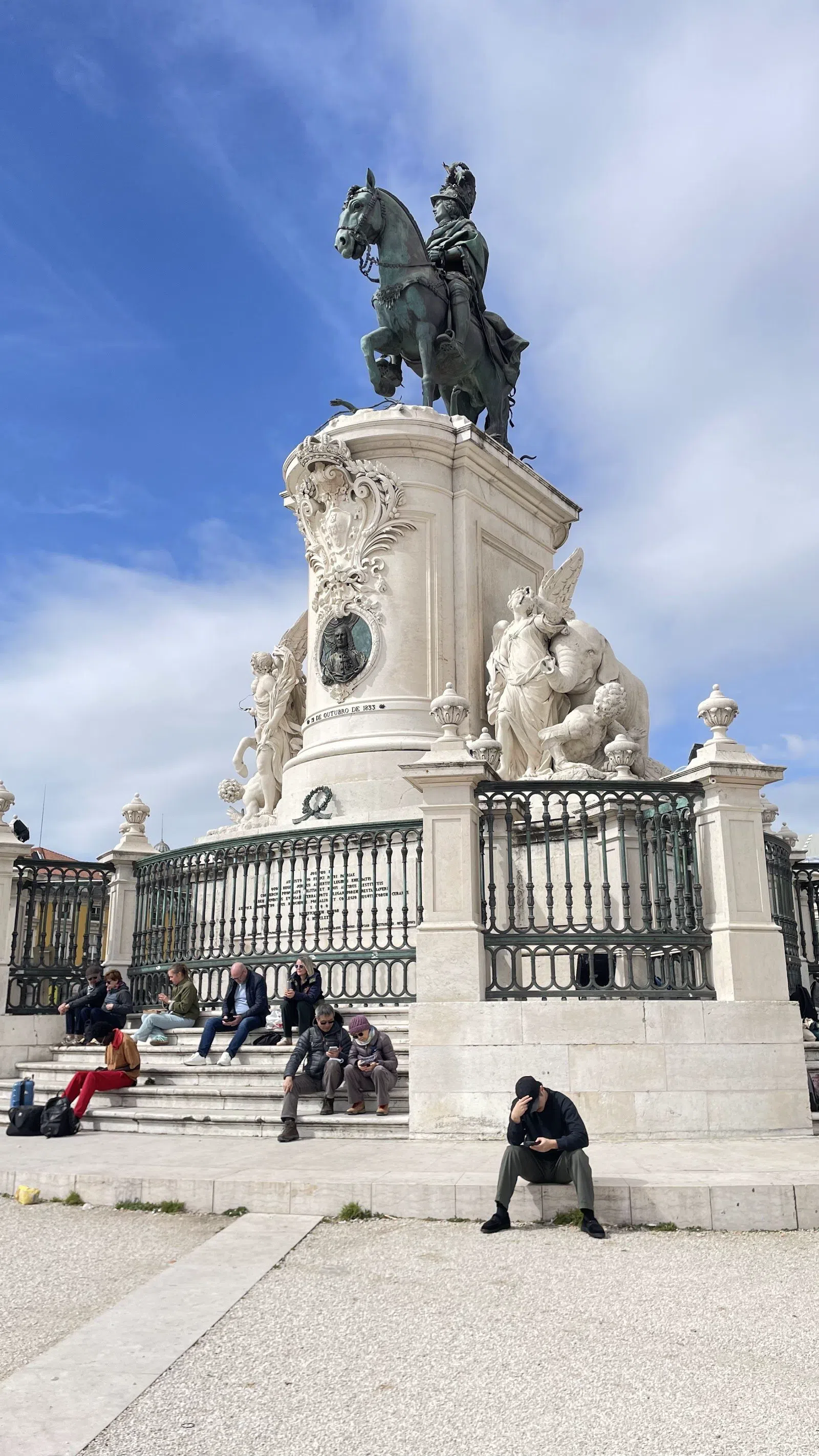
Up on the Chiado ridge
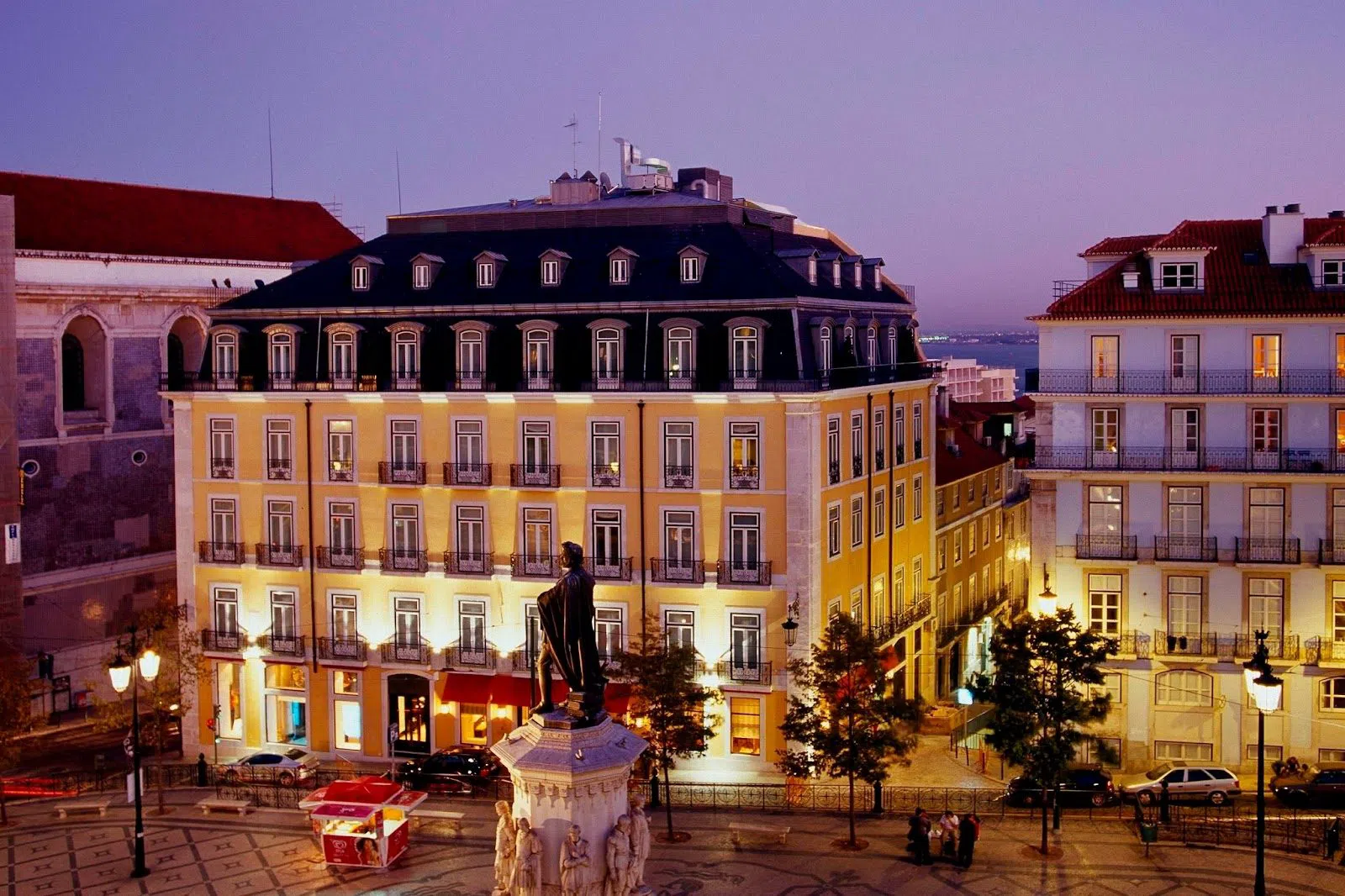
Bairro Alto Hotel (Chiado, at Praça Luís de Camões) is the most useful single address on this list for a slow first visit, and the reason is geography. You step out of the door onto the square where Chiado, Bairro Alto and the 28 tram all meet, so you walk home from dinner instead of working out a bus. Rooms are €350–700. It takes small groups and has a meetings and events department, with connecting and twin configurations available, but it is a five-star Leading Hotels property, not a party base. If the plan is to come back up from Bairro Alto loudly at three in the morning, the staff will treat that as a problem, and they will be right to.
Palácio Ludovice Wine Experience Hotel (Bairro Alto / São Pedro de Alcântara) sits on the seam between Chiado, Bairro Alto and Príncipe Real, which puts all three within a flat-ish walk of each other along the top of the ridge. Sixty-one rooms at €280–500, and it handles multi-room bookings without fuss; the daily sommelier tasting is a natural fixture for a group that wants one shared thing on the calendar. The detail worth knowing before you book: the Glória funicular is at the door, so the climb back up from Restauradores is optional.
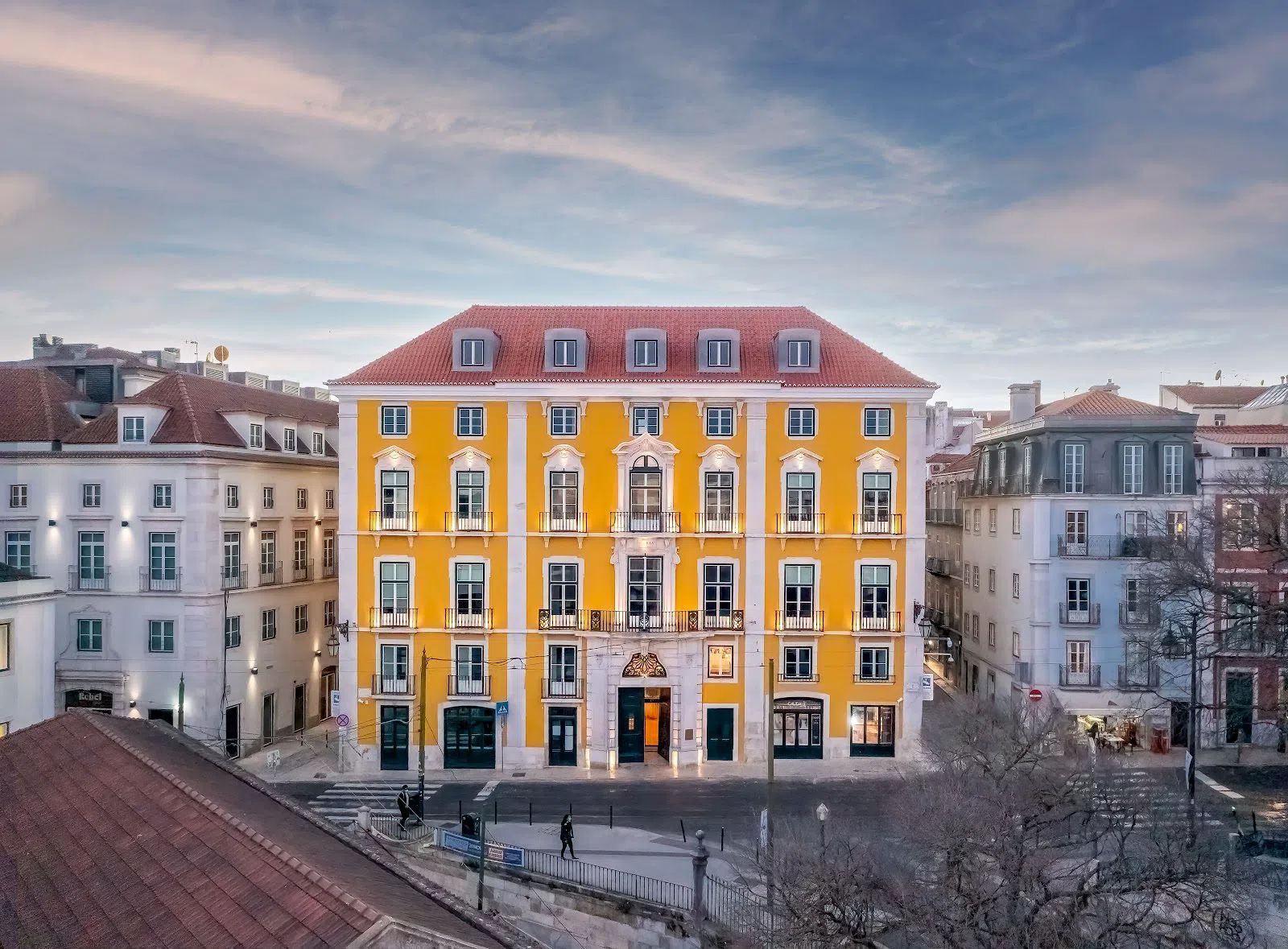
Verride Palácio Santa Catarina (Santa Catarina, above Cais do Sodré) has eighteen rooms in a real palace with the SUBA restaurant on the top floor, at €350–600. The trade-off is the hill and the access. The lane is inside a restricted-access historic zone, so you walk the last stretch up to it, and a taxi may put you down short with your bags. Two or three rooms travelling together is fine; a group of more than three or four couples would effectively be buying the hotel, which some people do deliberately and most people cannot justify.
Príncipe Real and Torel for quiet nights
Memmo Príncipe Real (Príncipe Real) is the quiet-but-central compromise, €220–400, with a pool and two-bedroom rooms that make it workable for families or two couples travelling together. Príncipe Real is antique shops, the garden market and wine bars rather than nightlife, and the walking arithmetic is in your favour: you go downhill into town and take a taxi back, which is the right direction for legs that have already done twelve thousand steps. It is a small property, so if you want a whole floor, book months out.
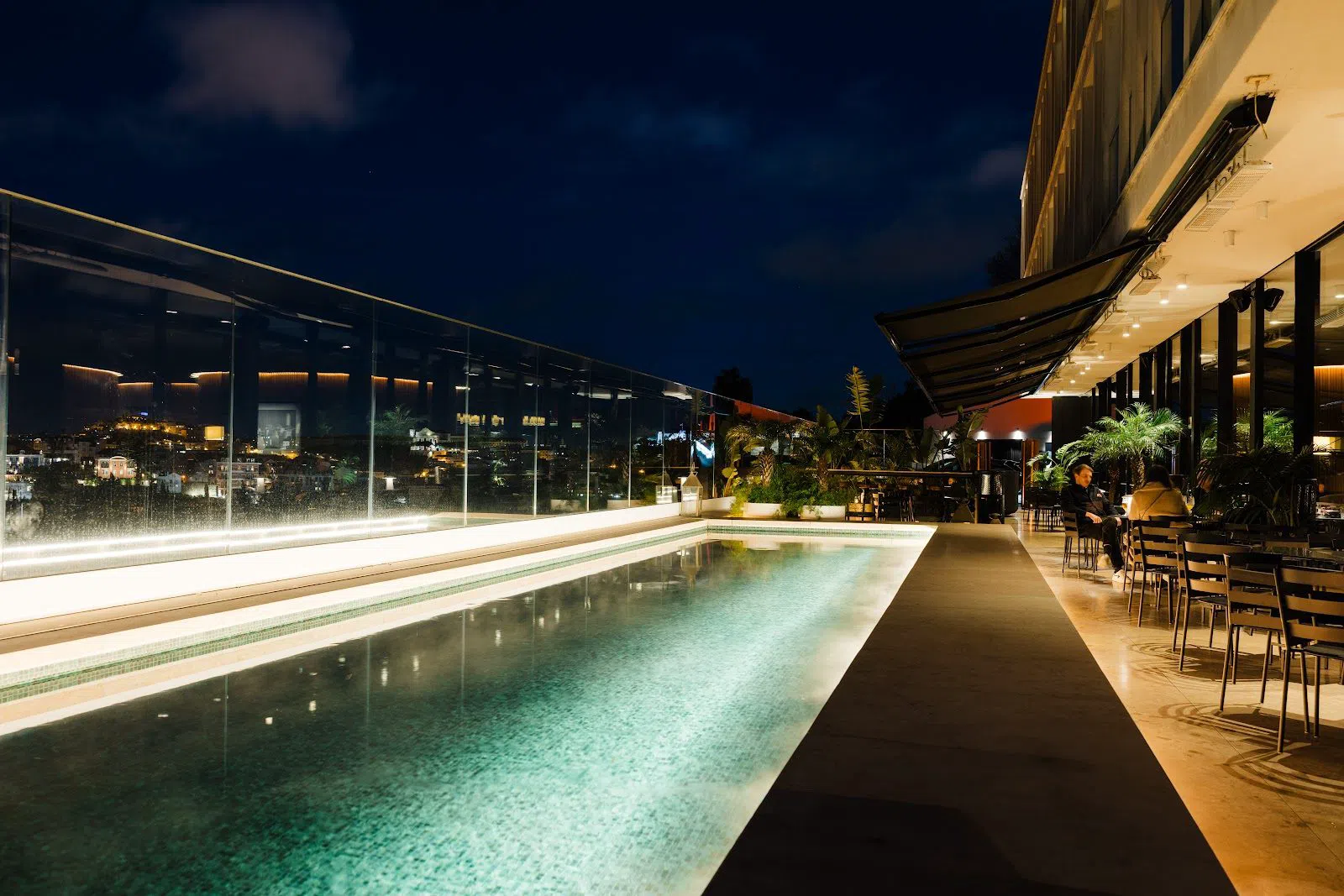
Torel Palace Lisbon (Torel gardens, above Restauradores) is quiet enough to nap in the afternoon and still about ten minutes on foot down to Rossio. Thirty-three rooms plus a villa and five apartments, €250–450, and the apartments and the villa are the real answer for a group that wants its own front door. There is a garden pool, and 2Monkeys by Vítor Matos is in-house if you want one serious dinner without crossing the city. Be clear-eyed about the return leg: the way back up is steep, and the Lavra funicular or a taxi is the sane way to do it after wine.
Alfama on its own terms
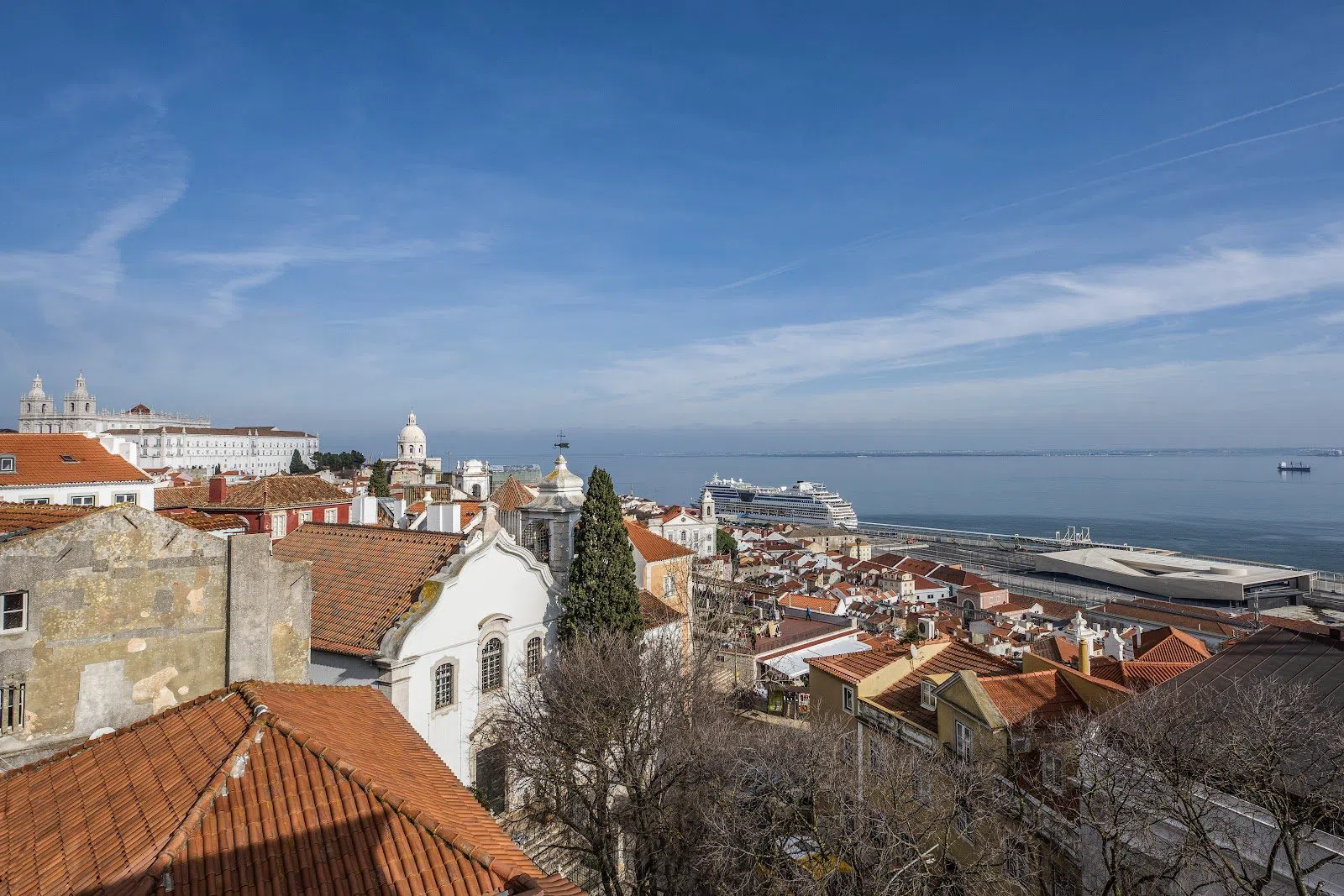
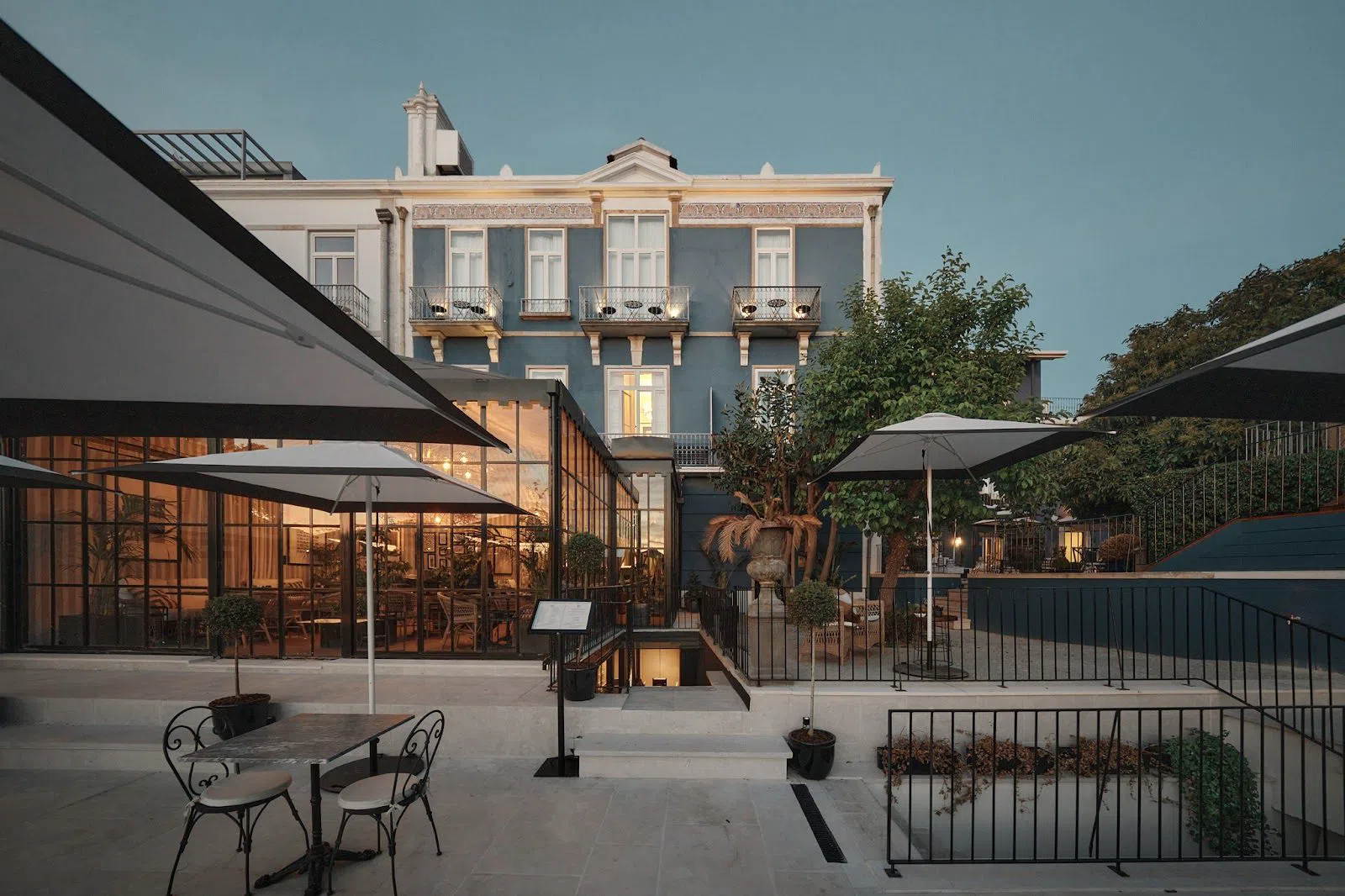
Santiago de Alfama — Boutique Hotel (Alfama) is for people who want to sleep in Alfama rather than photograph it and leave. Nineteen rooms, €200–450. Accept the terms and it is excellent: steep lanes, luggage carried the last stretch, no metro at the door and no realistic way to change any of that. Small groups are fine here, large ones are not.
Santa Clara 1728 (Campo de Santa Clara, on the Alfama–Graça edge) is the quietest address on this list and the one that most rewards a slow trip: six suites, breakfast at a shared table, €400–580 with a two-night minimum and breakfast included. A group of six to ten can take the whole house, and Suite Santa Clara sleeps two adults and two children. The Feira da Ladra flea market is outside the door on Tuesdays and Saturdays, which is either the reason you book it or the reason you ask for a room at the back. It is roughly twenty-five minutes on foot down into Baixa, and you will want the tram or a taxi coming back.

Belém and Lapa when you want less city
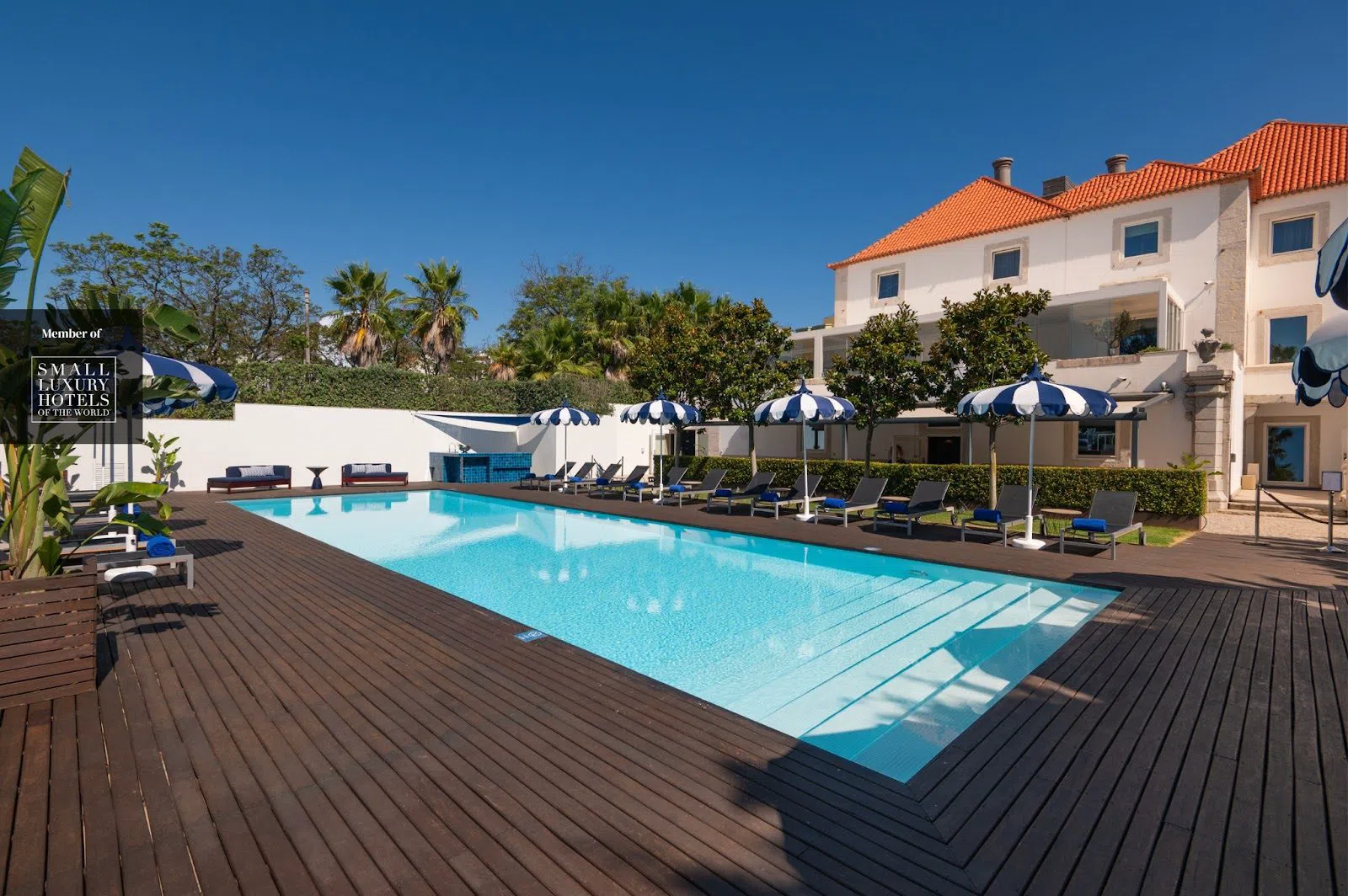
Palácio do Governador (Belém) puts you where the monastery and the pastéis are, which means seeing both before the coaches arrive, a real advantage that costs you a fifteen-minute train or tram ride each way when you want dinner in the centre. Eight room categories, full spa and restaurant, Small Luxury Hotels member, €200–400. It handles small groups well.
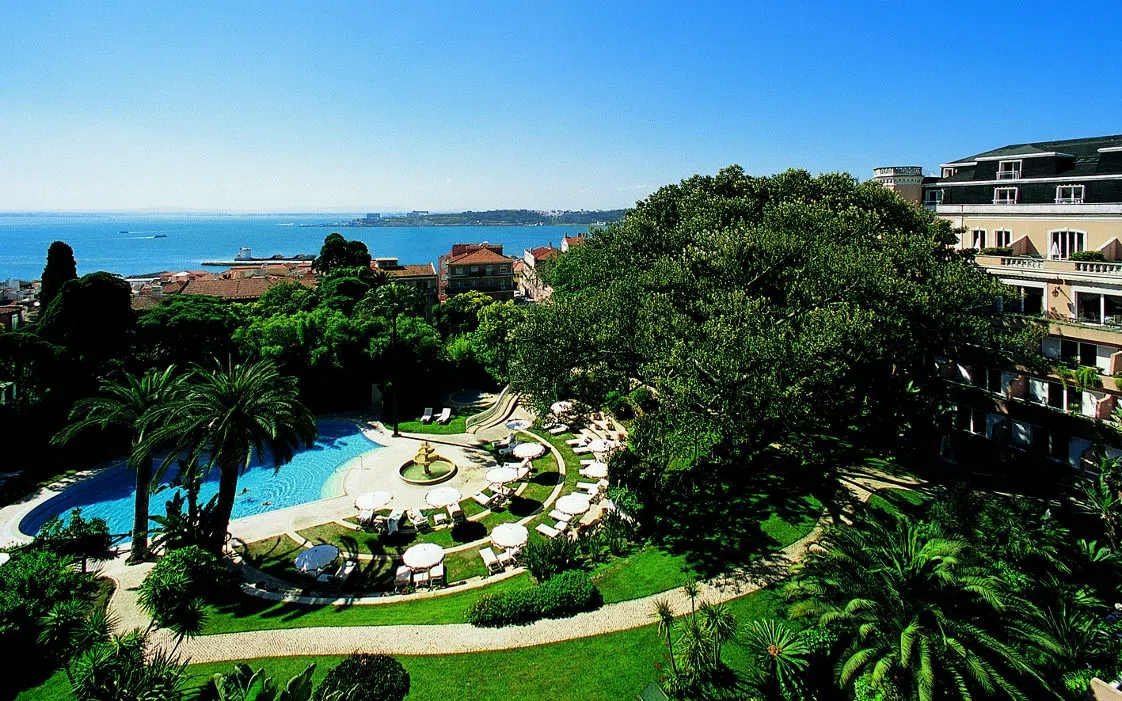
Olissippo Lapa Palace (Lapa) is the most group-capable luxury address here: 95 rooms across the Palace and Garden wings with full events capability, €450–700. Lapa is residential and hushed, which is simultaneously the appeal and the catch: you will use the 25 tram or a taxi every time you want the centre. Book it if the garden is the point of the trip rather than a bonus.
Families, groups and mixed budgets
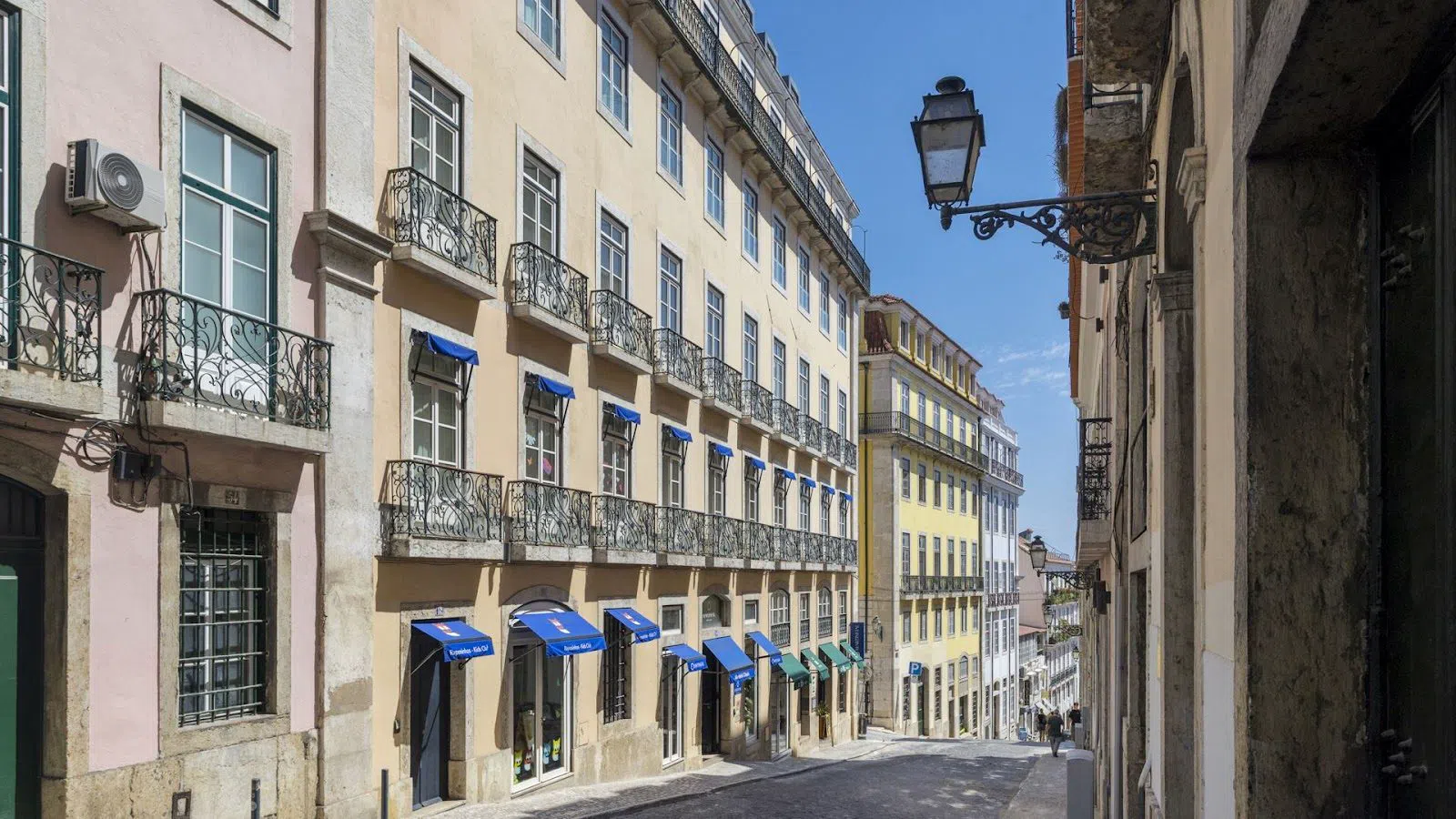
Martinhal Lisbon Chiado Family Suites (Chiado, Rua das Flores) is the one to book with small children: a supervised kids' club, apartments with kitchens, cots and connecting layouts, at €250–450, in the middle of Chiado. A kids' club and a kitchen at that address is the reason families put up with the hills at all. Rua das Flores itself slopes, but it is short.
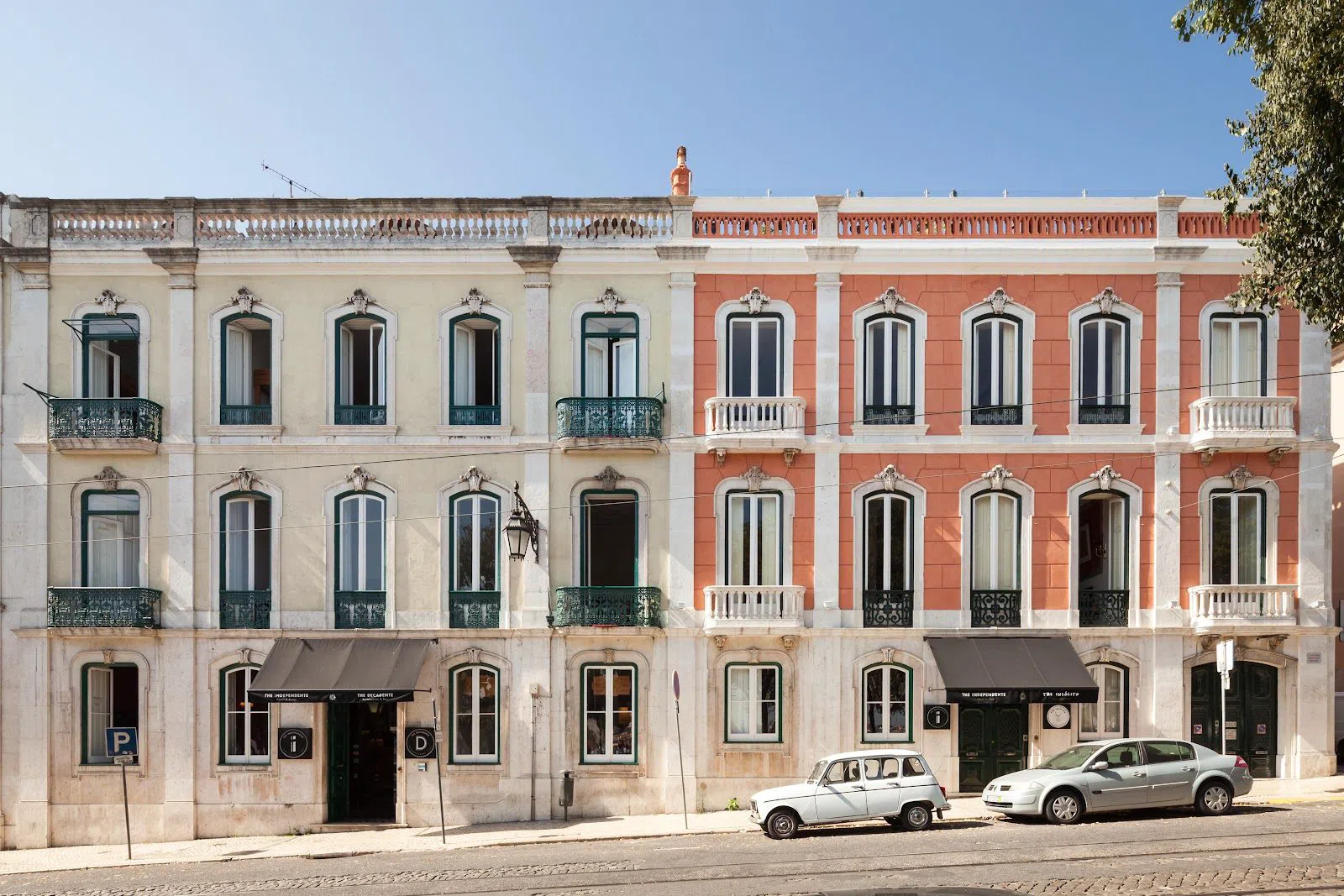
Independente Príncipe Real (Príncipe Real / São Pedro de Alcântara) solves the mixed-budget group: 22 private suites plus shared dorms under one roof, so people paying €30–50 for a dorm bed and people paying €120–220 for a suite still eat breakfast together. Contact the front office directly for group rates. It has the same rooftop view the palaces up here charge four hundred euros for. The caveats are real: the building is lively and there are a lot of stairs, so it is the wrong choice for anyone who needs an early night or a lift.
For a group of eight or more, the sensible shortlist is short. Take the whole house at Santa Clara 1728, take the apartments or the villa at Torel Palace, take residences at Locke, or take rooms and a function space at Lapa Palace. Everything else on this list is a small hotel where a large group changes the atmosphere for the other guests, and the good ones know it.
Before you book
Get a rechargeable Navegante card from any metro machine. It costs a small one-off fee, around €0.50, and makes every single ride cheaper than paper tickets. It works on the metro, buses, trams and the funiculars. The metro does not reach Alfama, Bairro Alto or Lapa, so read the hill section above rather than assuming a station is nearby.
Cards work almost everywhere, contactless included. Still carry €20–40 in small notes for old tascas, market stalls and the Feira da Ladra, where card readers are decorative at best.
October is the sweet spot for a slow visit, mild, with long light and thinner crowds, but rain is entirely possible and the calçada pavement turns slick when it is wet. Bring shoes with grip, not new leather soles. The small houses here (Santa Clara 1728, Verride, Memmo, Santiago de Alfama) have fewer than twenty rooms each and fill months ahead for shoulder-season dates.
On budget, roughly: €30–50 for a dorm bed, €150–300 for an apartment-hotel by the week, €200–350 for a good four-star on flat ground, €250–500 for boutique and palace rooms on the ridge, and €450–700 at the top. Book three to five nights minimum if you want the slow version of this city; two nights in Lisbon is a stair-climbing contest, not a visit. For what to do once you have picked the bed, start with the Lisbon guide.
Before you go
Which part of Lisbon is best for a first visit if I don't want to climb hills?
Stay on flat ground: Baixa around Praça do Município (AlmaLusa Baixa/Chiado), Cais do Sodré (Corpo Santo) or Avenida da Liberdade (Valverde, Locke de Santa Joana). All three are level in every direction, and you can still walk into Chiado in a few minutes. You just choose when to take the funicular up, rather than doing it with luggage.
Is it a mistake to stay in Alfama on a first trip?
It works, with conditions. Alfama has steep lanes, steps, no metro at the door and stretches where you carry your bag. Santiago de Alfama and Santa Clara 1728 are both excellent if you accept that; if you want to see Alfama rather than sleep in it, base yourself in Baixa and walk up.
How much should I budget per night in Lisbon in 2026?
Roughly €30 to €50 for a dorm bed at Independente Príncipe Real, €150 to €300 for an apartment-hotel like Locke de Santa Joana, €200 to €350 for a good four-star such as Corpo Santo, €250 to €500 for boutique and palace rooms on the ridge, and €450 to €700 at the top end at Lapa Palace or Bairro Alto Hotel.
Is an apartment better than a hotel for a week or more?
Usually yes. Locke de Santa Joana has studios up to multi-bedroom residences, with kitchens, dog-friendly units and weekly housekeeping, and Torel Palace has five apartments plus a villa. Being able to cook and do your own laundry is what makes a long stay bearable; eating out twice a day for seven days wears people down.
Is Belém too far from the centre to stay there?
It is about fifteen minutes by train or tram each way. That is fine if you want the monastery and the pastéis before the coaches arrive and you are happy to commute for dinner. Palácio do Governador is the address; if you would rather walk to dinner every night, stay central and visit Belém on a morning instead.