The Lisbon issue
Lisbon Without a Rental Car, Line by Line
The metro, four tram routes, two railways, a ferry and the two lifts still running cover every corner of Lisbon and both day trips. Here is how to use them, what each ride costs, and when to give up and call a car.

By Robin AaltinkLisbon on foot, timed to the tram
Lisbon is a city of hills facing a river, so almost every walk is either dropping towards the water or climbing back up from it. A car makes that harder rather than easier. The lanes in Alfama were laid out for mules, 337 central streets are now closed to through traffic, and the parking that does exist is expensive and rarely near where you actually want to be. What the city has instead is a four-line metro, four working tram routes, two suburban railways, a ten-minute ferry and a couple of free lifts, and between them they reach everything a visitor needs, including both of the big day trips.
Buy the card before you buy a ticket
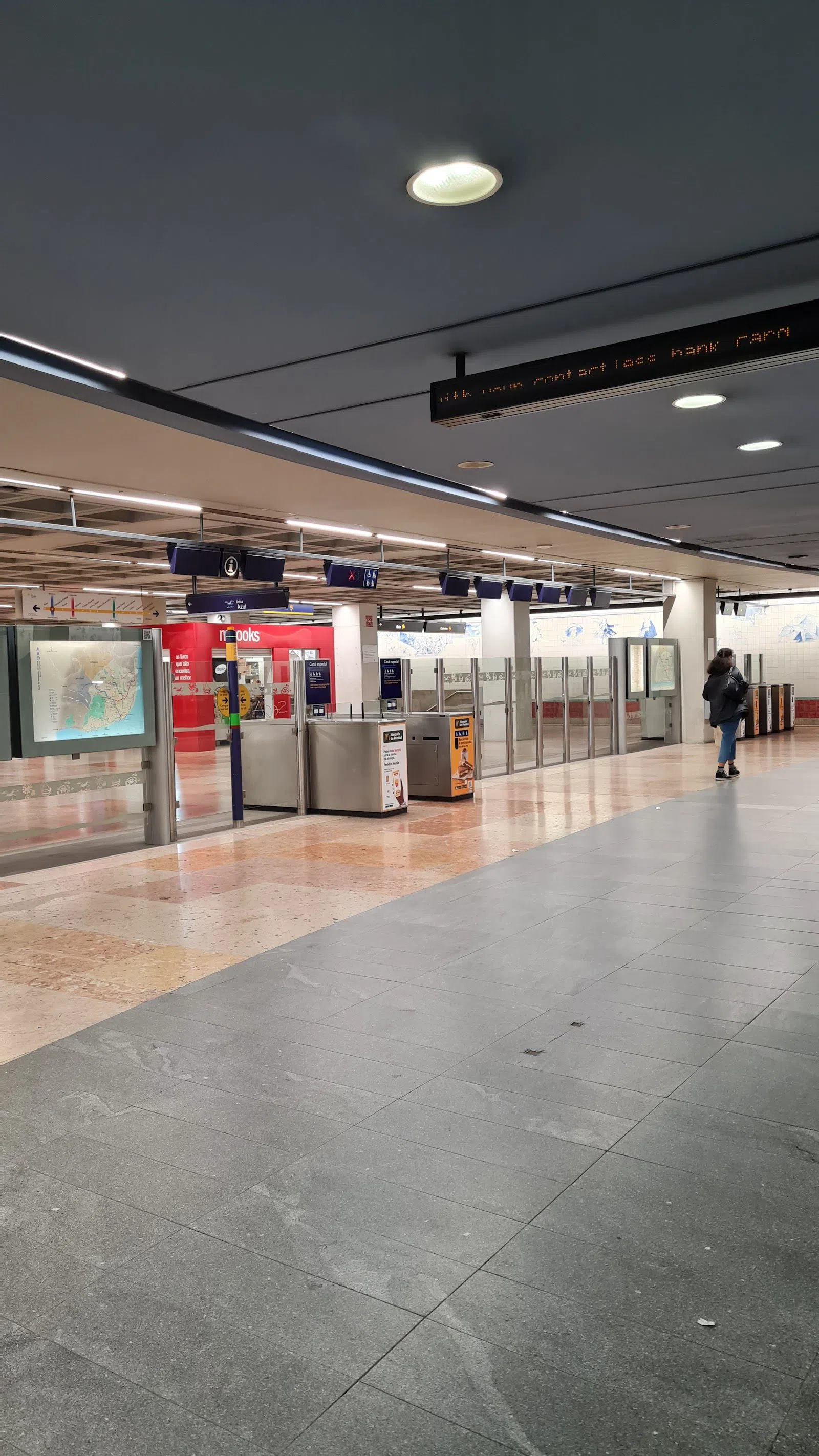
Start with a navegante occasional card (sold from the ticket machines in every metro station, the airport included). It costs €0.50 and it is the most useful half-euro you will spend here. One card covers the metro, Carris trams and buses, the CP suburban trains, the Tagus ferries and the regional Carris Metropolitana buses: one piece of plastic for the entire system, with no separate app or paper ticket to manage.
The rule that catches groups out: a card cannot be shared through a gate or a validator. Four of you means four cards, bought at the same machine in the same two minutes, and it is worth doing that on arrival rather than at a crowded gateline later.
Load zapping credit rather than buying singles, anything from €3 to €40 in one go, and every journey drops in price automatically. The metro falls from a €1.90 single to €1.72. Trams and buses become €1.35 instead of the €3.20 you would hand the driver on board. The ferry is €1.60. The regional yellow buses are €1.55 rather than €2.60 in cash. Nothing to remember at the gate; the cheaper fare simply applies.
There is also a €7.25 24-hour Carris/Metro pass. It beats zapping from about the fifth ride of the day, so it suits a museum-hopping day of short hops across the centre and does not suit a day where you walk most of it and take two trams.
Plan your Lisbon trip
Live prices from our booking partners.
Free cancellation on many rooms. We may earn a commission when you book.
The Red Line does the airport run
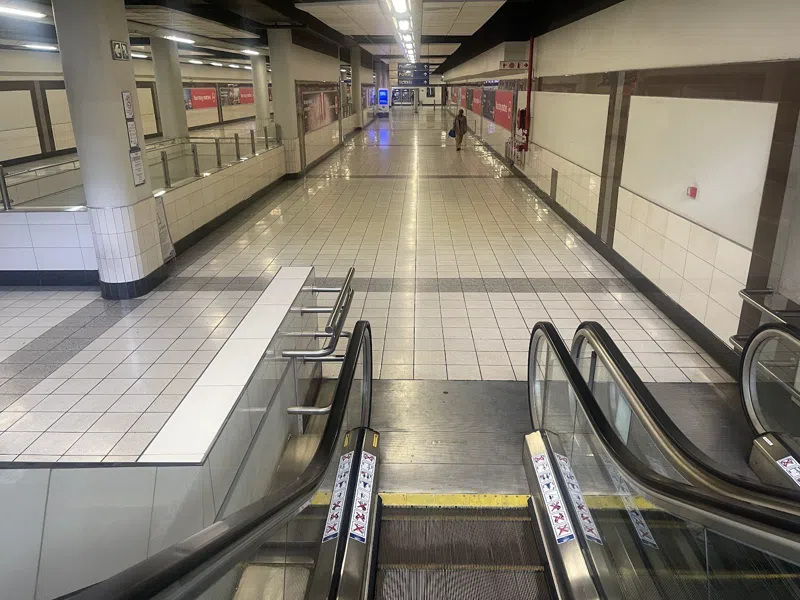
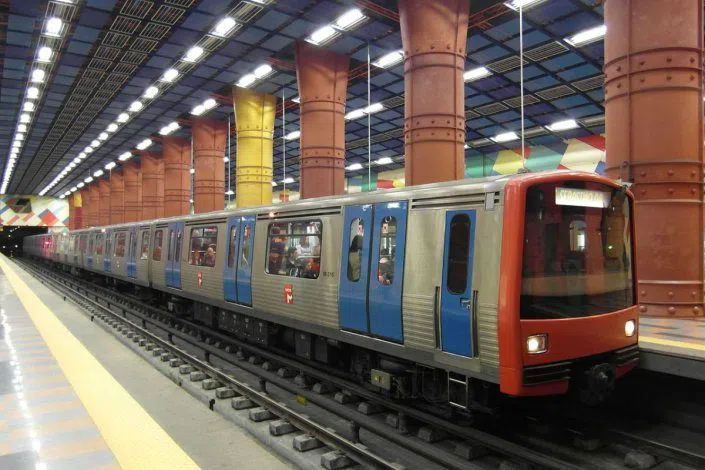
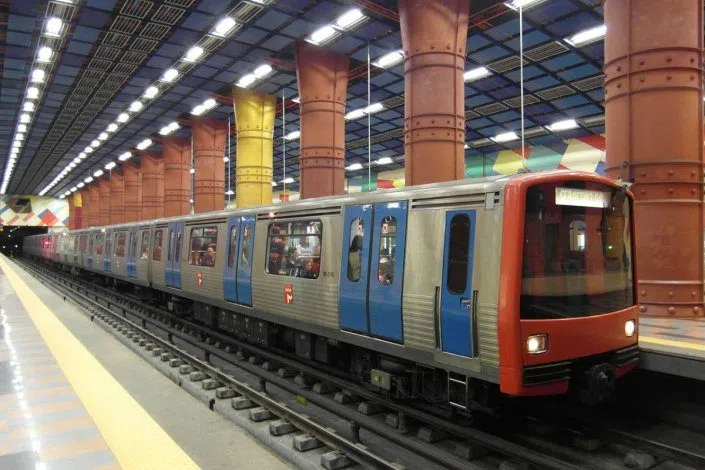
Metro de Lisboa (four lines, with the Red Line running from the airport terminal into town) is the spine that makes a hire car pointless. Trains run 06:30 to 01:00 daily, every few minutes, and the airport platform is reached by escalators the whole way, step-free with a suitcase in each hand, which is more than the taxi rank manages at rush hour.
Two timing notes. If you are travelling as a group, do not try to board as a block between 08:00 and 09:30 or between 17:30 and 19:00; the carriages fill and you will be split up anyway, so spread along the platform and agree the station you are getting off at. And the Circular Line extension (new stations at Estrela and Santos) is still under construction, due Q1 2027, which means occasional weekend closures on the Green Line. Check the departure board before you plan a Sunday around it.
Decide one thing before you book a bed: if you stay within a five-minute walk of a metro station, you will never need anything else after dark. Filter for that when you run a Lisbon hotel search, because a room that looks central on a map can still sit 80 vertical metres above the nearest platform.
Trams that move you, and trams that queue
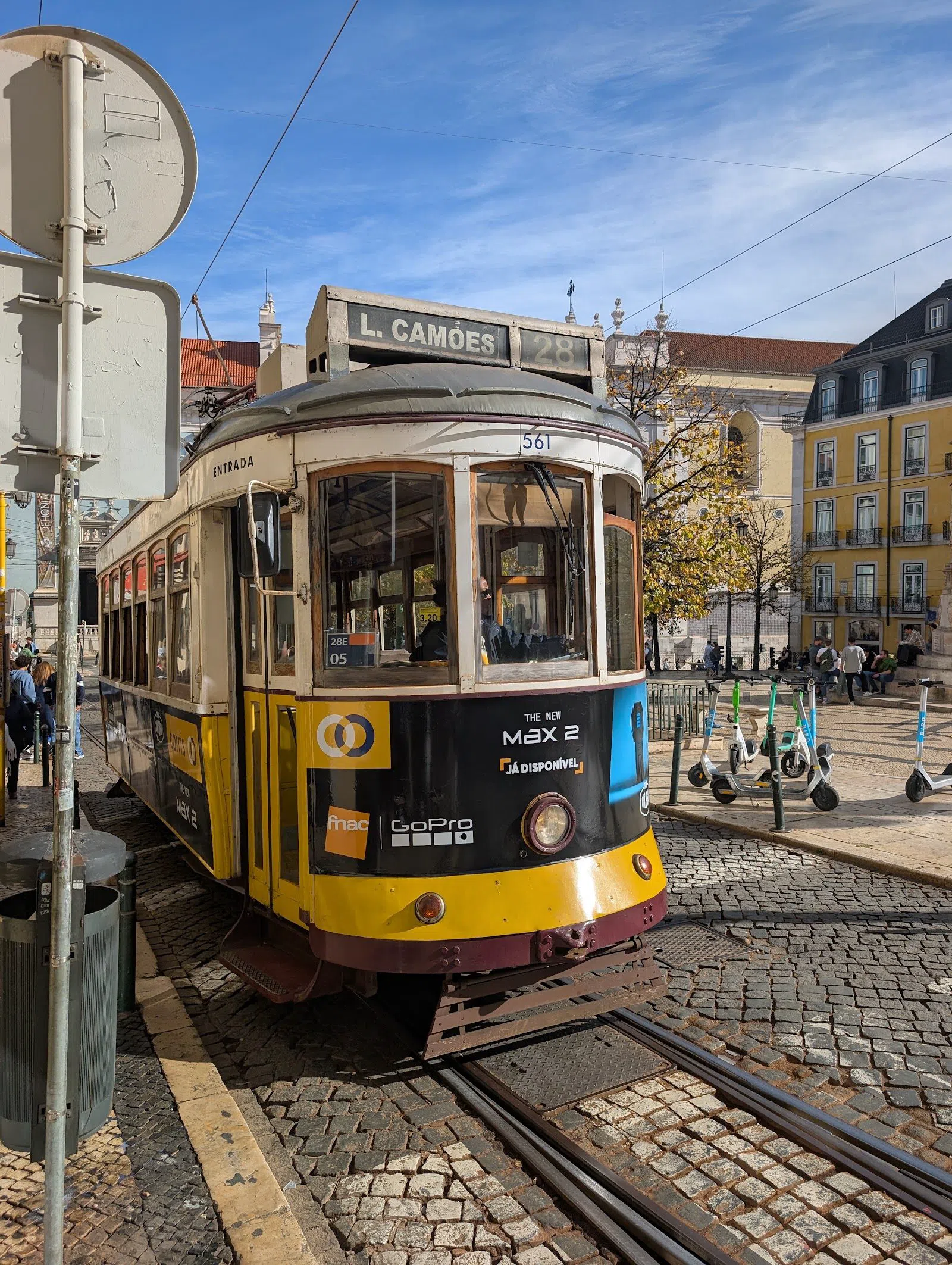
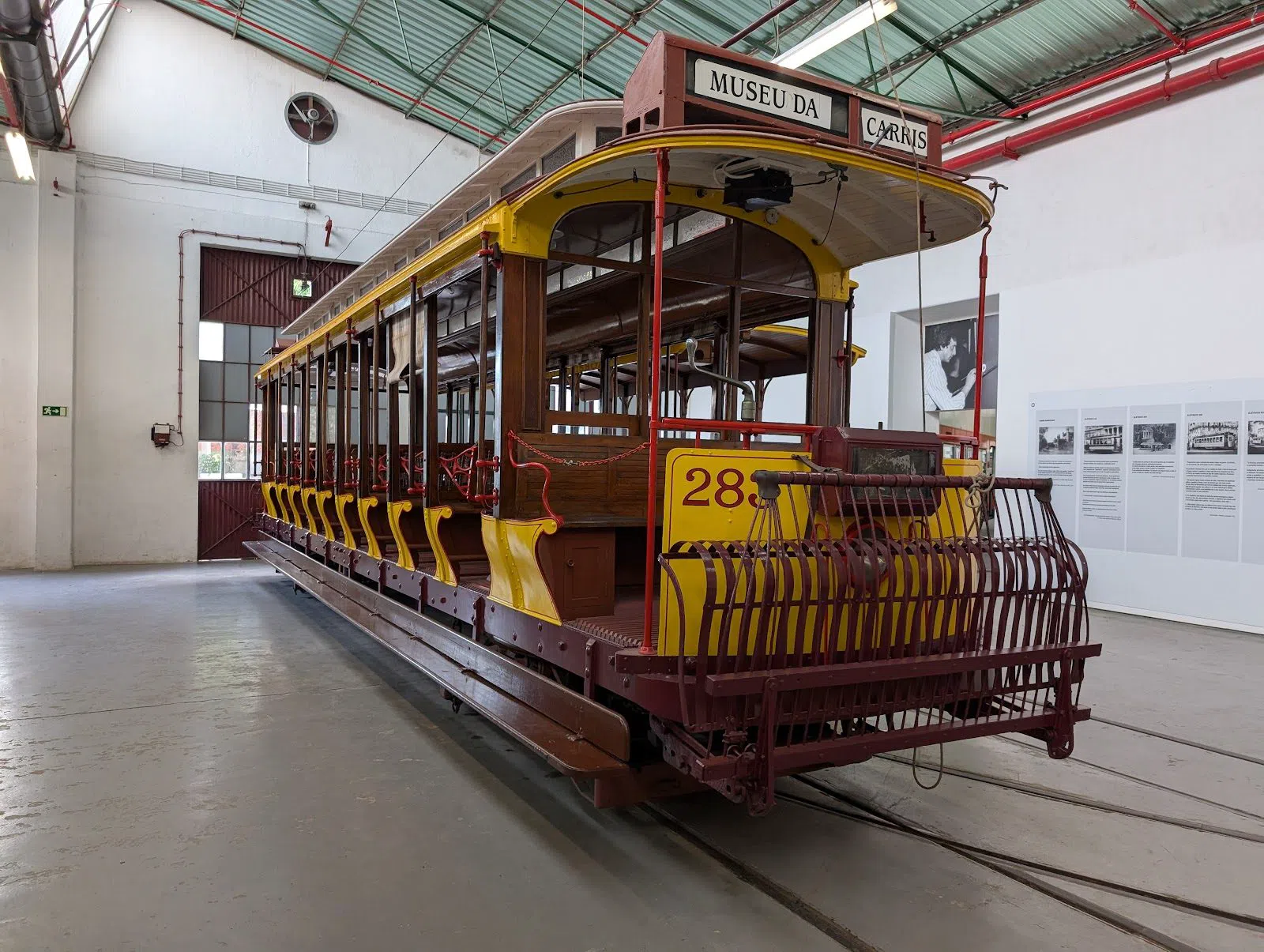
The Carris tram network (28E, 15E, 12E, 24E) covers Graça, Alfama and the run west to Belém, at €1.35 a ride with zapping or €3.20 in cash on board. It is genuinely useful transport, but only two of these routes behave like transport.
The 28E is standing-room-only from roughly 10:00 to 18:00. Ride it before 09:00 or after 18:00 and it becomes what people imagine it is; ride it at noon and you are in a queue, then in an armpit. If the queue at the stop is long, take the 12E instead. It loops much of the same Graça and Alfama hill for the same fare and rarely has a line. Groups larger than three will not sit together on the 28E at any hour, so either split across the two doors and accept you are travelling separately, or take the 12E.
The 15E out to Belém is a different animal: a modern articulated tram, no queue theatre, and the practical way west. Board at Praça da Figueira rather than joining further down the line and you will get a seat for the whole ride.
On both, pickpockets work the crowded doorways. Bags in front, phone away while boarding. That is the whole of the advice, and it is enough.
The hills, and the two lifts that still run
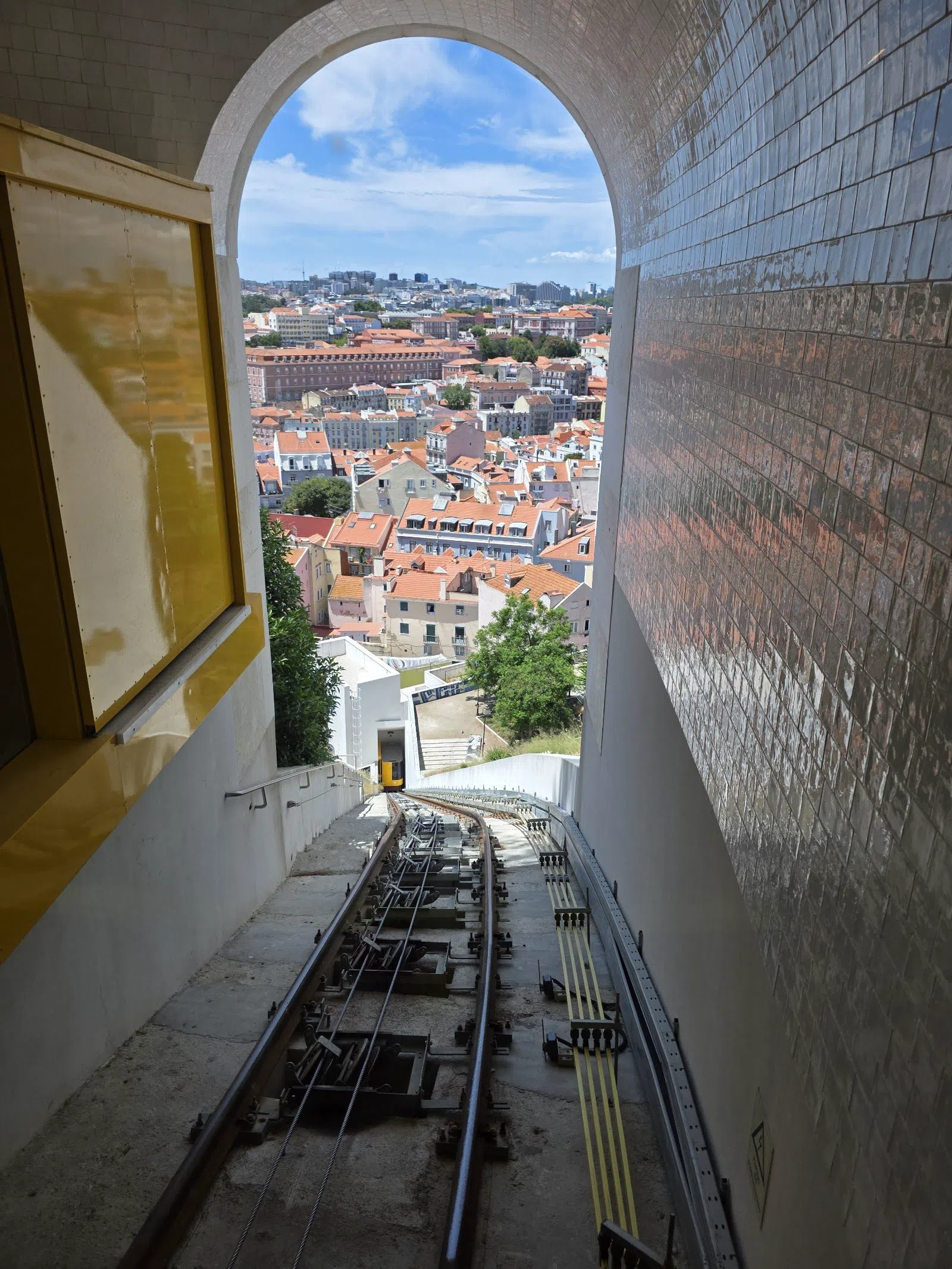
Most of the famous lifts are shut, so plan honestly. As of September 2026 the Funicular da Graça (Carris 55E) is the only Lisbon funicular running. It reopened on 30 April 2026 and works reduced hours, roughly 09:00 to 17:00, with a small car and limited capacity. Navegante holders get a separate priority queue and free access; occasional riders queue apart and pay €4.30 for two journeys. Do not build a route around any of the others: the Glória has been out since the September 2025 derailment with a replacement targeted for 2029, and the Bica, the Lavra and the Santa Justa lift all remain closed with no reopening date announced.
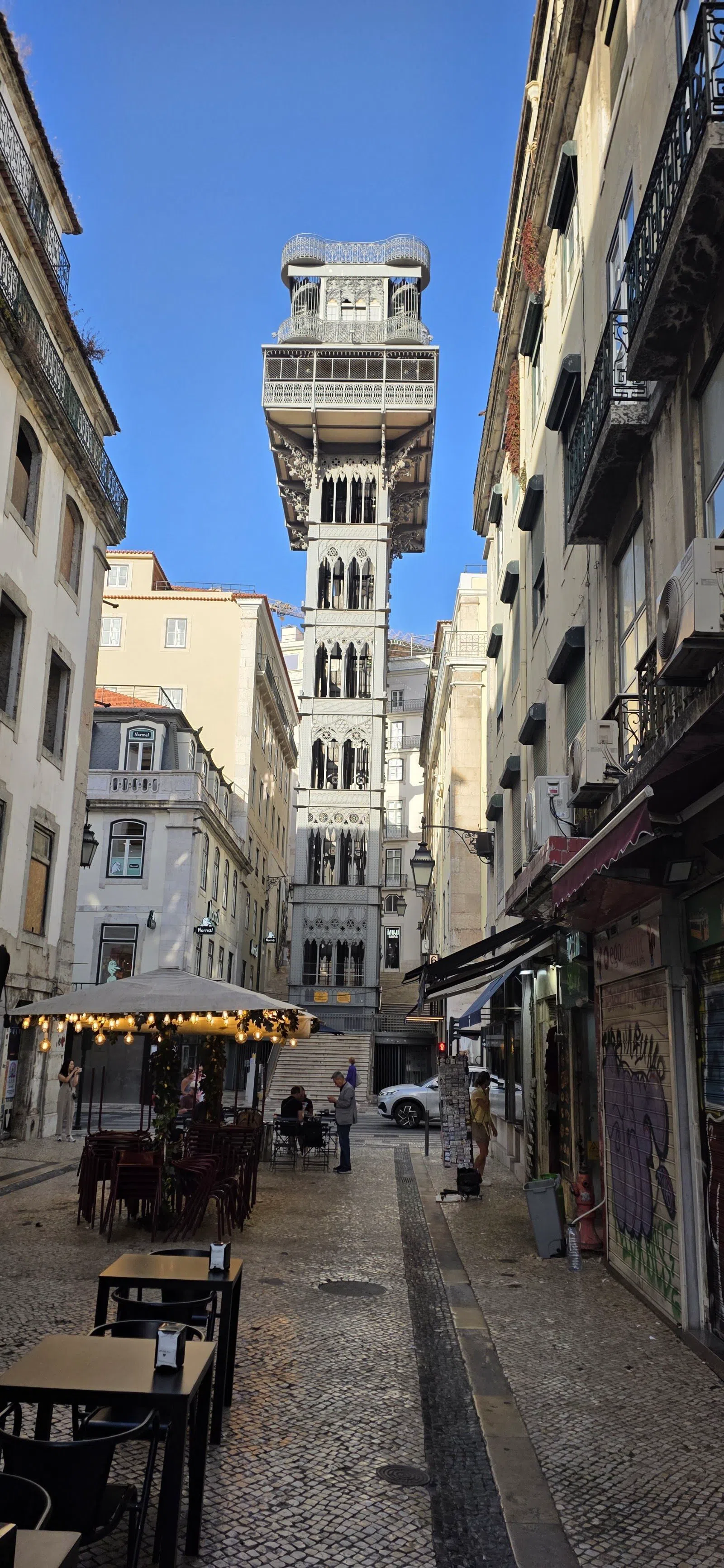
The hill hack that does work is free. The Elevador do Castelo (Chão do Loureiro lifts), entered from Rua dos Fanqueiros in Baixa, is two linked public lifts: the first takes you from Rua dos Fanqueiros up to Rua da Madalena, the second runs through the market building to Costa do Castelo, and from there the walk to the São Jorge castle gate is short and gentle rather than the long grind up from the river. There is no ticket and no queue system, the cabins are wide, and they take buggies and wheelchairs and a whole family at once. Open daily, roughly 09:00 to 21:00. If you have one climb in your legs per day, spend it somewhere else.
Across the river, by boat and by train
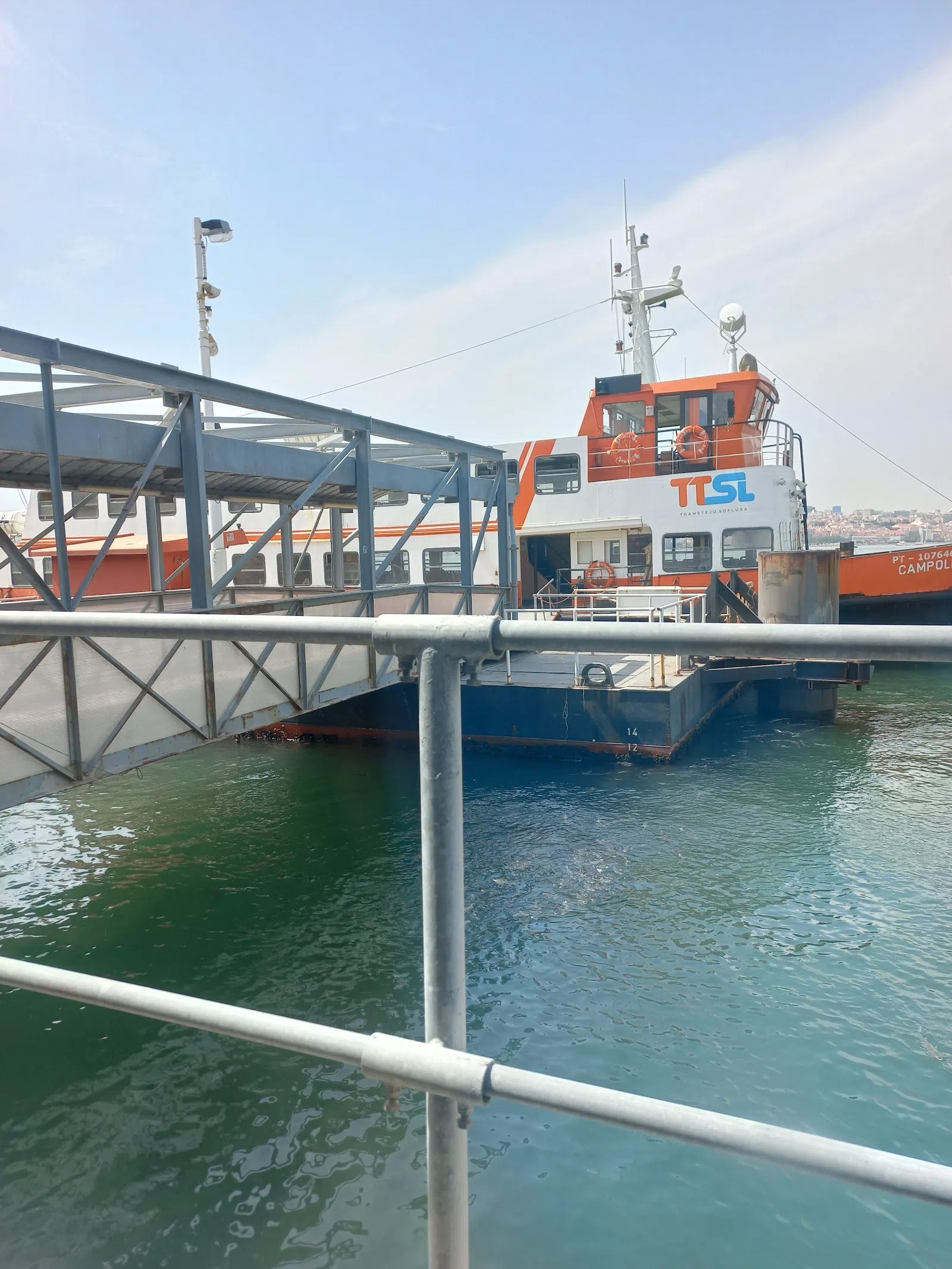
The Transtejo & Soflusa ferry from Cais do Sodré to Cacilhas is ten minutes and €1.60 with zapping, a bus fare for a boat ride with the whole city skyline behind you. It is walk-on with no capacity limit worth worrying about, which makes it the easiest option in Lisbon for a large party: nobody books and nobody gets split up. Departures run every 15 to 20 minutes until about 23:45, so an evening of grilled fish in the Cacilhas taverns and a look up at the Cristo Rei lift is not a one-way commitment.
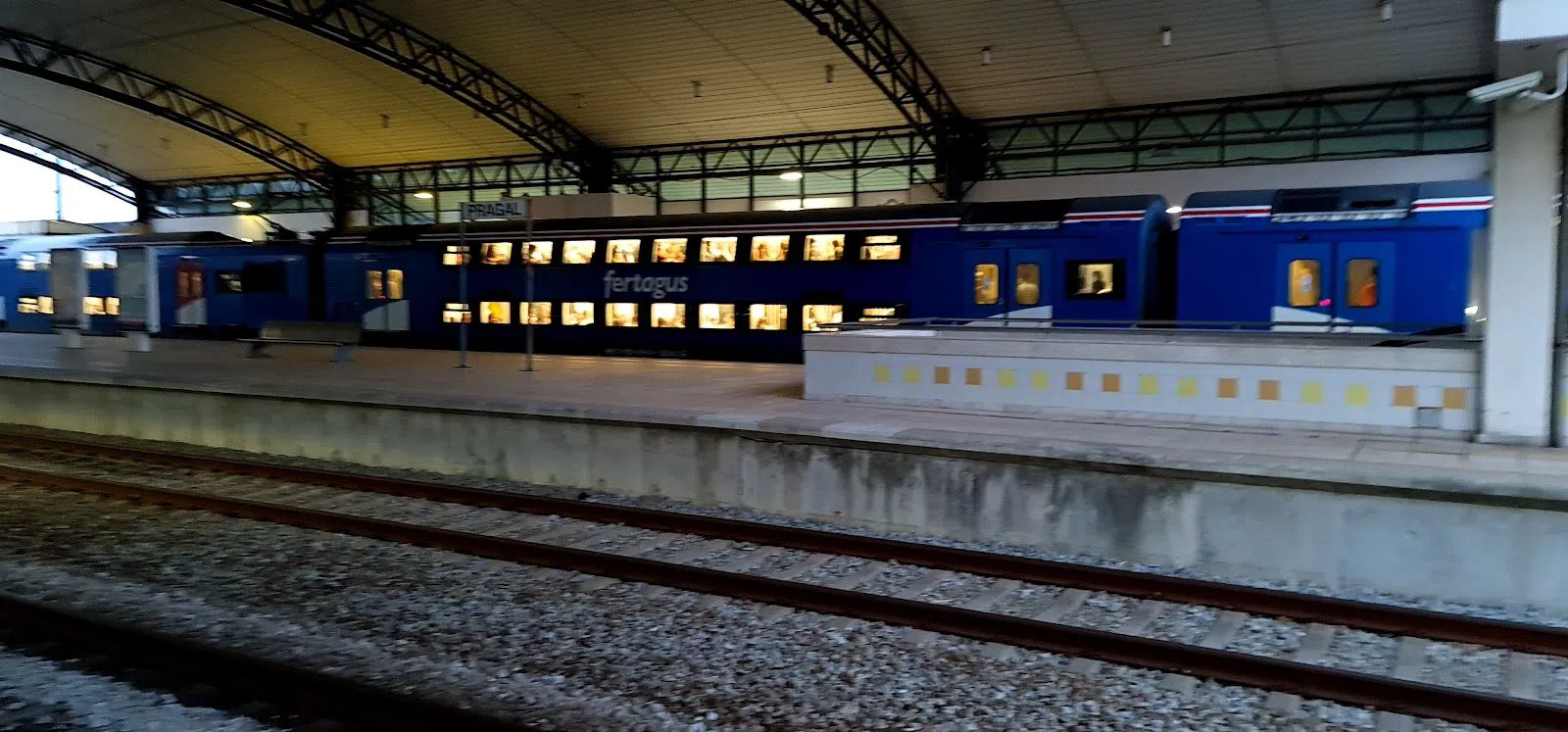
For further south, Fertagus (boarding at Roma-Areeiro, Entrecampos, Sete Rios or Campolide) is the only train that crosses the bridge. Double-deck carriages, roomy, no reservation, every 30 minutes daily, €3 to €6 depending on how far you go. Pragal is a five-minute bus from the Cristo Rei statue; stay on and the line reaches Setúbal for the Arrábida coast. That puts the south bank within an easy afternoon.
The day trips the trains already cover
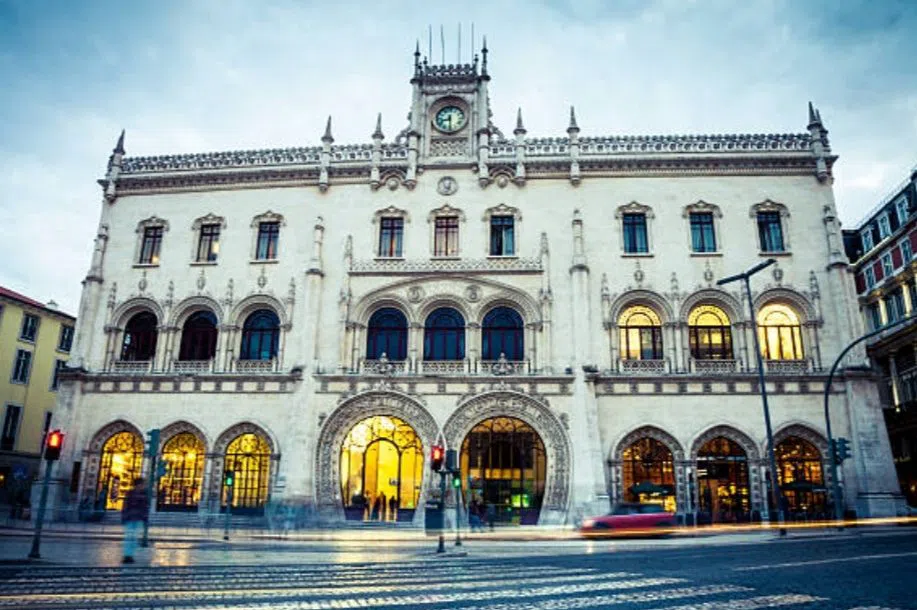
Rossio Station (CP Sintra line), right at the top of Baixa, is the whole argument against hiring a car. Forty minutes door to door, departures roughly every 20 minutes, €2.45 one way or €4.90 return, and it leaves through the 1888 tunnel directly under the city and drops you a ten-minute walk from the historic centre. Driving the same route means gridlock on the Pena road and nowhere to leave the car at the other end. Turn up and go. There is no group booking, and the carriages swallow large parties easily as long as you avoid the 09:00 to 11:00 outbound crush.
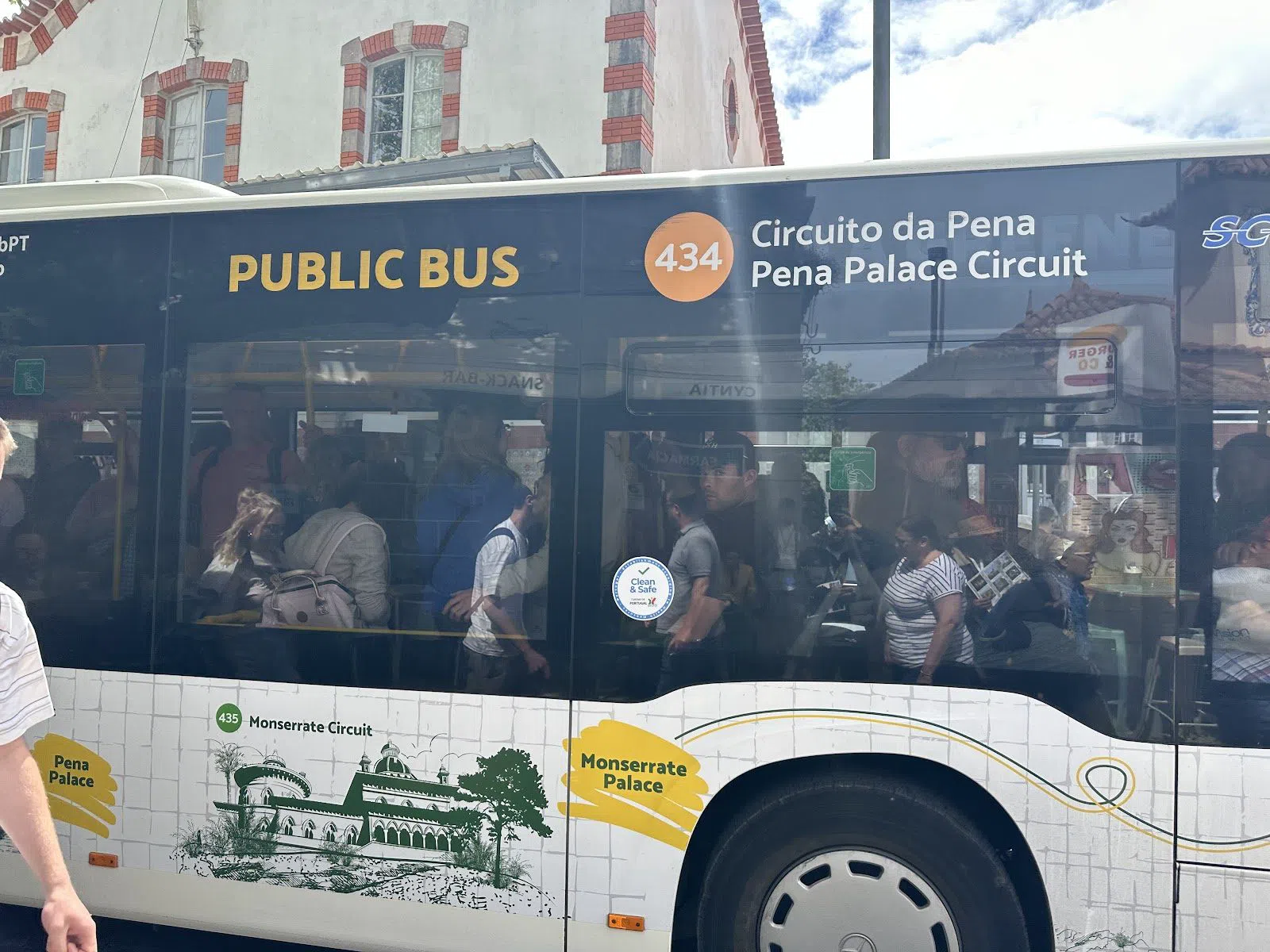
Once you are there, the last climb still has to be solved. Scotturb Bus 434 (Circuito da Pena), from the station forecourt, is the sensible way up to Pena Palace and the Moorish Castle: €4.10 one way, €7.60 return, or €13.50 for a 24-hour pass that also covers the 435 circuit out to Quinta da Regaleira and Monserrate. Departures every 15 minutes from about 08:50, hop-on hop-off, no reservation. The ticket queue at the station can run over 30 minutes in high season, so buy the day pass online before you travel and walk straight to the stop. Even with a car you would not be allowed to park up at the palace, so this is not a compromise.
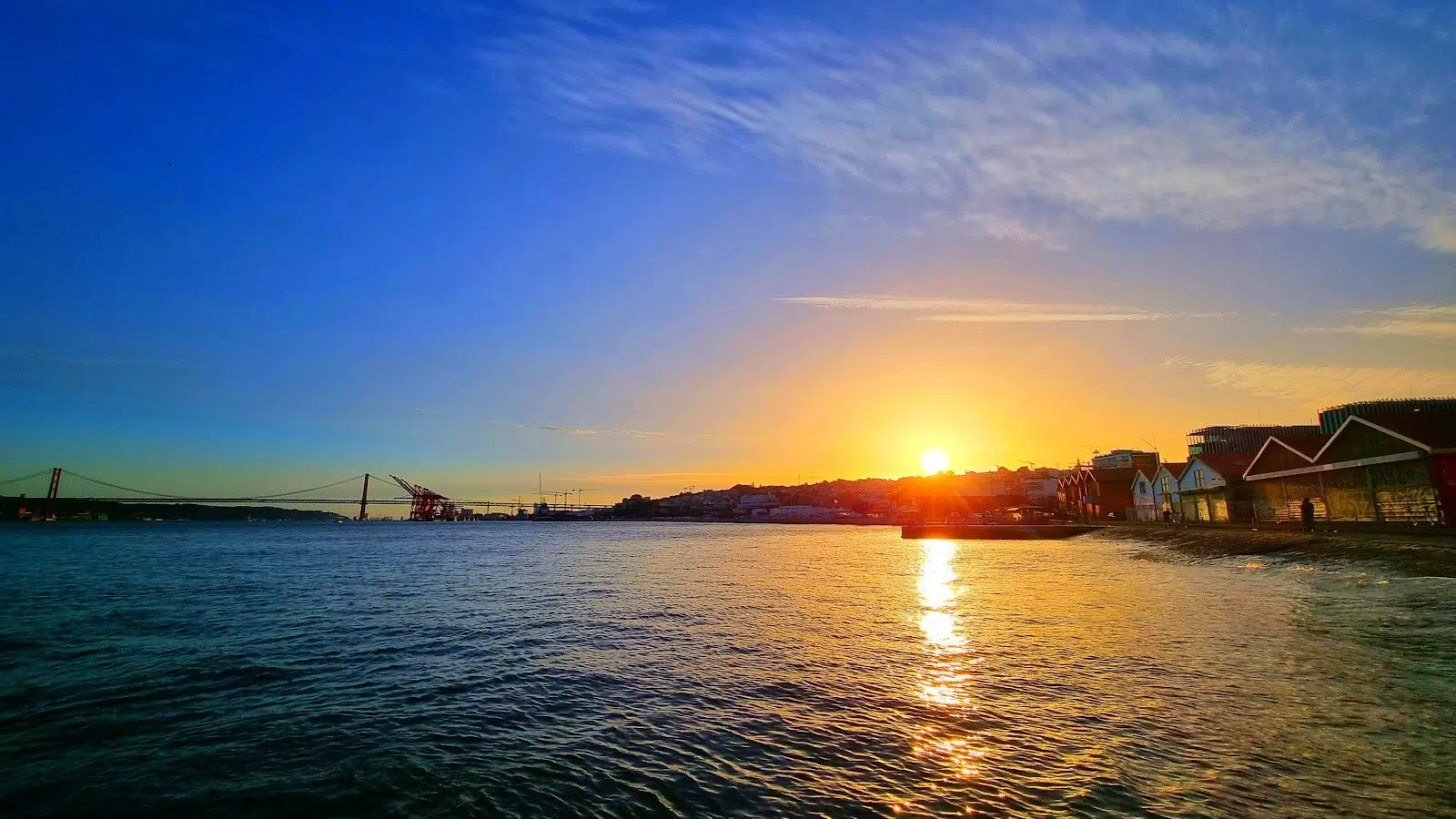
West instead, Cais do Sodré Station (CP Cascais line) runs 33 to 45 minutes along the water for €2.55 one way, with Estoril, Oeiras and a string of swimmable beaches on the way. Sit on the right-hand side leaving town for the sea views. Carriages are wide open and nothing needs booking. The metro station here reopened on 27 August 2026 after three weeks of Circular Line works, so connections through it are back to normal.
To chain both in one day without doubling back into town, use Carris Metropolitana (the yellow regional buses, boarding at the coastal and Sintra terminals). The 1623 and 1624 link Cascais and Sintra directly in 30 to 45 minutes at €1.55 with a navegante card. They fill fast in summer, so a group should aim for an off-peak departure rather than the one everyone leaves the beach for. The same network reaches Cabo da Roca and the Guincho coast, which is the only part of this region a car would genuinely have made easier.
When to give up and call a car
Bolt is the honest fallback for late nights, luggage runs, and the last steep 300 metres home when your legs are finished. Reckon on €10 to €15 from the airport to the centre, typically 10 to 25 per cent under the alternatives on the same route. Standard cars seat four and Bolt XL takes six; with luggage, book two cars rather than cramming one.
Two practical catches. At the airport, pickup is from the marked P2 level, not the terminal kerb, so walk up rather than standing outside wondering. And ride-hail cars cannot enter the 337 central streets now closed to tuk-tuks and restricted traffic, so a pin dropped deep in Alfama will be met at the nearest through road, sometimes a two-minute walk and a flight of steps from where you thought you were going. Drop the pin on a road a car can actually use and save the argument.
Whether the Lisboa Card pays
The Lisboa Card (buy online, or queue at a tourist office in Baixa) costs €31 for 24 hours, €51 for 48 and €62 for 72, with children aged 4 to 15 at €21, €28 and €35. It bundles unlimited metro, tram and bus with free CP trains to both Sintra and Cascais, plus entry to Jerónimos, Belém Tower and São Jorge castle.
Do the maths before you buy: transport alone rarely costs more than €10 to €12 in a hard day of moving, so the card only pays if you are museum-heavy. One card per person, activated on first use, and it runs on hours from that validation rather than on calendar days, so activate it on the morning of a full sightseeing day, never on the evening you land. Buying online for the whole party also skips the office queue, which in season is the real cost.
Practical notes
Zapping credit is the default for money. Keep €10 or so on each card and top up at any machine. Cash still works on trams and regional buses but costs roughly double, and drivers will not love a €50 note. Card payment is normal everywhere else.
The timings worth memorising: metro 06:30 to 01:00, ferries every 15 to 20 minutes until about 23:45, Fertagus every 30 minutes. The Funicular da Graça closes around 17:00, the free castle lifts around 21:00. Ride the 28E before 09:00 or after 18:00, and avoid the whole system between 08:00 and 09:30 and 17:30 and 19:00 if you are more than two people.
Footwear matters here. The pavements are polished limestone and they are slick in rain. Wear flat rubber soles, and take the lifts rather than the steps when the stone is wet.
A rough budget for two people, three days, no car: €1 in cards, about €25 to €30 of zapping each for local travel, €4.90 each for the Sintra return, €5.10 each for Cascais, €13.50 each for the Scotturb day pass, and one €12 Bolt home. That is under €160 for two, against a hire car that would have cost more than that before you found a single parking space.
For where to eat, sleep and spend the hours between the rides, the Lisbon guide covers the rest of the city.
Before you go
Do I actually need a rental car in Lisbon?
No. The four-line metro runs 06:30 to 01:00 from the airport terminal into the centre, the CP trains cover both major day trips, and 337 central streets are closed to through traffic anyway. A car adds parking cost and gridlock without reaching anywhere the network misses, apart from Cabo da Roca and the Guincho coast, and the Carris Metropolitana yellow buses serve those too.
What is the cheapest way to pay for transport?
Buy a navegante occasional card for €0.50 at any metro machine and load zapping credit of €3 to €40. That drops the metro to €1.72 a ride, trams and buses to €1.35, the ferry to €1.60 and regional buses to €1.55. Cards cannot be shared, so one person needs one card. The €7.25 24-hour Carris/Metro pass only beats zapping from about the fifth ride of the day.
How do I get from the airport into the city?
Take the Red Line straight from the terminal. It is step-free by escalator the whole way, with trains every few minutes. If you have heavy bags or arrive after 01:00, Bolt runs €10 to €15 into the centre, and airport pickup is from the marked P2 level rather than the terminal kerb.
Are the funiculars and the Santa Justa lift working in 2026?
Mostly not. In September 2026 the Funicular da Graça is the only funicular running, on reduced hours of roughly 09:00 to 17:00 since it reopened on 30 April 2026. The Glória has been out since the September 2025 derailment, with a replacement targeted for 2029, and the Bica, Lavra and Santa Justa lift stay closed with no announced date. The free Elevador do Castelo lifts from Rua dos Fanqueiros are the reliable way up towards the castle.
Can I do Sintra and Cascais in one day without a car?
Yes. Take the train from Rossio to Sintra (40 minutes, €4.90 return), use the Scotturb 434 day pass at €13.50 for Pena and the Moorish Castle, then cross on the 1623 or 1624 regional bus to Cascais in 30 to 45 minutes for €1.55, and come back on the Cascais line into Cais do Sodré for €2.55. It is a long day, so start before the 09:00 to 11:00 outbound crush.