The Lisbon issue
Graça on Foot for Lisbon's Highest Views, Gardens and Lunch
Three free terraces, a garden you can climb without stairs, and lunch on the largo for €15: how to spend a day on Lisbon's highest central hill.

By Robin AaltinkLisbon on foot, timed to the tram
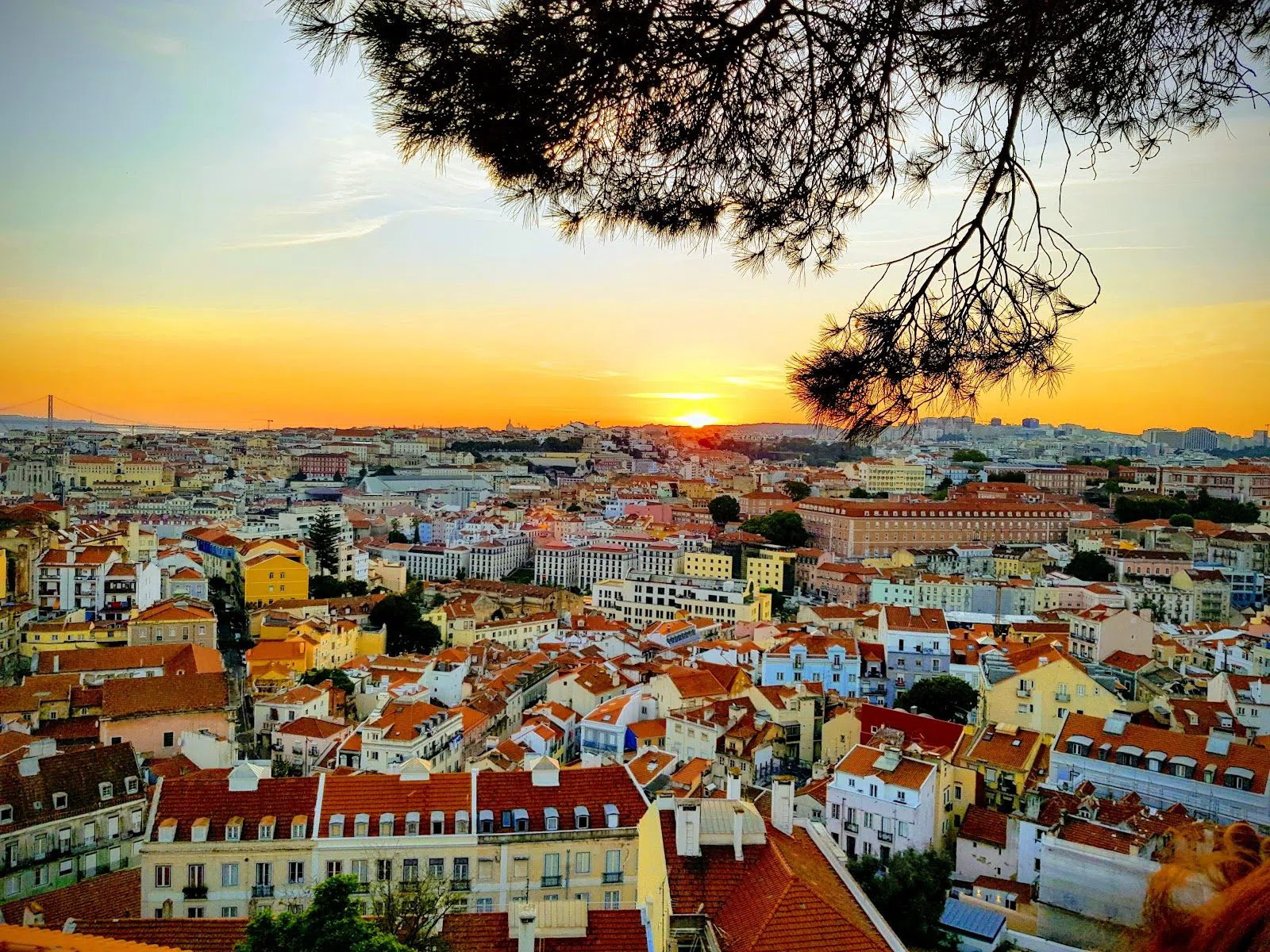
From Martim Moniz it is about a kilometre up to Largo da Graça, with roughly sixty metres of climb in it, and that walk changes the character of a day. Up here the city stops performing: a monastery on one side of the road, a garden the local schools use on the other, three free terraces looking across the castle to the river, and a row of dining rooms where lunch costs less than a ticket to most of the views below. The 28 delivers people in batches, they photograph the water for twenty minutes and go back down, and the hill carries on without them.
Getting up the hill
Tram 28 climbs from Martim Moniz and stops at Largo da Graça a few stops later. In the middle of the day you will stand, pressed against a stranger, for the whole eight minutes, and the queue at the Martim Moniz terminus is often longer than the ride. Tram 12 runs a shorter loop over the same shoulder of the hill and is usually emptier. Bus 734 does the same job without any of the romance and is what people take when it rains.
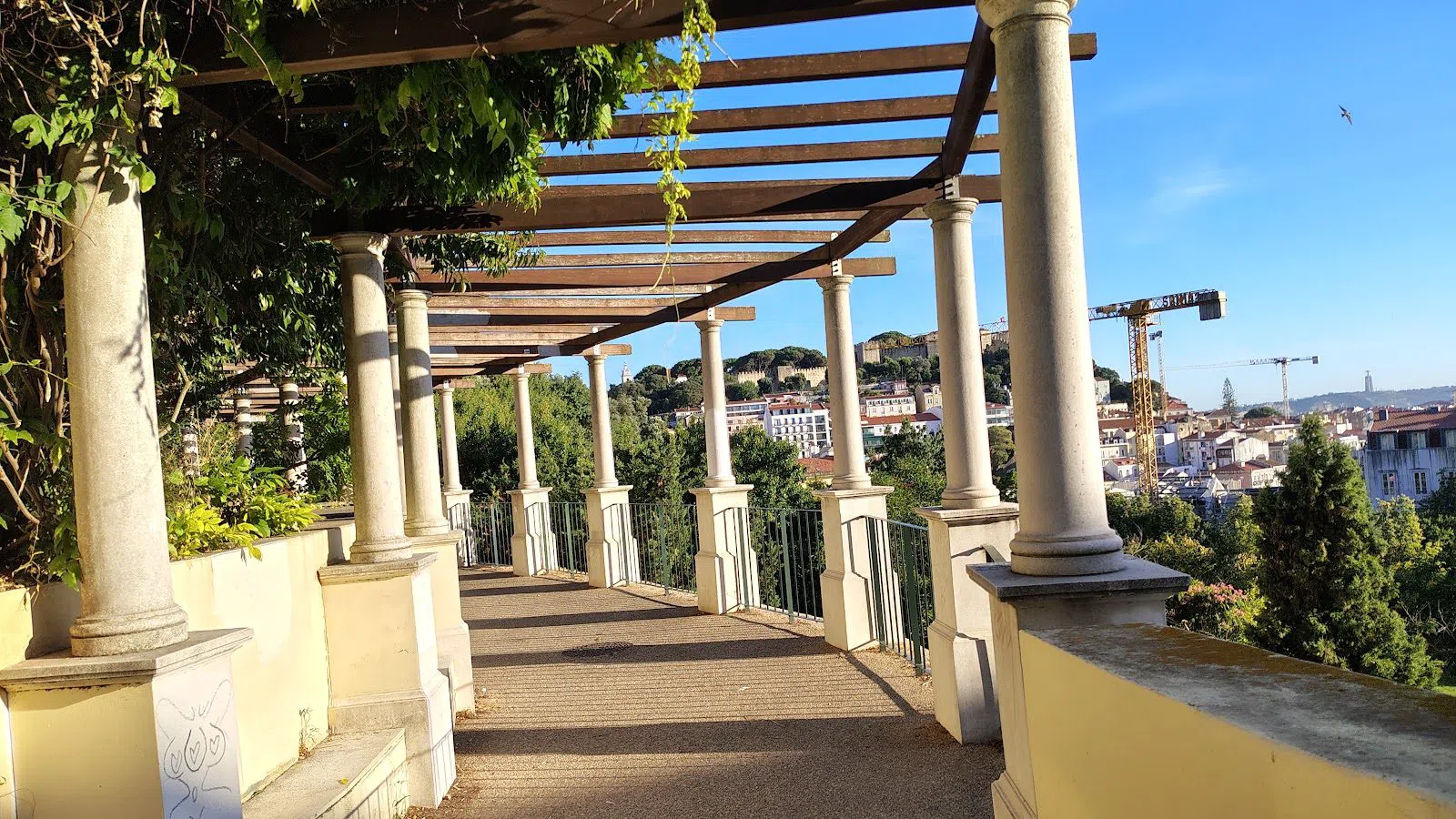
Walking up is more pleasant than it sounds if you pick the right line. Go through Jardim da Cerca da Graça (entrance from the Mouraria side, below the largo), which rises on ramps and switchback paths rather than stairs and puts you at the top of the hill in about fifteen minutes from Martim Moniz. The alternative, Calçada do Monte, is a straight steep street with almost no shade, and in July it is an unpleasant twelve minutes. Everything in Graça is cobbled and most of it is on a slope, so leather soles stay in the suitcase; anyone with a bad knee should ride up and walk down rather than the reverse.
If you would rather not do that climb twice a day, sleep on the hill instead: the Lisbon hotel search covers what is available up here and in Mouraria just below.
Plan your Lisbon trip
Live prices from our booking partners.
Free cancellation on many rooms. We may earn a commission when you book.
Three free terraces and the hour each one wants
Miradouro da Senhora do Monte (top of Calçada do Monte, Graça) is the highest viewpoint in central Lisbon and the anchor of any walk in the area. It is an open public terrace, free, with no door policy and nothing to book, but the usable space is a narrow strip of wall, and from about ninety minutes before sunset it belongs to tuk-tuk parties arriving six at a time. Come mid-morning, when you will share it with two or three people and a dog, or exactly an hour before sunset and take a place at the wall while there is still one. The castle sits below you in profile and the river runs out to the right.
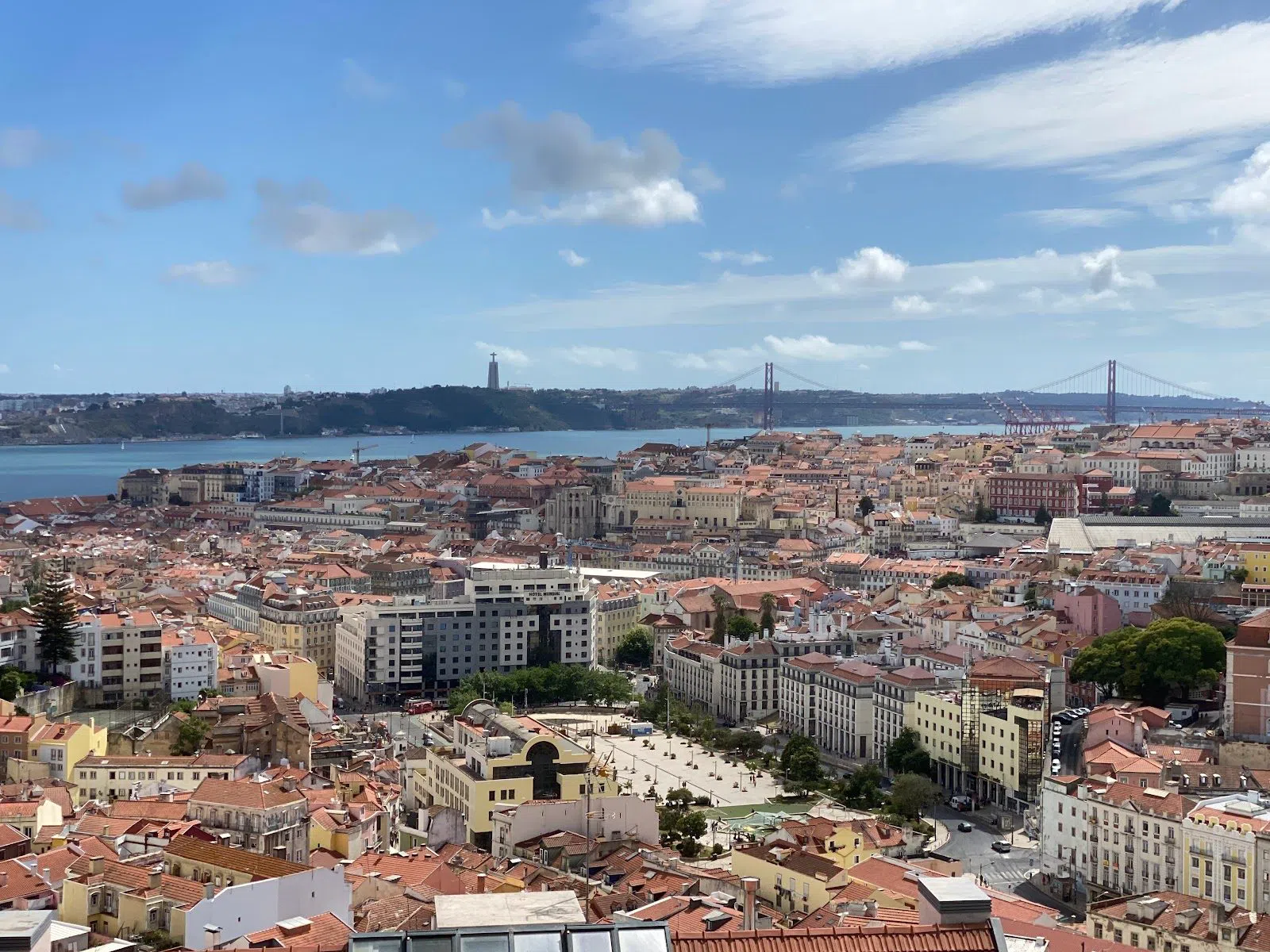
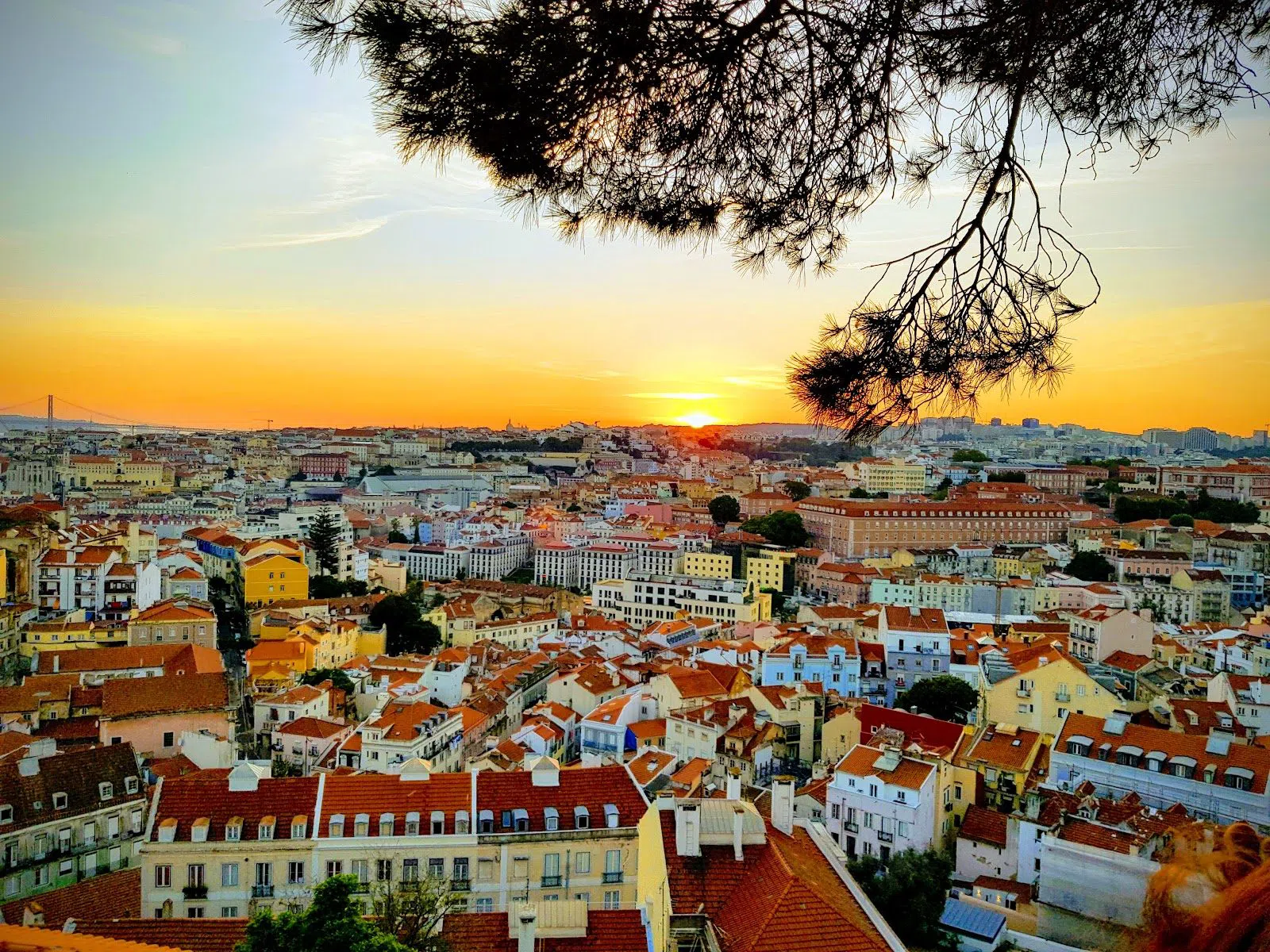
Three hundred metres downhill, Miradouro da Graça — Sophia de Mello Breyner Andresen carries the name of the poet who worked here, and the Esplanada da Graça kiosk on the same terrace has been pouring cold beer under the pines since 1992. Drinks are roughly €2-5, there are no bookings, and it serves until 1am, which is why it works as the neighbourhood's evening meeting point rather than a viewpoint you tick off. Groups are fine, since the terrace is large and first-come, but at sunset every table has been taken for an hour already and you will drink standing up. That is not a hardship.
When Senhora do Monte is three deep at the wall, walk ten minutes north-east to Miradouro do Monte Agudo (Graça), which is the same hilltop, the same river, and almost entirely residents. Its kiosk esplanade runs 9am to 10pm and seats a group without fuss, the gates shut around 10pm, and it is closed on Mondays, so check that before you build an evening around it.
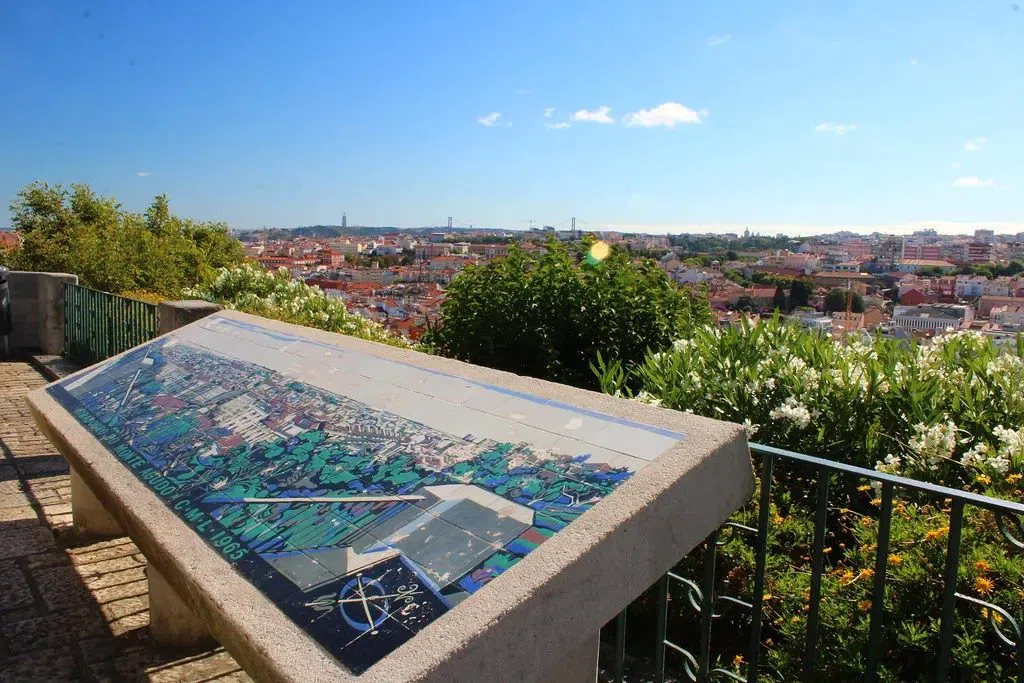
The garden the neighbourhood actually uses
Jardim da Cerca da Graça is the calmest green space up here and the one you will find local families in on a weekday afternoon: broad lawns a group can spread across, olive trees, a kiosk doing coffee and beer for €2-5, and enough shade to sit out the worst of the middle of the day. It is a municipal garden, free, gated, and locked overnight, so plan around the evening closing rather than assuming a late cut-through. It also works as a route, because walking down through it drops you into Mouraria and Martim Moniz without a single staircase, which matters if you are carrying anything or moving slowly.
The views you pay for
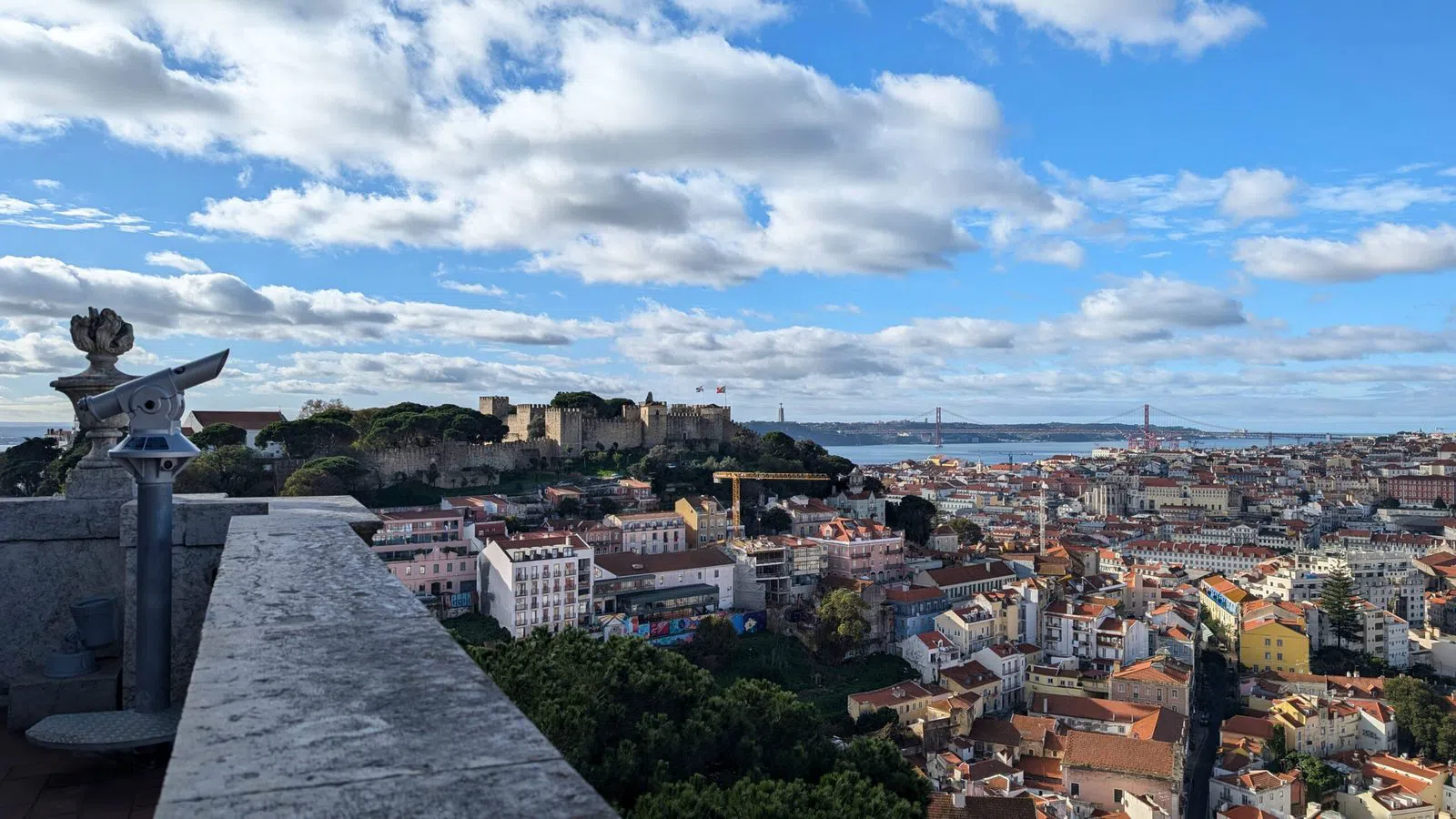
Igreja e Convento da Graça (Largo da Graça) is the building the whole area is named after. Church and cloister are free to walk into, and the roof terrace costs €5 for adults, €3 for ages 7 to 12. It is the one paid view in Graça worth the ticket, because it puts you above the terraces everyone else is standing on. It opens 9.30am to 7pm April to October, and to 6.30pm in winter. The stair up is narrow and single-file, so a party of ten goes up in waves rather than together.
Downhill from the largo, about six hundred metres along Rua da Voz do Operário, Mosteiro de São Vicente de Fora holds the largest collection of baroque tilework still sitting in the setting it was made for, including the long run of panels illustrating La Fontaine's fables. Entry is around €8-10, and the monastery is used to tour parties; group and guided bookings are handled directly with the house. It opens daily 10am to 7pm June to October and 10am to 6pm the rest of the year, with last entry an hour before closing. The roof is the pinch point, where everyone converges and where a coach group can hold you up for ten minutes.
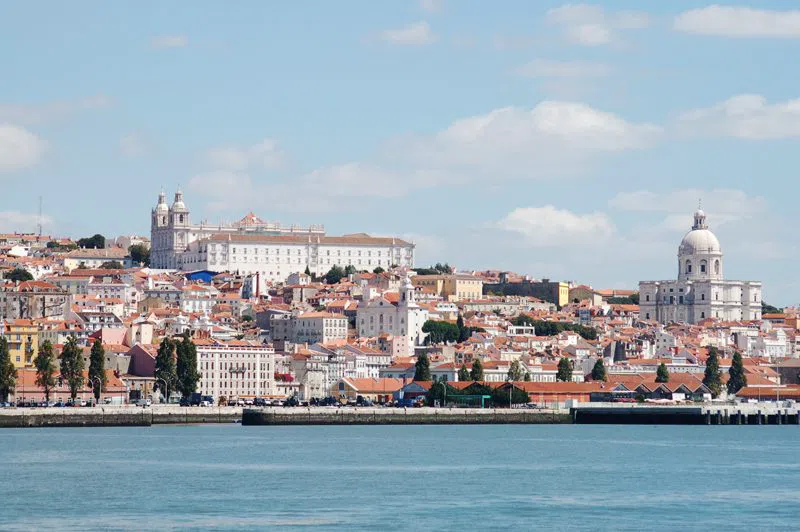
Five minutes further on, the white dome of the Panteão Nacional, formally the Igreja de Santa Engrácia, gives you the fullest circle of view on this side of the city. It costs roughly €4-8, is free with a Lisboa Card, is closed Mondays, and runs 10am to 6pm April to September, to 5pm in winter. Groups are no problem at ground level, but the climb to the dome terrace is stairs only with no lift, so a mixed-ability party will split at the bottom. Agree a meeting point before anyone starts up.
Tuesday and Saturday at Feira da Ladra
Feira da Ladra spreads across Campo de Santa Clara, on the Panteão's doorstep, on Tuesdays and Saturdays only, from around 8am. It is free, outdoors and unrestricted in numbers, but the aisles are tight by mid-morning and any group larger than four ends up in single file. Bring cash, because stalls do not take cards and there are no machines on site. The serious trade, house clearances and tools and tiles and the occasional decent piece of ceramics among a great deal of junk, is done by early afternoon, so an 8.30am start and a coffee afterwards is the honest shape of it. On a market morning, do the Panteão at 10am and come down into the stalls after.
Where to eat on the largo
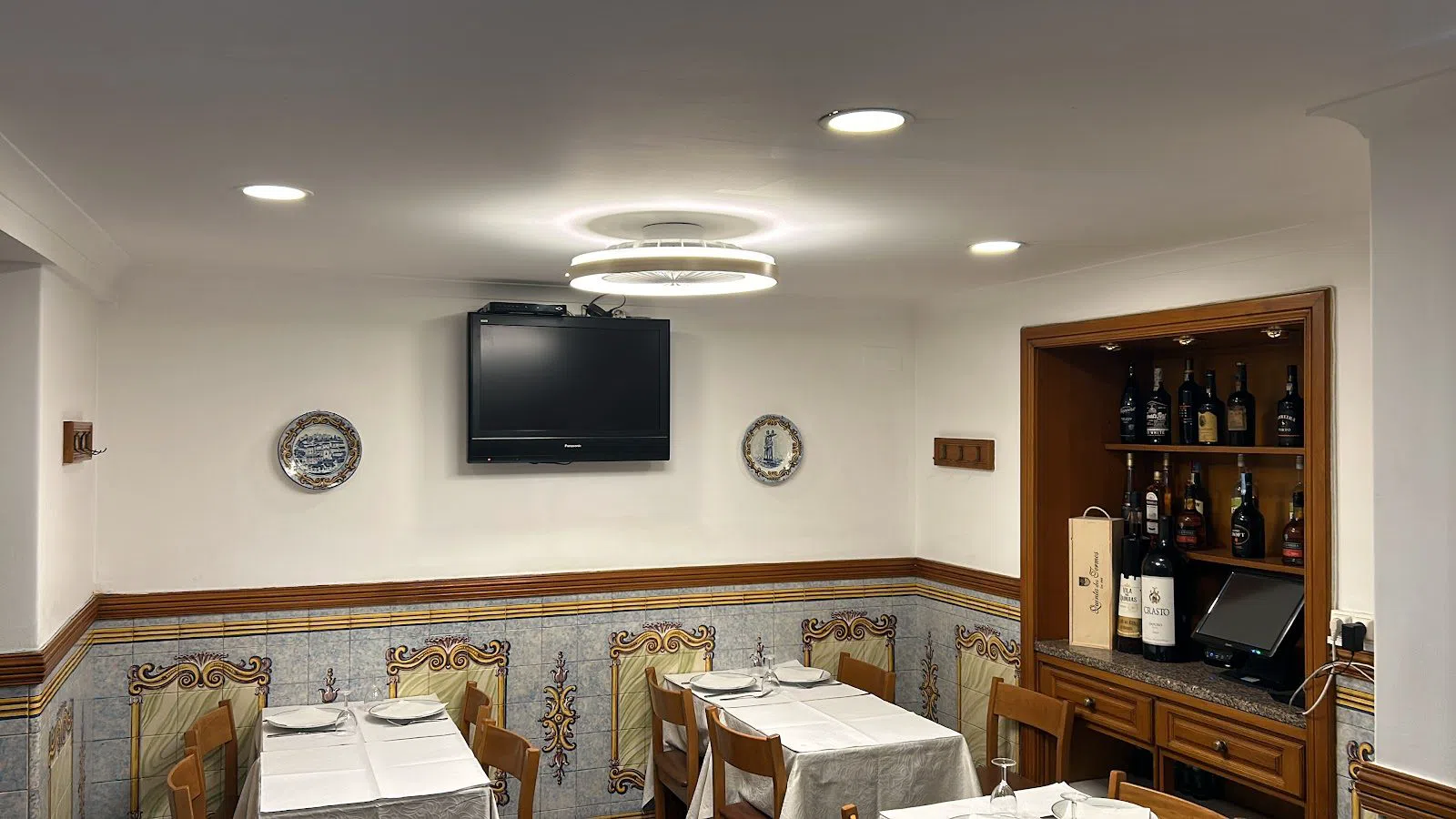
O Pitéu da Graça (Largo da Graça) is the benchmark for straight alfacinha cooking up here, at €15-25 a head. It seats about eighty and takes a table of eight or ten without trouble, but book ahead, particularly for lunch, when a good part of the room is people who work nearby. Lunch and dinner Monday to Friday, lunch only on Saturday, closed Sunday.
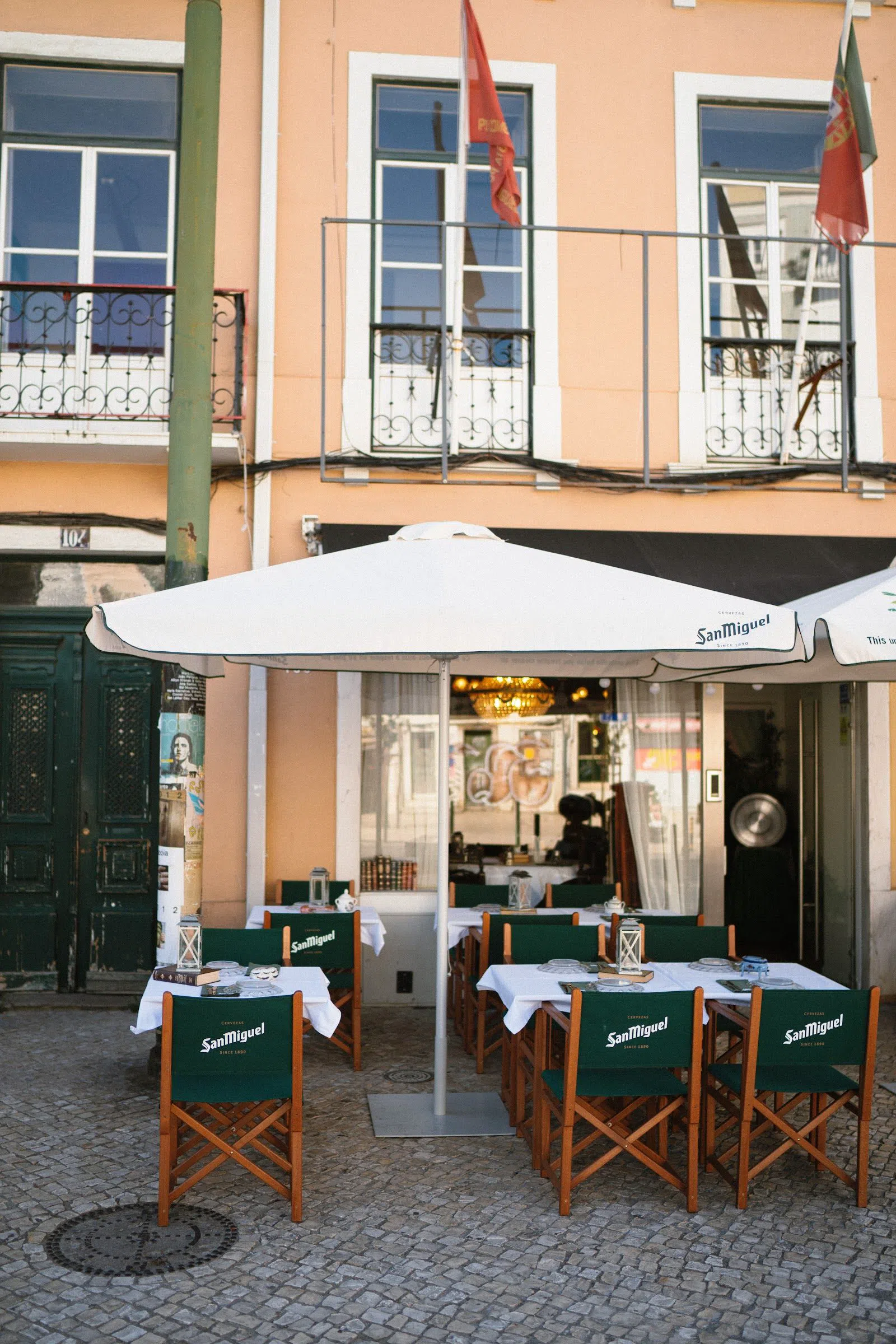
A few doors along the same largo, Sant'Avó is a small dining room doing Portuguese home cooking at €20-30 a head: duck rice, chicken croquettes, goat stew are what to order. Six people fit without strain; anything larger needs a phone call first. It is one of the most consistently well-rated kitchens in Graça, and small enough that this shows in how hard it can be to walk in.
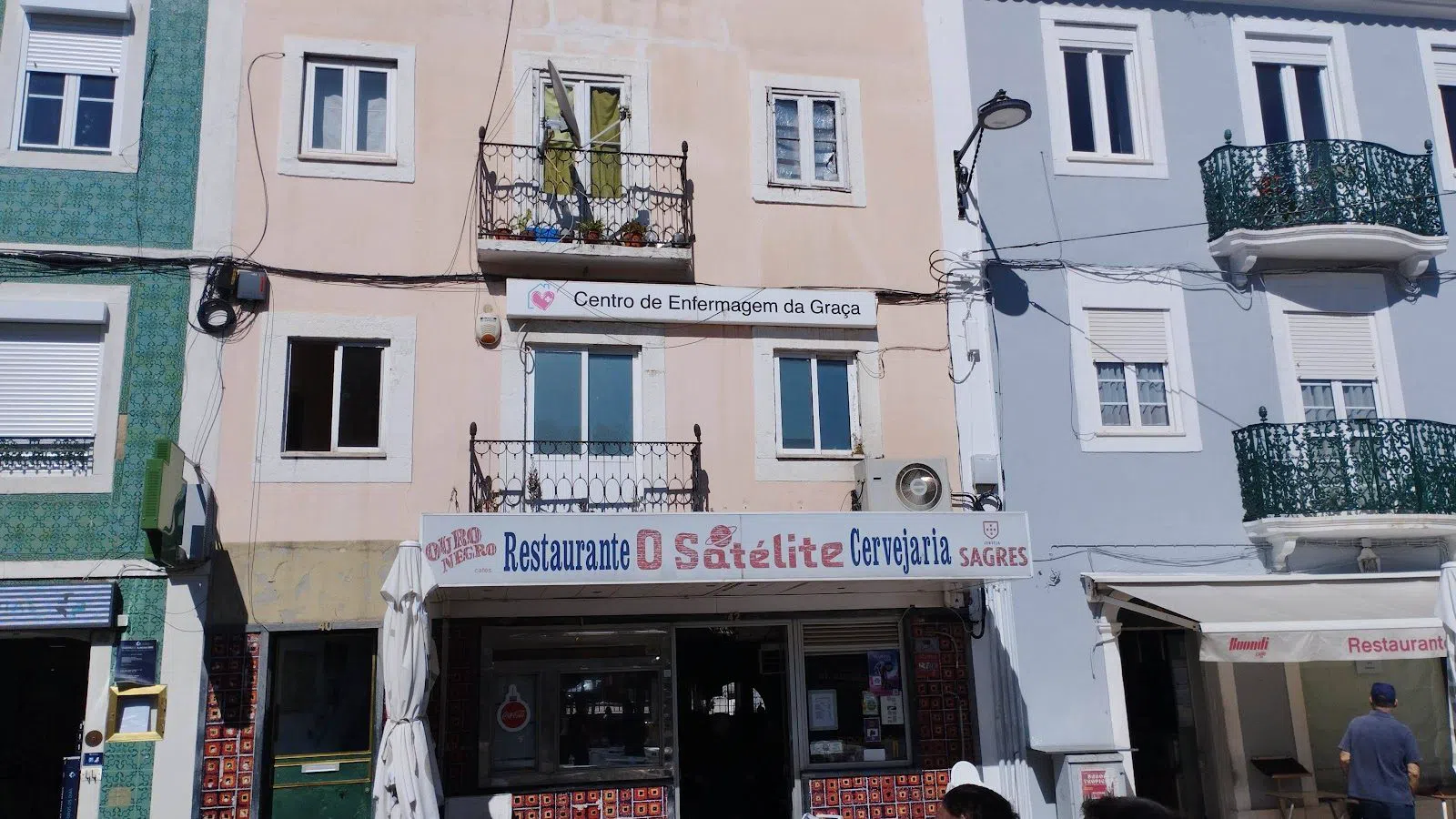
O Satélite da Graça has held the same corner for over fifty years and is still priced for the people who live around it, at €12-20 a head. The outdoor tables on the largo can be pushed together, which makes it the easy choice for a group that has not booked. The bitoque com molho is the dish it is known for. Tuesday to Sunday, noon to 10pm, closed Mondays.
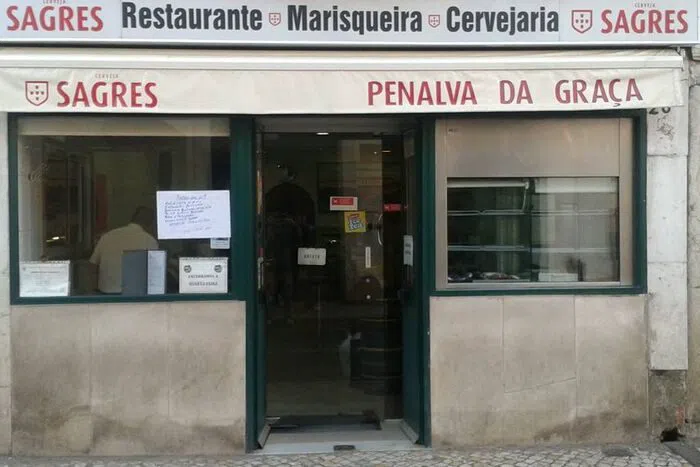
A Penalva da Graça is the most group-friendly room up here: a proper cervejaria with long tables, open 11am to 11.30pm, which makes it the fallback when the tascas have shut between lunch and dinner and everyone is hungry at 4.30pm. Expect €20-35 a head depending on how far into the shellfish you go, and shellfish is sold by weight, so ask the price of what you are ordering before it reaches the table. Closed Wednesdays.
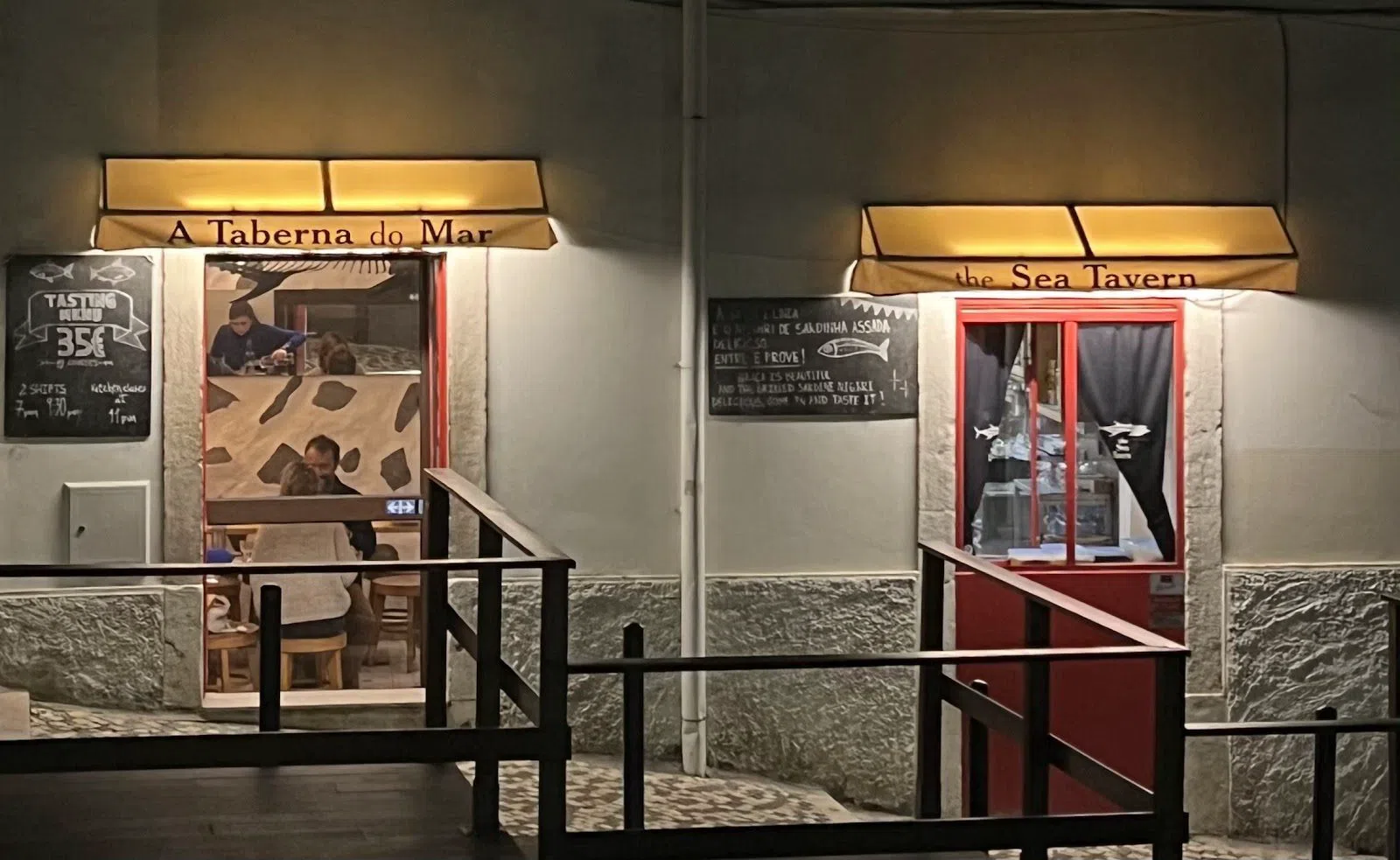
A Taberna do Mar is the opposite: a counter with a handful of seats, one seating a night, Tuesday to Saturday evenings only, serving a ten-course Portuguese-Japanese seafood menu for around €35. Reserve well in advance, because you do not walk into this room, and check payment before you go, since it takes cash and Portuguese cards rather than foreign ones. It suits two people, or four at a push, and does not work for a group.
For breakfast, Pastelaria Milorde opens at 7am Tuesday to Sunday, closed Mondays, and charges under €3 for a coffee and a pastry. It is the everyday counter rather than a destination bakery, and the counter and terrace absorb a handful of people rather than a coach party. Eat standing up like everyone else, then go up to Senhora do Monte before the light gets hard.

After dark
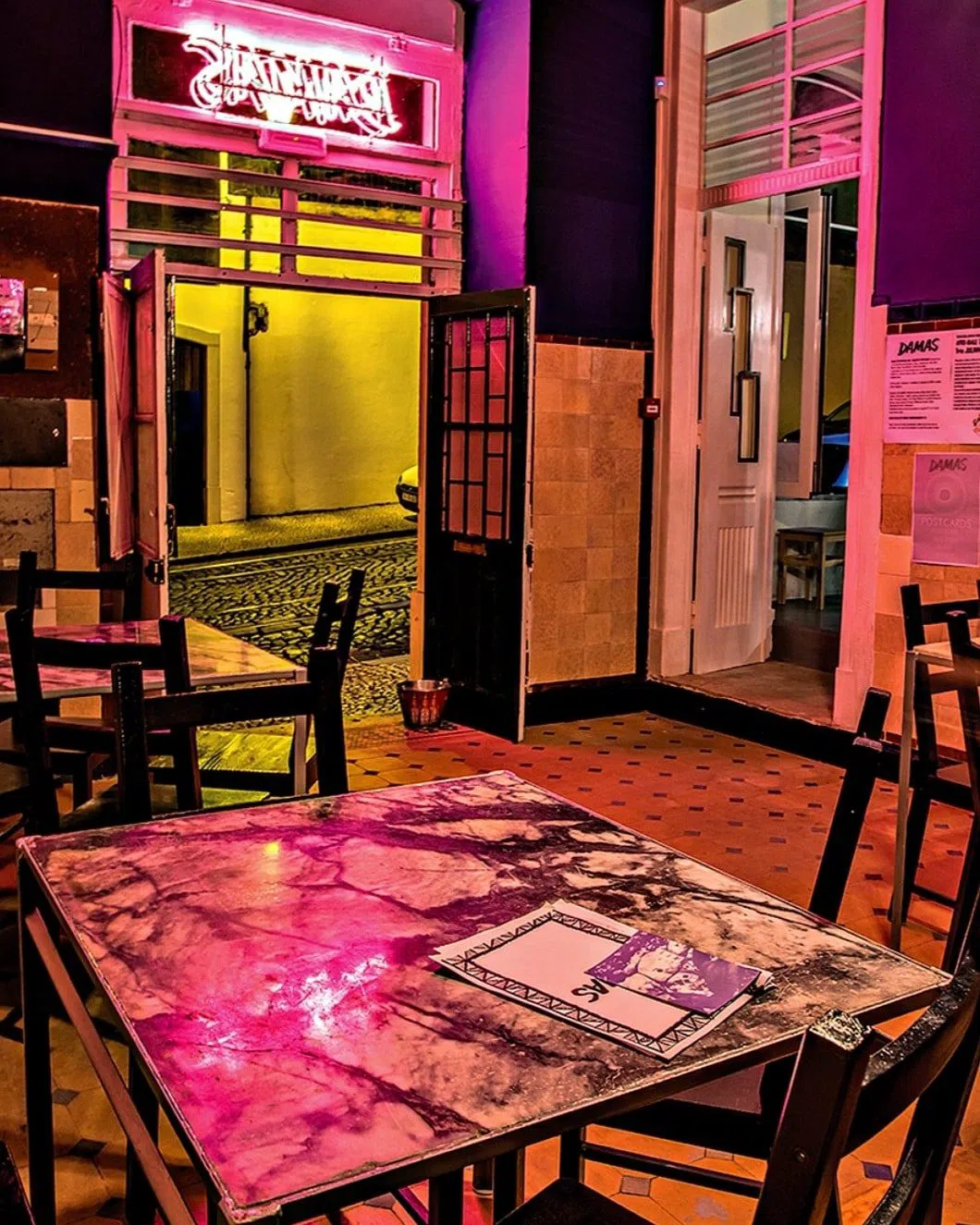
Damas (Graça) is a bar, a kitchen and a small concert room in one building, with no door policy to speak of and a menu that changes on what came in that day. Food runs €10-20, drinks €3-8, and the monthly programme covers punk, afrobeat and most things between. The back room is standing only and fills up on gig nights, so if you want to eat and hear each other, come before the music. Closed Mondays, late every other night.
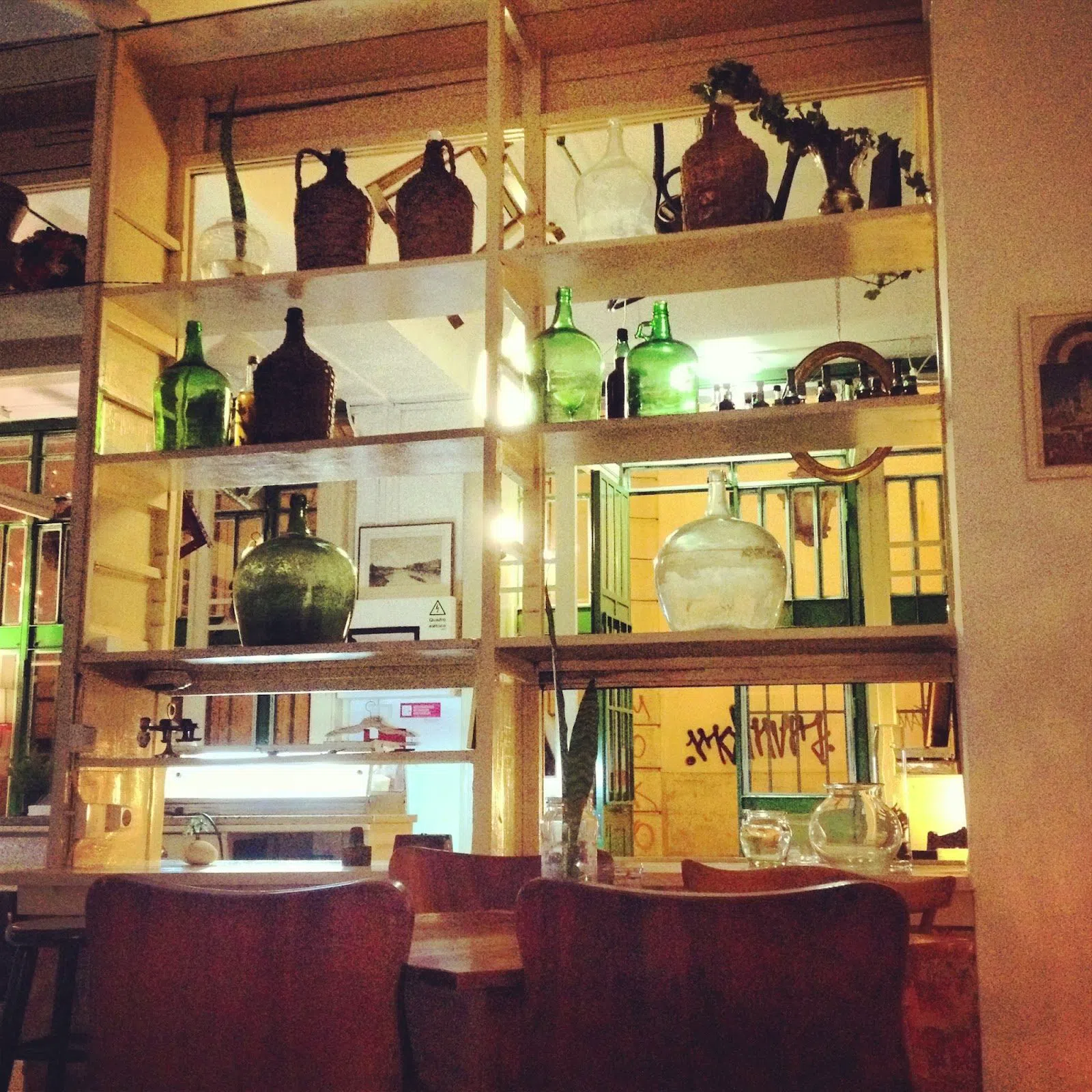
Graça do Vinho has been open since 2013 and is the easiest place up here to be walked through Portuguese regions by the glass: €4-8 a glass, small plates €5-12, open from 11am to around midnight most days. It is small and intimate, so six is comfortable and eight takes over the room in a way everyone else will notice. It works either side of dinner, which is useful when your table is not until 9pm.
A half day that holds together
Start at Pastelaria Milorde at 8am, walk five minutes up Calçada do Monte to Senhora do Monte, then three hundred metres down to the Graça terrace and on to the Convento roof when it opens at 9.30. Lunch on the largo at O Pitéu or O Satélite. Afterwards take Rua da Voz do Operário down to São Vicente de Fora, carry on to the Panteão, and either finish in Alfama or turn back up through Jardim da Cerca da Graça towards Mouraria. That is about three kilometres in total, nearly all of it downhill after the first climb, and it fills a day at a walking pace with two long sits in it. For the rest of the city around this hill, the Lisbon guide has the wider picture.
Practical notes
Getting there is tram 28 or tram 12 from Martim Moniz, bus 734, or fifteen minutes on foot up through Jardim da Cerca da Graça. The nearest metro is Martim Moniz on the green line, at the bottom of the hill; there is no station in Graça itself. A taxi or rideshare will drop you at Largo da Graça and save the climb entirely.
Mondays are thin. The Panteão Nacional, O Satélite da Graça, Damas, Pastelaria Milorde and the Monte Agudo kiosk are all closed. A Penalva closes Wednesdays and O Pitéu closes Sunday. If you have one day up here and it is a Monday, make it the free terraces, the garden, the Convento roof and a long lunch at O Pitéu.
Carry cash. Feira da Ladra is cash only with no machines on site, and A Taberna do Mar takes cash and Portuguese cards rather than foreign ones. Draw €50 in Baixa before you come up; the kiosks are happy with cards but the market is not.
Time the viewpoints for before 10.30am or the hour before sunset. Restaurants in Graça keep Portuguese hours, lunch from around 12.30, dinner from 7.30 and busy by 9, and the tascas do close between services, which is where A Penalva earns its keep.
A day up here costs about €30-45 a head all in: coffee and a pastry under €3, lunch €15-25, the Convento roof €5, a kiosk beer €2-5, and a glass of wine before dinner from €4. Add €8-10 if you do São Vicente de Fora and €4-8 for the Panteão dome.
Before you go
How do you get to Graça from central Lisbon?
Tram 28 or tram 12 from Martim Moniz, or bus 734 when the tram queue is long. On foot it is about a kilometre and sixty metres of climb. Go up through Jardim da Cerca da Graça, which rises on ramps rather than stairs and takes around fifteen minutes. The nearest metro is Martim Moniz on the green line; there is no station in Graça itself.
Which viewpoint in Graça is worth paying for?
The roof terrace at Igreja e Convento da Graça, at €5 for adults and €3 for ages 7 to 12, open 9.30am to 7pm April to October and to 6.30pm in winter. It puts you above the free terraces rather than beside them. The stair is narrow, so larger groups go up in waves.
When is Feira da Ladra open, and do stalls take cards?
Tuesdays and Saturdays only, from around 8am at Campo de Santa Clara beside the Panteão Nacional. Stalls do not take cards and there are no cash machines on site, so bring notes. Most of the serious trade is finished by early afternoon.
Do you need to book restaurants in Graça?
For O Pitéu da Graça, yes, especially at lunch. Sant'Avó needs a call for anything above six. A Taberna do Mar has one seating a night and a handful of seats, so reserve well in advance and check payment first, since it takes cash and Portuguese cards rather than foreign ones. O Satélite and A Penalva can usually absorb a walk-in group.
What is closed on Mondays in Graça?
The Panteão Nacional, O Satélite da Graça, Damas, Pastelaria Milorde and the Miradouro do Monte Agudo kiosk. A Penalva da Graça closes Wednesdays and O Pitéu da Graça closes Sunday. The free terraces, Jardim da Cerca da Graça and the Convento roof are all open on a Monday.