The Lisbon issue
Your First Time in Lisbon Without the Queues
A first-trip plan built on the quieter half of Lisbon: rooftop viewpoints you can stand still in, tascas at local prices, and the walks, ferries and closing days that make them work.

By Robin AaltinkLisbon on foot, timed to the tram
Stand at the top of Calçada da Graça on a warm evening and you can watch a queue build at one viewpoint while another, two streets away, has benches free. Lisbon crowds unevenly. The pressure lands on a short list of sights that everybody reaches by the same tram, and the streets either side of that list are quiet enough to hear the gulls over Alfama. What follows is a first trip planned around those gaps, with the gradients marked, because this city asks more of your legs than the photographs suggest. For everything this piece skips, the Lisbon guide covers the wider ground.
Viewpoints where you can stand still
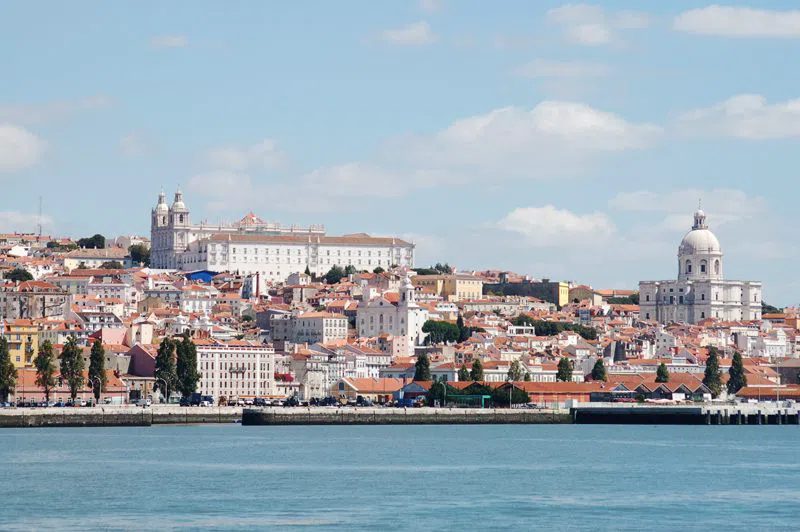
The free miradouros are genuinely good and genuinely full, and the fix is usually to pay a small amount of money for space. Mosteiro de São Vicente de Fora (São Vicente, on the Graça side of Alfama) is the clearest example. Eight euros gets you onto the monastery roof, which looks over the same tiled slope down to the river as the free terraces below it, with the difference that you can walk around, set a camera down and stay for half an hour. Entry is €6 for seniors and Lisboa Card holders, €4 for under-25s, and free for under-12s. Summer hours run 10:00 to 19:00 daily until 31 October, with last entry an hour before closing. Couples and small groups simply walk in; school parties and organised groups need prior authorisation by email, so a family of five is fine and a coach is not.
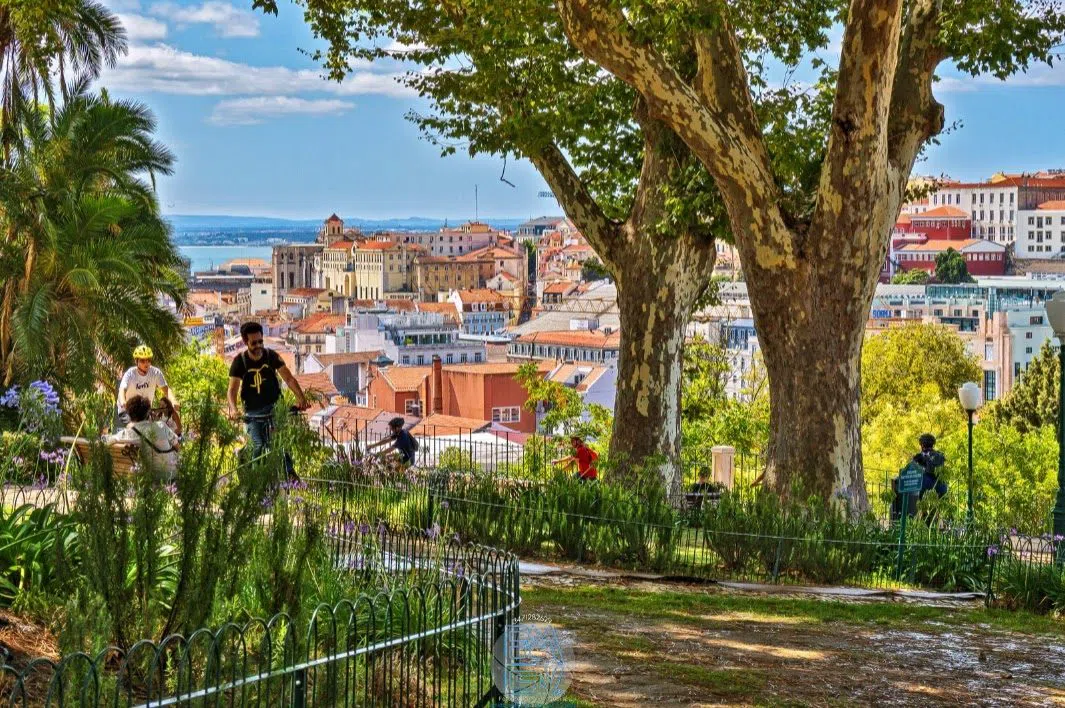
On the other side of Baixa, Jardim do Torel (on the hill above Avenida da Liberdade) does the golden-hour job for nothing. Most of the foot traffic heading uphill is aimed at Senhora do Monte and walks straight past this one, which leaves a small terraced garden with a view across Baixa's rooftops, benches that are actually free, and a kiosk selling soups, salads and drinks. It is open daily, roughly 08:00 to 19:00. The approach from the Avenida side is short, a couple of hundred metres, but steeply stepped, so if stairs are a problem, come at it along the flatter streets from the São José side. The kiosk terrace seats about twenty; the garden itself is unenclosed and takes any number of people.
Plan your Lisbon trip
Live prices from our booking partners.
Free cancellation on many rooms. We may earn a commission when you book.
A museum, a palace and a glasshouse
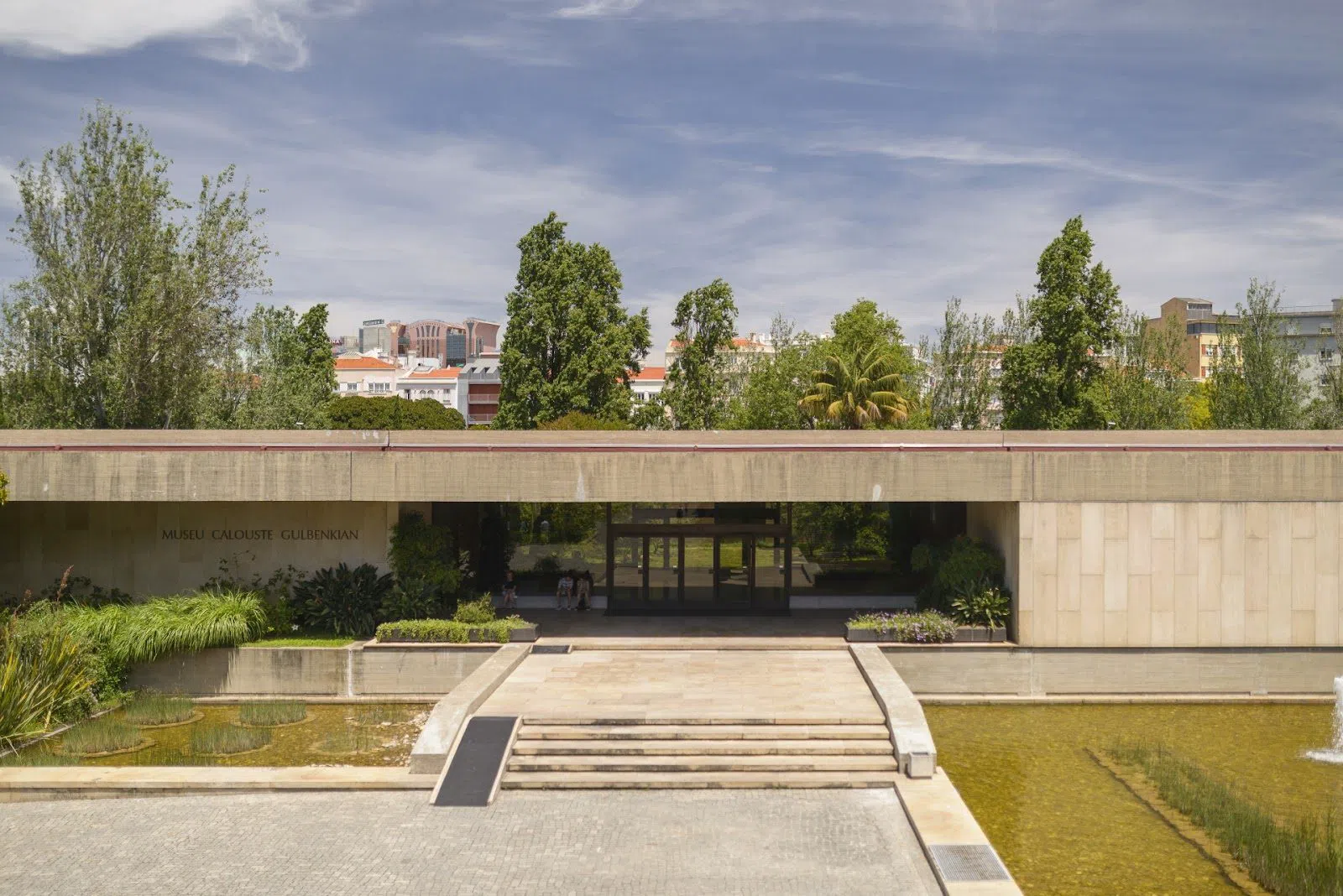
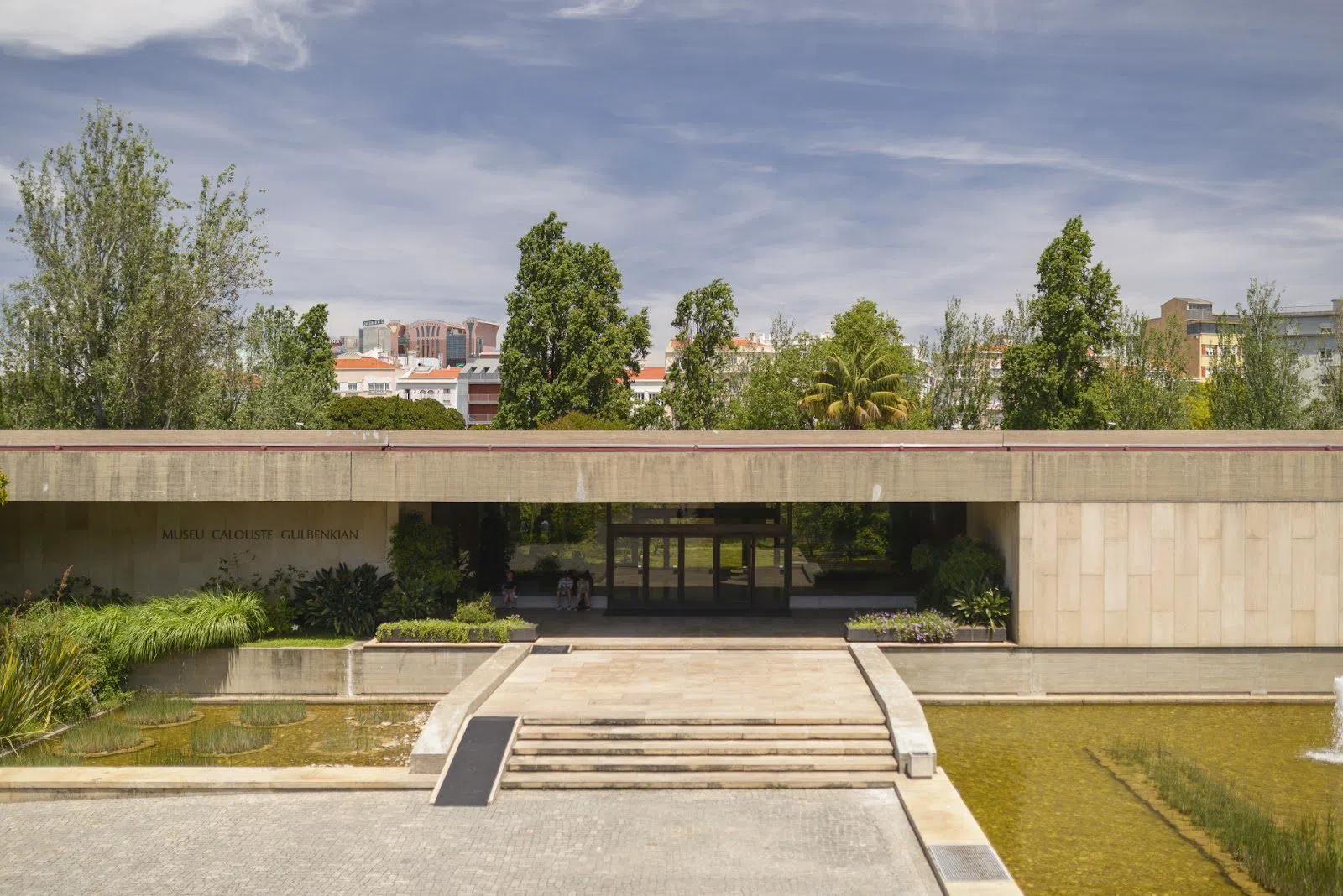
Museu Calouste Gulbenkian (São Sebastião, ten minutes north of Marquês de Pombal) reopened its Founder's Collection on 18 July 2026 after more than a year of renovation, seventy years after the foundation's statutes were signed. Inside are Rembrandt, Monet, Lalique glass and Egyptian bronzes, in a low modernist building that is worth as much attention as the objects in it. Tickets run about €10 to €14 for the collections. The park and gardens around it are free, shaded, full of water, and take any number of people. It is a good place to put an hour when the afternoon heat makes the hills unreasonable. Guided groups must book ahead; independent visitors just turn up.
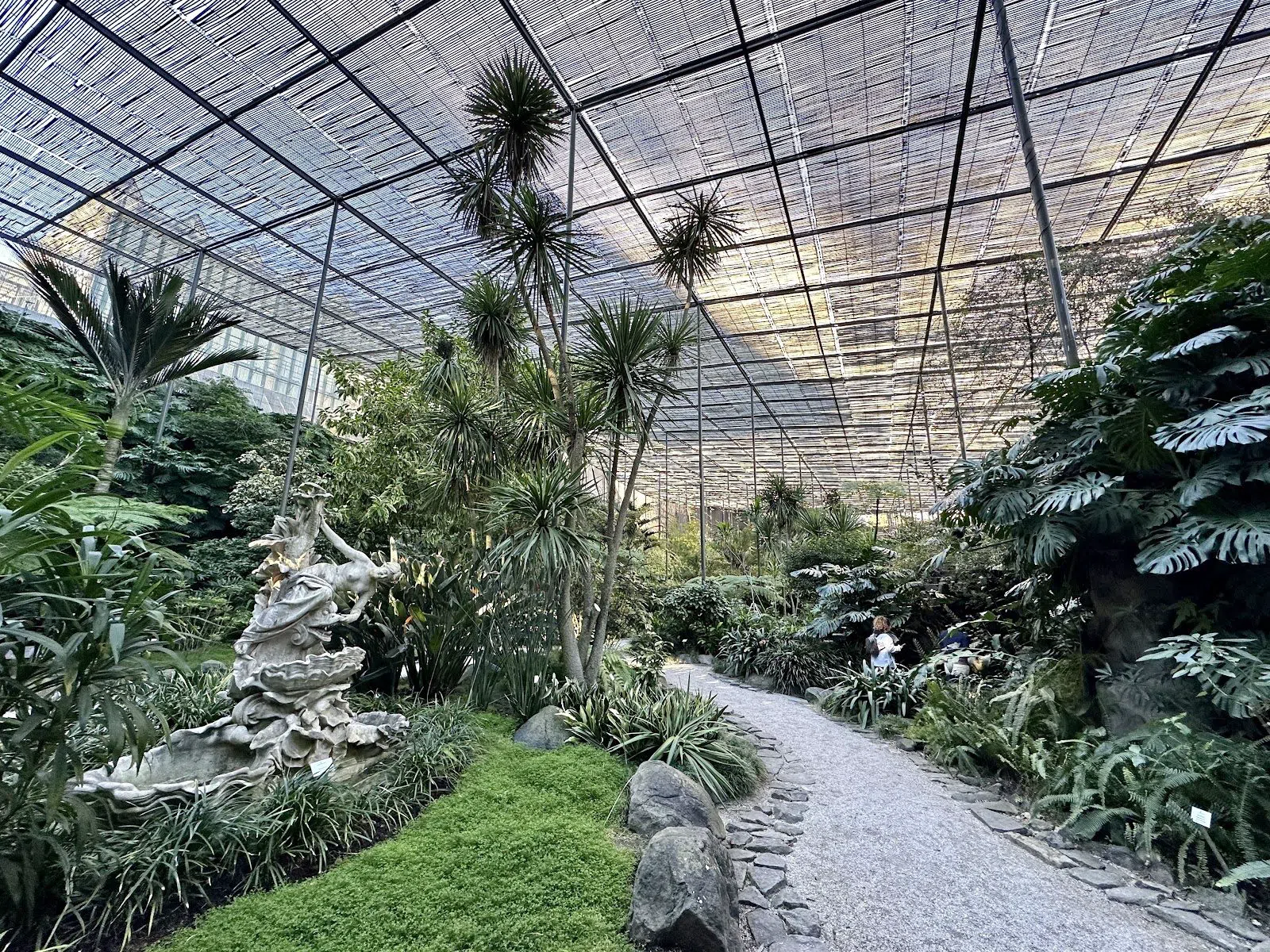
Ten minutes' walk away, Estufa Fria (Parque Eduardo VII) is a 1.5-hectare greenhouse garden built under slatted wood, which means it stays several degrees cooler than the street. Entry is about €3.25, roughly half for students and over-65s, and free on Sunday and holiday mornings before 14:00. It is closed on Mondays. The restoration ran long, so check at the gate whether the Estufa Quente and Estufa Doce are back in service; the main cold house is the reason to come anyway. Paths are wide and level enough that a group of ten is no trouble.
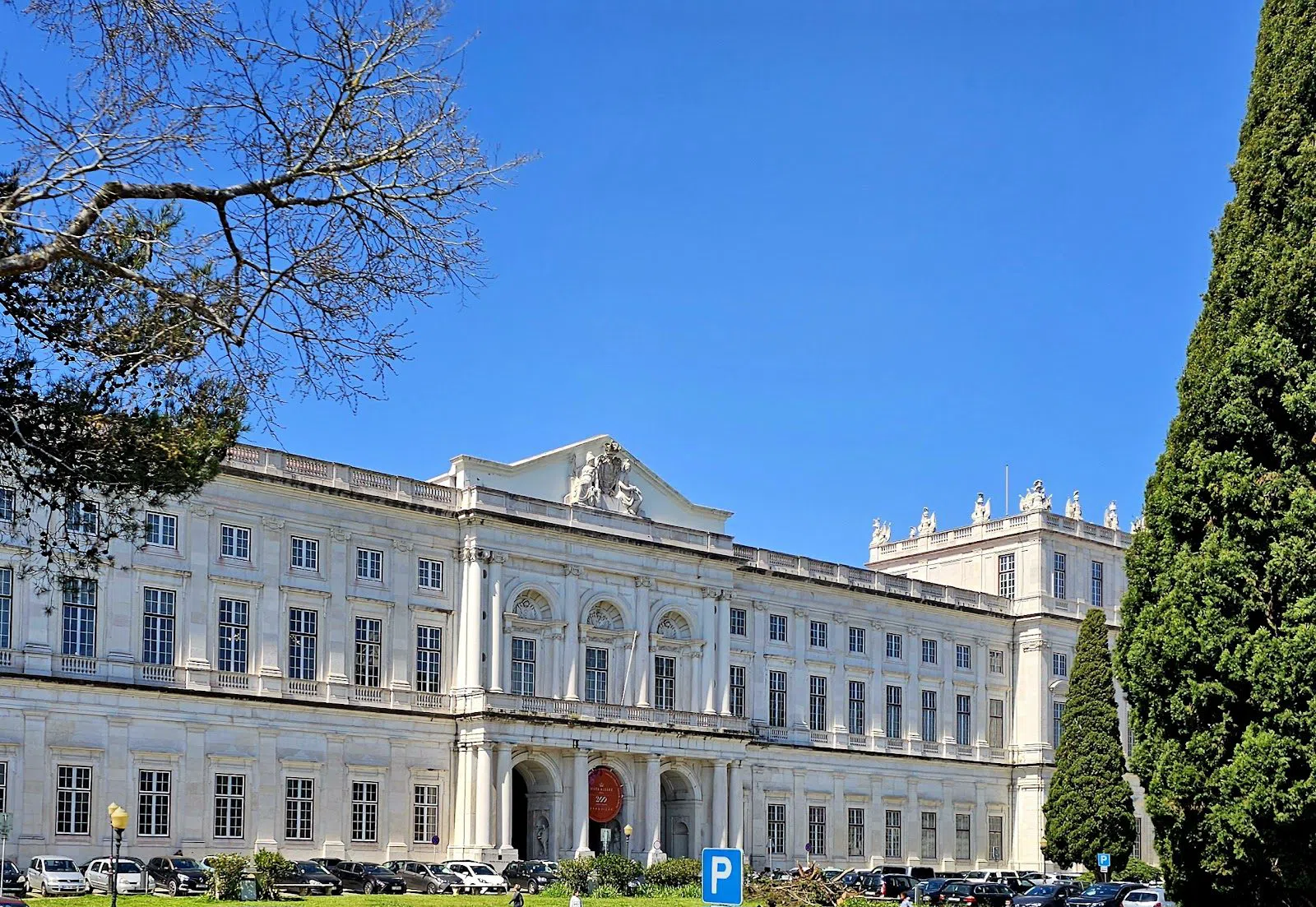
If you are going to Belém, keep the afternoon for Palácio Nacional da Ajuda (Ajuda). It is twenty minutes uphill from the riverfront, and that is a real climb rather than a stroll, so take a taxi if knees or heat are a factor. What you get at the top is the last royal residence, left half-built when the money ran out and then abandoned by the family in 1910, with rooms more or less as they left them. It is almost always calm. Adult entry is €15, with 50% off for ages 13 to 24 and over-65s; the Royal Treasure Museum in the same complex is a separate ticket. Closed Wednesdays. Allow just under two hours. Groups over 20 must book ahead and are capped at 30 per guide, with radio guides required above 10 people indoors.
Lunch at what lunch actually costs
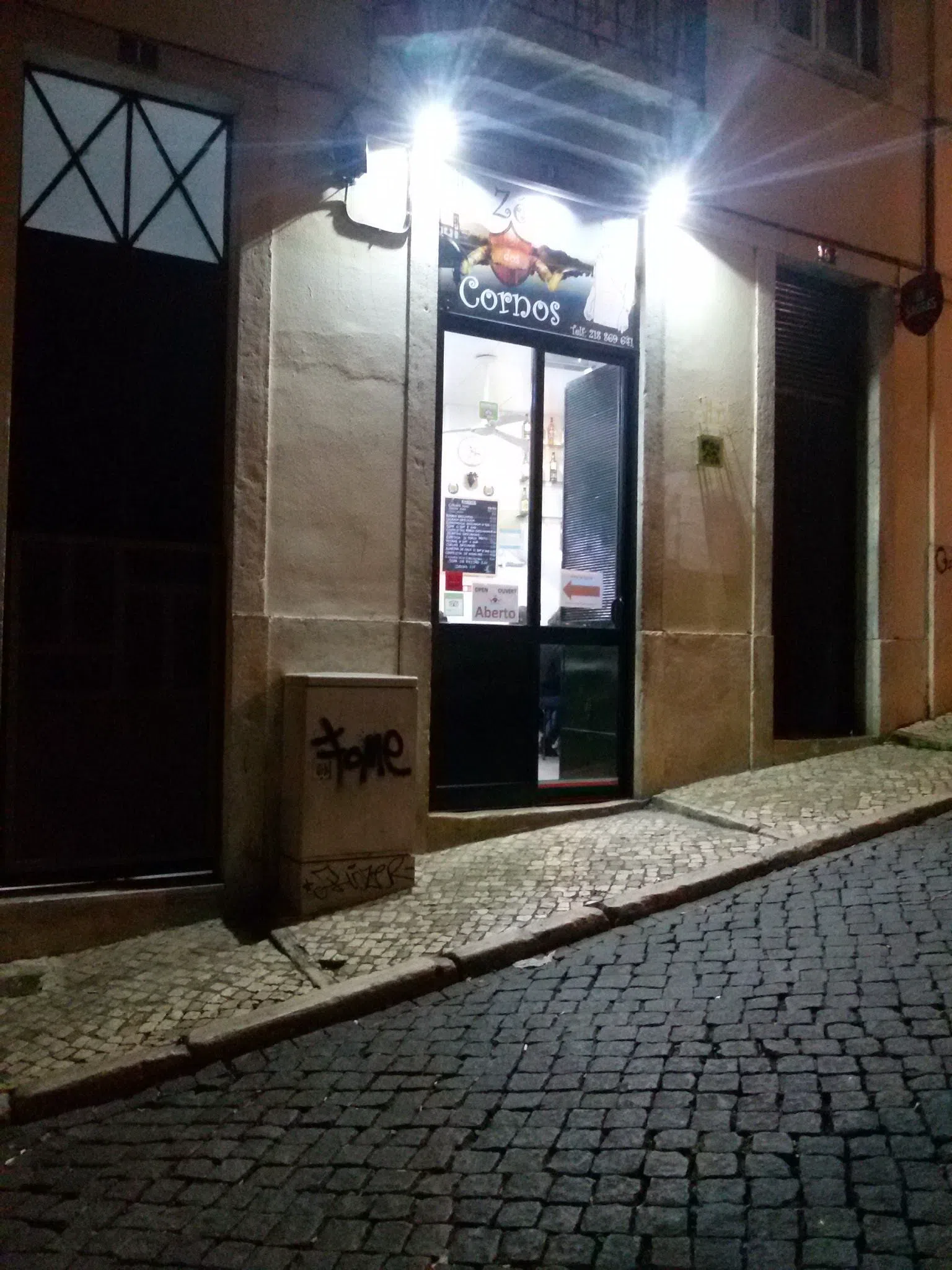
Tasca Zé dos Cornos (Mouraria, a few minutes below Martim Moniz) is the benchmark for what a Lisbon lunch costs when nobody is aiming at visitors. A shared rack of ribs with sides comes to around €13. It is long shared tables, and it will seat a group, but there is no dependable reservation system: you turn up at opening or you stand on the street with a beer until a table clears. Cash is safest. Closed Sundays and Mondays.
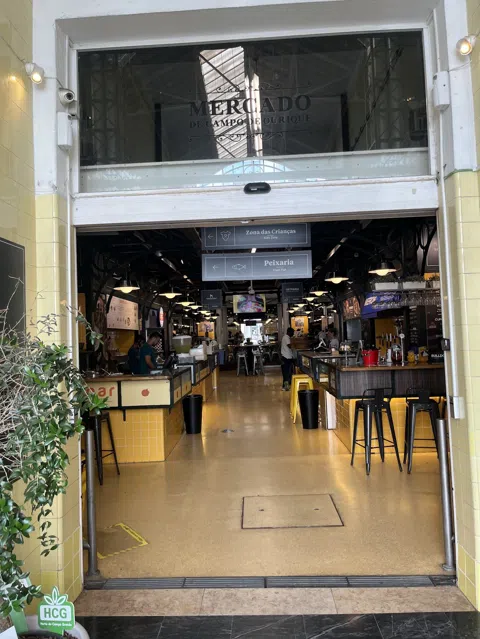
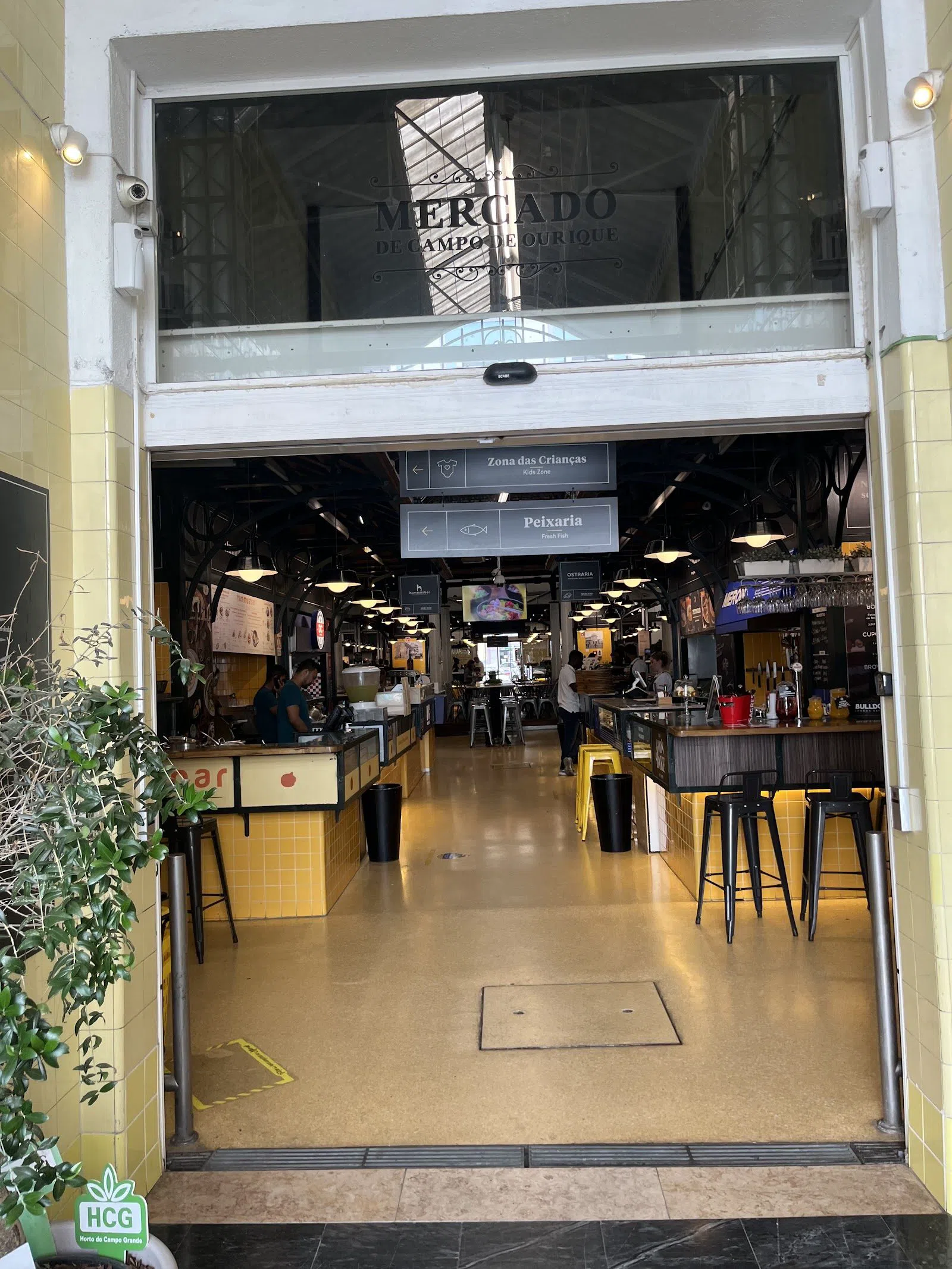
Mercado de Campo de Ourique (Campo de Ourique) is the market the better-known riverside food hall was modelled on, and it still does its original job for the people who live around it. Plates run roughly €6 to €15, wine by the glass is cheap, and the format suits a group better than almost anything else in the city: long shared tables, no reservations, everyone orders from a different counter and meets back at the table. Open 10:00 to 23:00 Sunday to Wednesday and to 01:00 Thursday to Saturday. It sits on the flat top of a hill about 25 minutes' walk west of Bairro Alto, and the walk back downhill afterwards is the easy direction.
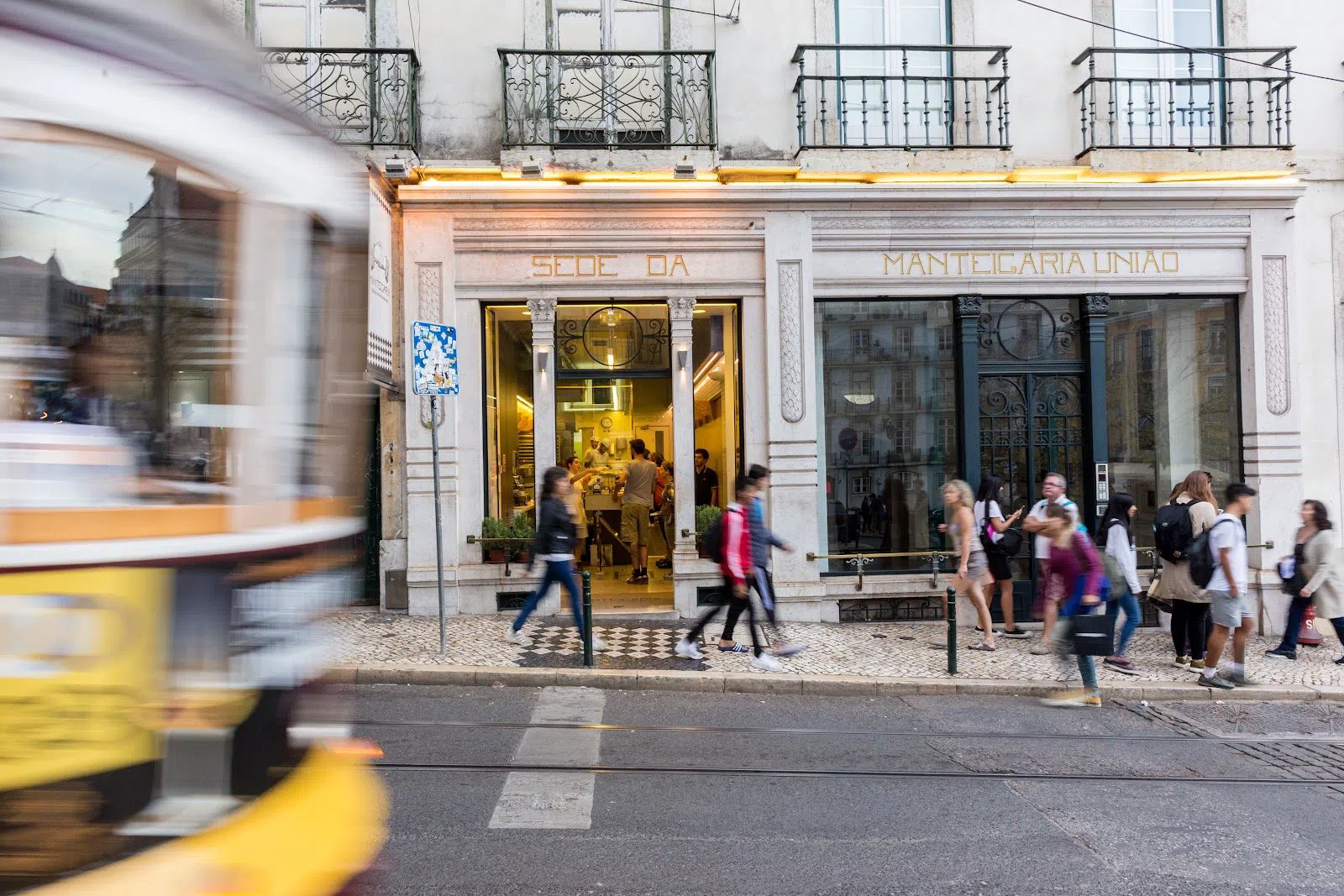
Manteigaria (Chiado, Rua do Loreto 2, by Praça Luís de Camões) sells a pastel de nata for about €1.30 and is open 08:00 to midnight. There is no seating and no booking; a group just crowds the counter, which is how the place works anyway, and the queue moves in minutes. Treat it as one entry on your list rather than four. The Baixa, Belém and market counters are the same operation, so there is no reason to cross town for a different branch.
Across the river for dinner
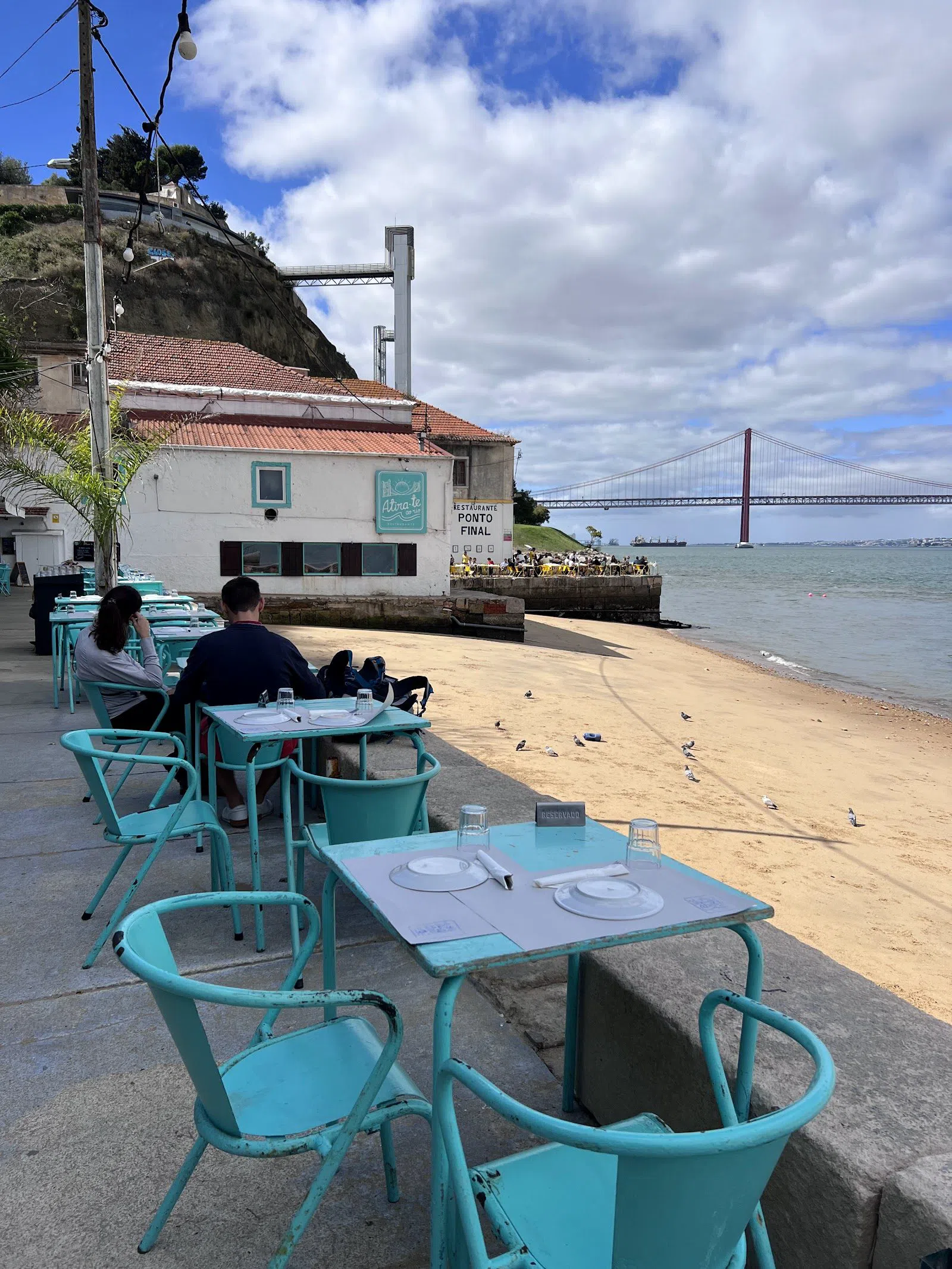
Ponto Final (Cacilhas, on the south bank) is a ten-minute ferry from Cais do Sodré and then a fifteen-minute walk along Cais do Ginjal, with the city laid out across the water the whole way. Tables sit on the quay edge with nothing between you and the Tagus. Mains are around €14 to €22. It is small and hard to book. Six people is the practical ceiling, and a larger group will not fit at the water's edge. Email [email protected] weeks to months ahead, and treat a same-day table as luck rather than a plan. Closed Tuesdays. The quayside path was shut through spring 2025 for safety works and reopened that July, and parts of the waterfront are still derelict, with uneven surfaces and no lighting worth the name. Wear proper shoes, and if you are eating late, work out your route back to the ferry before it gets dark.
Fado without a ticket
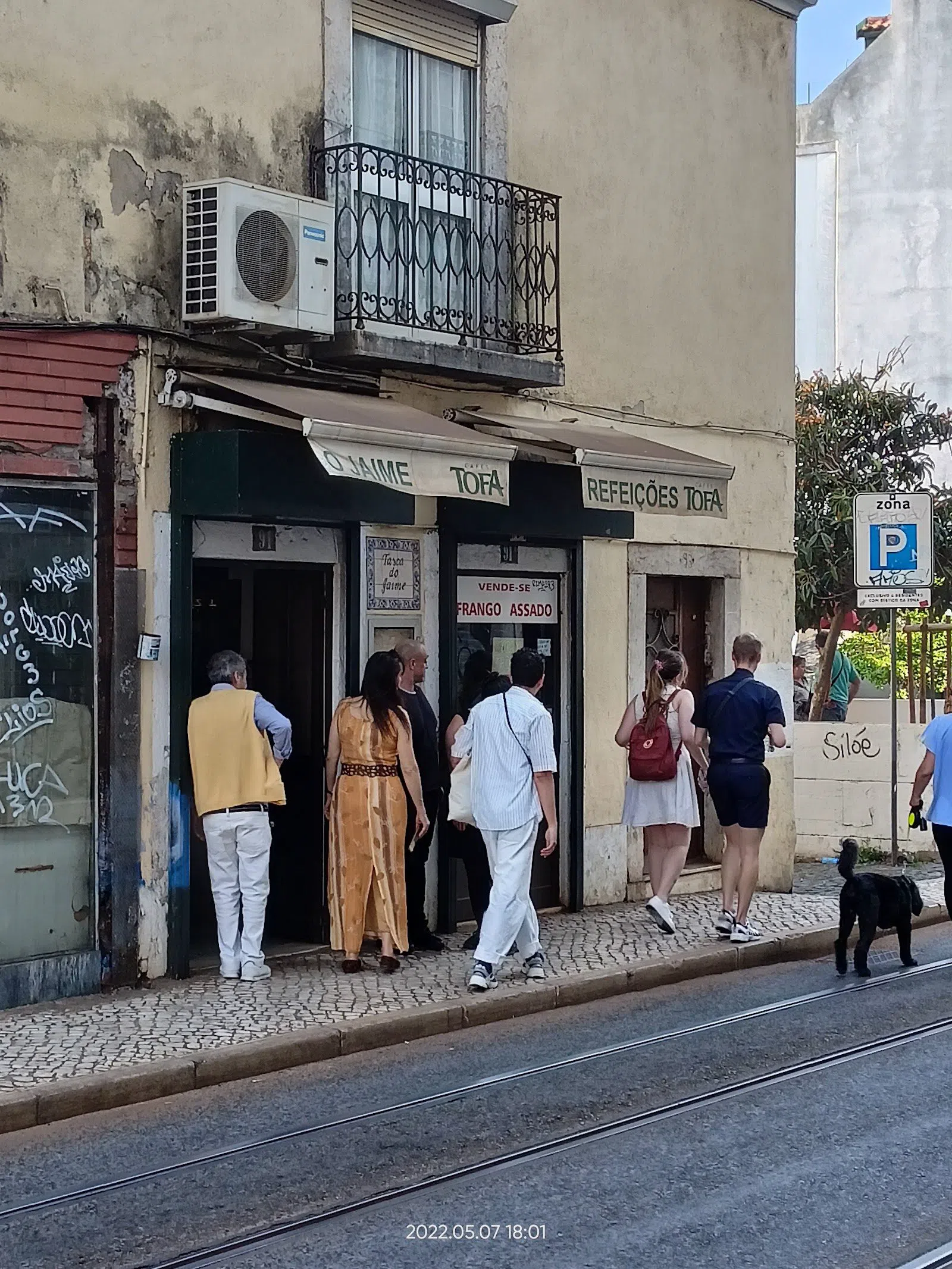
A Tasca do Jaime (Graça) runs fado vadio on Saturday and Sunday afternoons and public holidays, roughly 16:00 to 20:00: amateurs and old hands taking turns, unannounced. There is no cover charge, no set list and no booking. There are twenty-four seats in the whole room, tables go to people who order food, and the petiscos and dish of the day are cheap. Four people is realistic, eight is optimistic, and arriving before four is the difference between a chair and a doorway. If you want a guaranteed seat, a printed programme and a set start time, go to one of the ticketed fado houses; they do that job properly and charge accordingly.
Two evenings away from Bairro Alto
Dois Corvos Cervejeira (Marvila) opened the old warehouse district east of Santa Apolónia to drinkers before anyone else, and the taproom still feels like a working brewery rather than a themed one. Pints are in the €4 to €6 range, there is a full kitchen with vegan options, and the communal seating means a group of ten can land without a plan. Open from 15:00 Tuesday to Sunday, to 01:00 on Friday and Saturday, closed Mondays. Private bookings and brewery events go through [email protected].

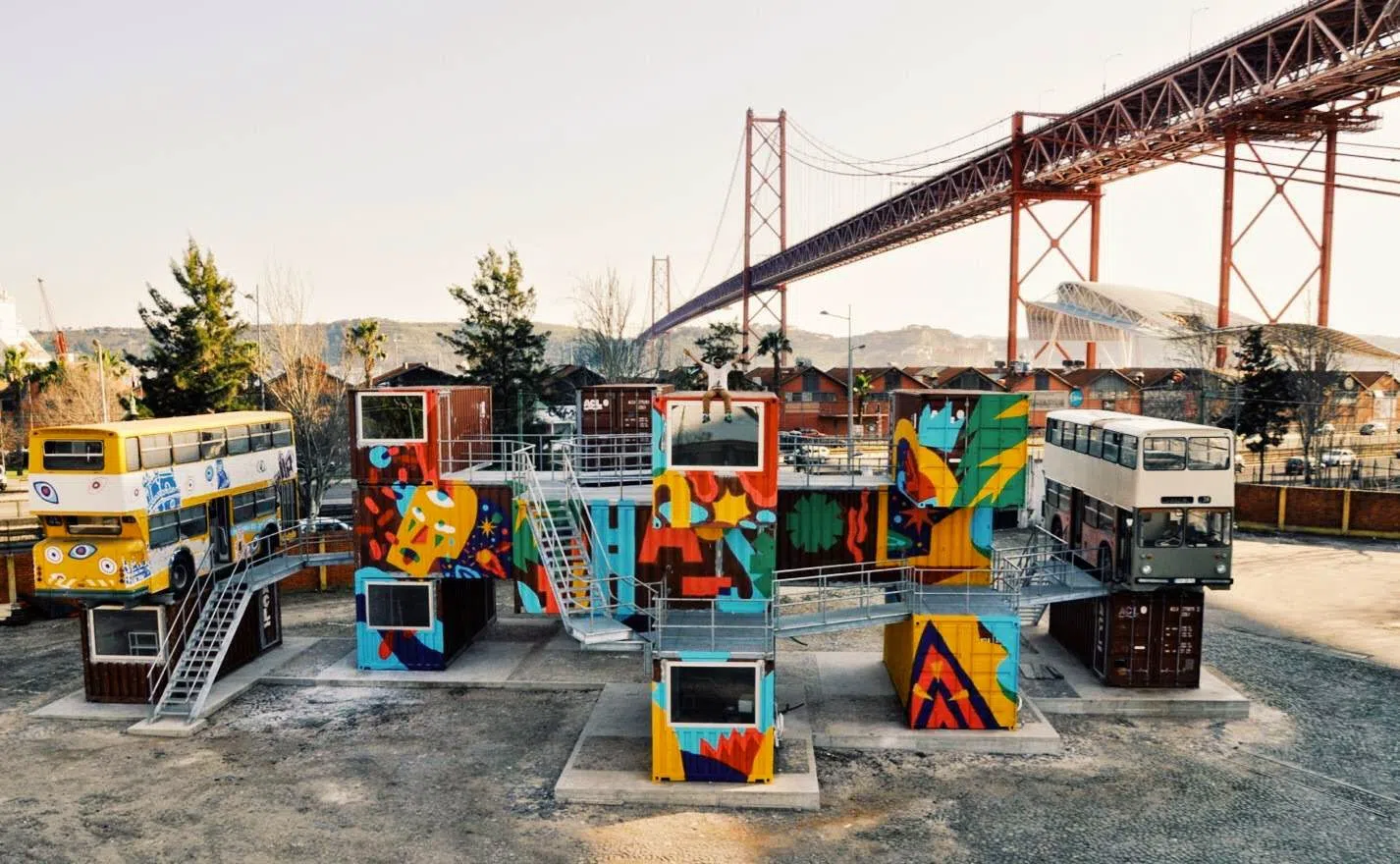
At the western end of the city, Village Underground Lisboa (Alcântara, Avenida da Índia 52) is a ten-minute walk from LX Factory and runs the same idea (studios, a restaurant, a terrace, a club) with fewer people in it. The restaurant and terrace take walk-in groups; the restaurant runs 11:00 to 20:00 Sunday to Wednesday and to 23:00 Thursday to Saturday, and the club works Thursday to Saturday nights, with entry varying by night. Food and drinks are moderately priced. The venue also handles private and corporate events, which is worth knowing if you are travelling with a large party that needs somewhere to put itself.
Two walks that fill a morning
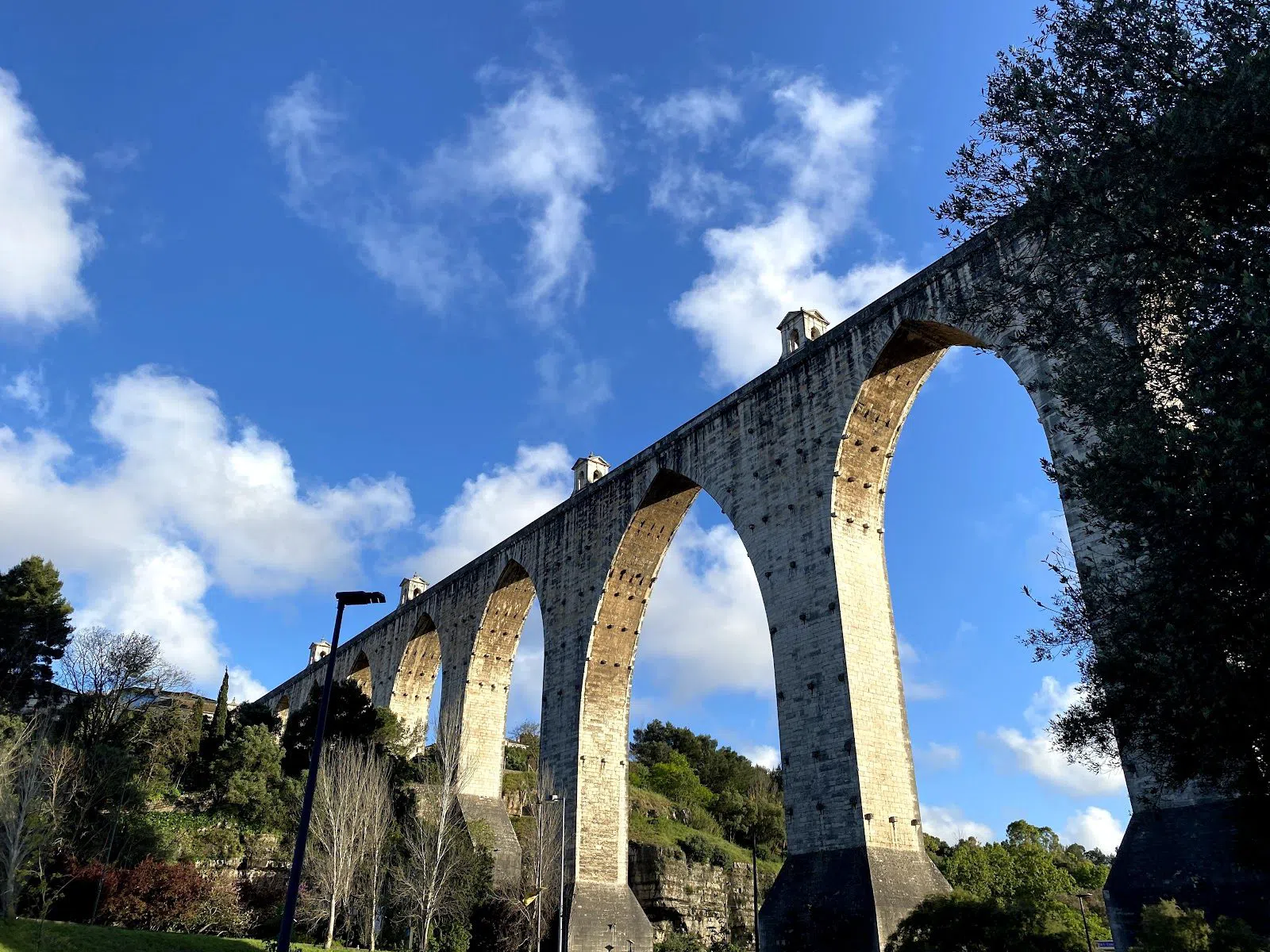
Aqueduto das Águas Livres (entrance at Calçada da Quintinha 6, Campolide) lets you walk 941 metres along the top of the aqueduct built for João V in the 1730s, high above the Alcântara valley. Sessions are timed and places limited: about €4 for a free visit, around €6 for the guided Passeio dos Arcos, booked by phone on +351 218 100 215 or by email at [email protected] for anything more than a handful of people. The crossing is walkable roughly March to October. Be honest with yourself about heights, because the parapet is high but the drop beside you is long, and there is no short way off once you start. The 24E tram runs out to this end of town.
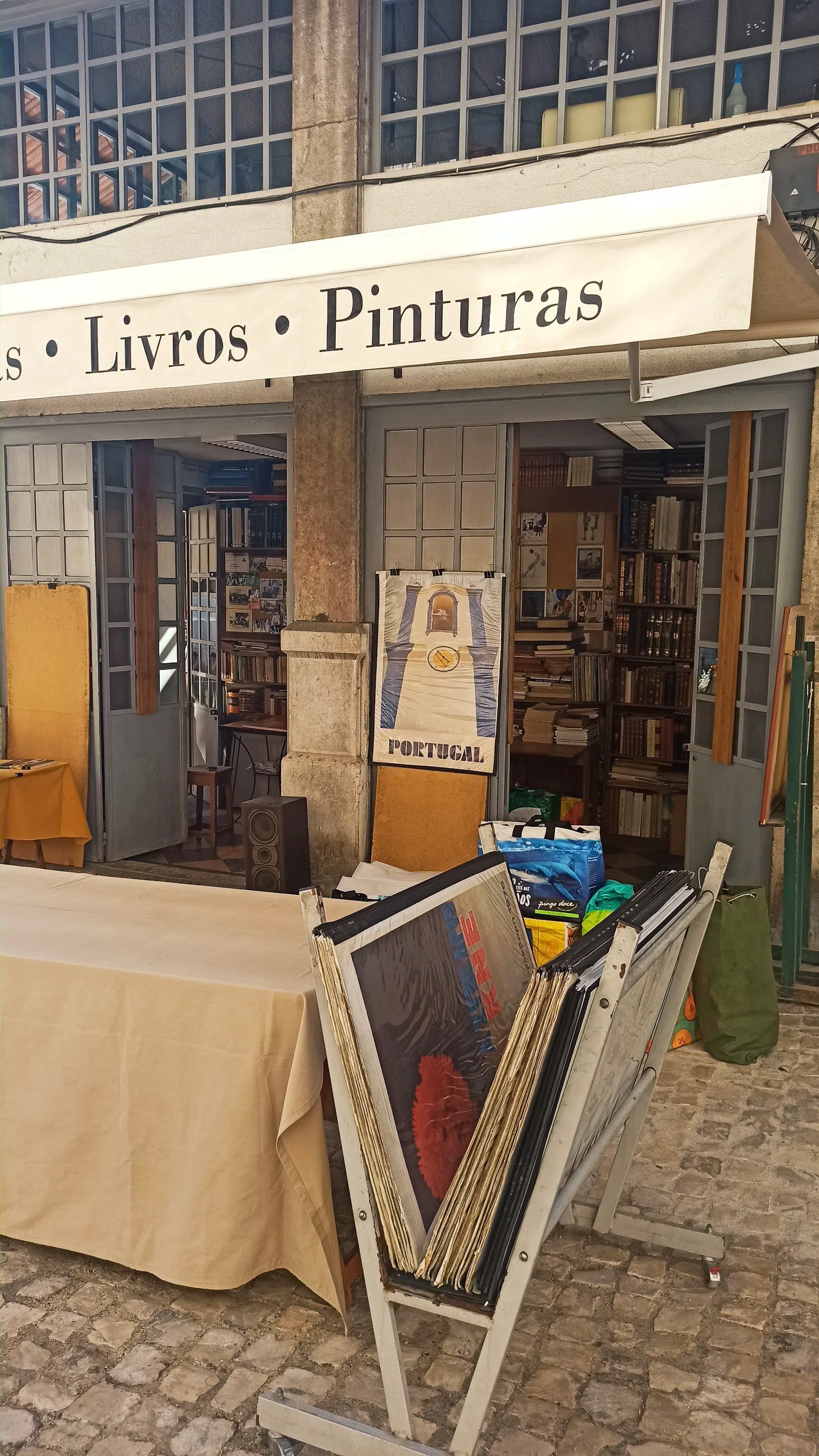
Feira da Ladra (Campo de Santa Clara, immediately behind São Vicente de Fora) runs Tuesdays and Saturdays from 09:00 to around 18:00, though most sellers start packing up in the early afternoon. Everything is here, from Salazar-era tin to genuinely good ceramics, and browsing costs nothing. Saturday is shoulder-to-shoulder by late morning; Tuesday gives you room to actually look at what is on the blankets. Pair it with the monastery roof next door and you have a morning that needs no tickets booked in advance except the €8 at the door.
One day out of the city
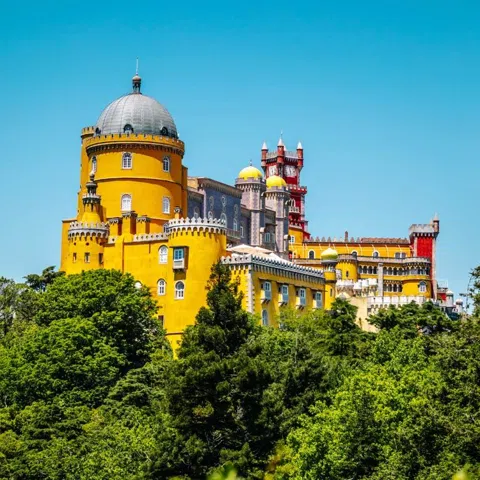
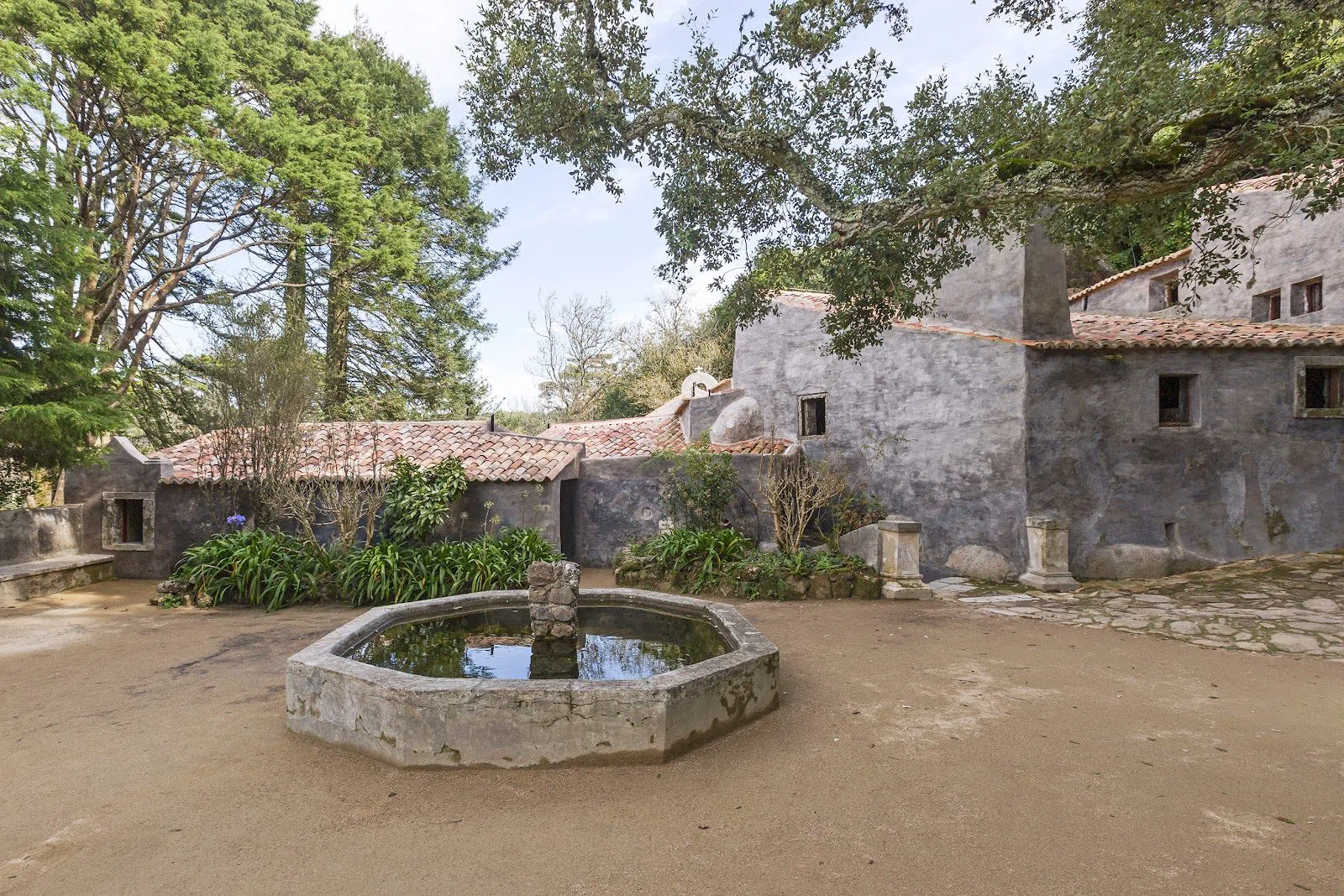
If you take one day trip, Convento dos Capuchos (Parques de Sintra) is the quiet counterweight to the palace queues in the hills. It is a 16th-century friary of sixteen cork-lined cells, small, dark and strange, and its restoration won a Europa Nostra award in 2022. Tickets run roughly €7 to €11 for adults depending on type, with family tickets available. Book online: the site is capacity-limited and the passages are tight, so anything larger than about eight people should split into two visits. Open daily 09:00 to 18:00, last entry 17:00. Access roads were blocked by Storm Martinho in March 2025 and cleared that July. There is no bus, so take a taxi from Sintra town and arrange your pickup before you lose signal.
Getting around, paying and planning the week
Walk where you can, and accept that walking here means climbing. Distances on a map are short; the hills and the polished limestone pavements make them longer, and shoes with grip matter more than they would elsewhere, especially after rain and on the derelict stretch to Ponto Final. For the rest, the 24E tram covers the aqueduct end of town, and the Cais do Sodré ferry to the south bank is a cheap ten minutes with the best view in the city thrown in.
Cards work almost everywhere, but carry €30 or €40 in cash for the tasca, the flea market and kiosk drinks. Zé dos Cornos in particular is safest with notes.
Build the week around the closures, because they are the thing most likely to waste an afternoon. Estufa Fria and Dois Corvos are closed Mondays, Ponto Final on Tuesdays, Ajuda on Wednesdays, and Zé dos Cornos on Sundays and Mondays. Feira da Ladra only happens on Tuesdays and Saturdays, and the fado at A Tasca do Jaime only on weekend afternoons and public holidays. So a Saturday can hold the market, the monastery roof and fado by four without you crossing the city twice.
On budget, a day that includes a €1.30 pastel de nata, a €13 lunch, one €8 to €15 entry and a couple of €5 pints lands somewhere near €40 to €50 a head before dinner. The only real costs to plan ahead are Ajuda at €15 and the day trip. For a base, staying up in Graça or Campo de Ourique puts you on the quieter side of most of this and still within a 20-minute walk or a short tram of the centre. Start with the Lisbon hotel search and filter on the hill you are willing to climb at the end of the night.
Before you go
What actually needs booking in advance in Lisbon?
Very little. Convento dos Capuchos is capacity-limited, so book online. Ponto Final takes bookings by email at [email protected], weeks to months ahead for a quayside table. Book the Aqueduto das Águas Livres session by phone (+351 218 100 215) or email ([email protected]) if there are more than a handful of you. Groups over 20 must book Palácio Nacional da Ajuda ahead. Everything else in this article takes walk-ins.
Which places are closed on which days?
Estufa Fria and Dois Corvos Cervejeira close Mondays, Ponto Final closes Tuesdays, Palácio Nacional da Ajuda closes Wednesdays, and Tasca Zé dos Cornos closes Sundays and Mondays. Feira da Ladra runs only on Tuesdays and Saturdays, and the fado vadio at A Tasca do Jaime happens on Saturday and Sunday afternoons and public holidays, roughly 16:00 to 20:00.
Can I do this with a group of eight?
Mostly yes. Mercado de Campo de Ourique, Dois Corvos, Village Underground Lisboa, the Gulbenkian park and Estufa Fria all absorb eight people easily. A Tasca do Jaime has twenty-four seats in total, so eight is optimistic and four is realistic. Ponto Final tops out at about six. Convento dos Capuchos asks that anything larger than eight splits into two visits.
How much cash should I carry?
Almost everywhere takes cards, but €30 to €40 in notes covers the places that don't. Tasca Zé dos Cornos is safest with cash, Feira da Ladra sellers deal in it, and kiosk terraces like the one at Jardim do Torel are quicker with coins.
How hilly is Lisbon really, and what should I wear?
Hilly enough to change your plans. Palácio Nacional da Ajuda is twenty minutes of steady uphill from Belém, you reach Jardim do Torel by steep steps from the Avenida side, and Campo de Ourique sits on a flat hilltop with climbs on every approach. The pavements are polished limestone and slick in rain, and the fifteen-minute walk to Ponto Final crosses derelict, uneven quayside. Wear shoes with grip rather than sandals.