The Lisbon issue
The Flat Atlantic Day Trip from Lisbon to Cascais
A half-hour train from Lisbon buys you three kilometres of level seafront, four small museums, a wind-hammered surf beach and shellfish sold by the kilo. This is how to order the day.

By Robin AaltinkLisbon on foot, timed to the tram
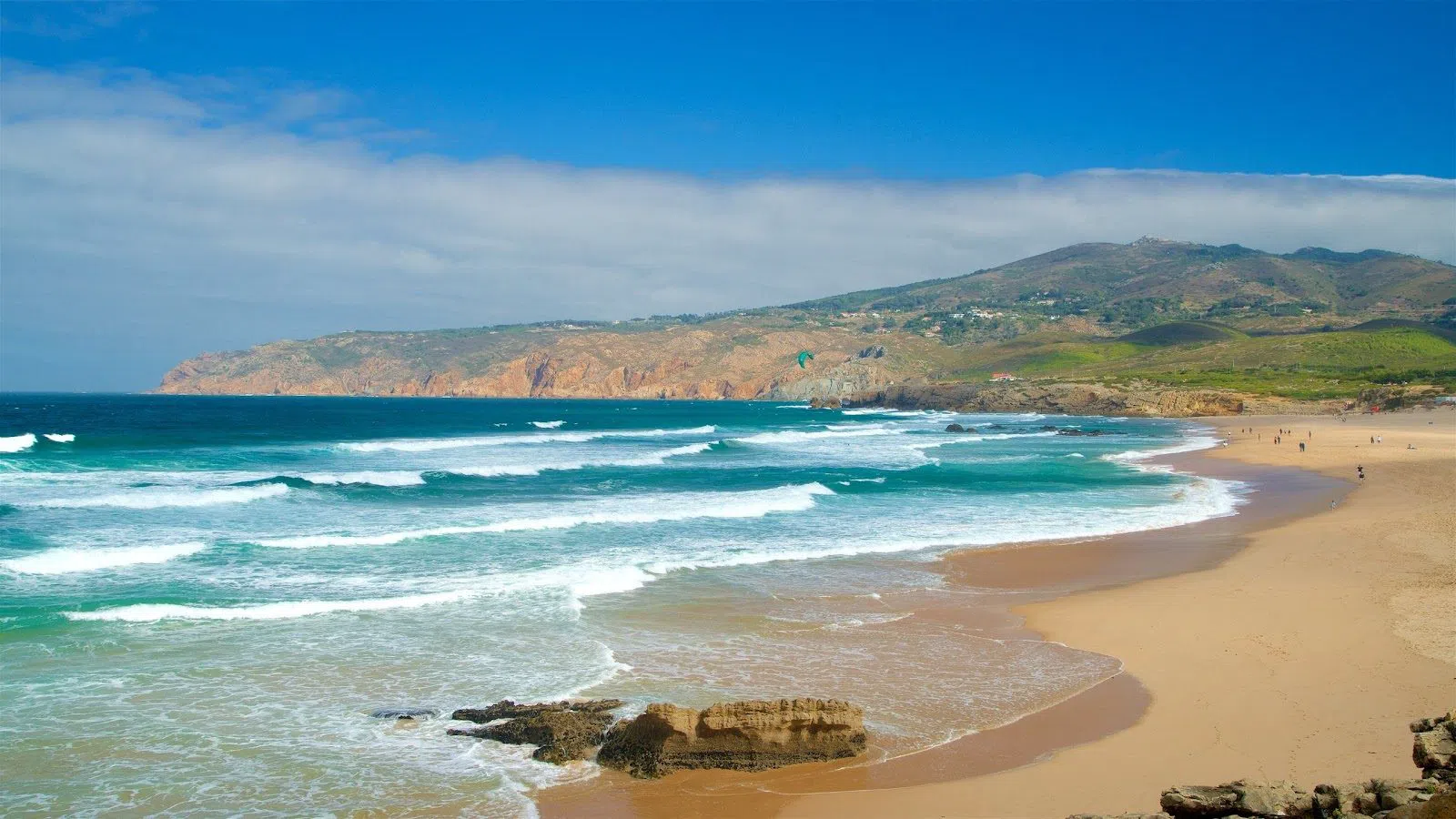
The Atlantic arrives in Cascais without much ceremony: a bay, a fishing beach with boats hauled up on the sand, and a promenade that runs flat for three kilometres back in the direction you came from. It sits a little over half an hour from Lisbon on a train that follows the water almost the whole way, and the entire day can be done without a car, without a booking and, after a few days on Lisbon's staircases, without a hill. What follows is the order I'd put it in, with the closures and the wind written down so they don't ambush you.
Take the train and sit on the left
Trains leave Lisbon from Cais do Sodré roughly every twenty minutes and run to the end of the line at Cascais station in about forty. Buy at the machines before you board; a rechargeable card costs a small one-off fee and then you top it up as you go, which is cheaper and quicker than buying paper tickets twice. Going out, sit on the left. The line hugs the shoreline for most of the second half, past the beaches and the fort, and you get the whole coast for free.
Cascais station puts you two hundred metres from the bay. Almost everything in this article is inside a two-kilometre radius of that platform, on pavement, on the level. The one exception is the wild beach at the far end, and there is a bike path and a bus for that. If you're staying in the capital and just coming out for the day, that's the sane way to do it: build the day around the train and keep your room in the city. Our Lisbon hotel search covers the areas nearest Cais do Sodré, which is the station you'll want to be able to walk to at eight in the morning.
Plan your Lisbon trip
Live prices from our booking partners.
Free cancellation on many rooms. We may earn a commission when you book.
Three flat kilometres on the Paredão
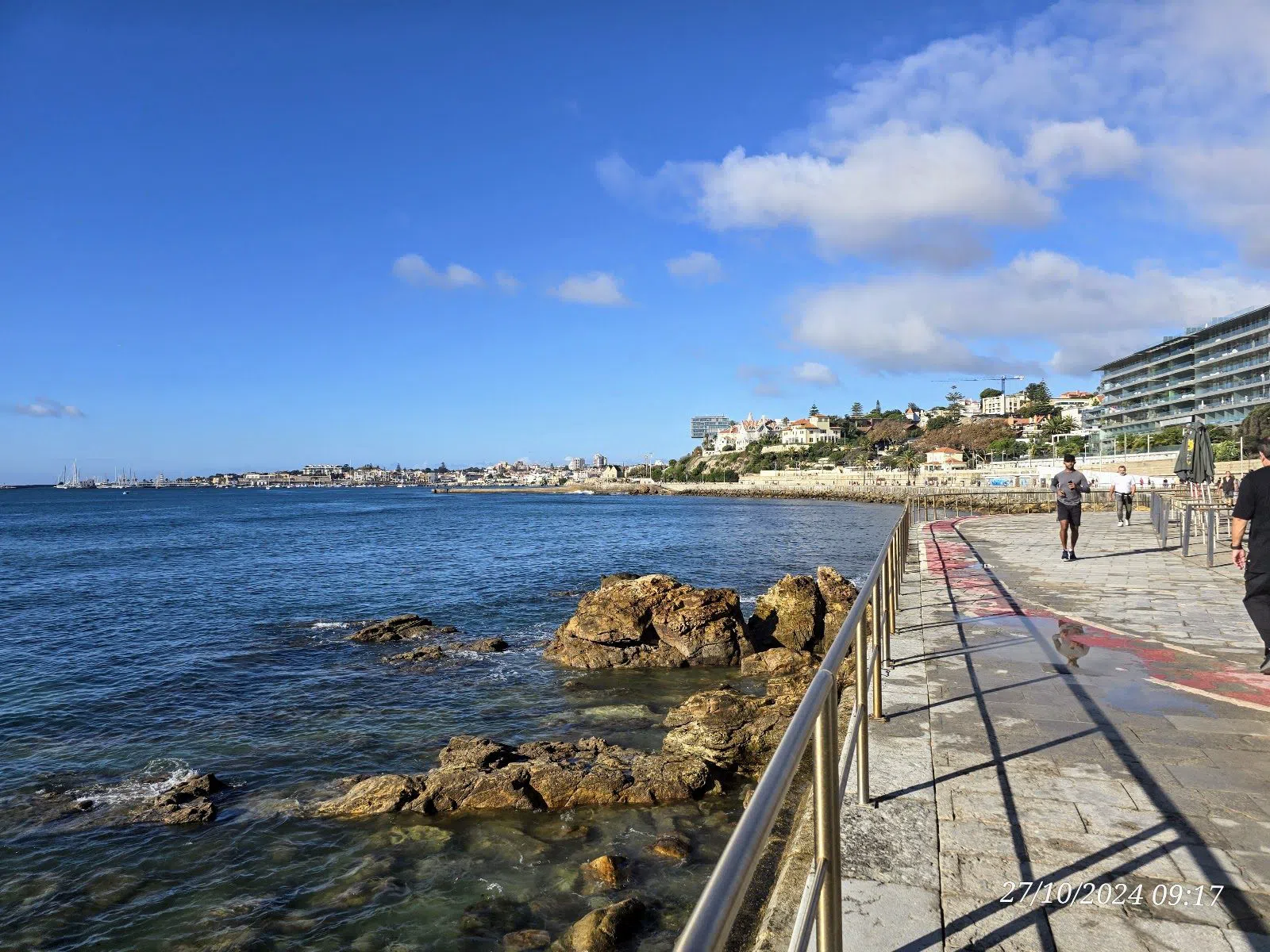
Start with the walk, before the light goes hard. The Paredão Cascais–Estoril (the seafront path, starting at Praia da Conceição just east of the bay) is three kilometres of wide, step-free promenade running from Conceição to Praia da Azarujinha, about forty minutes at a stroll. It passes the Duquesa, Moitas and Tamariz beaches and two free ocean pools, Alberto Romano and Tamariz, filled by the sea and open to anyone who fancies it. There are no steps and no gradient anywhere on it, so it works with a wheelchair, a buggy or a group of fifteen who walk at different speeds. Train stations sit at intervals along the line the entire way, which means you can walk one direction and ride back from wherever you run out of enthusiasm.
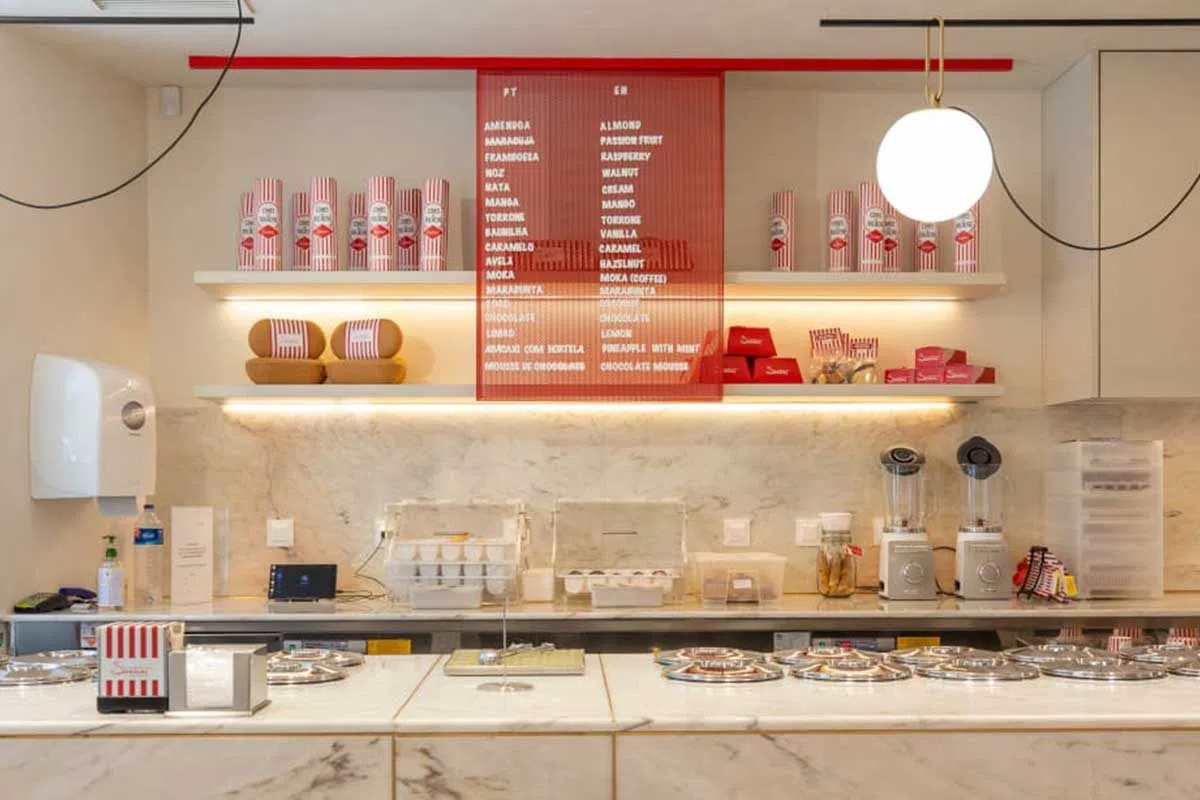
About two-thirds of the way along, at Praia do Tamariz, Santini (Tamariz beachfront) has been making gelato to Attilio Santini's original recipe since 1949, no artificial additives, more than twenty flavours. It's counter service with essentially nowhere to sit, so treat it as a queue rather than a stop; €4–7 a cone, and the line moves faster than its length suggests. In season it stays open until midnight, which makes it a better evening move than a midday one.
Four small museums, all shut on Monday
Cascais keeps its museums close together and cheap, and every one of them closes on Mondays. Plan around that and the day works; ignore it and you'll spend Monday looking at locked doors.
Casa das Histórias Paula Rego (about ten minutes inland from the bay, on a gentle rise) is the one to prioritise. Entry is €5, it opens Tuesday to Sunday 10:00–18:00 with last entry at 17:40, and it holds the work of the Portuguese painter with the widest international reputation of the last half-century, in a building (deep red towers, top-lit galleries) that justifies the walk on its own. There's an auditorium, a bookshop and a cafeteria, walk-ins are fine, and groups wanting a guided visit should book ahead. If the weather turns, this is the most reliable indoor hour in town.

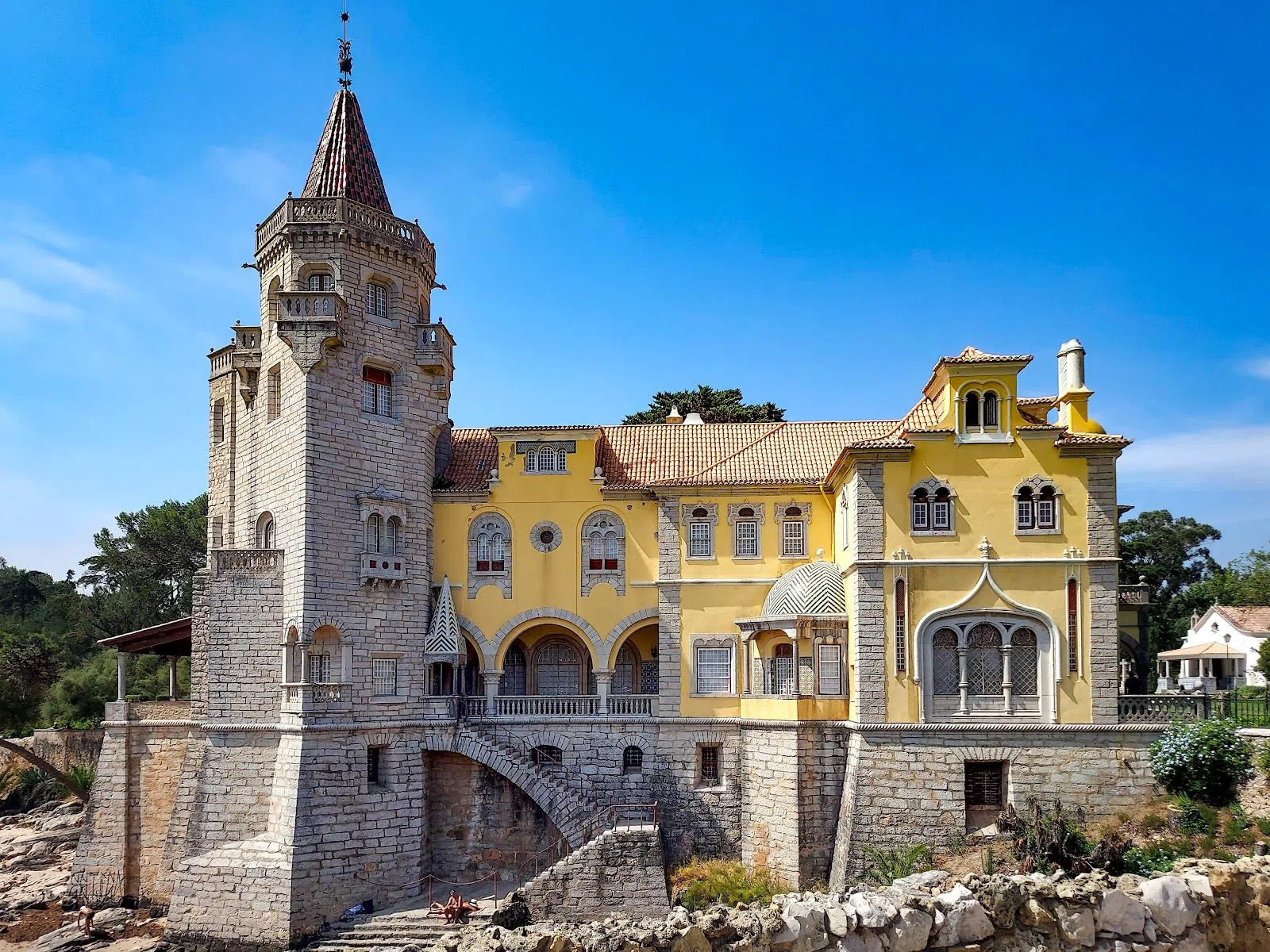
Museu Condes de Castro Guimarães (inside Parque Marechal Carmona, west of the centre) opened in 1931 and is a wealthy man's seaside folly kept broadly as he left it, around €5 to go in. Hours are Tuesday to Friday 10:00–17:00 and weekends 10:00–13:00 and 14:00–17:00. The rooms are small and densely furnished, so a large group gets split at the door and filtered through in batches. The park around it is free, shaded and big enough to absorb everyone else while they wait.
Five minutes further along the point, Santa Marta Lighthouse Museum (Santa Marta headland) is a working lighthouse converted by the Aires Mateus brothers into something tight and sharp, with real Fresnel lenses inside. Around €3–5, free on some municipal days, open Tuesday to Sunday 10:00–13:00 and 14:00–18:00, closed Mondays and public holidays. The tower climb is the catch: Thursday to Saturday only, 10:30–12:00 and 14:30–16:00, and numbers on the stairs are capped, so it's a couples-and-pairs thing rather than a group outing.
Cidadela de Cascais Art District (inside the fortress walls by the marina) is free to wander, with working artists' studios and project rooms behind the ramparts, part of the town's museum quarter. Studio access depends on who is in and whether you've called ahead, so a group turning up unannounced will mostly see courtyards. The exception is the first Saturday of the month, when the galleries all open free from 16:00 to 19:00; if your dates cover one, move things around for it.
West along the coast road to the blowhole
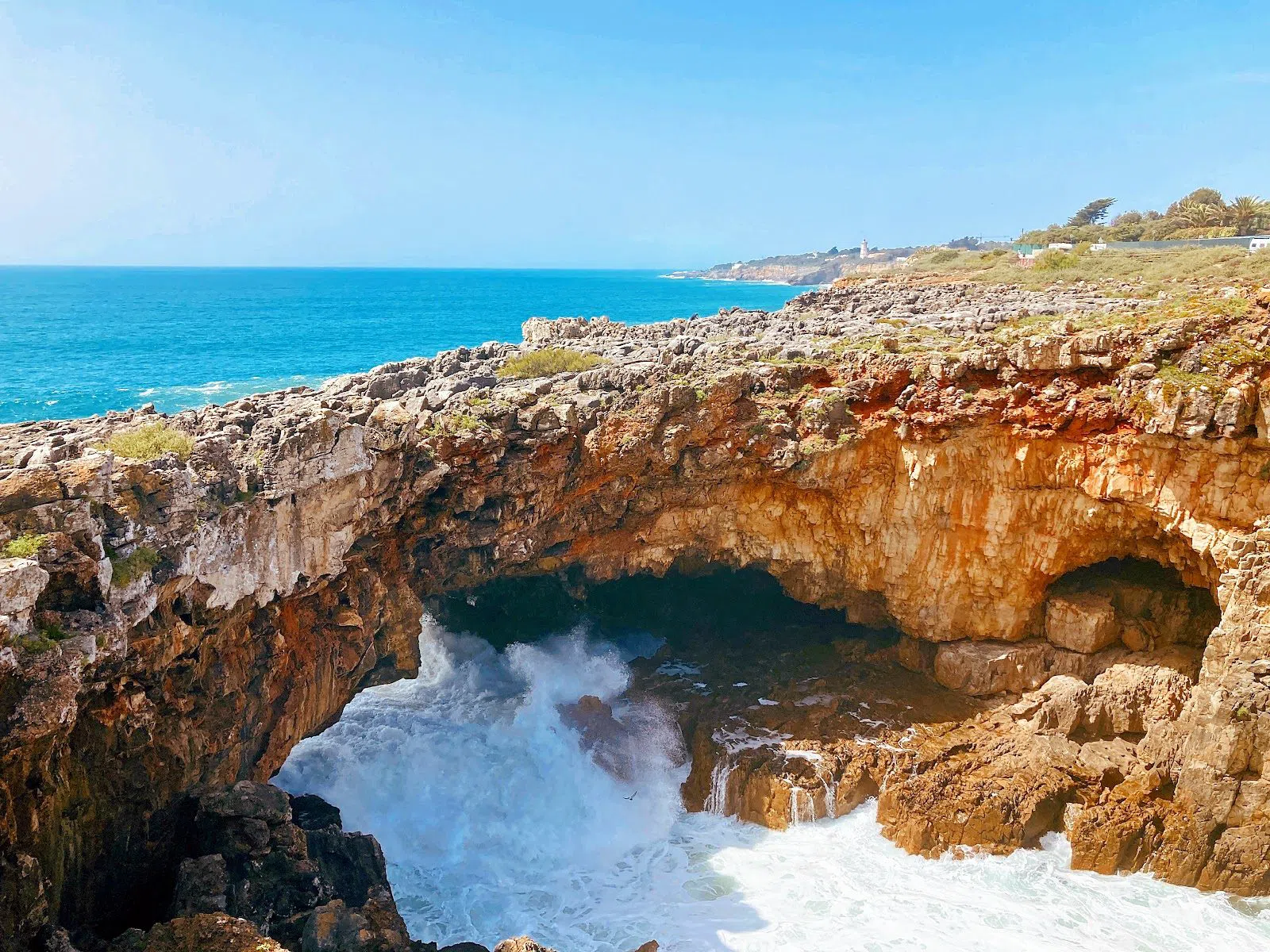
From the bay it's about two kilometres west to Boca do Inferno (the coast road out of town), a collapsed sea cave where the Atlantic pushes into a rock arch and, on a heavy swell, makes a noise you feel through your feet. Free, unticketed, open all year, with paved paths and railed platforms that handle coach parties without anyone queueing. Go on a rough day rather than a calm one, because on a flat sea it is a nice piece of geology and not much else, and expect the lower platform to be roped off precisely when the sea is doing the thing you came for. The Mercadinho Boca do Inferno craft stalls sit right beside the railings. The walk out along the coast road is pavement the whole way, undulating but never steep; give it twenty-five to thirty minutes.
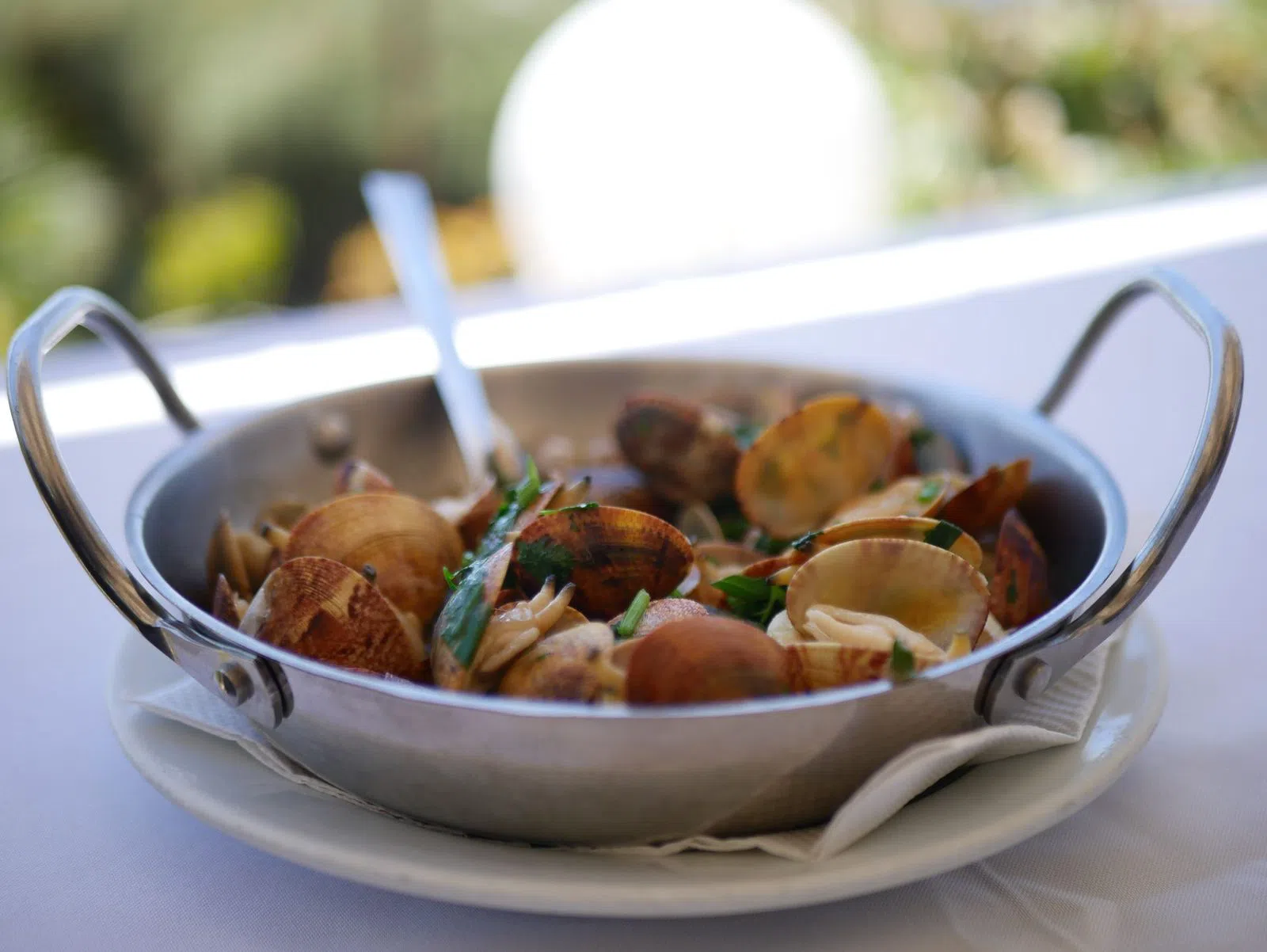
Mar do Inferno (right at Boca do Inferno) has been run by the same family for close to five decades and sits directly on that walk, which makes lunch here a matter of not having to plan. It's a big room that regularly takes large tables, so it suits groups. Reserve, and note that it's closed on Wednesdays. Open 12:30–22:30 otherwise. Fish and shellfish are priced by the kilo, which is normal on this coast and still catches people out: point at what you want, ask for the weight and the price per kilo before it goes to the grill, and adjust then rather than at the end. Reckon €45–80 per person once shellfish is involved.
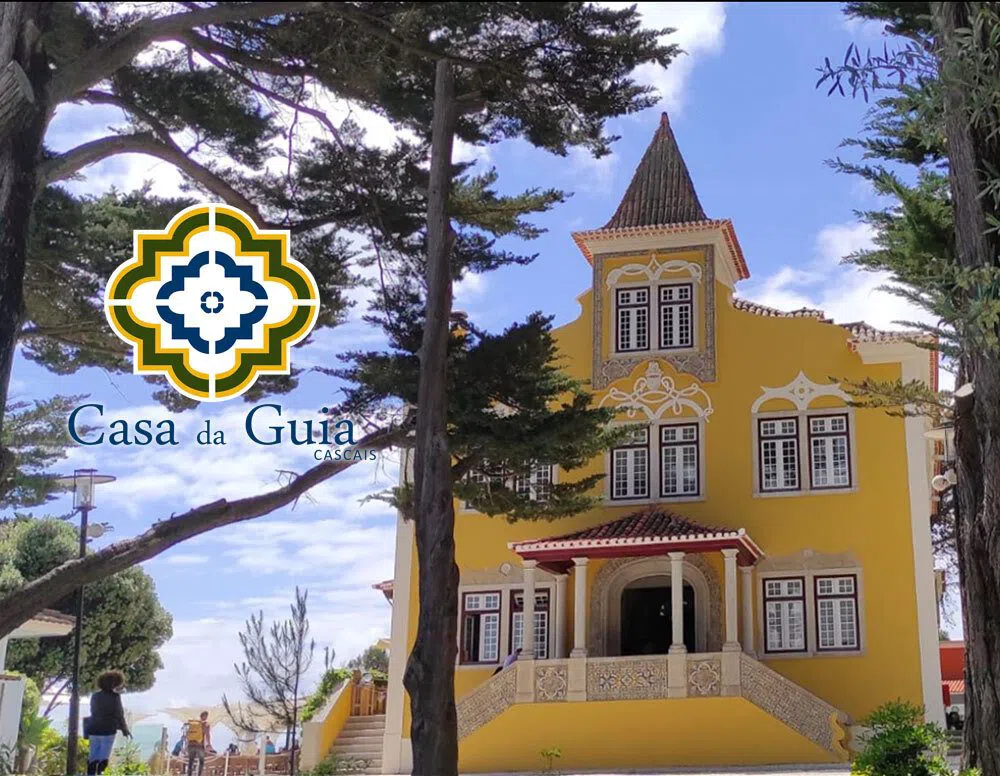
Another kilometre or so on, Casa da Guia (Guia, on the Guincho road) is a clifftop compound of independent restaurants and shops arranged around a shared garden. The terraces hang over the water, take walk-ins, and cost €20–45 per person; entry is free. It settles arguments: six people who cannot agree on cuisine can each order from a different kitchen and still sit at the same table. The shops are incidental; the cliff edge is the reason to come.
Guincho, on two wheels or the 415
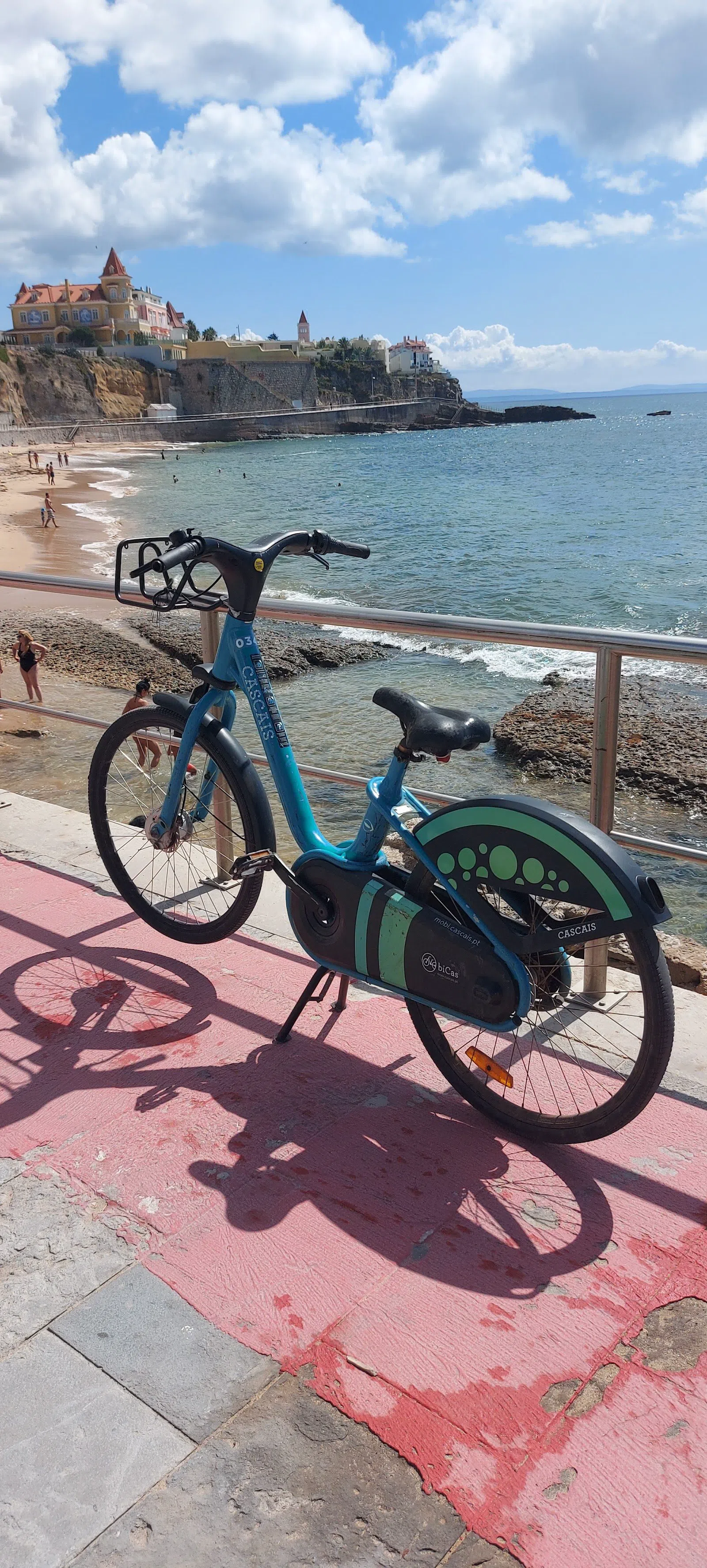
The Cascais–Guincho cycle path (MobiCascais / biCas bikes) (kiosks at the train station, the EcoCabana and near the Guia lighthouse) is a purpose-built path with almost no traffic, about ten kilometres there and back. Municipal bikes are free or close to it once you've registered with MobiCascais; private rental shops charge roughly €15–20 a day and don't run out. That last point matters: bikes at any one kiosk are finite, so a group of eight arriving at eleven o'clock may find three. Go early or rent privately. The headwind on the way out is genuine and constant; accept that the outbound leg is the work and the return is the reward.
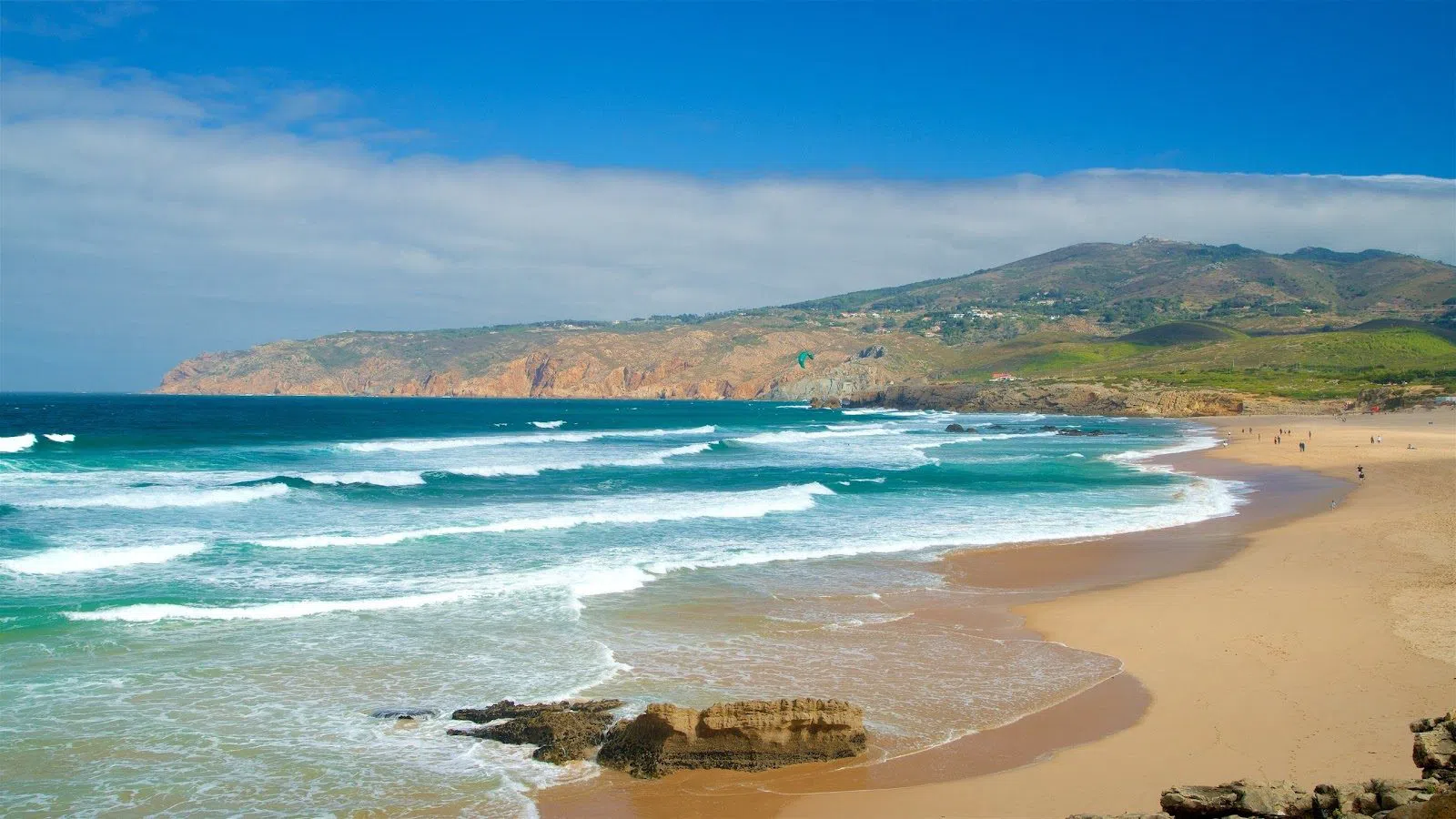
Praia do Guincho (inside the natural park, at the end of the path) is the opposite of the sheltered coves in town: a long, exposed Atlantic beach backed by dunes, with a big car park, parking a few euros, and bus 415 from Cascais if you'd rather not pedal. Both Guincho Norte and Sul hold Blue Flag status for the 2026 season. Be honest with yourself about the water, though. The Nortada wind gets up through the afternoon and there are rip currents, so for most visitors this is a walking-and-watching beach rather than a swimming one. Lifeguards are on duty through the official bathing season, 1 May to 30 September.
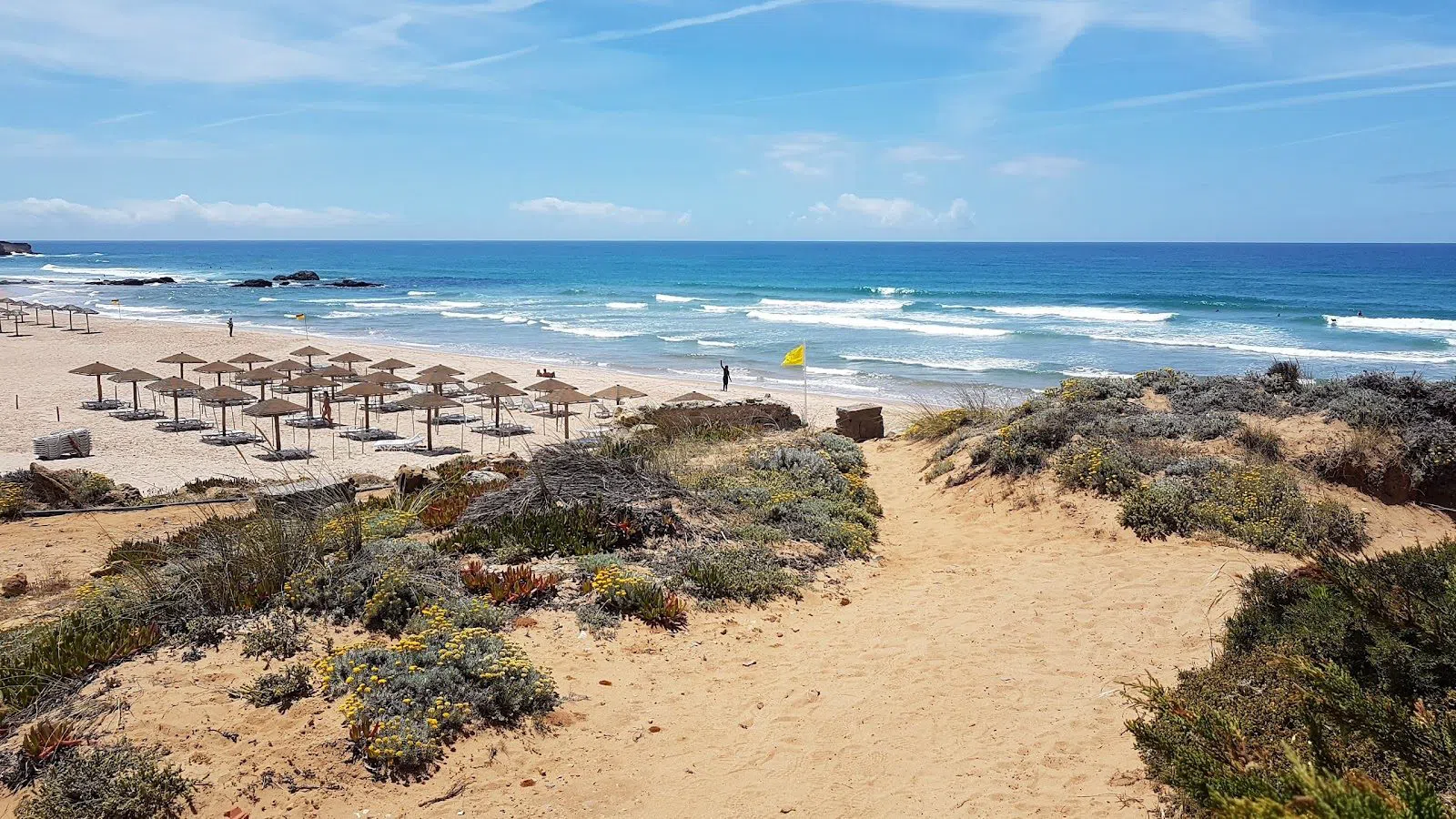
If you want to actually get in, do it with someone who knows the break. Moana Surf School (Guincho beach) has taught here since 2003, caps lessons at six per instructor and splits larger parties across instructors; group lessons start at €35, private from €80, and roughly ninety per cent of the session is spent in the water rather than on the sand. Book ahead, because September weekends fill. For a beginner it's the sensible way to meet a beach break this size, and paddling out alone isn't.
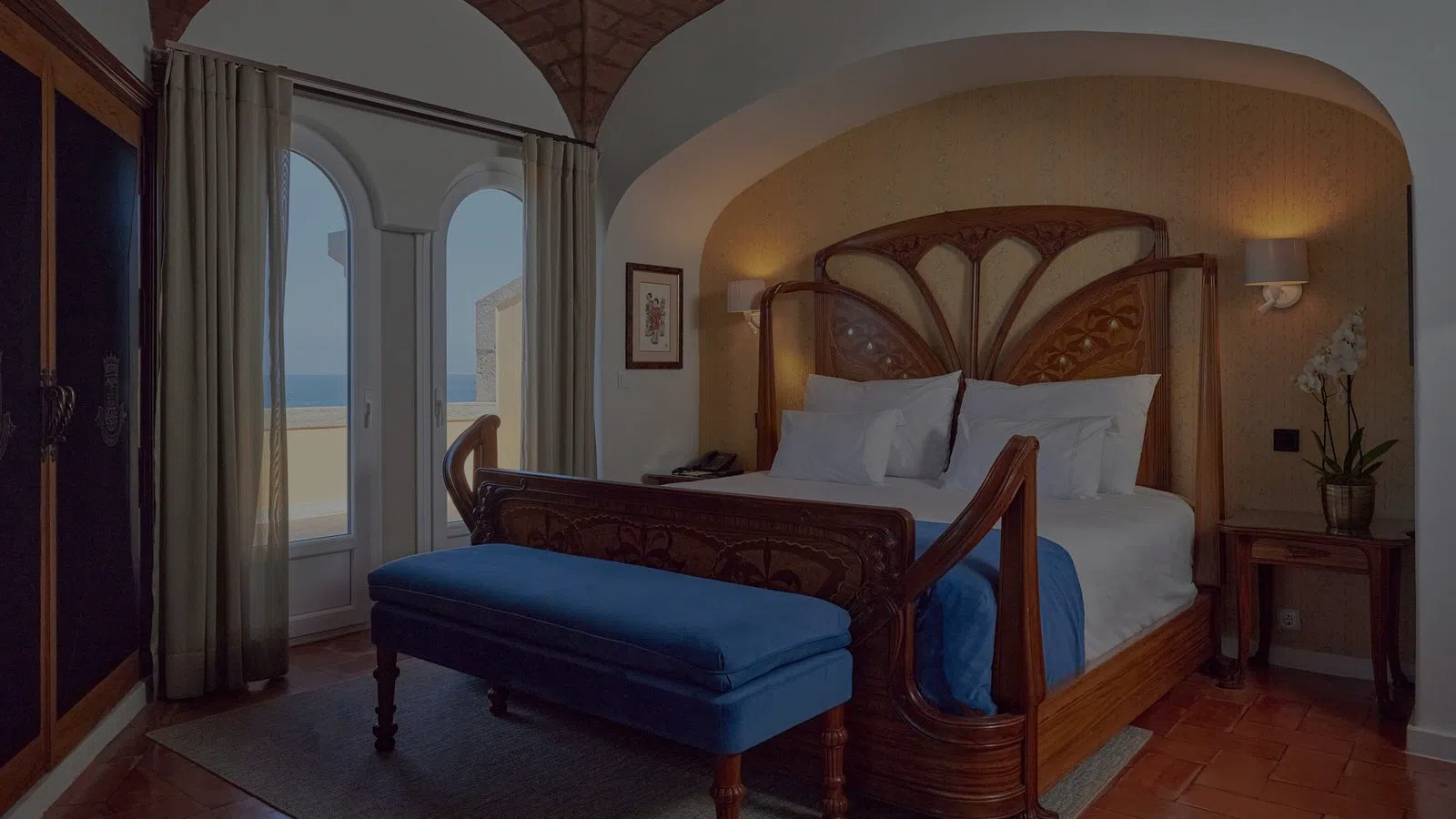
Above the beach, Fortaleza do Guincho (in the fort at the north end of Guincho) holds one Michelin star in the 2026 guide under chef Gil Fernandes, and the star has now stood for twenty-five years. It's Atlantic-driven cooking in a Relais & Châteaux fort, €€€€, so expect €150 or more per head with wine on the tasting menus. Book well ahead. The dining room is small, so a party of eight should either ask about private dining or eat at the hotel's casual Spot restaurant instead. Lunch is the version I'd take: it turns a windy beach morning into an occasion and still leaves you the afternoon.
An hour on the water
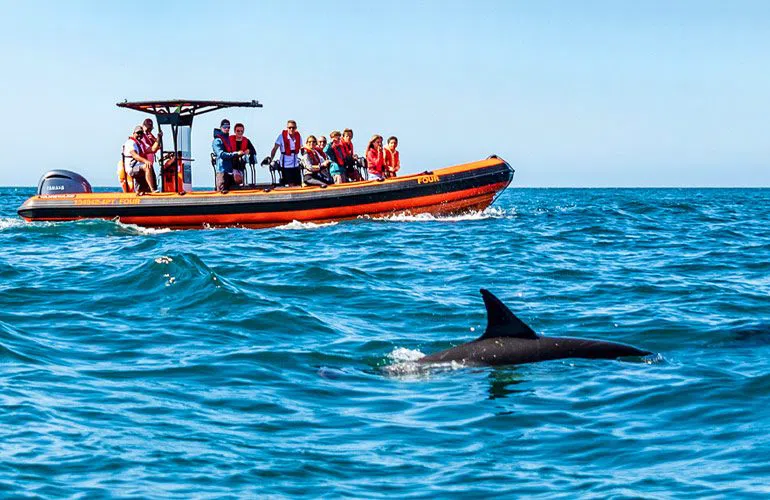
Four Adventures (Marina de Cascais, a ten-minute walk from the station) runs rigid inflatables out of the marina on several routes (south for dolphins, north along the protected coast, east towards the Bugio lighthouse) for €40–60 per person over one to three hours. They're explicitly set up for groups of friends, companies and work parties, with tailor-made routes and durations, which is rarer than it sounds. Understand what a RIB is before you book: it is fast, it is wet, and it slams. Perfect for an able group; wrong for anyone who wanted a gentle cruise with a rail to lean on.
Dinner without a reservation, and dinner with one
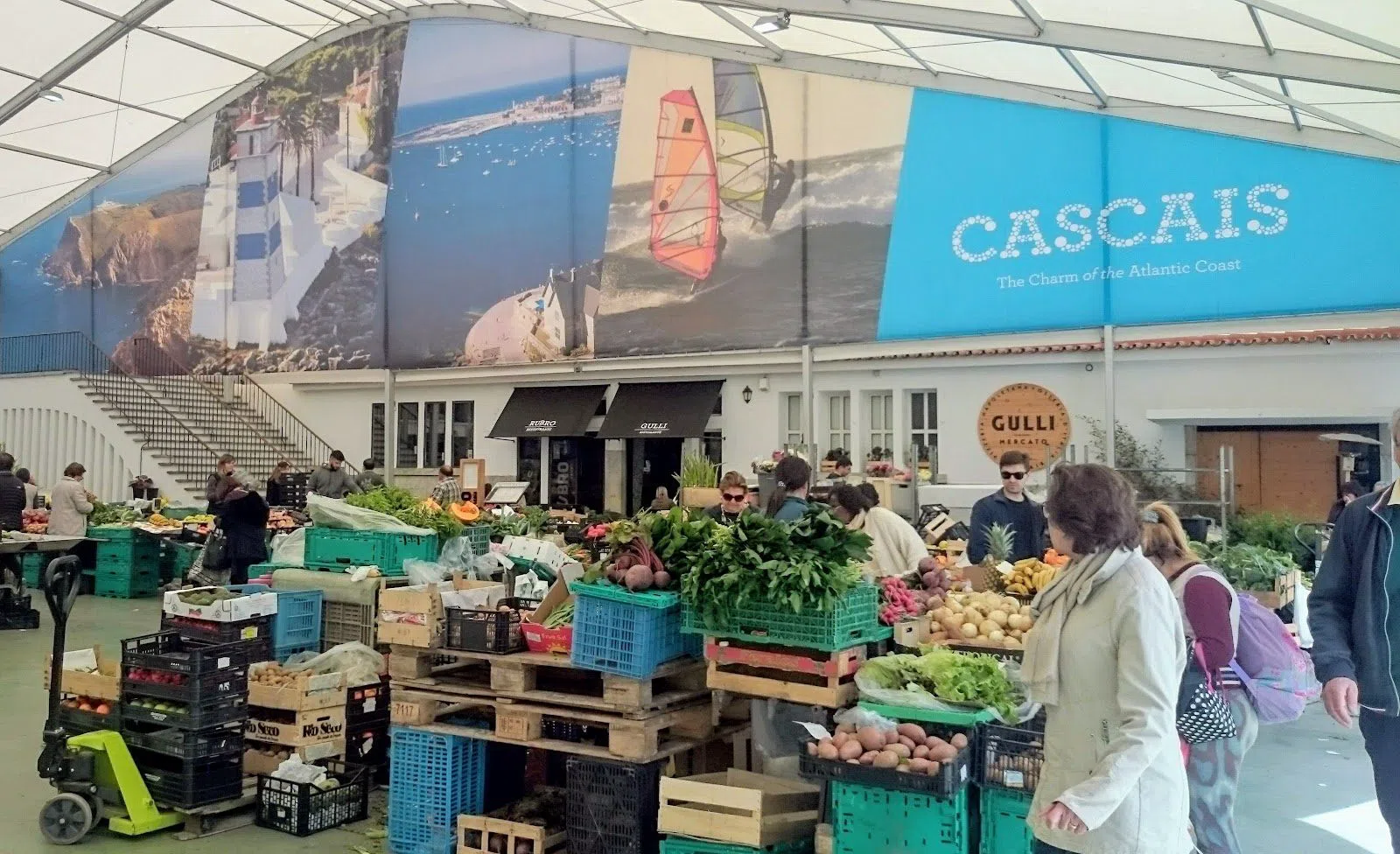
Mercado da Vila (two streets behind the bay) is a working municipal market on Wednesday, Saturday and Sunday mornings, trading from 06:30 and winding down around 14:00, and at night it converts into a hall of restaurant counters. Communal seating, several kitchens, no booking: it is the easiest place in town to feed a mixed group of ten who turned up hungry at eight o'clock. Produce is cheap; a seafood meal at Marisco na Praça inside, where you point at the ice display and it's sold by weight, runs €25–45 per person. That counter is open daily, noon to midnight.
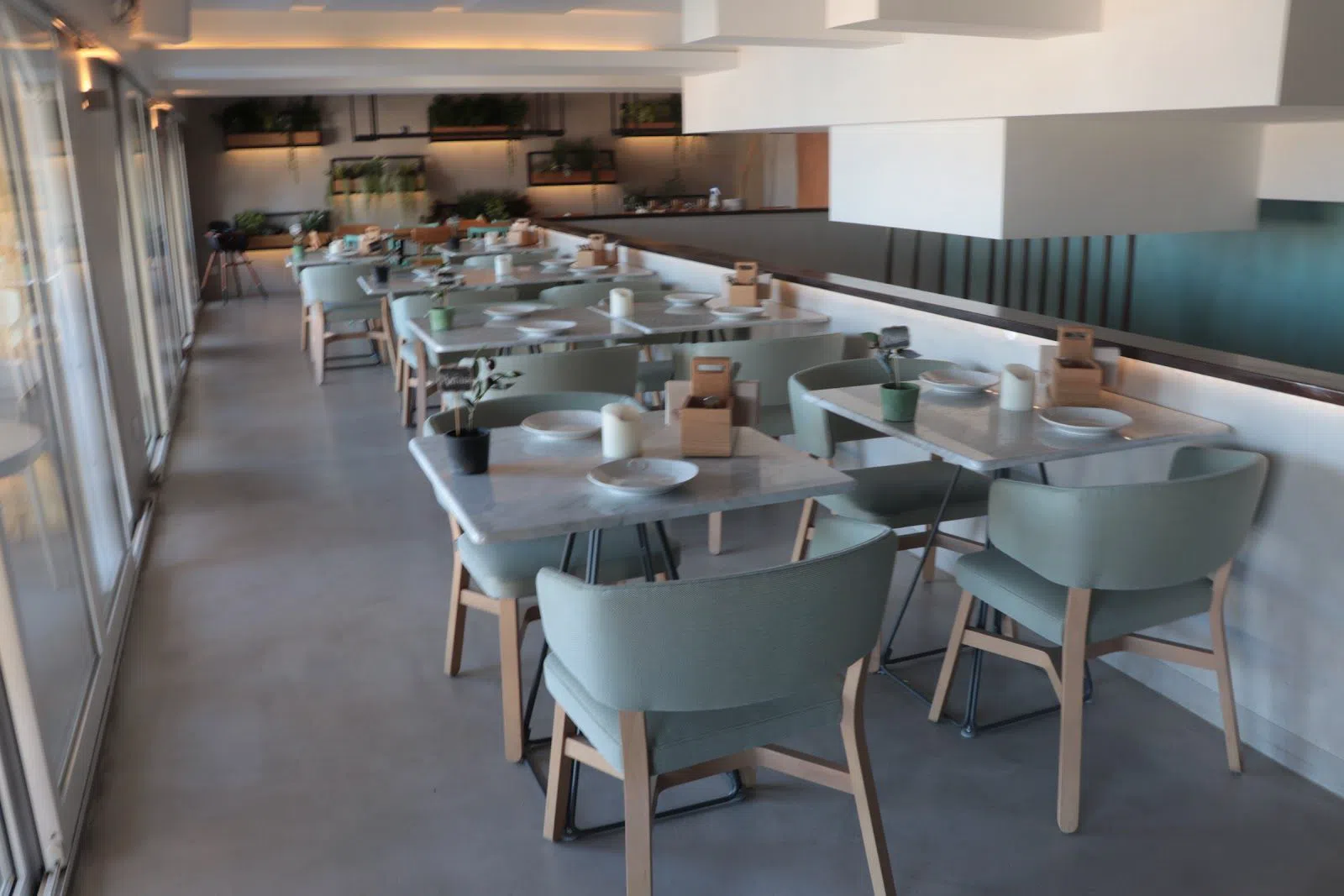
Hífen (on the bay-front road) is the booked-table option: modern Portuguese sharing plates (prawns, grilled limpets, octopus salad), a serious cocktail list and a view over the bay, at €30–45 per person. The downstairs bar has high tables and works for a group standing with drinks; the upstairs dining room is small and needs reserving, particularly at weekends. Open noon to midnight Thursday to Sunday, with an afternoon break Monday to Wednesday, so check the day before you walk over at four.
There are no door policies to navigate here. Nobody is going to look at your shoes. What limits you is table size, closing days and capacity caps: the lighthouse stairs, the Paula Rego guided slots, the studios at the citadel, the bike kiosks.
The practical bit
Transport: the train from Cais do Sodré runs roughly every twenty minutes, takes about forty minutes each way, and last services run late. In Cascais you can walk to everything except Guincho, which is bus 415 or the bike path. A car is a liability, because the town centre is largely pedestrianised and parking near the bay in summer is a sport.
Cards work almost everywhere, including the museums and the restaurant counters. Carry €30–50 in notes anyway for the market stalls, the craft stands at Boca do Inferno, and the odd small kiosk.
On timing: museums close Mondays; Santa Marta also closes on public holidays and only opens its tower Thursday to Saturday. Mar do Inferno closes Wednesdays. Hífen shuts for the afternoon Monday to Wednesday. The market trades Wednesday, Saturday and Sunday mornings. The citadel galleries all open free on the first Saturday of the month, 16:00–19:00. Ride to Guincho in the morning before the Nortada builds, and keep the promenade for late afternoon when the light comes in sideways.
On budget: a lean day (train, the Paredão, Boca do Inferno, a municipal bike, gelato and a market dinner) lands around €35–45 a head all in. Add two museums and a proper seafood lunch and you're at €90–120. A surf lesson or a RIB trip adds €35–60; lunch at the fort takes the day past €200.
If you're stitching this into a longer stay, the Lisbon guide has the city end of the trip: where to base yourself, and which days are worth keeping free for the coast.
Before you go
How do you get from Lisbon to Cascais without a car?
Take the train from Cais do Sodré to the end of the line at Cascais, roughly every twenty minutes, about forty minutes each way, along the water. Buy a rechargeable card at the station machines and top it up rather than buying paper tickets twice. From Cascais station everything except Guincho beach is within a two-kilometre walk on flat pavement, and you can reach Guincho on bus 415 or the cycle path.
Can you swim at Praia do Guincho?
You can, but most visitors shouldn't treat it as a swimming beach. Guincho Norte and Sul both hold Blue Flag status for the 2026 season, yet the Nortada wind builds through the afternoon and there are rip currents, so it works better as a walking-and-watching beach. Lifeguards patrol during the official bathing season, 1 May to 30 September. If you want to get in the water, book a lesson with Moana Surf School, who have taught the break since 2003 and cap groups at six per instructor.
What is closed on Mondays in Cascais?
All four museums close on Mondays: Casa das Histórias Paula Rego, Museu Condes de Castro Guimarães, the Santa Marta Lighthouse Museum and the guided side of the Cidadela Art District. Santa Marta also closes on public holidays. Mar do Inferno closes on Wednesdays instead, and Hífen takes an afternoon break Monday to Wednesday. Make Monday your promenade, Boca do Inferno and beach day.
Is one day in Cascais enough, or should you stay overnight?
One day covers it comfortably if you pick one lane: either the walking day (Paredão, museums, Boca do Inferno, dinner at Mercado da Vila) or the moving day (bike to Guincho, a surf lesson or a RIB trip, lunch on the Guincho road). Trying to do both leaves you rushing. Most people are better off keeping their room in Lisbon and coming out on the train.
Which places in Cascais work for a group, and which don't?
Mercado da Vila takes a group of ten with no reservation, Casa da Guia lets everyone order from a different kitchen, Mar do Inferno regularly seats big tables (reserve, closed Wednesdays), and Four Adventures builds RIB trips around private parties. Harder for groups: the Santa Marta tower climb is capped and only runs Thursday to Saturday, the small rooms at Castro Guimarães mean large parties get split, the upstairs dining room at Hífen is tight, and the dining room at Fortaleza do Guincho is small enough that bigger parties should ask about private dining or eat at the hotel's casual Spot restaurant.