The Lisbon issue
Lisbon's Oldest Conversation With Itself
A calm, honest walk through Lisbon's fado rooms — which houses suit a first-timer, which suit two, and which you should never bring a group of ten to.

By Robin AaltinkLisbon on foot, timed to the tram
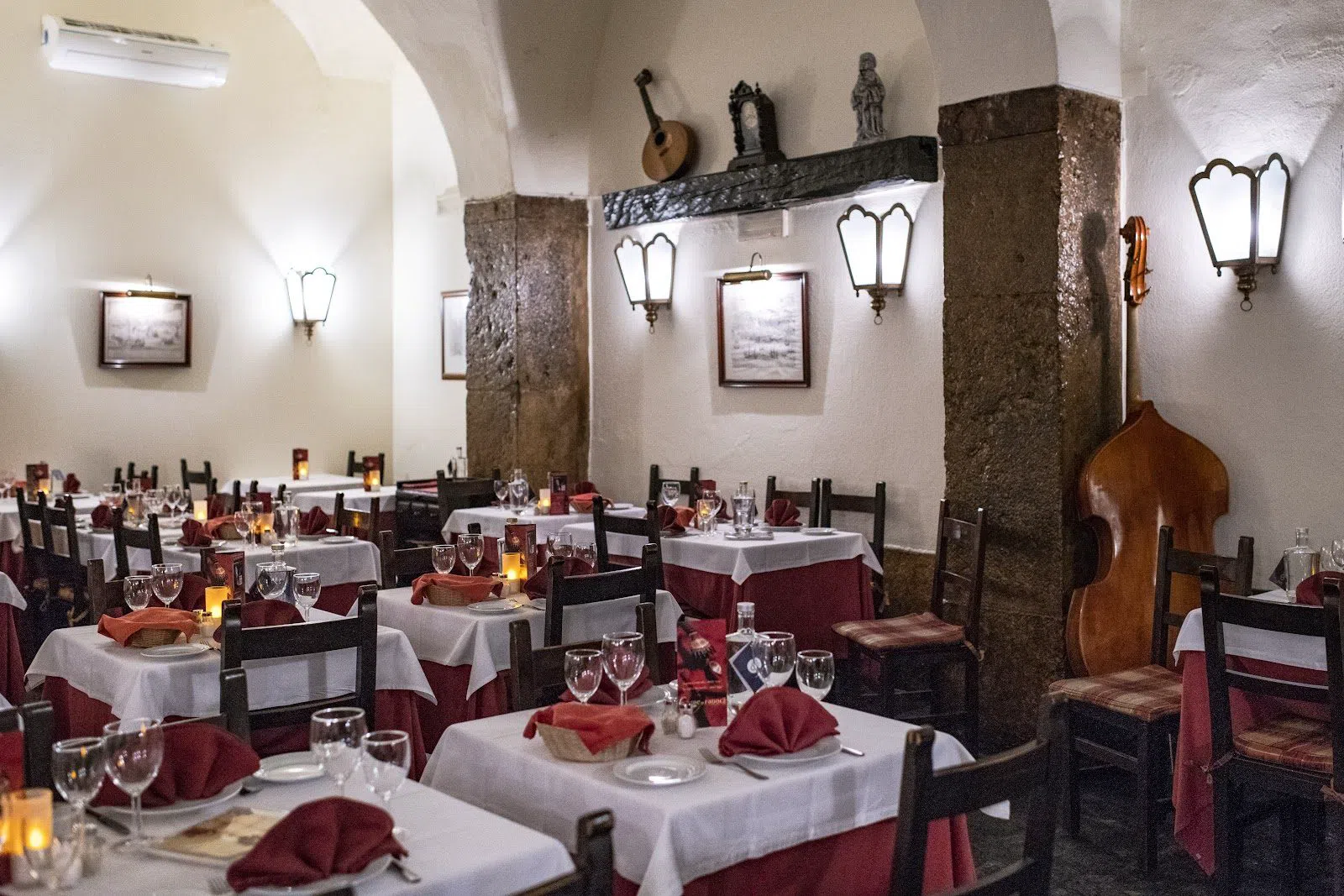
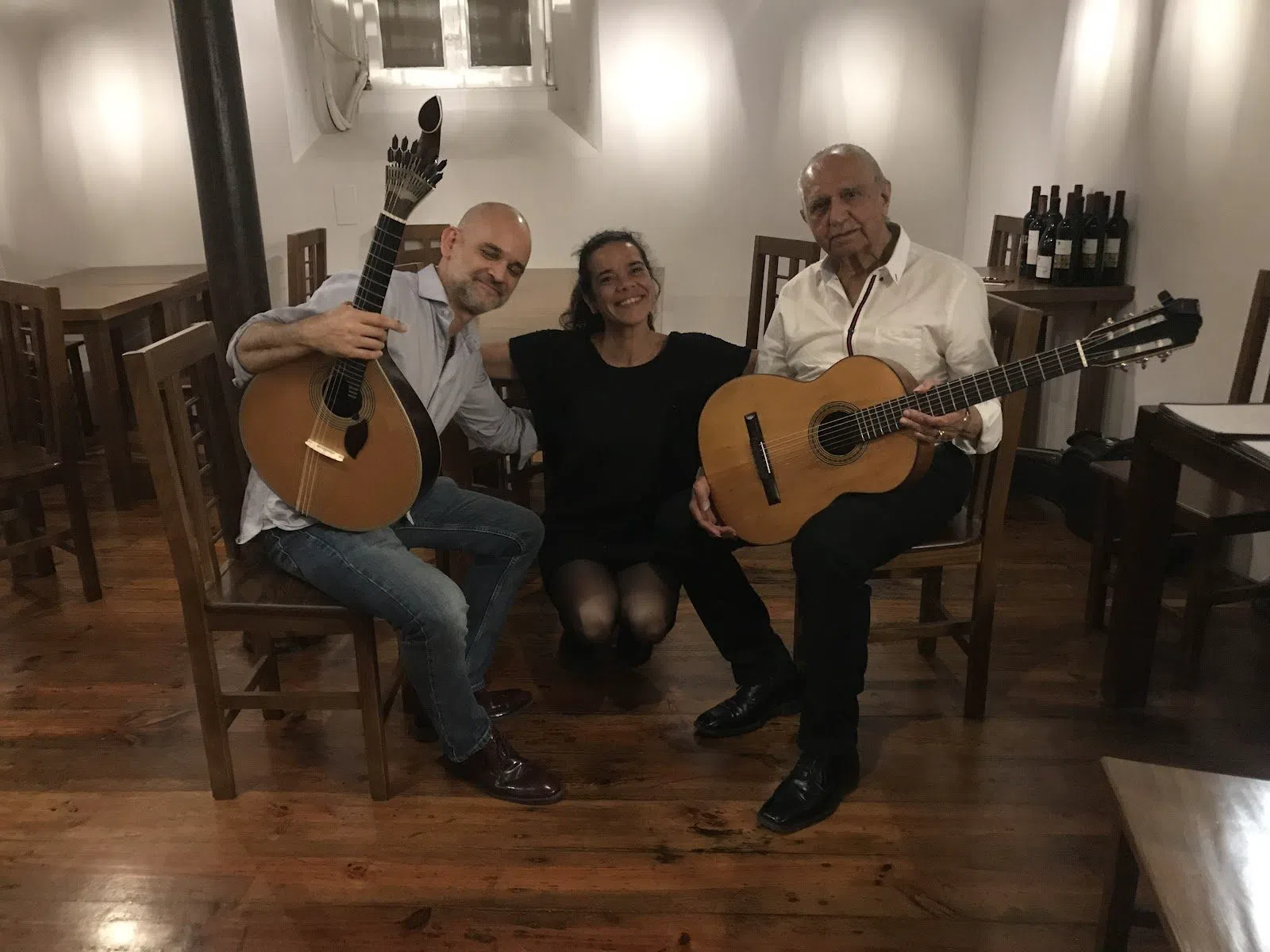
Fado is what Lisbon does with a bad memory of the sea. It is one voice, one Portuguese guitar, one steel-string viola, and a room that agrees to go silent while someone sings about leaving and not quite arriving. You do not need to understand the words on the first night; you need to sit still, keep your fork down while the singer is working, and let the city talk to itself the way it has for the better part of two centuries.
This guide walks you through the rooms that still do it well in 2026 — where to start, which houses take a crowd and which will resent one, and how to hear the music without paying for a production you didn't want. Every place named below is somewhere you can actually book or walk into this year. If you want to line up a base before you plan the nights, start with a Lisbon hotel search; everything here is reachable on foot or a short taxi from the centre.
Understand it first, then hear it
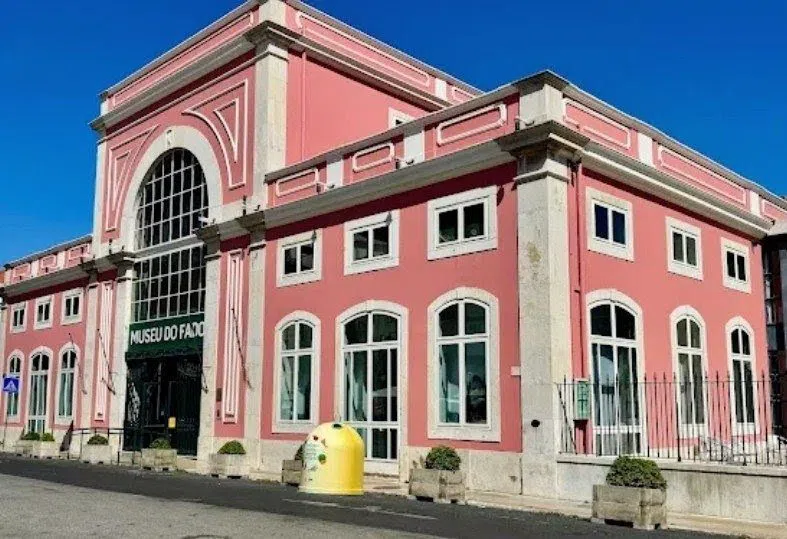
Before you commit an evening and €60 to a cellar, give an afternoon to Museu do Fado (Alfama, at the bottom of the hill by the Largo do Chafariz de Dentro). Entry runs around €5, and it does the one thing a dinner show can't: it tells you what you're listening to. You'll see who Amália was, why the Portuguese guitar has that teardrop shape, and how a tavern song became a UNESCO-listed heritage form. The museum handles groups easily, has a decent café-restaurant if you want to sit down after, and runs a regular 2026 concert programme worth checking — those concerts are scheduled events, priced separately, so book ahead if one lands on your dates. It's daytime-friendly and fine for all ages, which makes it the natural first stop before the late nights begin.
From the museum you're already in Alfama, which is where most of the story lives.
Plan your Lisbon trip
Live prices from our booking partners.
Free cancellation on many rooms. We may earn a commission when you book.
Alfama: the old houses on the hill
Alfama is the oldest district in the city and the most physically demanding to wander — narrow, stepped lanes that climb hard from the river toward the castle. Wear real shoes, expect to be briefly lost, and treat the hill as part of the evening rather than an obstacle to it. The reward is a cluster of fado houses within a few hundred metres of each other.
The safe, polished bet for a first night is Clube de Fado (Alfama, near the Sé cathedral). Founded in 1995 by the guitarist Mário Pacheco — sold in 2019 but still run as before — it's a professional house that guarantees established fadistas rather than hoping someone good turns up. Dinner and show land around €50–70 per person. It takes groups well with advance reservation and is used to tour parties and private tables, so it's the one to pick if you're organising for people who've never heard fado and want it done properly.
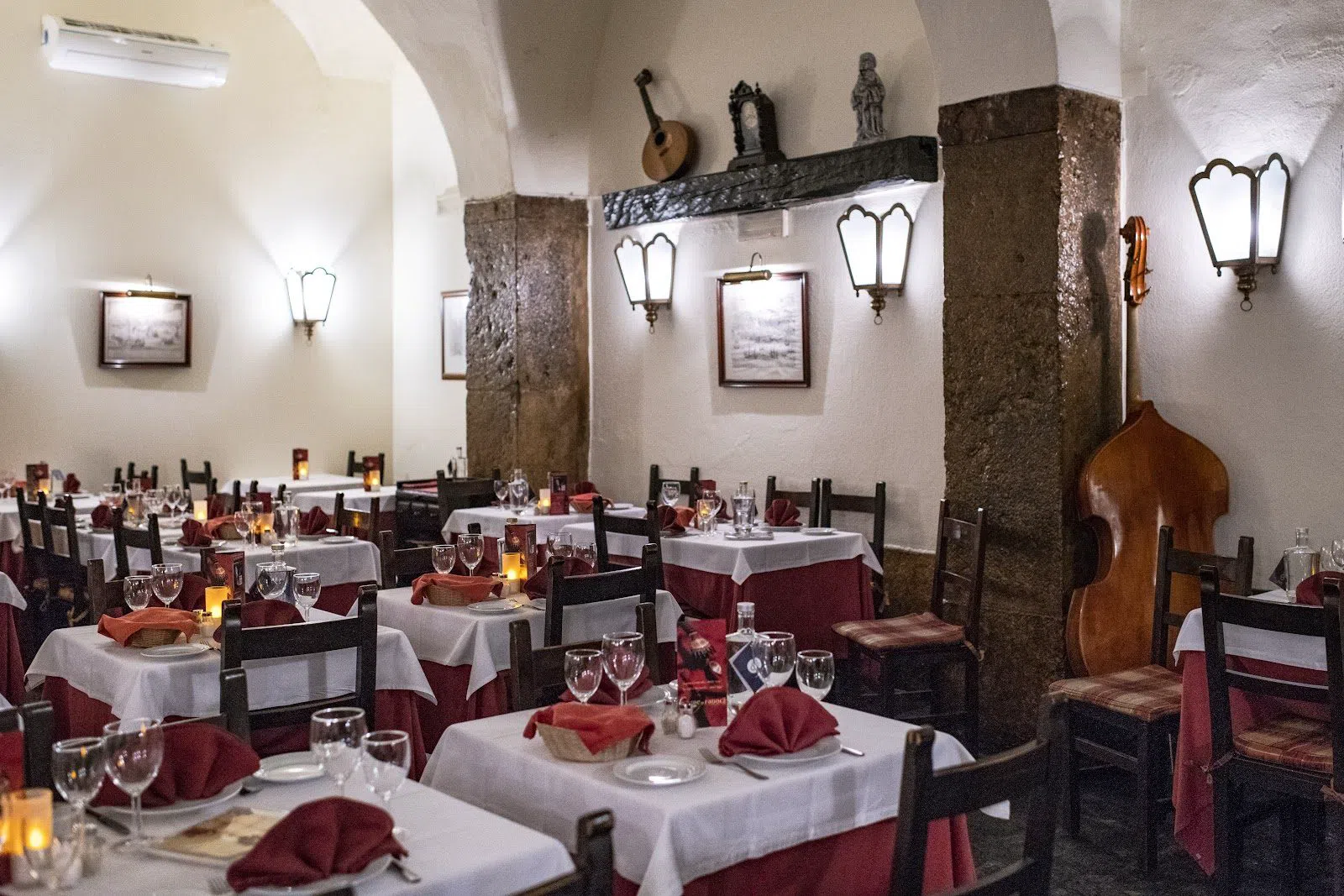
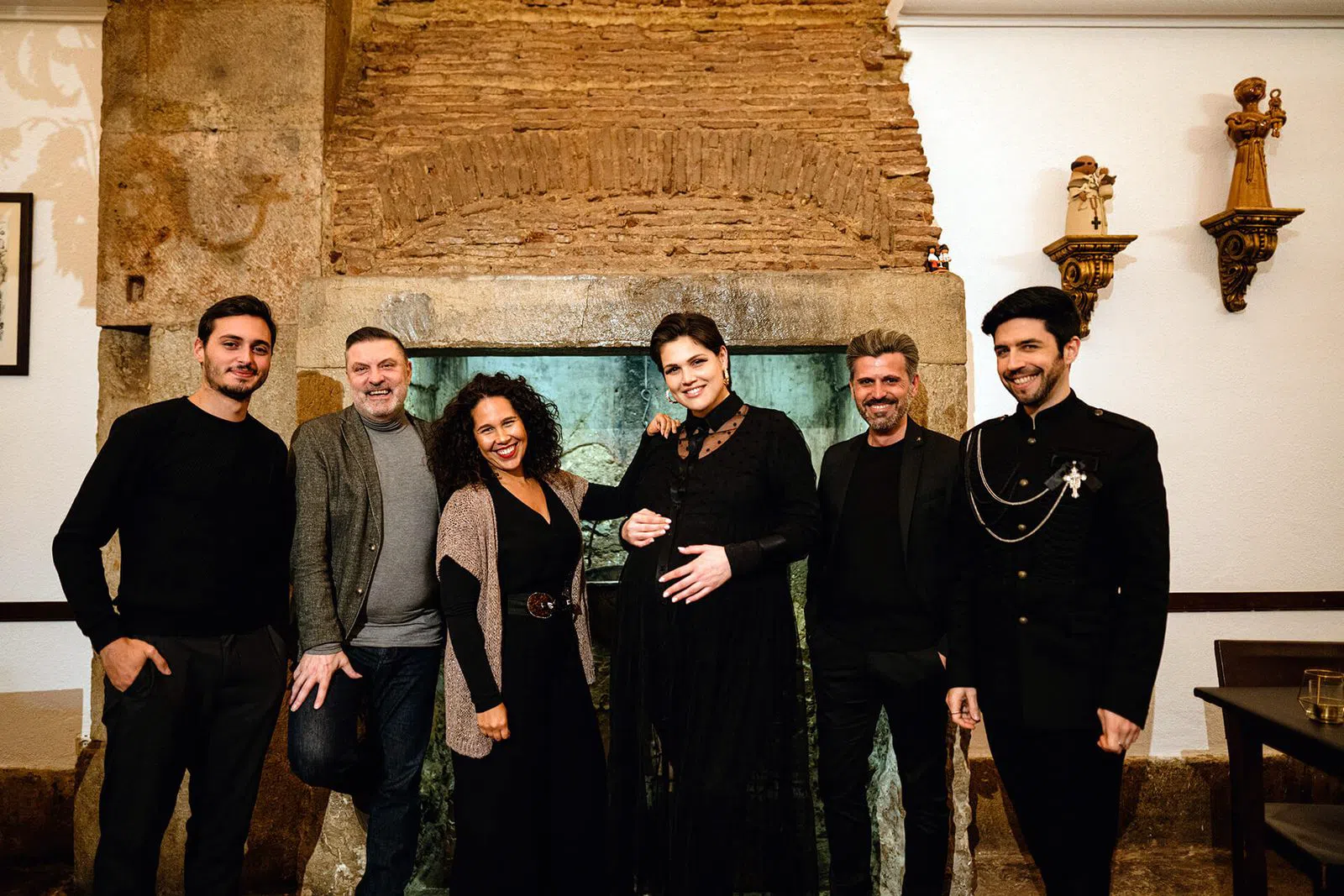
A five-minute walk away is the most cinematic room in the city: Casa de Linhares (Alfama), set inside a former counts' palace. The stone room does serious things to a powerful voice, and the kitchen takes its cod as seriously as its singers — this is a bacalhau house as much as a fado one. Reckon on €55–75 per person. It's big enough to seat groups and is a strong choice for a special-occasion table, but note it runs Monday to Saturday only, closed Sunday, and books out several days ahead, so plan it rather than chancing it.
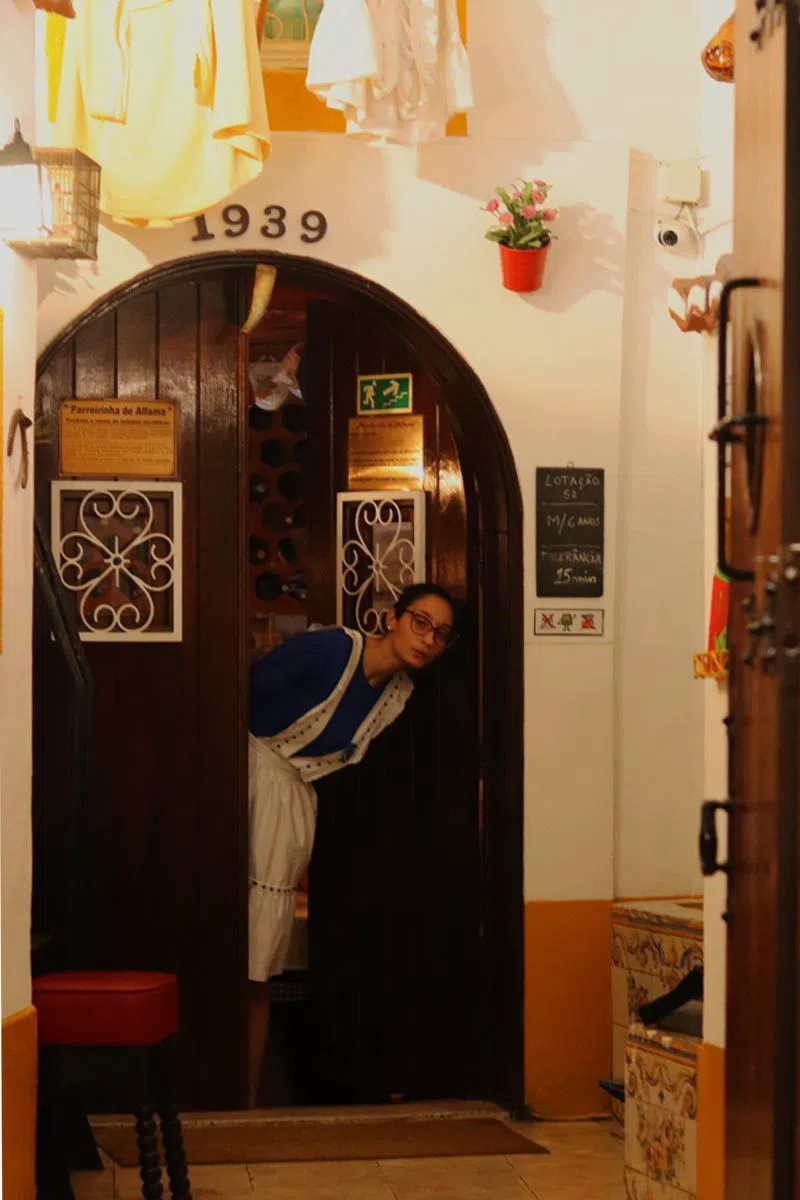
For something with more heritage than polish, Parreirinha de Alfama (Alfama) has been running since 1939 and was founded by the fadista Argentina Santos. This is a deeply traditional room where genuine greats performed; the finish is plainer than at the palace houses, and that's the point. Dinner and show sit around €40–60 per person. It's modestly sized — small groups are fine with a reservation, large parties are not — and it rewards people who care more about lineage than production values.
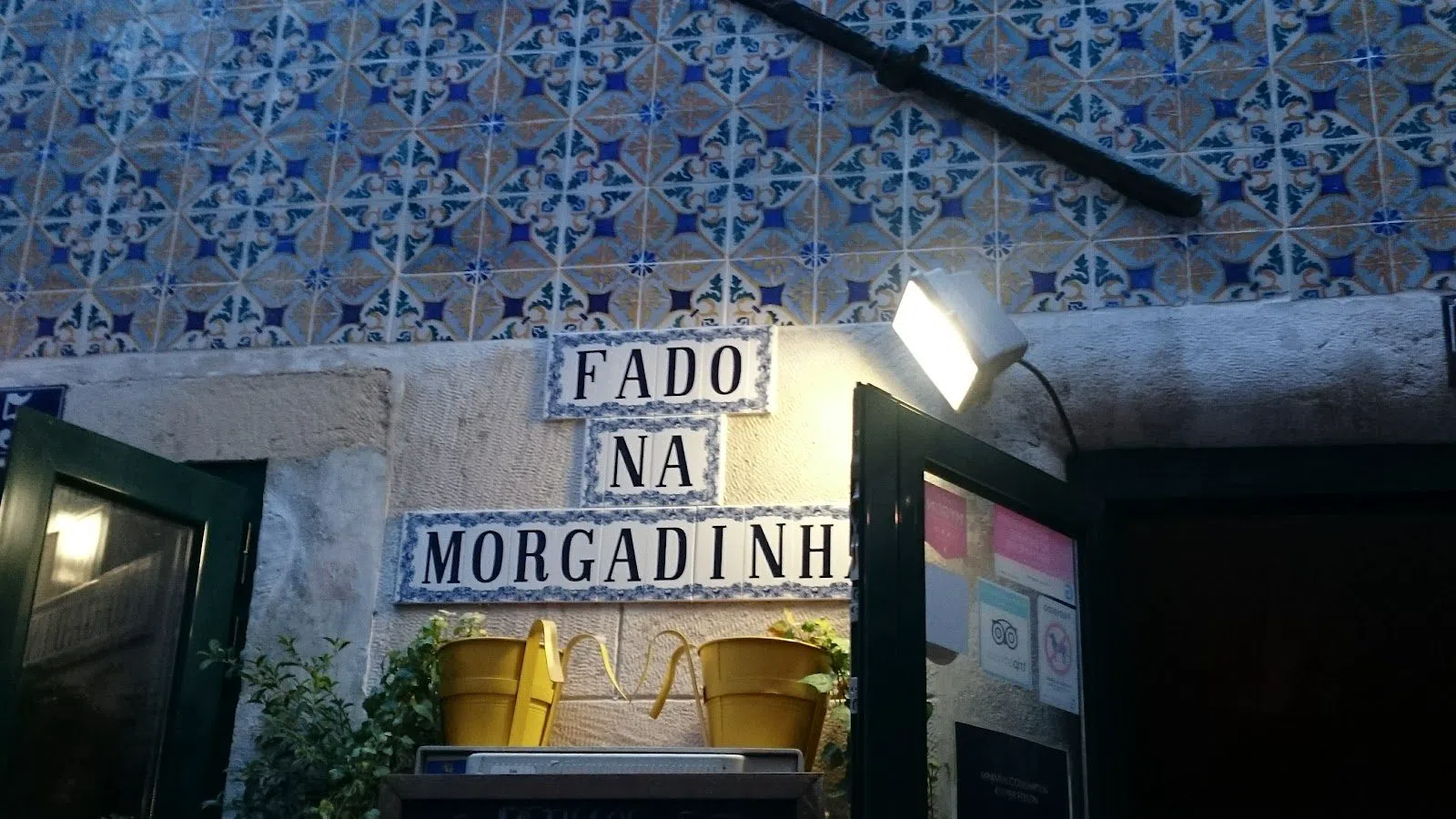
If the cellars start to feel airless, Fado na Morgadinha (Alfama) is the change of pace. It's a small restaurant with an actual terrace — a rarity here — and a quieter, less touristed feel, at roughly €35–55 per person. It suits couples and small groups who've reserved ahead and want the music somewhere warmer and more informal than a vaulted stone room.
Alfama after midnight: the small and the shared
Some of Alfama's best fado happens in rooms that can barely hold you, and that intimacy is the whole appeal. Do not bring a group to any of these three.
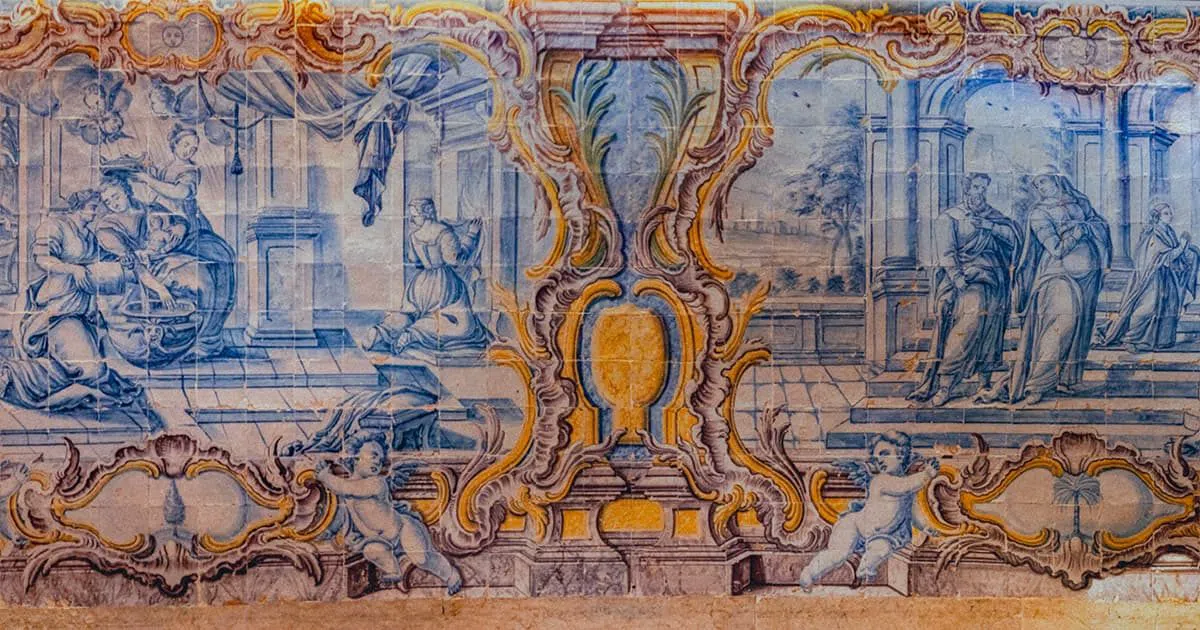
Mesa de Frades (Alfama) is an ex-chapel that survived the 1755 earthquake, tiled to the ceiling and seating barely forty people. Shows start around 20:30 and run past midnight, Monday to Saturday, at €45–65 per person with dinner. What makes it worth the squeeze is what happens late: after midnight it loosens into something closer to an open session among fadistas, and the line between performer and guest blurs. Reserve — a room this small has no walk-in mercy — and understand it's fine for a few friends, hopeless for a crowd.
A short walk on, A Baiuca (Alfama) is fado vadio at its most communal — "vagabond fado," where neighbours and guests take turns at the song rather than a booked bill of professionals. It runs a set menu, is cash-friendly, and costs around €30–45 per person. It's charming and genuinely local, and it's also tight and often fully booked weeks ahead in summer, so this is a plan-early, pairs-or-tiny-groups-only proposition. Turn up hoping for a table and you'll be walking back down the hill hungry.
The third of the intimate options actually sits across town, so I've held it for the Bairro Alto stretch below — but the principle is the same: the smaller the room, the earlier you commit.
Bairro Alto: the cellars up the other hill
Across the valley, up a second climb, Bairro Alto is the other historic heart of fado — grander, more theatrical, and generally better set up for larger bookings. The catch is that it's also where the tourist machinery runs hottest, so book, arrive on time, and don't expect a secret. Getting up here on foot is a proper haul from the river; the Elevador da Glória funicular or a taxi saves your legs if you've already done Alfama the same day.
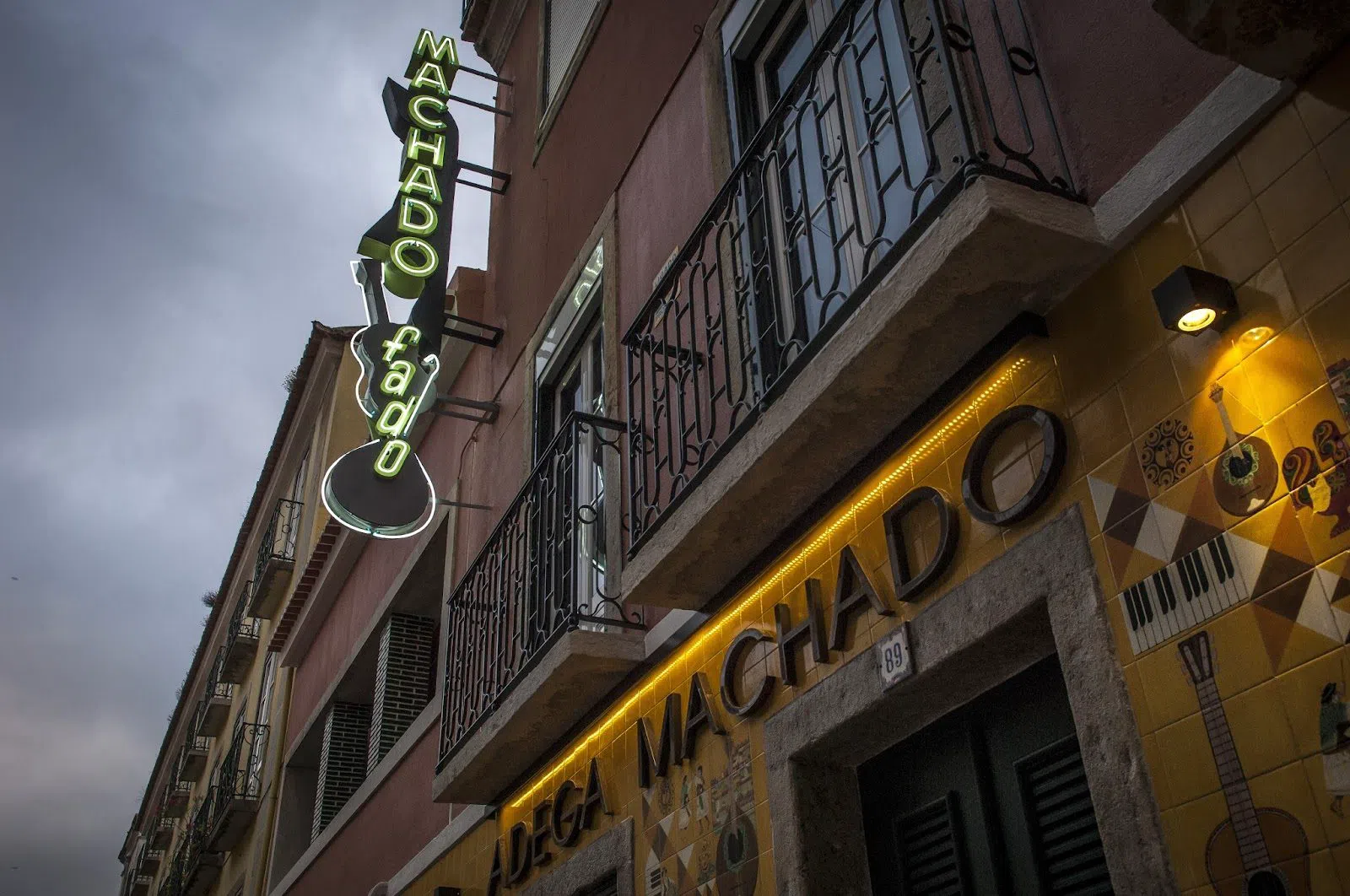
The grand old workhorse is Adega Machado (Bairro Alto), an institution since 1937. It's open daily — useful when Alfama is fully booked — with the kitchen running from 19:30 and fado from 20:30, at €45–65 per person. It's reliably slick and well set up for groups and tour bookings, and tables fill early, so reserve. As a dependable default it's hard to fault.
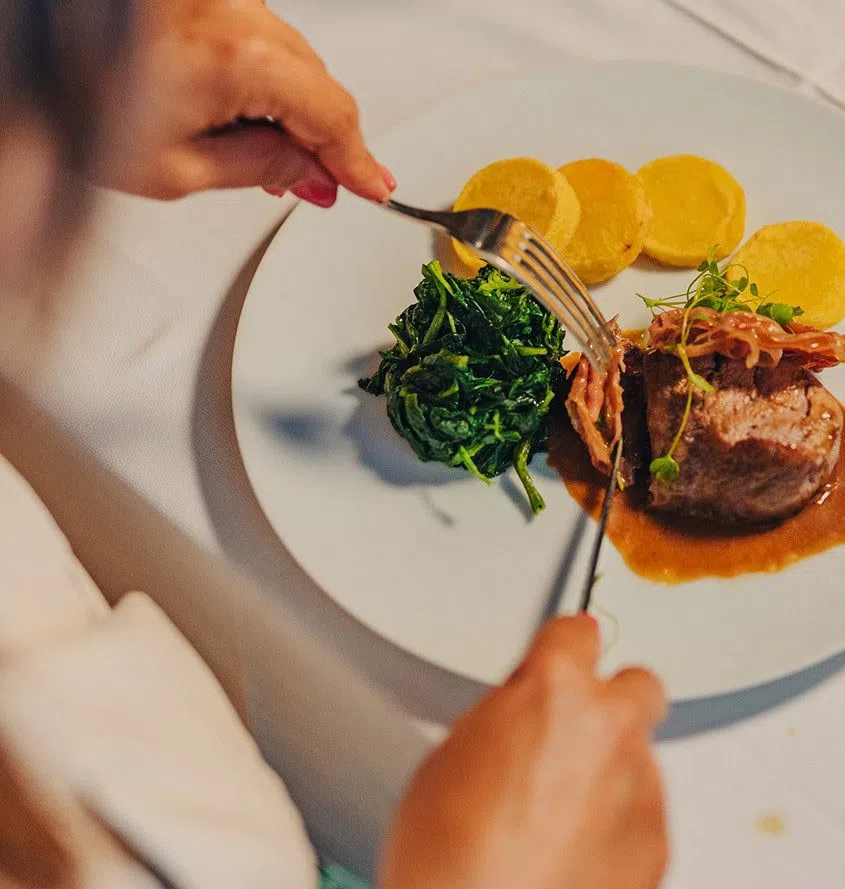
Older still is Café Luso (Bairro Alto), a fado cellar since 1927. It's grand and unashamedly touristy, but the vaulted acoustics do real work and the room absorbs big parties without the music suffering — €50–70 per person. If you're the one shepherding a sizeable group or an event and need a room that won't buckle under numbers, this is the practical answer.
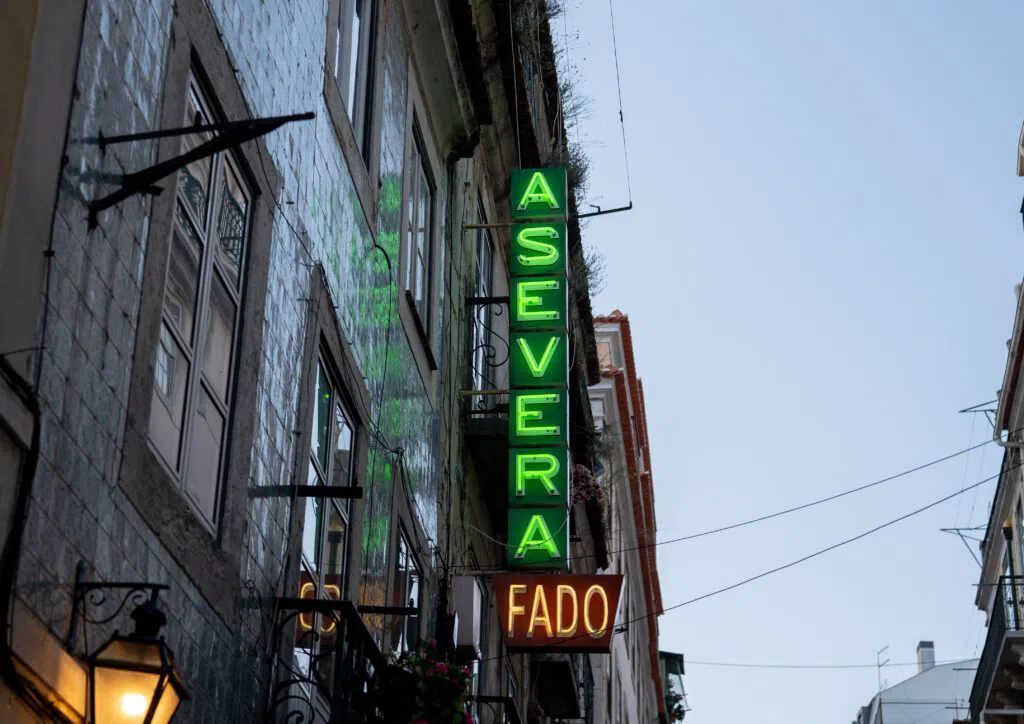
O Faia (Bairro Alto), established in 1947, is the elegant, seated sit-down show — traditional service, a long history of major fado names, €50–70 per person, groups fine by reservation. Nearby, A Severa (Bairro Alto) has been run by the same family since 1955; it's steady and traditional, a touch less packaged than some of its neighbours, and a sensible middle-of-the-road pick at €45–65 per person, seating groups by reservation. Between the two, choose O Faia for polish and A Severa for a slightly plainer, family-run feel.
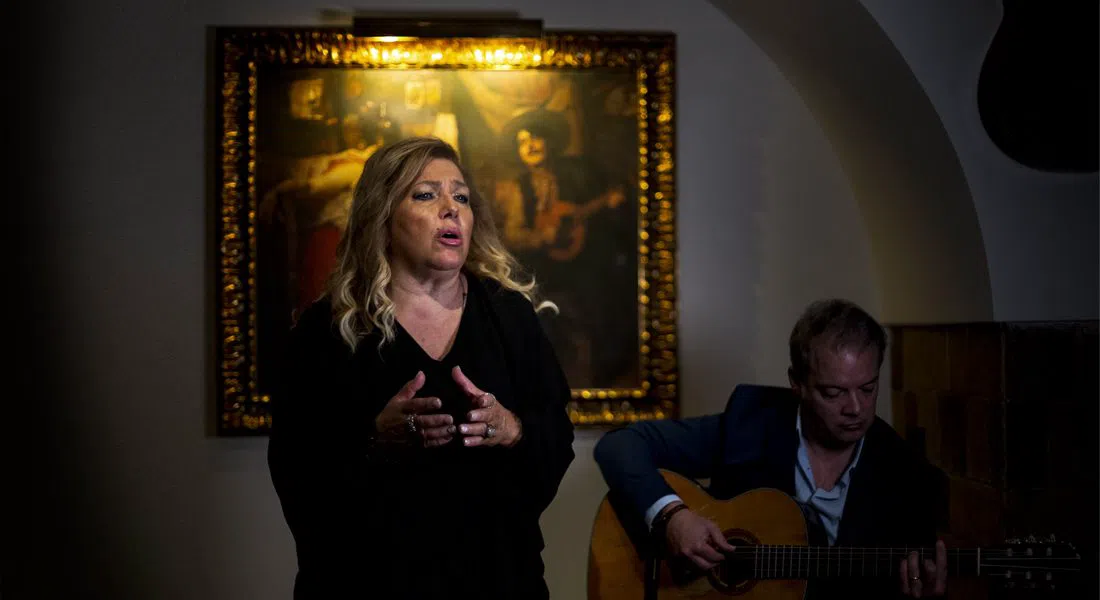
And then the exception to everything grand about this district: A Tasca do Chico (Bairro Alto). Since 1993 this scruffy little tavern has run fado vadio nights where anyone — a passing star or a nervous amateur — might stand up and sing. It's tiny and strictly first-come, cash only, with a minimum spend of around €10 and no cover charge; drinks and small plates keep it firmly in budget territory. Go as a pair or a trio, arrive before 19:00 to have any hope of a spot, and accept that a real group simply cannot be seated here. It is the least produced, most spontaneous fado in this guide, and for a lot of travellers it's the night they remember.
Away from the crowds: Lapa and the food-forward rooms
If the Alfama and Bairro Alto crush isn't for you, two rooms sit deliberately apart.
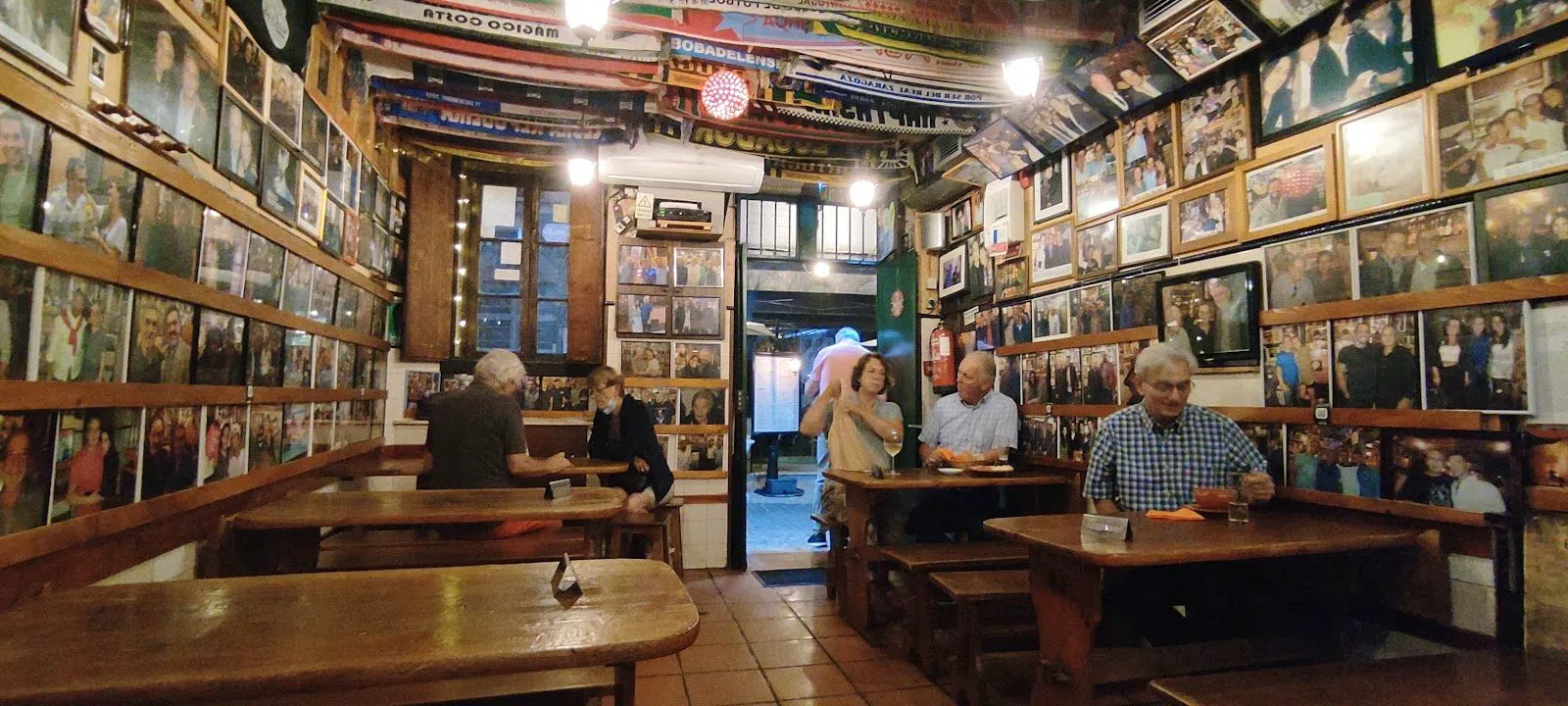
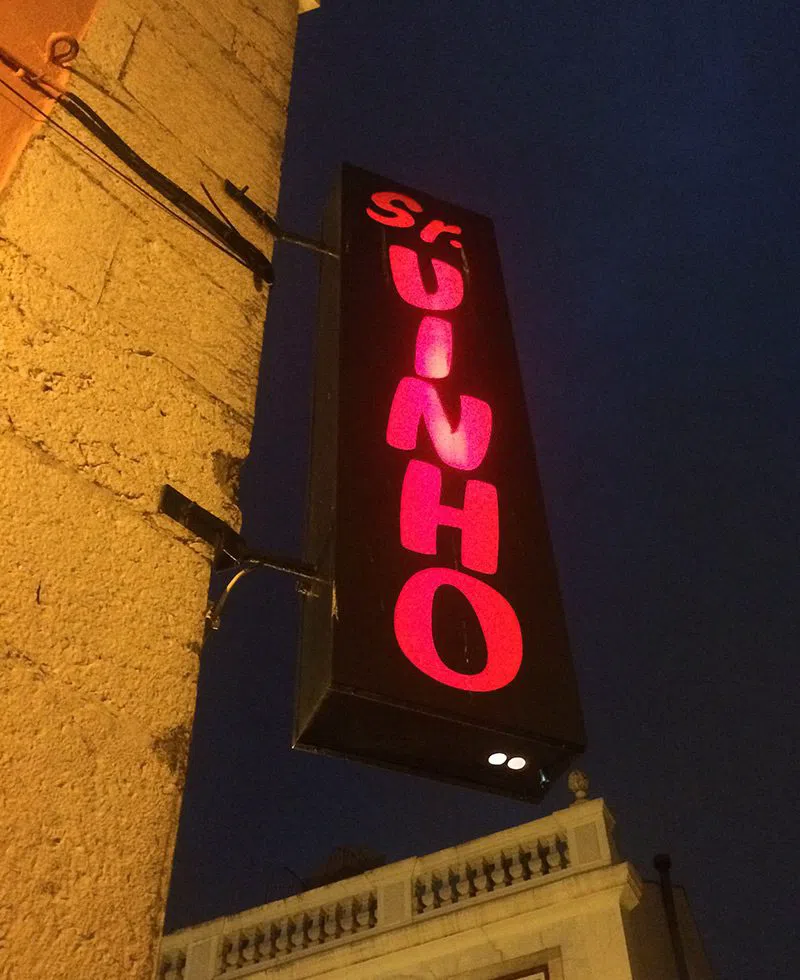
Sr. Vinho (Lapa) — Senhor Vinho — opened in 1975, founded by the legendary fadista Maria da Fé, and it remains the connoisseur's room: top-tier singers, a hushed, refined atmosphere, and none of the tour-bus energy of the two main districts. It's in Lapa, an uphill residential quarter west of the centre best reached by taxi, and runs €55–80 per person. Groups are comfortable by reservation, but the mood here is serious listening rather than a rowdy night — pick it if the singing is the reason you came.
For a gentler, food-first evening, O Corrido — Casa de Fado is the relaxed, roomier alternative to the cramped tascas. It's lower-key and built around strong traditional Portuguese cooking with unhurried fado between courses, at €35–55 per person, and it takes small-to-mid groups by reservation. If you want the music without a formal, pricey production — and without a table you can't move your elbows at — this is the comfortable choice.
Reading the room: etiquette and honest expectations
One rule matters above all others: when the singer begins, the room goes quiet. Conversation stops, cutlery goes down, no photos with the flash on. In the tiny houses this is enforced by proximity and everyone's goodwill; in the big cellars a maître d' will hush a talkative table without much patience. Respect it and the evening opens up.
Be honest with yourself about what you're booking. The palace and cellar houses give you guaranteed professionals, a full dinner, and a set that runs to a schedule — polished, reliable, and priced accordingly. The vadio taverns give you unpredictability: the singing might be transcendent or merely earnest, the food is simpler, and you may wait for a table you can't reserve. Neither is better; they're different nights. A first-timer wanting certainty should lean toward Clube de Fado, Adega Machado or Casa de Linhares. A returning traveller chasing the raw version should aim for Mesa de Frades late, or A Tasca do Chico early.
Most dinner shows run late — arriving for a 20:00 or 20:30 table and leaving near midnight is normal, and the best late sets in the small rooms happen after most tourists have gone home. If you're building a wider itinerary around these nights, the full Lisbon guide covers where to eat and what to see in the daylight hours between them.
Practical notes
Booking. Reserve everything with a table and a show, ideally several days ahead in summer 2026 — Casa de Linhares, the small Alfama rooms and A Baiuca in particular sell out. Only the walk-in tascas (A Tasca do Chico) can't be booked, and there you win a seat by arriving early, not by planning.
Cash. Carry euros. The vadio taverns — A Tasca do Chico, A Baiuca — are cash-friendly or cash-only, and A Tasca do Chico works to a minimum spend of about €10 rather than a menu. The larger houses take cards.
Getting there. Alfama and Bairro Alto are both steep; the climbs are real, and doing both on the same evening on foot is a lot of hill. Use the Elevador da Glória up to Bairro Alto, or take taxis and rideshares — they're cheap by international standards and save your legs for the standing-room late sets. Lapa (for Sr. Vinho) is far enough west that a taxi is the sensible option.
Timing. Kitchens open around 19:30, fado from roughly 20:30, and the intimate rooms come alive late — closer to and past midnight. Several Alfama and cellar houses close Sunday (Casa de Linhares and Mesa de Frades run Monday–Saturday), so check the day before you set your heart on one.
Budget. A full dinner-and-show evening runs €40–80 per person depending on the house. To hear real fado for far less, go the vadio route: a few euros of wine and petiscos at A Tasca do Chico, arrived-early and cash in hand, buys you a night the grand cellars can't sell.
Before you go
Do I need to book fado houses in Lisbon?
For anywhere with a dinner and a show, yes — reserve several days ahead in summer 2026, especially for small Alfama rooms like Mesa de Frades and A Baiuca, and for Casa de Linhares. The only places you can't book are walk-in taverns like A Tasca do Chico, where you win a seat by arriving before 19:00.
How much does a fado dinner cost in Lisbon?
A dinner-and-show evening at an established house runs roughly €40–80 per person depending on the venue, with the palace and connoisseur rooms (Casa de Linhares, Sr. Vinho) at the top end. You can hear fado for far less at a vadio tavern like A Tasca do Chico, where there's no cover and a minimum spend of about €10.
Can I hear fado in Lisbon without paying for dinner?
Yes. Head to the fado vadio (amateur) taverns — A Tasca do Chico in Bairro Alto works on a small minimum spend of drinks and petiscos rather than a set menu. Bring cash, arrive early, and go as a pair or trio; these rooms are tiny and can't seat groups.
Which Lisbon fado house is best for a large group?
Café Luso and Adega Machado in Bairro Alto are built to absorb sizeable parties and events by reservation, as is Clube de Fado in Alfama. Avoid the intimate rooms — Mesa de Frades, A Baiuca and A Tasca do Chico seat barely a few dozen and can't take a crowd.
What's the etiquette during a fado performance?
When the singer starts, the room goes silent: stop talking, put your cutlery down, and don't use flash. It's enforced by everyone's goodwill in the small rooms and by staff in the big cellars. Shows run late, often past midnight, and the best intimate sets happen after the tour groups leave.