The Lisbon issue
Grilled Fish and Cold Atlantic in Ericeira, an Hour from Lisbon
I do this one as a day trip up the coast from Lisbon: boats hauled up on the sand, beaches you can actually swim at, and the fish kitchens I keep going back to.

By Nádia FontesTwo visits before I say a word about the food
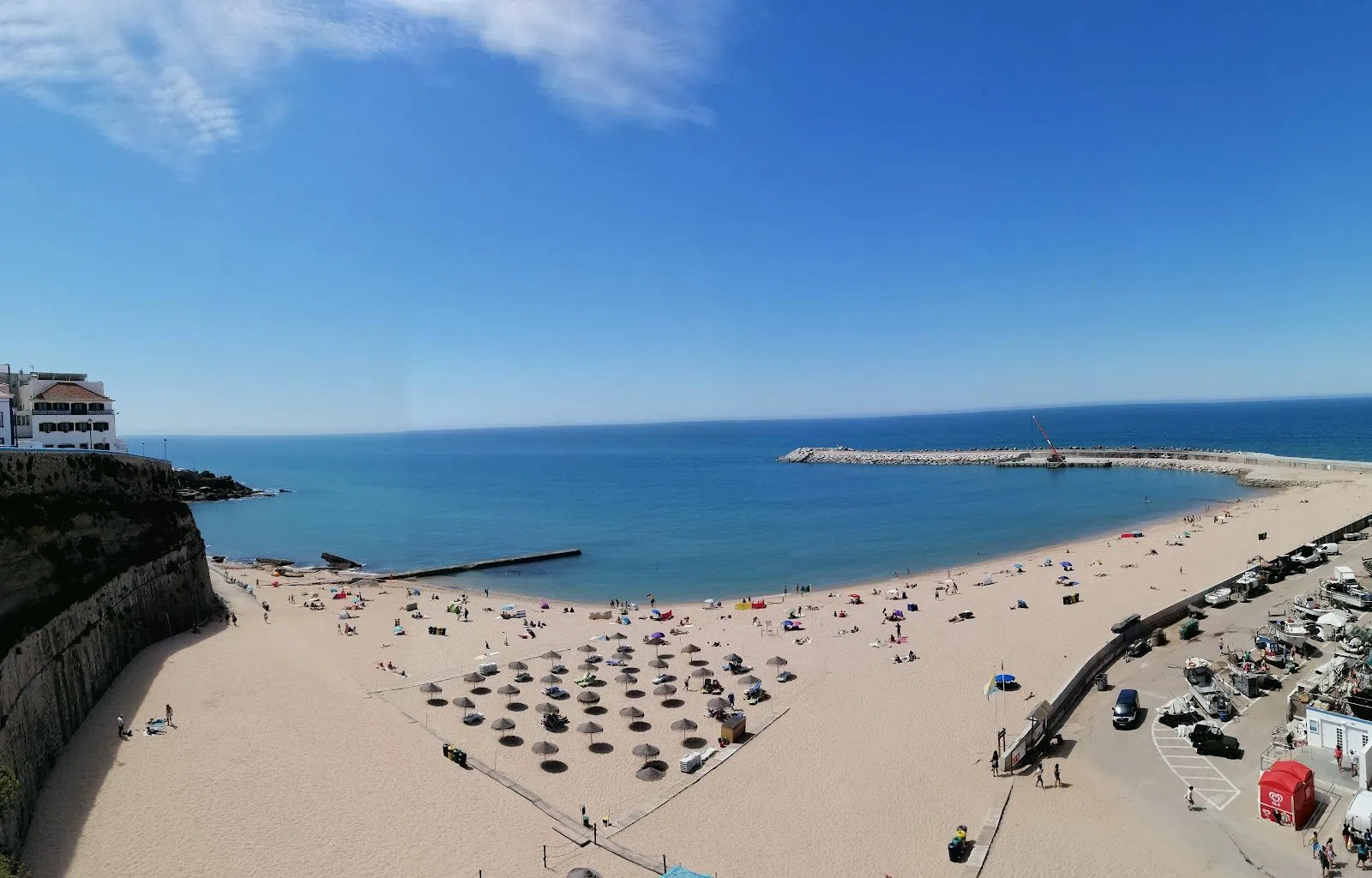
The wind off the Atlantic has salt in it before nine in the morning, and by the time I have walked down through the old town the first crates are already going into the market. Ericeira sits about 50km up the coast from Lisbon, under an hour in a car and a little over an hour on the bus, and it is the closest place I know where you can swim in the morning, watch a serious wave at midday, and eat fish landed on the sand below the restaurant. I come back four or five times a year, almost always for lunch.
Start at the market, not at the sand
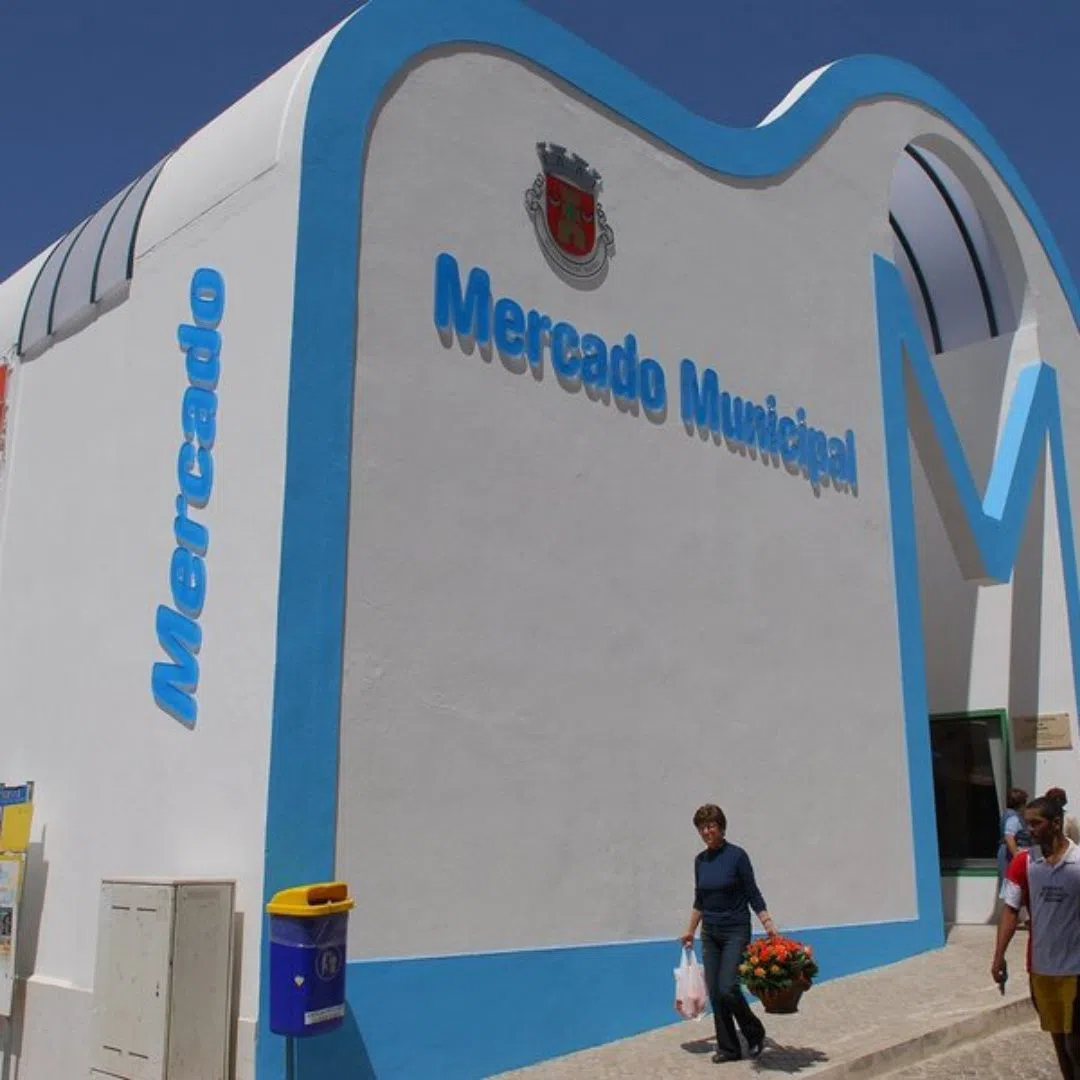
Mercado Municipal da Ericeira (old town, a few minutes downhill from where the bus sets you down) is free to walk into, and fifteen minutes in it explains every menu you will read for the rest of the day. Fish goes onto the slabs as soon as the day breaks and most of it is gone by 2pm, so this is a before-lunch stop or nothing. Prices are whatever the sea gave up that morning, which is why the grills in town charge what they charge.
The aisles are narrow. If you are six or more, drift through in twos and threes rather than arriving as one block, and stand out of the way of people who are buying. I use the market as reconnaissance: whatever is stacked highest on the ice at ten is what I order at one. If the sardines are piled up, I eat sardines. If it is squid, I change my mind about lunch.
Plan your Lisbon trip
Live prices from our booking partners.
Free cancellation on many rooms. We may earn a commission when you book.
The two beaches you can walk to
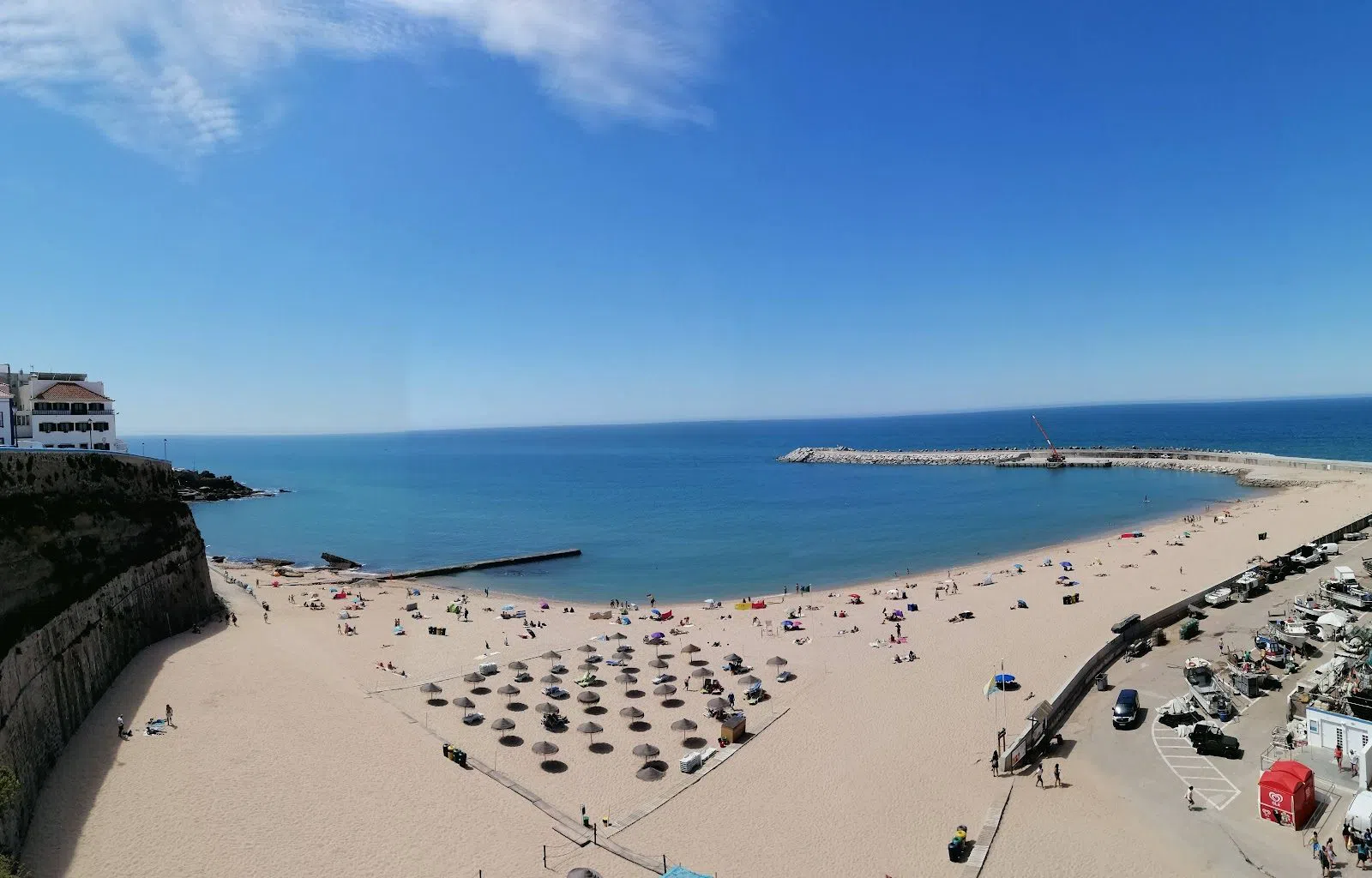
Praia dos Pescadores (straight down from the old town) is free, ungated, and the one Ericeira beach calm enough for a casual swim rather than a battle. The fishing boats pulled up on the sand are working boats, and they are the reason the seafood here is what it is. The cove is small, so a group of ten spreads out fast and a group of twenty stops being a group at all. In July and August I am on the sand before 11am or I do not bother.
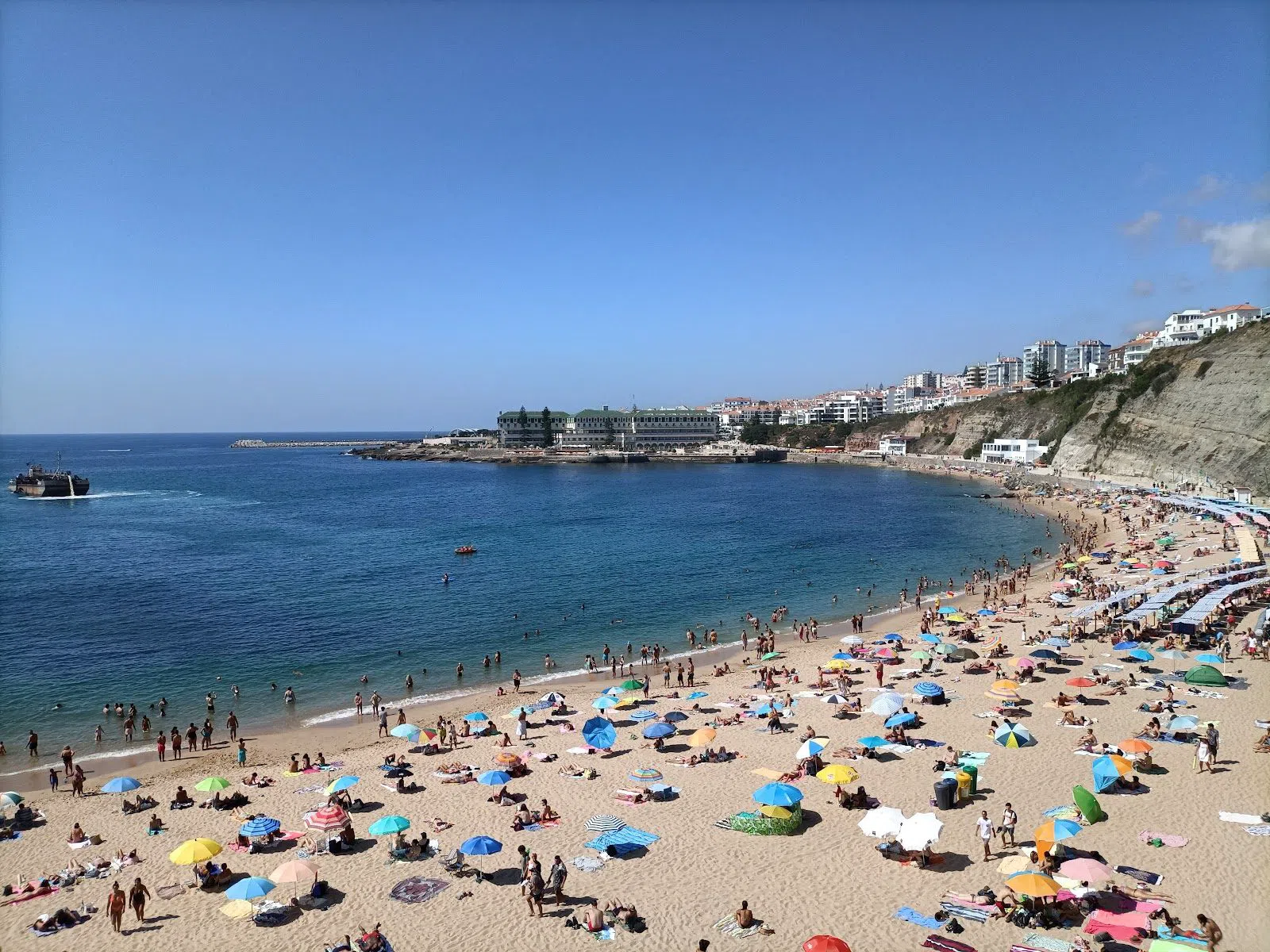
Praia do Sul, marked on some maps as Praia da Baleia (southern edge of town, an easy walk from the centre), is the biggest stretch of straightforward sand in Ericeira, with lifeguards through the high season, roughly June to mid-September, and a promenade above that soaks up the overflow when the sand fills. It takes its name from a whale that washed up here in the 1800s. Five minutes uphill is the Miradouro da Baleia, the best view on this coast, and it costs nothing but the climb. Go late in the afternoon, when the light comes in flat along the cliffs.
The surf coast, and the parts of it you should only look at
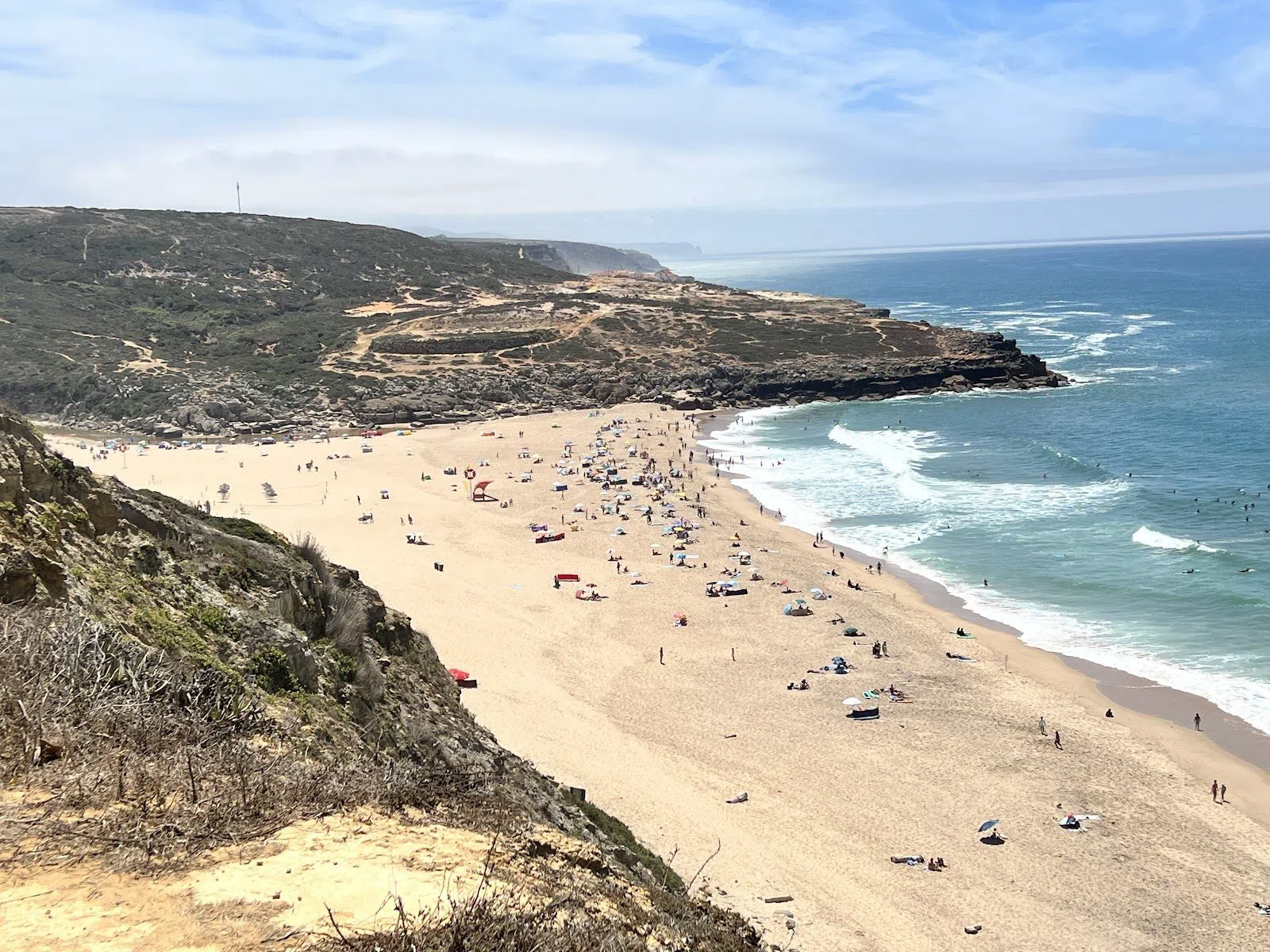
Praia de Ribeira d'Ilhas (a short drive north of town) is the centre of Europe's only World Surfing Reserve and where the contests are run, so non-surfers still get a show from the boardwalk. It is also the best-equipped of the surf beaches by a distance: a large paid car park at about €5 a day in summer and free off-season, lifeguards, showers, toilets, and step-free access with disabled parking and support staff. That combination makes it the one surf beach that works with a mixed group or with grandparents in tow. The water is for competent swimmers only. Watch from the deck and take that seriously.
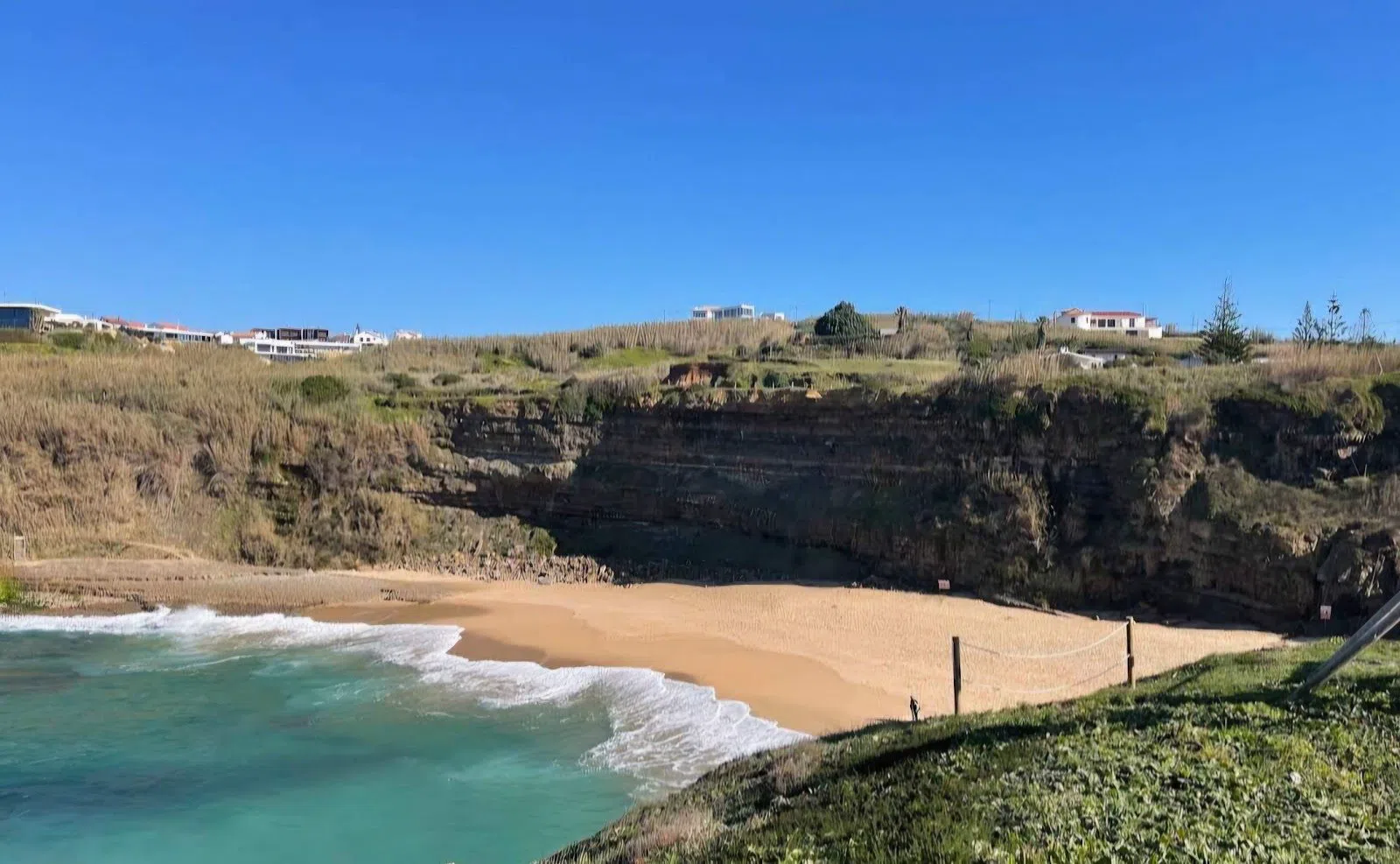
Praia dos Coxos (further north again, roadside parking only) holds the most serious wave in the reserve, and the twenty-minute clifftop walk out to it is spectacular. It is a look-don't-swim stop: no lifeguard cover, no facilities, and a reef that does not forgive mistakes. Come as a small group or in one car. This is not a place to unload a coach.
Praia da Foz do Lizandro (3km south of town, where the river meets the ocean) is the easiest arrival of the lot. Blue Flag, seasonal lifeguards, first-aid post, changing rooms, toilets, showers, and the largest car park nearby. The river shallows give small children somewhere to paddle while the ocean side takes the surf schools, which is a rare bit of separation on this coast. Pick it when you want space rather than a postcard cove.
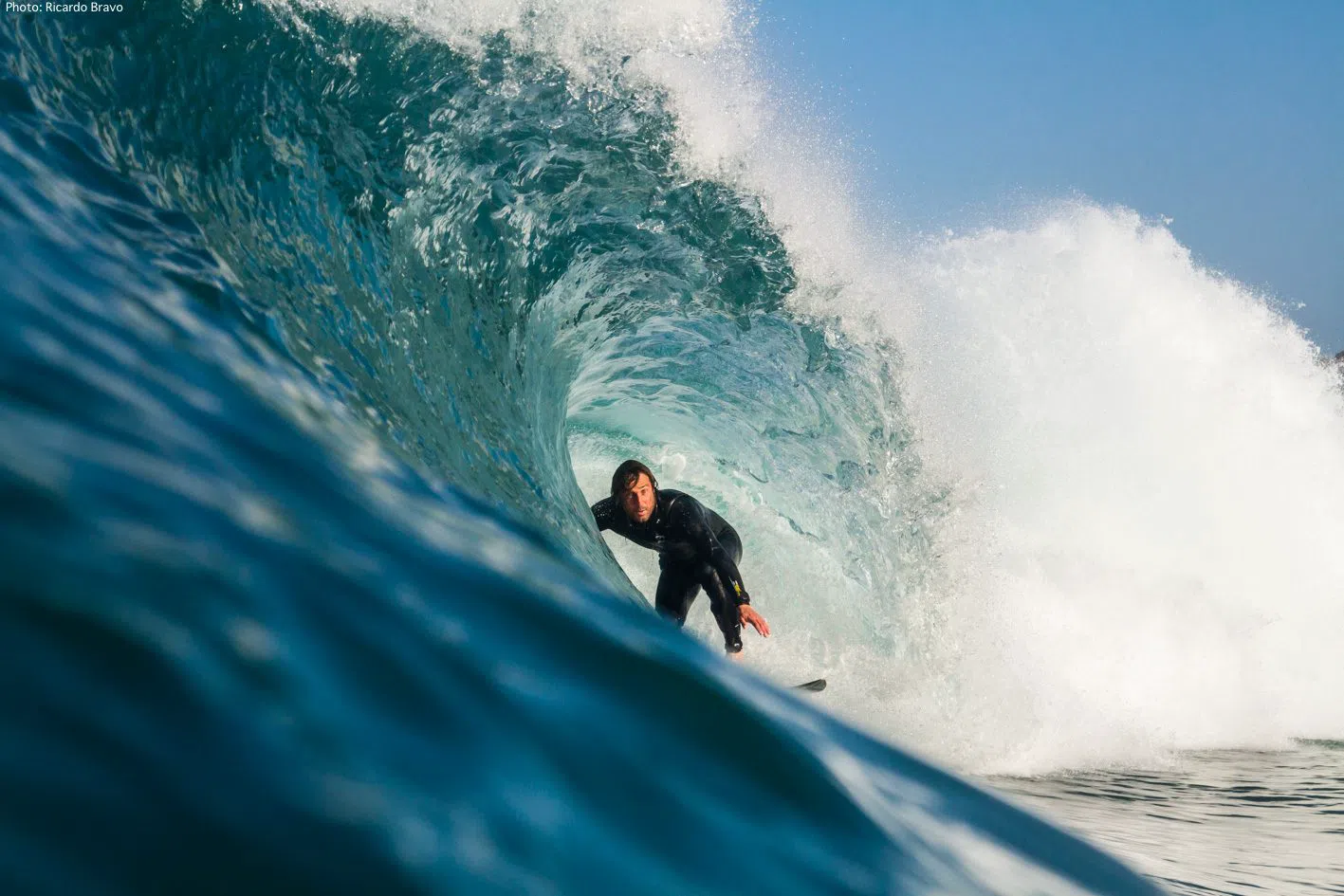
If you have never surfed, Ericeira Surf School is the single best use of a day here. Group beginner lessons start at about €44, the ratio is capped at six people per instructor, and every instructor is certified by the Portuguese Surfing Federation. They run 9am to 7pm daily, but lesson times move with the tide and are confirmed after you book, so do not build the rest of your day around a time you have guessed. Two hours in the whitewater with someone watching you is worth far more than a rented board and optimism, because these beaches are not forgiving of unsupervised beginners.
Where I eat fish in the old town
Mar d'Areia (old town) does grilled sardines and squid at roughly €20 to €25 a head, and it is where I send people who want one meal and no debate. It is family-run and small, which is the whole point and also the problem: book ahead for anything over four, and expect a standing queue at 1pm and again at 8pm in summer. It closes on Mondays, and it is the highest-rated fish kitchen in town across nearly 2,000 reviews. I have eaten there more times than I can count and the squid has never once been rubbery.
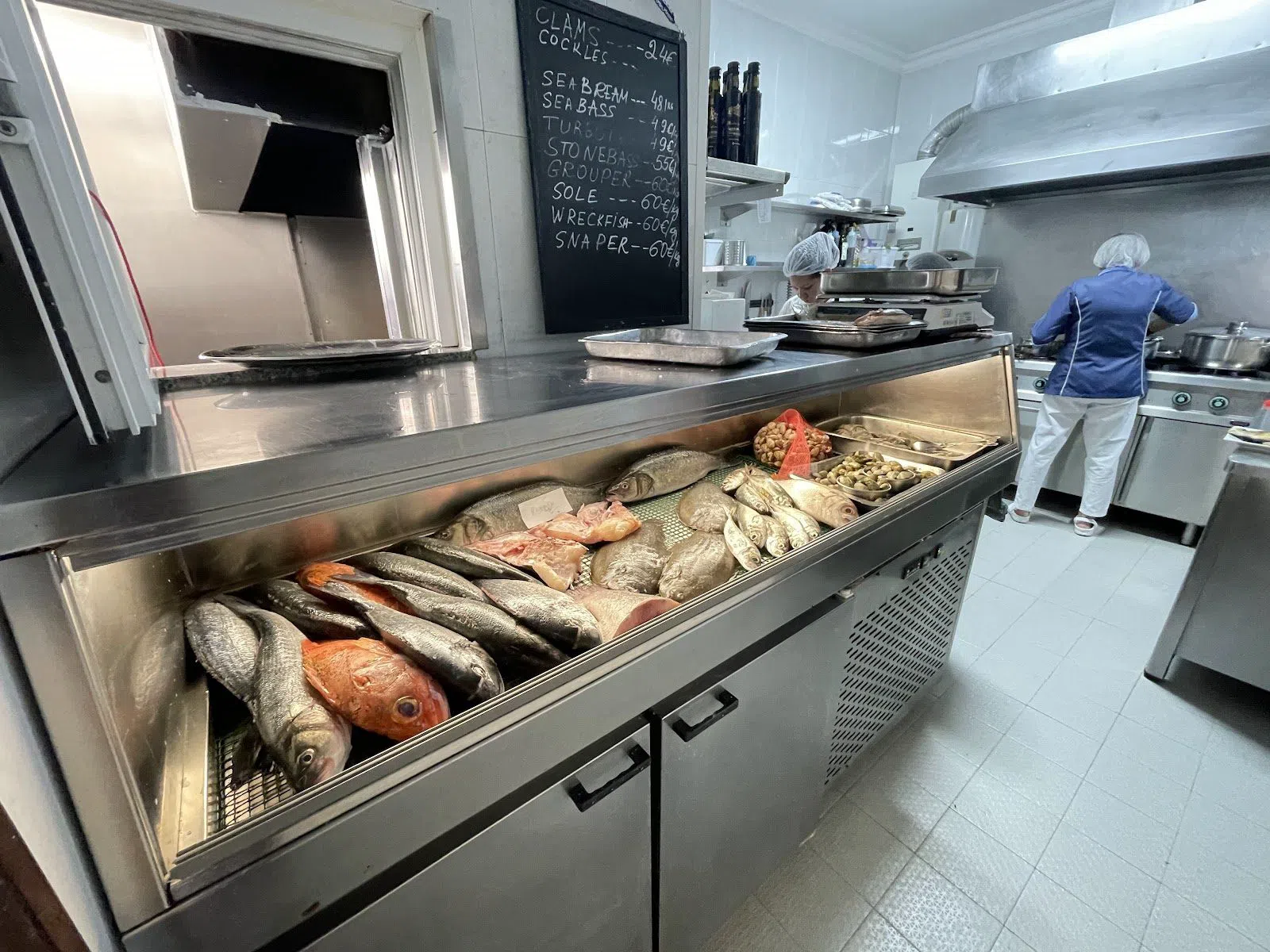
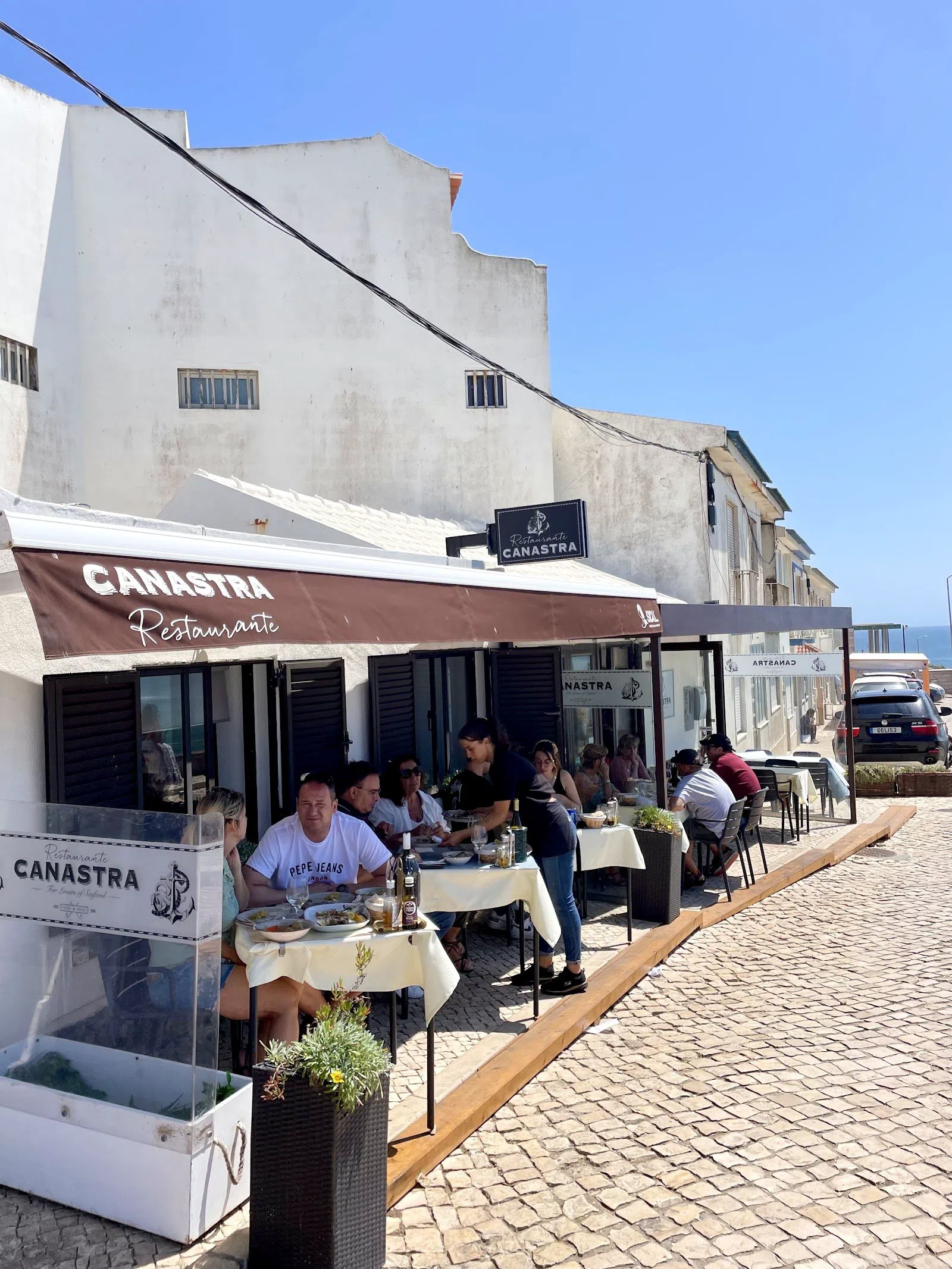
Canastra (clifftop above the beach the boats land on) sells fish by weight, so budget €30 to €45 a head and ask the price before it goes on the fire. You choose from the ice, it goes straight onto charcoal, and you eat it looking down at the water it came out of. Nothing else in town is that direct. Reserve, and when you reserve ask specifically for the front cliff-edge tables: the difference between those and the back of the room is the whole reason to come. Closed Wednesdays and also Tuesday evenings, which catches people out.
Ribas Marisqueira (in town, terrace plus a bookable dining room) is the shellfish blowout rather than a grill: the traditional plateaus run €35 to €50 a head, again by weight. I have eaten there twice, both times for the plateau and the starters, and both times I would order the same again. The pasta dishes are the part of the menu people are least consistent about, so I leave them alone. It takes groups more comfortably than anywhere else in the old town, but reserve for weekends.
Eating with sand under the table
Esplanada Furnas (on the water) grills fish for around €20 to €30 a head, opens daily from roughly noon to 11pm, and has the largest terrace on the seafront. It is not the most refined kitchen in Ericeira and does not pretend to be. It is the only one where you eat grilled fish with sand under the table, you pay for the plate rather than the view, and on a clear lunchtime it is the best-tempered room in town for a group of eight.
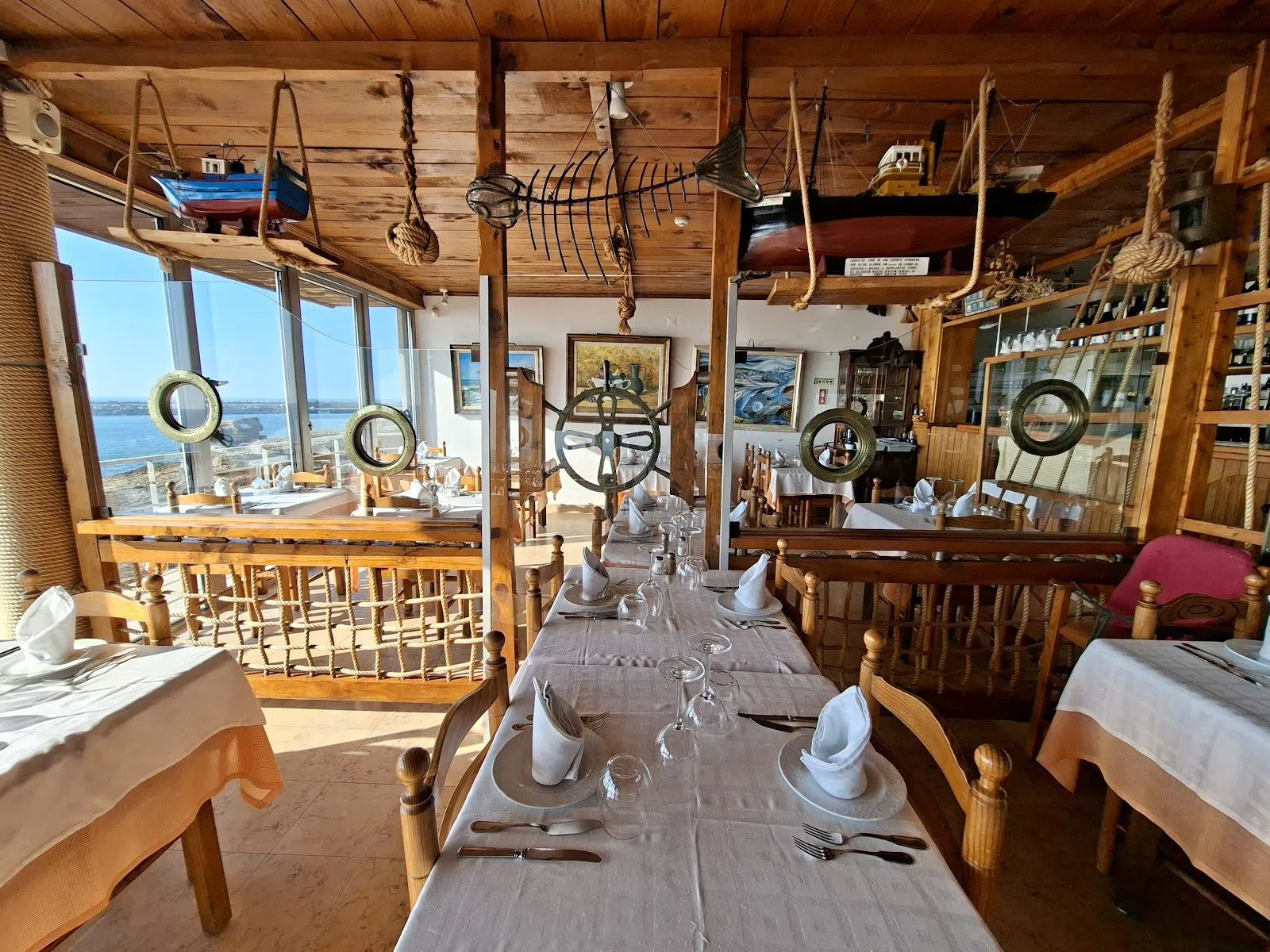
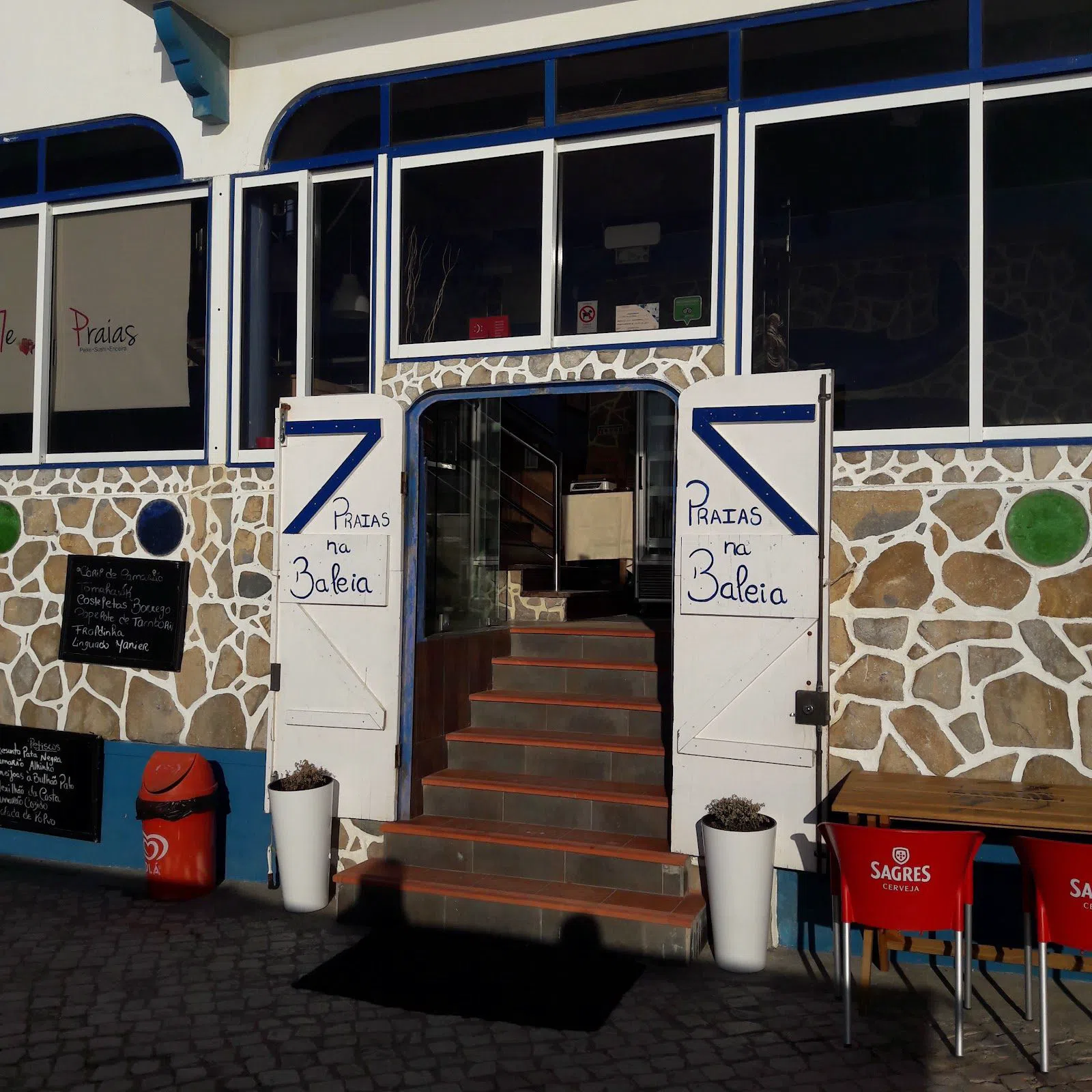
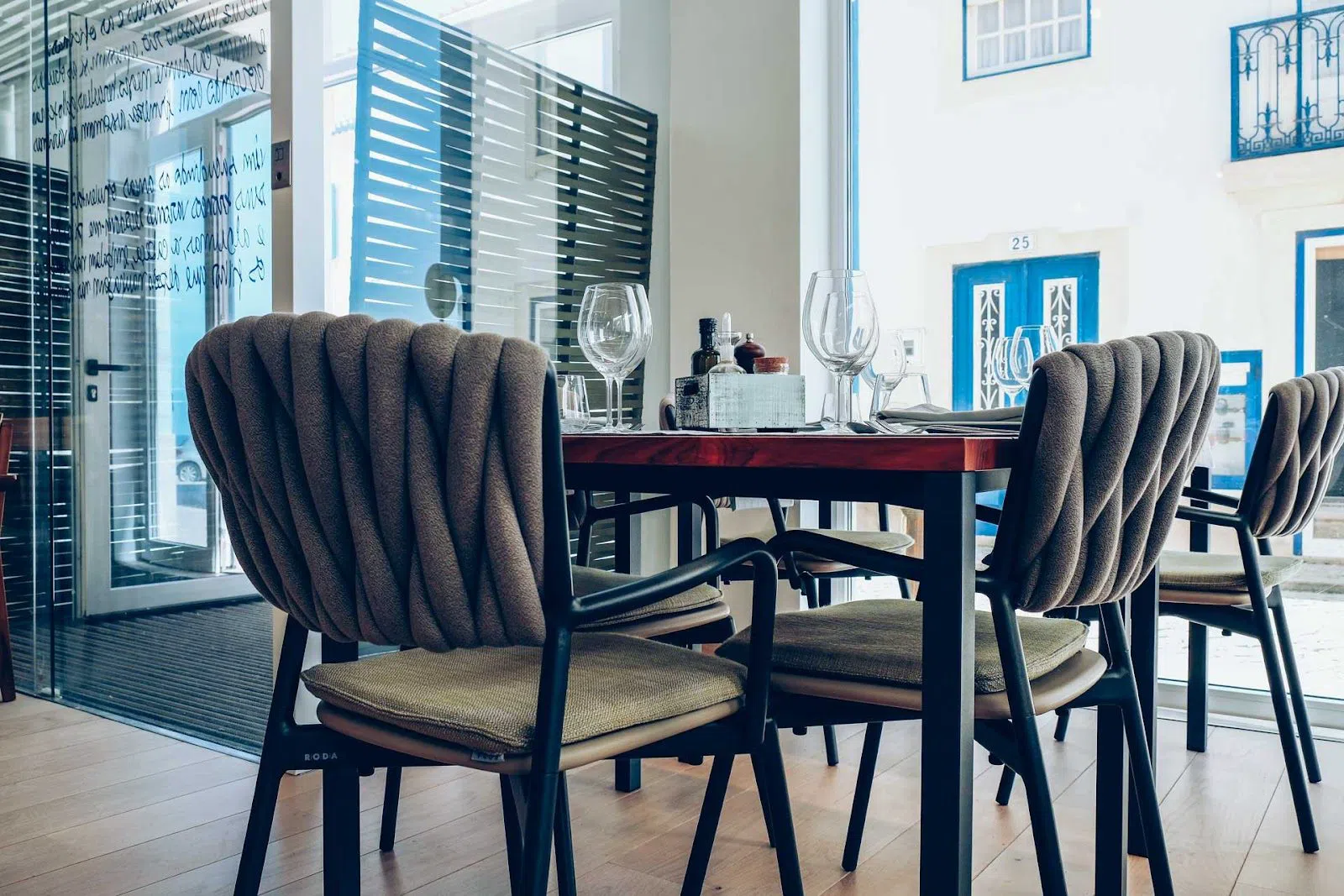
Se7e Praias (seafront) runs about €25 to €35 a head and is the compromise venue: charcoal-grilled fish for half the table, raw for the other half, which is rare in a town this traditional. The room is large, so it handles bigger tables far better than the old-town places, and it has the best sea view of any indoor room here. Book if you want a window. Open noon to 10:30pm, closed Tuesdays. I have eaten there twice, both times in winter with rain on the glass, and both times the fish was properly handled.
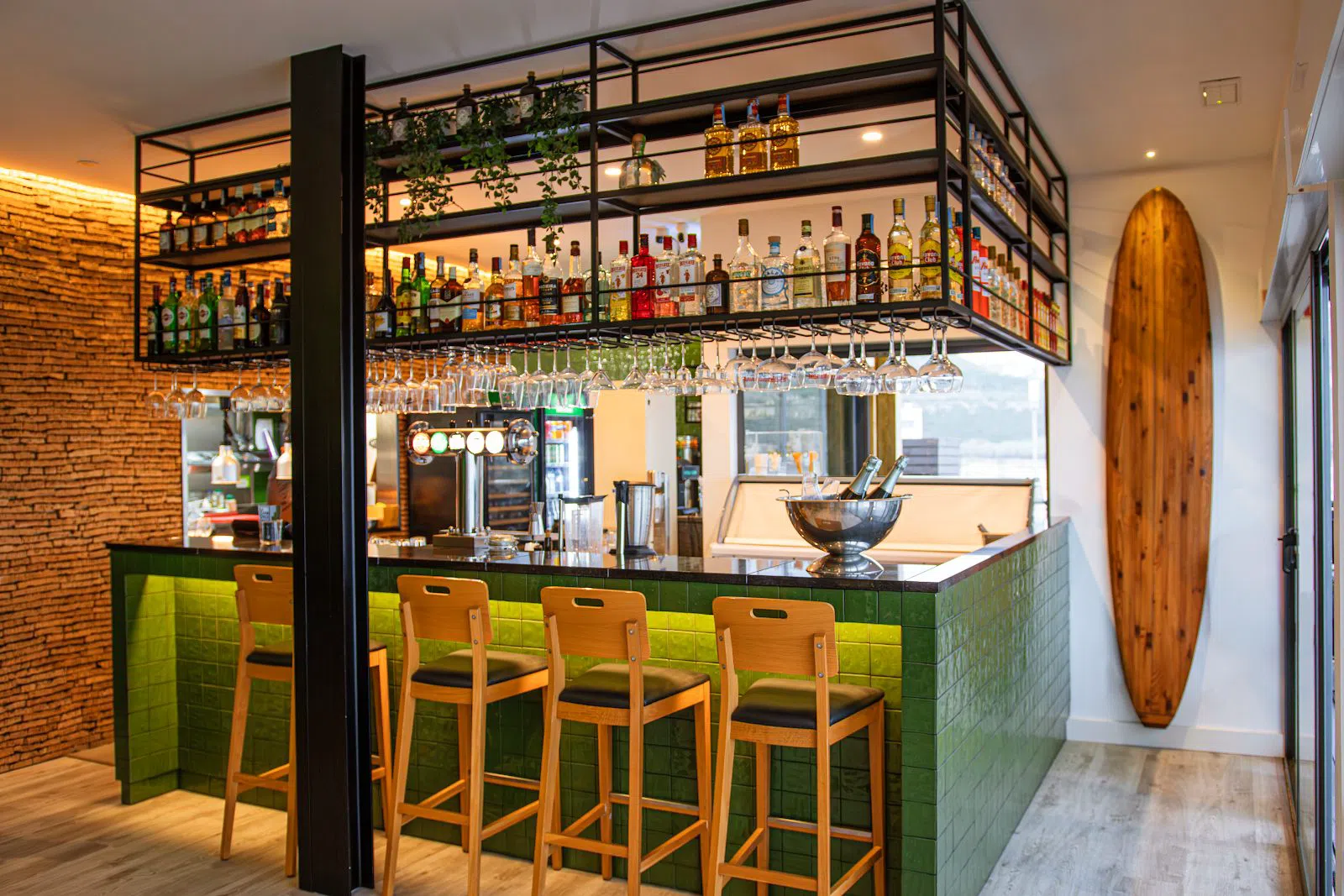
Lizandro Surf Restaurant & Bar (down at Foz do Lizandro) averages around €22 a head and is the natural lunch if you have committed to that beach for the day. The kitchen is under chef Augusto Calé and sits a clear step above normal beach-bar cooking, with real vegetarian options rather than an afterthought salad. Deck and indoor seating, informal, and it stays open well past sunset and outside the official bathing season, which matters if you are here in April or October.
The kitchen aiming at a star
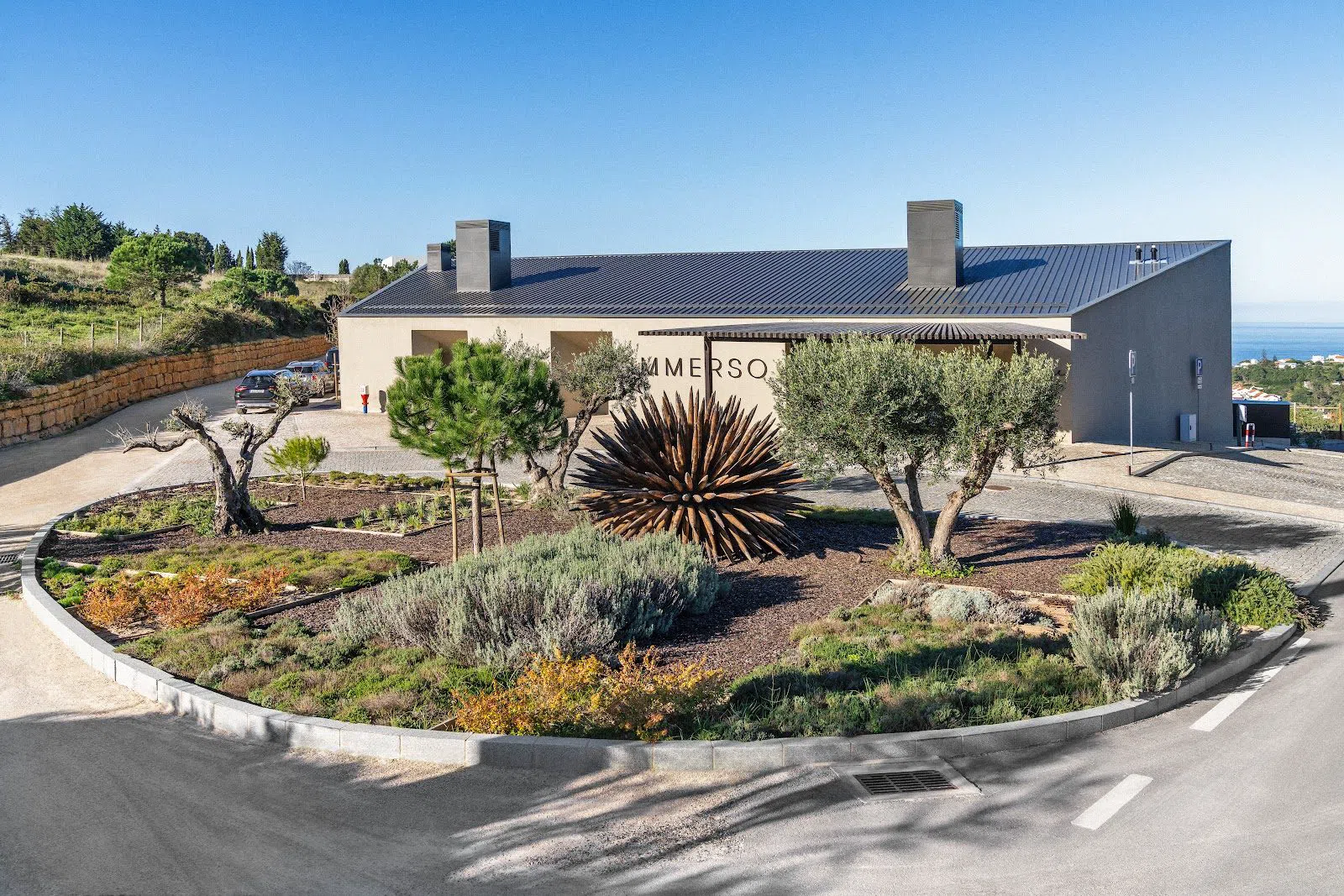
Emme, inside the Immerso Hotel, is the one place in Ericeira working at a starred standard. I have eaten there once, so read this as a report rather than a recommendation. The menu is by Michelin-starred chef Alexandre Silva, close to 80% of it is fish and seafood from this stretch of coast, and the vegetables come from the hotel's own garden. It runs entirely on reservations, on +351 261 104 420, and it is the least walk-in-friendly address in this guide by a distance; private groups need proper advance notice. Fine-dining pricing, so treat it as the evening rather than a stop on the way to something else.
One pastry, and the one you cannot have
Casa da Fernanda (old town) sells the ouriço, Ericeira's own pastry: almond flour, sugar, egg and citrus zest, and nothing that needs explaining beyond that. With a coffee you are under €9 a head. It is counter service with a handful of outdoor tables, so a group can stop and buy but should not expect to sit as one party. This is the version people cross town for, and I buy four every time I am here whether or not I have just eaten.
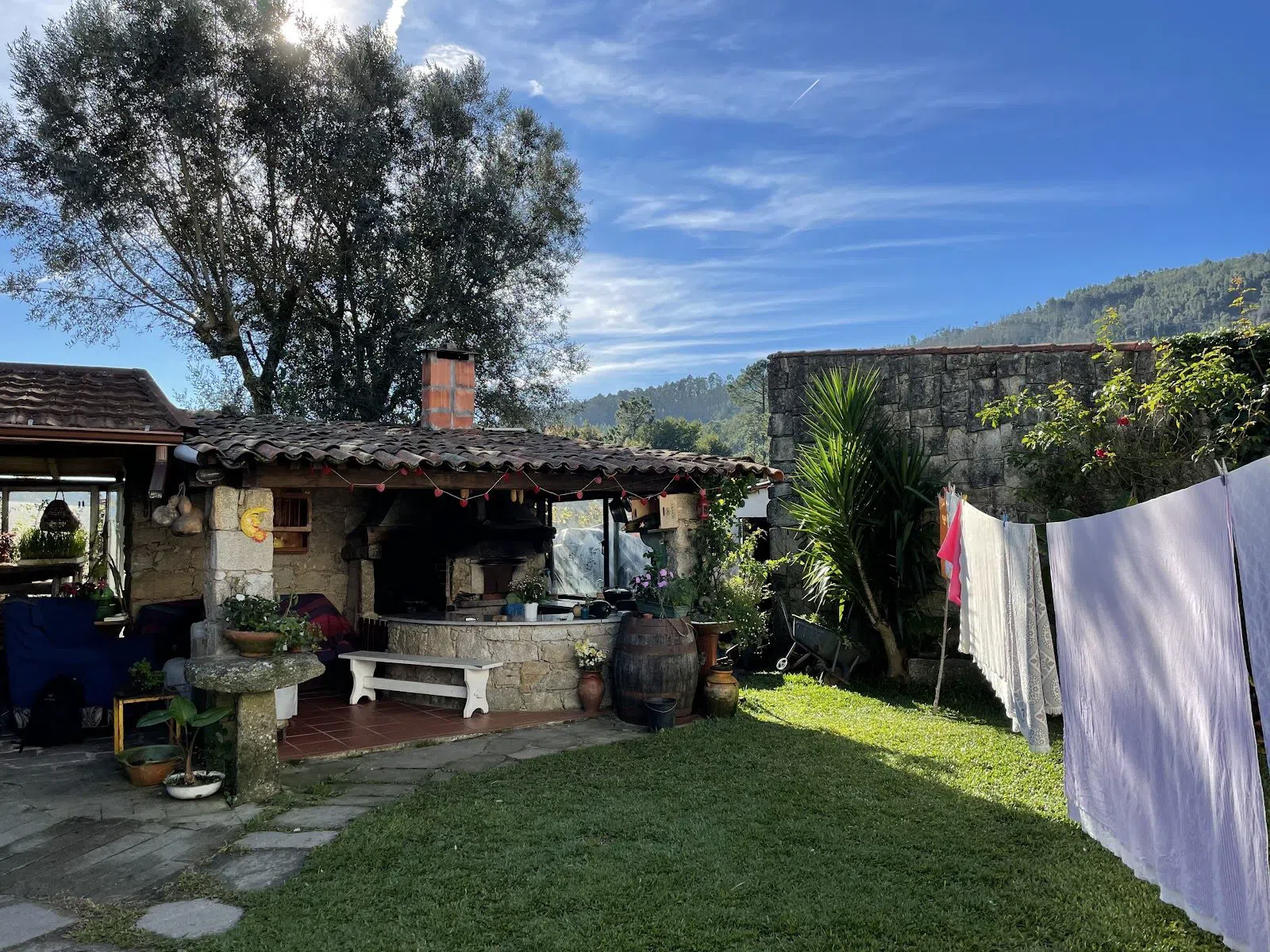
The original maker, Casa das Cavacas, is long gone, and people still turn up looking for it. Do not spend an hour of a short day on a shopfront that is not there.
A palace before the coast
Palácio Nacional de Mafra sits fifteen minutes inland and directly on the bus route from Lisbon, which is what makes it work: you stop on the way in rather than mounting a separate expedition. Entry is €15 for adults, €7.50 for over-65s and anyone aged 13 to 24, free for under-12s, and it is included with the Lisboa Card. It has been a UNESCO World Heritage Site since 2019, and the baroque library is the reason most people make this a full day rather than a beach run.
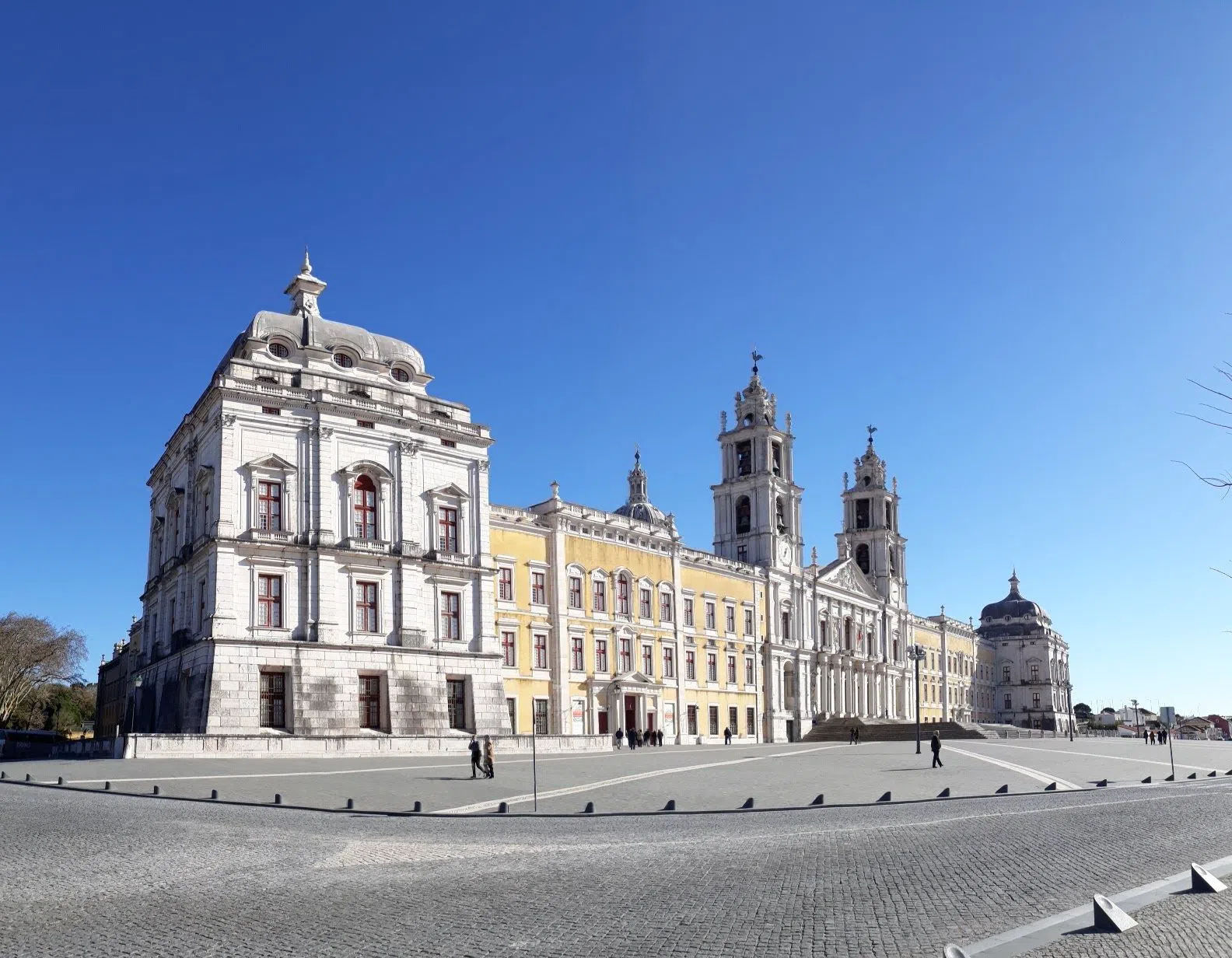
It opens daily except Tuesdays, 9:30 to 17:30, with last entry at 16:30. The site is large enough to absorb groups without much friction, but Wednesday to Friday mornings are noticeably calmer; from 11am at weekends the tour coaches arrive and the pace of the rooms changes.
Who each place actually suits
There are no door policies here in the velvet-rope sense. Nobody is checking what you are wearing, and the only real gates are table counts and closing days. For two people, I would take a cliff-edge table at Canastra or squeeze into Mar d'Areia. For six to twelve, Se7e Praias, Esplanada Furnas and Ribas Marisqueira are the three that will not resent you. With small children, go straight to Foz do Lizandro and eat at Lizandro Surf. With a coach party, stay away from Praia dos Coxos entirely and use Ribeira d'Ilhas or Foz do Lizandro, which have the parking and the facilities to cope.
The closing days ruin more otherwise well-planned days than anything else here. Mar d'Areia is shut Mondays. Canastra is shut Wednesdays and Tuesday evenings. Se7e Praias is shut Tuesdays, and so is the palace. A Thursday or Friday opens all of it.
Practical notes
Transport. Buses run up from Campo Grande in Lisbon and take roughly an hour and ten to an hour and a half depending on traffic and whether you break the trip at the palace; check the timetable the night before, because the frequency thins out badly in the evening and the last bus back is earlier than you want it to be. Driving is 45 to 55 minutes. In July and August, parking in the old town is an ordeal: leave the car at Foz do Lizandro or in the Ribeira d'Ilhas car park, about €5 a day in summer and free off-season, and walk or drive in from there.
Cash and cards. Restaurants take cards without fuss. The market, the pastry counter and the beach car park machines are all happier with cash, so arrive with €30 or so in notes and coins.
Timing. Swim before 11am, market before 2pm, and book dinner before you leave the capital. The wind gets up through the afternoon on this coast, which is why the surf reserve is here and why an unshaded terrace at 5pm is colder than the temperature suggests. Bring a layer even in August.
Budget. A working day comes to roughly €50 to €70 a head: one sit-down fish lunch, a coffee, a pastry, and the bus. Add €15 for the palace, about €44 for a beginner surf lesson, and plan on €30 to €50 a head if you are doing shellfish by weight in the evening rather than a grill.
Where to stay. Almost everyone does this as a day trip and sleeps in the capital, which is the right call unless you want a late dinner above the water. If you are basing yourself there, the Lisbon guide covers how the districts differ and the Lisbon hotel search is where I would book from. Anywhere with quick access to Campo Grande saves you half an hour at the start of the day.
Before you go
How do I get to Ericeira from Lisbon without a car?
Buses go from Campo Grande and take an hour and ten to an hour and a half, and the Palácio Nacional de Mafra sits on the same route if you want to break the journey. Check the timetable the night before, because evening buses thin out and the last one back is earlier than most people expect.
Is Ericeira worth an overnight stay or just a day trip?
A day trip covers it if you leave by nine: market, a swim, lunch and either the palace or a surf lesson. Stay over only if you want an evening at Canastra or Emme, because the last bus makes a proper dinner awkward.
Which Ericeira beach is actually safe for swimming?
Praia dos Pescadores below the old town is the calmest, and Praia do Sul has lifeguards from roughly June to mid-September. Ribeira d'Ilhas is for competent swimmers only, and Praia dos Coxos has no lifeguard cover at all, so walk the cliff and stay out of the water.
Can complete beginners surf in Ericeira?
Yes, with a lesson. Ericeira Surf School runs group beginner sessions from about €44, a maximum of six people per instructor, and they set the times by the tide and confirm them after you book. Do not rent a board and teach yourself here; these beaches punish it.
Which restaurants in Ericeira take larger groups?
Se7e Praias, Esplanada Furnas and Ribas Marisqueira all seat six to twelve people, and all three want a booking at weekends. Mar d'Areia is small, so reserve for anything over four, and Emme takes private groups only with advance notice.