The Lisbon issue
The City in Blue and White: Lisbon's Azulejo Trail Through Five Centuries
A calm, walkable route through Lisbon's tiled facades, monasteries, beer halls and working workshops — five centuries of azulejos, honestly mapped, from the Benfica palace to the studio where you glaze your own.

By Robin AaltinkLisbon on foot, timed to the tram
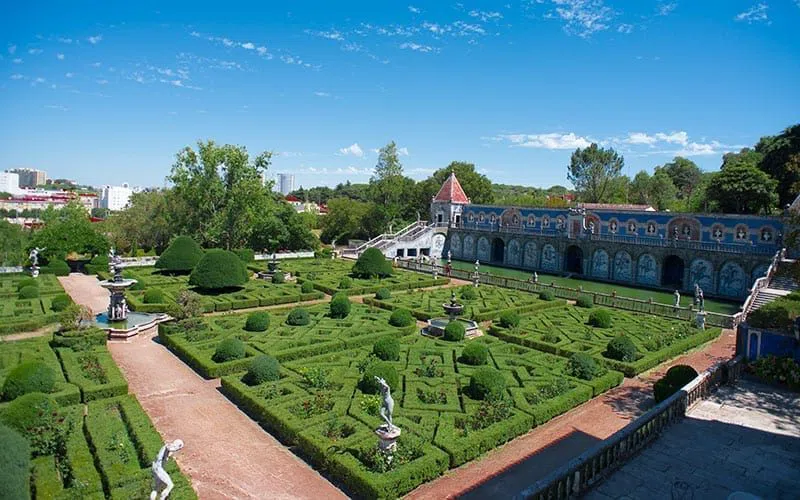
Lisbon keeps its colour on the walls. Where other cities reach for paint, this one presses ceramic — the azulejo, a glazed tile the Portuguese borrowed from the Moors and then spent five hundred years making entirely their own. Follow it and you get a second map of the city: church cloisters, a beer hall's dining room, a shopfront, a viewpoint parapet, all carrying the same blue-and-white handwriting.
This is a walking trail, but an honest one. Lisbon is built on hills, and tiles have a way of sitting at the top of them. What follows groups the stops the way you would actually take them — one out-of-town set piece that deserves its own morning, a hill loop through Alfama, a flat downtown wander, a run of makers and dealers, and a workshop where you stop looking and start glazing. One practical thing to know before you plan: the Museu Nacional do Azulejo, the city's dedicated tile museum, is currently closed, which shifts more weight onto the churches, shops and facades below. They carry it well.
The out-of-town set piece: start with the palace
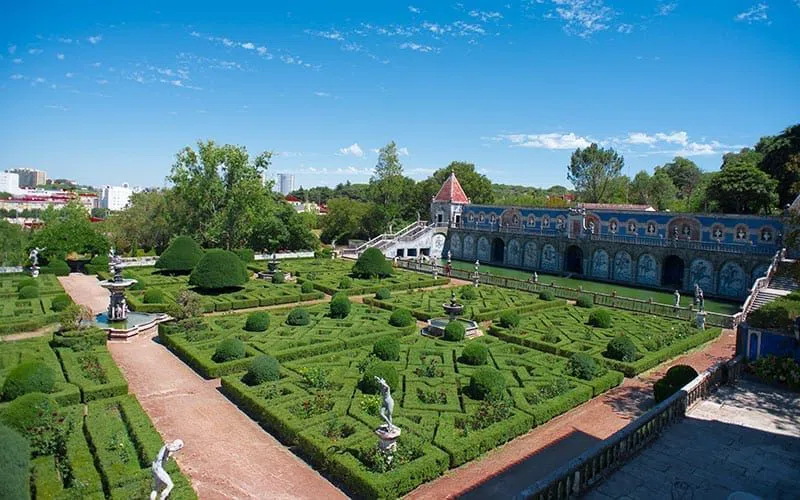
If you see one thing on this trail, make it the Palácio dos Marqueses de Fronteira (São Domingos de Benfica, in the city's northwest). It sits a short walk from the Jardim Zoológico metro, out beyond the tourist centre, and it is worth the trip: the largest collection of 17th-century azulejos still in the place they were made for, wrapping a formal garden, a chapel terrace and a long water tank in tiled hunting scenes, allegories and a wall of cavaliers. People reach for the phrase 'the Sistine Chapel of tilework', and for once the comparison earns itself.
Be realistic about access. The interior of the palace is seen only on a mandatory guided tour, held in the morning in small groups with limited slots — book ahead, because turning up is a gamble. The combined palace-and-gardens ticket is around €17; gardens only, which you can wander at your own pace, run about €8–10. That split matters if you are travelling as a group: the house tour is tight and intimate, but the gardens absorb larger numbers easily, so a mixed party can send a few inside while the rest walk the parterres. Give it a full morning and treat the rest of the trail as a separate day.
Plan your Lisbon trip
Live prices from our booking partners.
Free cancellation on many rooms. We may earn a commission when you book.
Alfama and the eastern hills: a viewpoint and a monastery
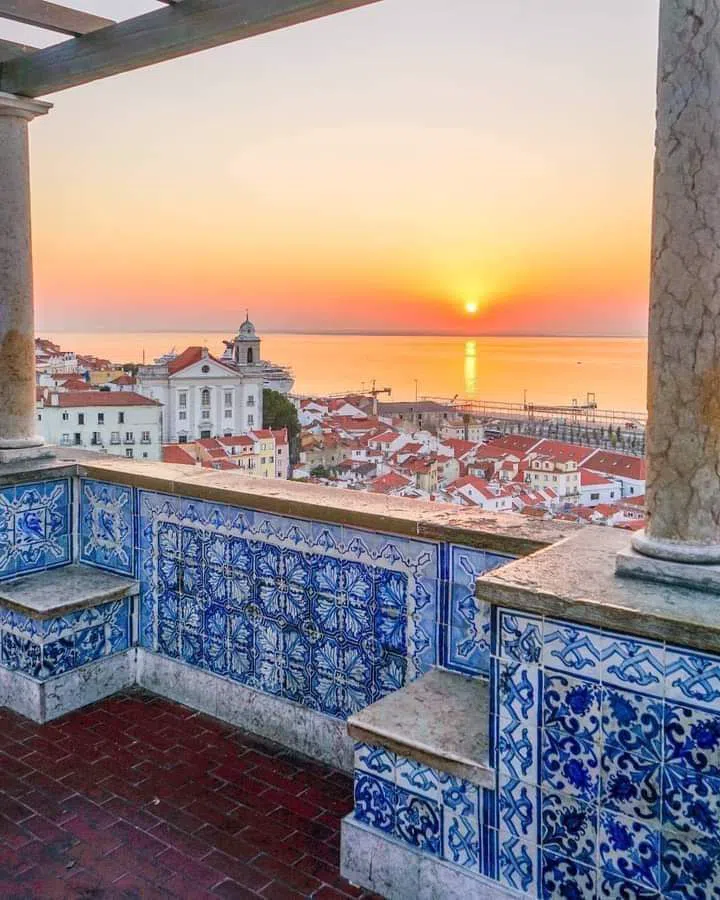
Back in the centre, the tile trail climbs. Start easy at the Miradouro de Santa Luzia (Alfama), the postcard terrace looking out over the old quarter's rooftops to the river. It is free and always open, and the parapet itself is tiled — two large blue-and-white panels of Lisbon before the 1755 earthquake, set into an open-air wall you can read while you catch your breath. It gets crowded at sunset and there is no group limit, which means golden hour is elbows; come mid-morning if you want to actually see the panels.
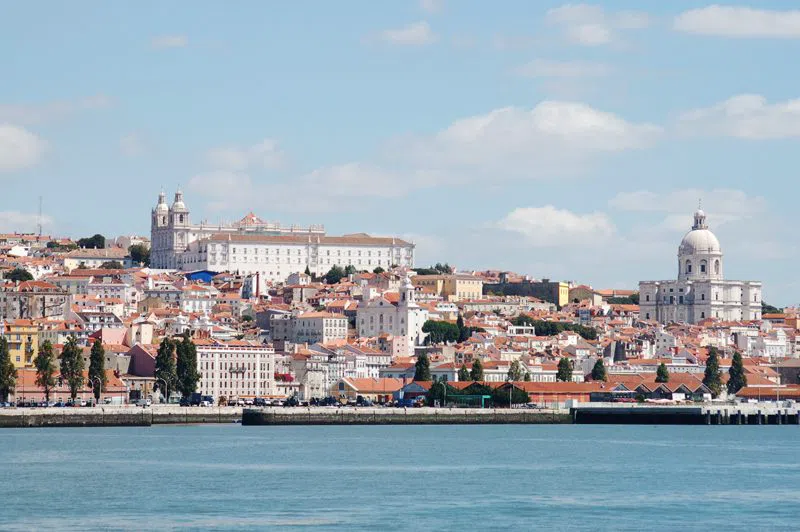
From Santa Luzia it is a ten-minute walk on to the Mosteiro de São Vicente de Fora (Graça), and I will be honest that it is uphill — a steady climb through Alfama's lanes, not a scramble, but wear proper shoes and take it slowly in summer heat. The reward is the most legible tile stop in the city for an international visitor: a cloister lined with 38 panels illustrating La Fontaine's fables, each captioned in Portuguese, English and French. You go at your own speed, it is open daily 10:00–18:00, entry is roughly €5–8, and the space handles groups comfortably. This is the stop where children and reluctant readers finally get what the tiles are for — they tell stories.
Downtown, on the flat: a beer hall, a courtyard, a facade
Drop back down into the lower city and the tiles come indoors. Cervejaria Trindade (Chiado, on Rua Nova da Trindade) is Portugal's oldest beer hall, a barrel-vaulted former convent refectory whose walls are a gallery of 19th-century panels — the four elements, the seasons, a good deal of Masonic symbolism. Here you sit inside the tilework rather than filing past it. It is a big, banquet-style room built for crowds, so it takes groups and bookings without fuss; mains run about €15–25 with house beer, which makes it the natural lunch of the trail. Order simply and look up.
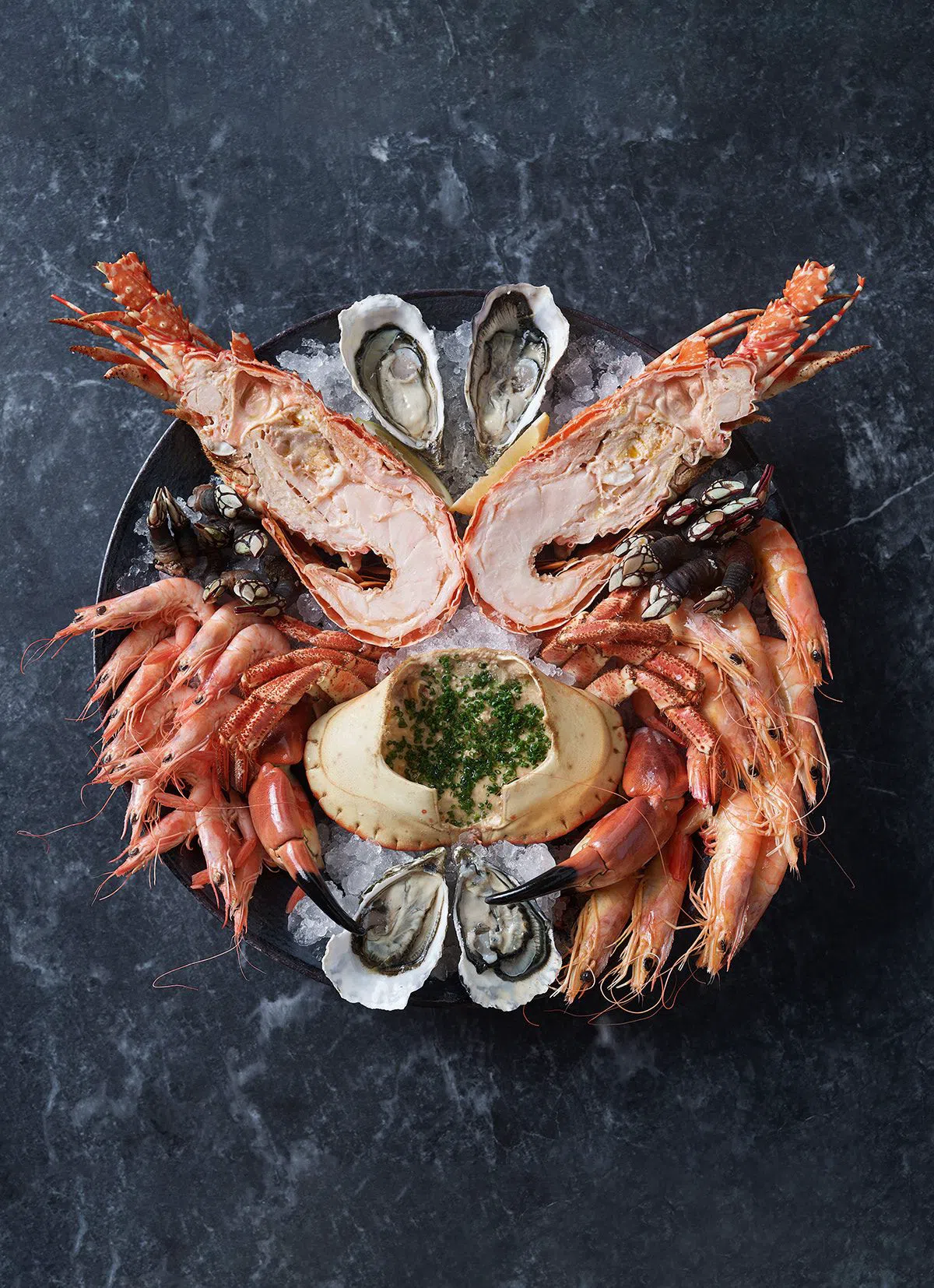
A few minutes north, in the Baixa on Rua das Portas de Santo Antão, is Casa do Alentejo (Baixa) — a plain door on a busy street that opens onto a Moorish-revival courtyard and a tiled staircase most people walk straight past. The ground-floor courtyard is free and open 9:30 to 23:00, groups are welcome, and there is no ticket to simply push the door and look. If you want the tiled dining rooms and salons upstairs there is a guided tour for about €6. For the money — none — it is one of the most surprising interiors in the city.
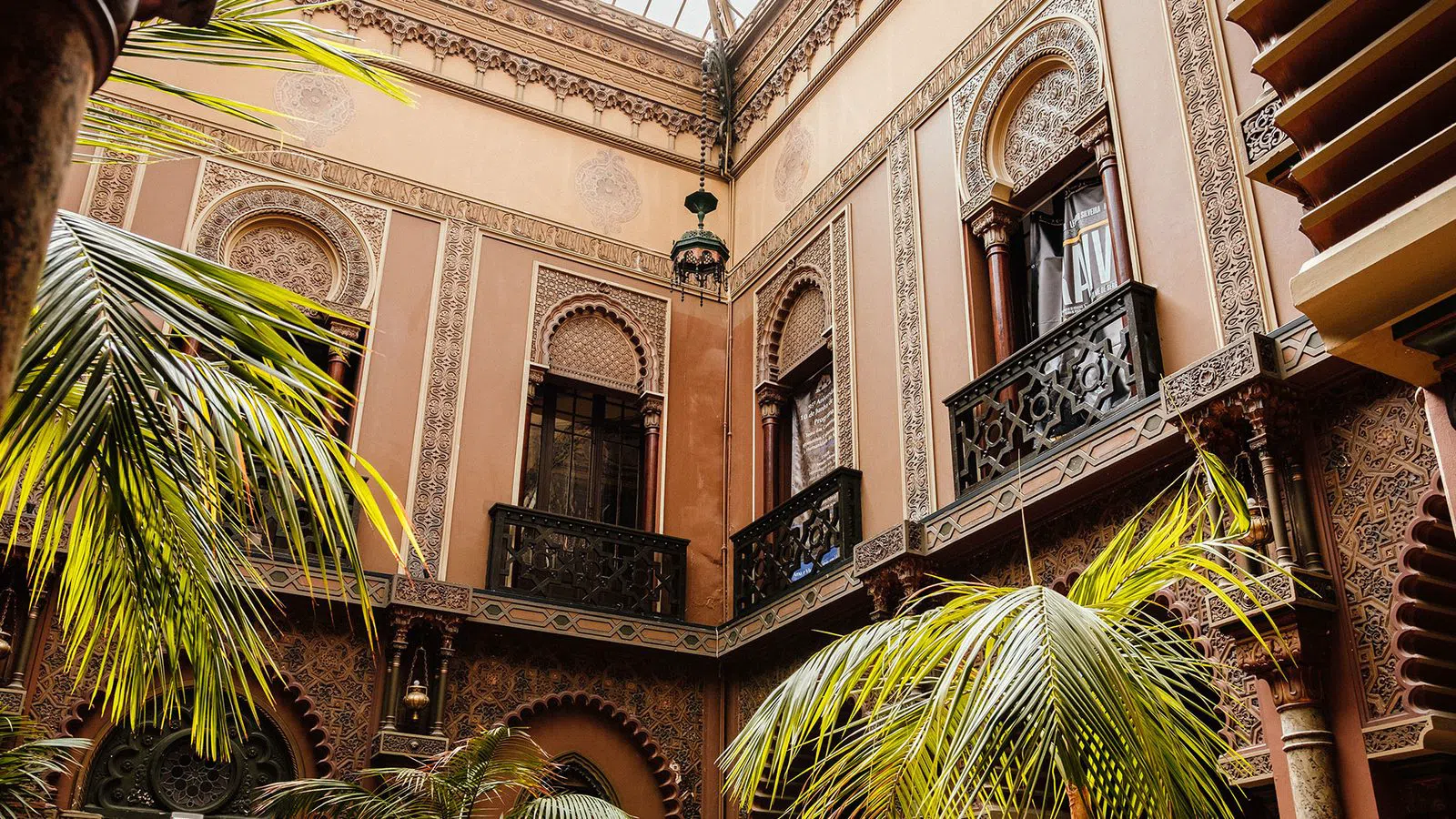
Back in Chiado, near Praça Luís de Camões, pause at the Casa do Ferreira das Tabuletas (Chiado), a four-storey facade from 1864 covered in allegorical figures — the sciences, commerce, the seasons — laid out in tile. It is exterior only, a public street wall, so any group size works and there is nothing to pay; a two-minute stop. The Masonic reading of the figures gives you something to talk about beyond the colour, and it is among the most photographed frontages in Lisbon for good reason.
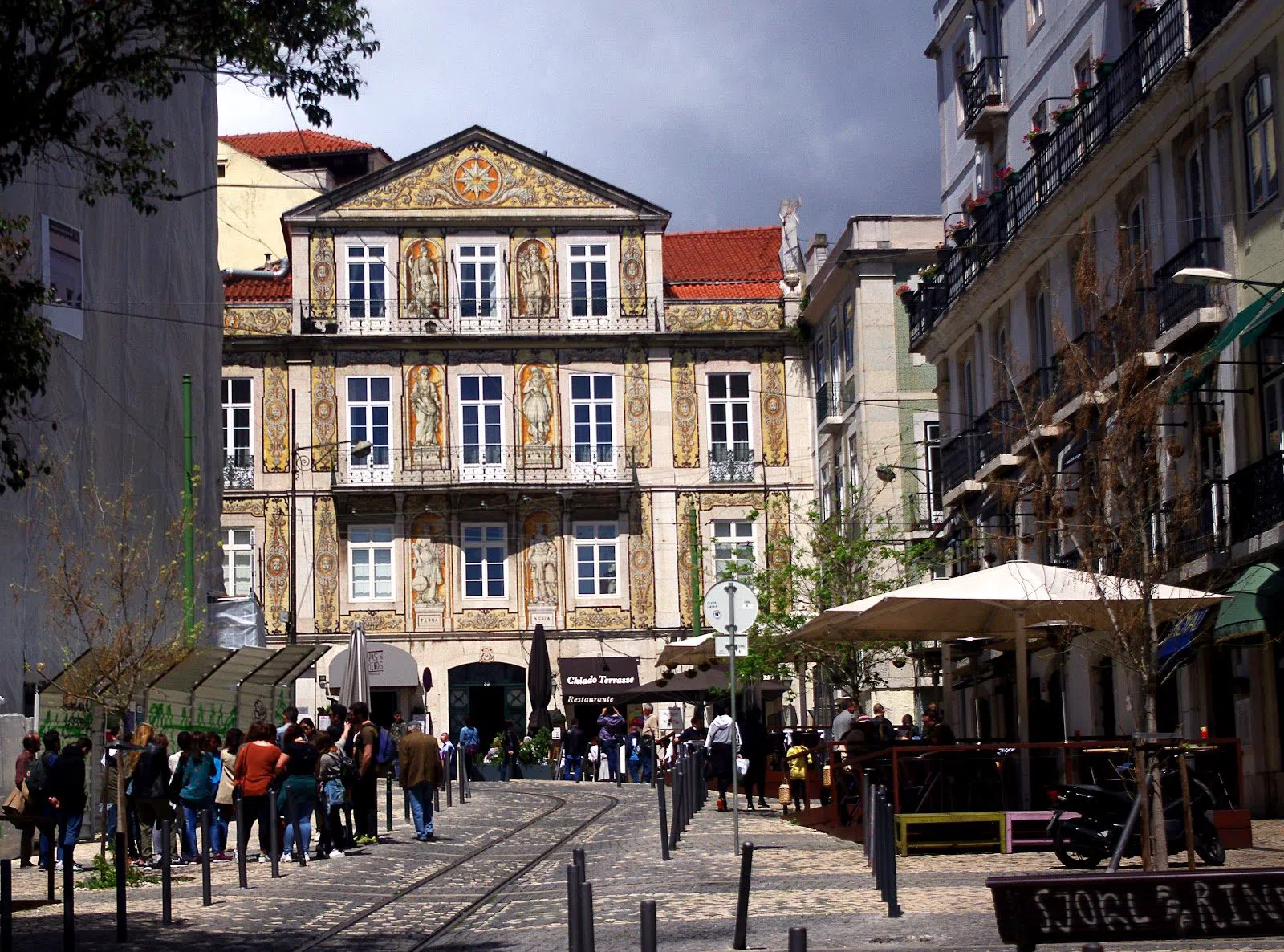
The makers and the dealers: where tiles are still made, sold and rescued
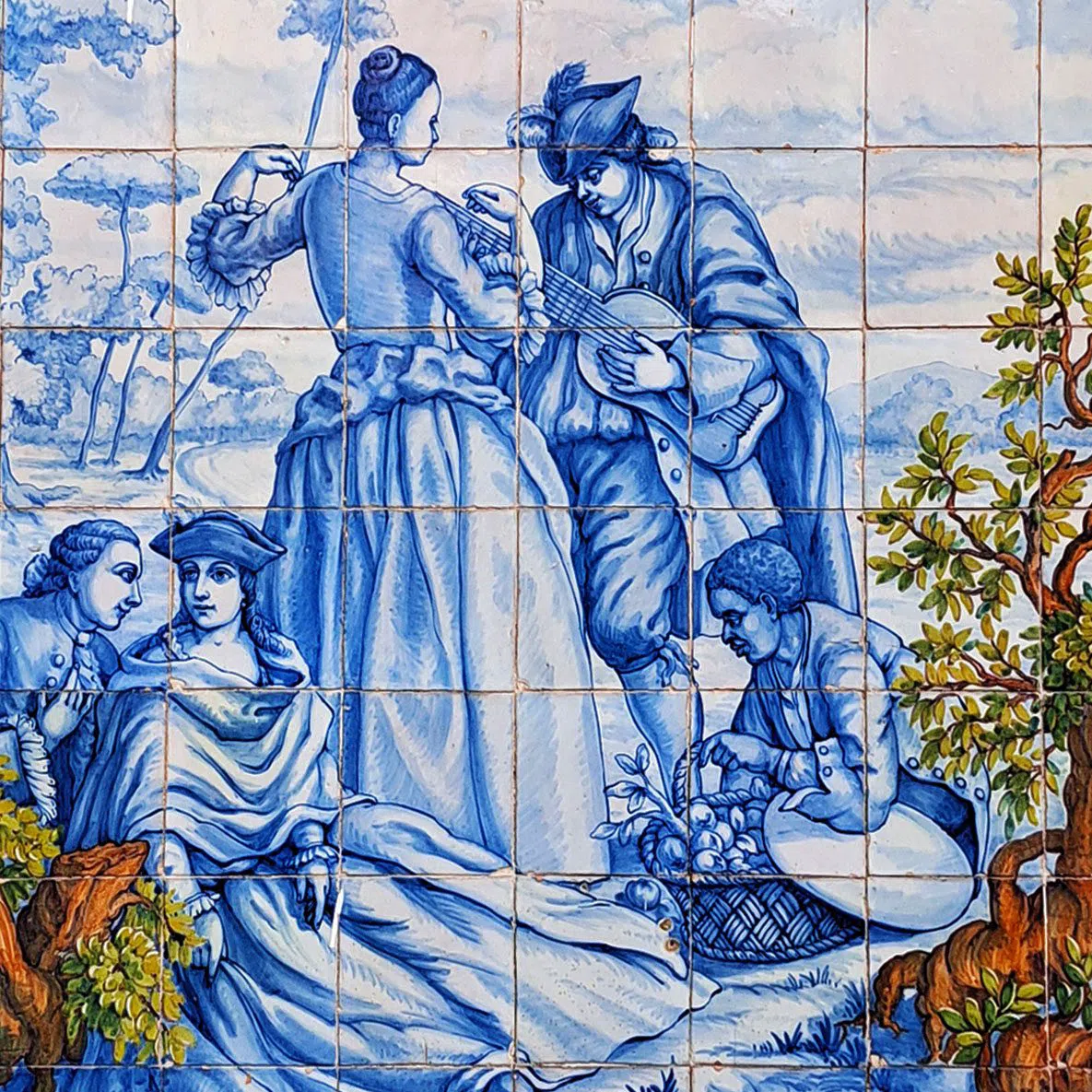
The living trade is what stops the azulejo from being a museum piece, and Lisbon still has the workshops to prove it. Closest to the centre, Fábrica de Sant'Anna (Chiado, with a shop on Rua do Alecrim) has been hand-producing tiles since 1741. The shop is free to browse, open Monday to Friday from about 9:30 to 18:30, with individual tiles from a few euros and full painted panels a good deal more; factory visits, where you can watch the painting and glazing, are by arrangement. This is the place to commission a reproduction and have it shipped home rather than wrestling it into hand luggage. Small groups are fine in the shop.
Northeast of the centre, in the Intendente quarter, Viúva Lamego (Intendente) trades from a shop beneath a facade that is itself a listed monument — the 1849 house tiled floor to cornice. This is the same firm that clad Cervejaria Trindade, so visiting it neatly closes the loop on the day. Browsing is free, the boutique is open Monday to Friday 8:30 to 17:30, and the tiles are designer pieces priced individually; small groups manage, but a large one will feel cramped.
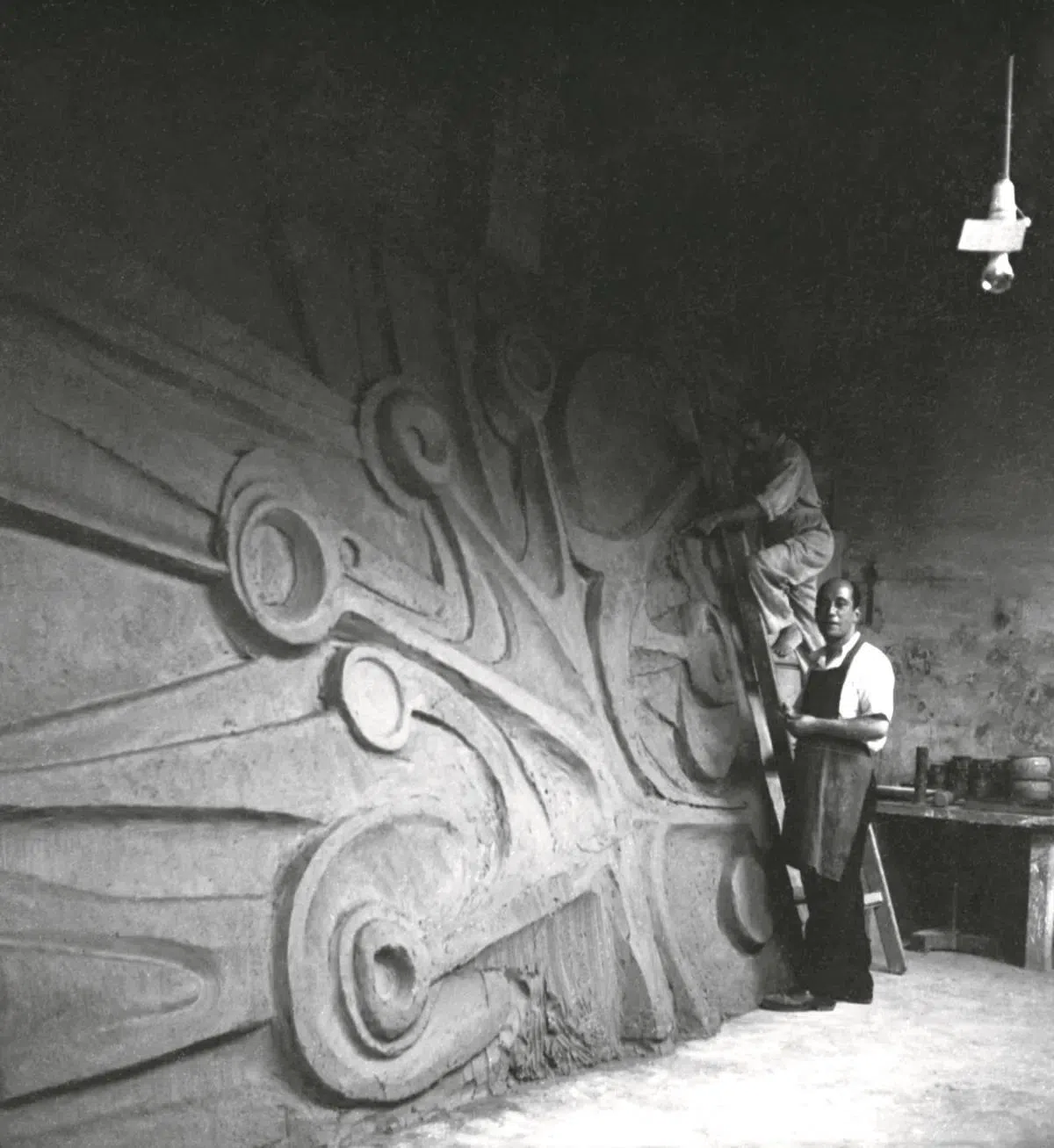
A short walk away, Cortiço & Netos (Intendente) is the modern counterpoint. It is run by the grandsons of a man who spent decades buying up the last stocks of discontinued factory tiles, and the shop sells that rescued inventory — reclaimed, design-led, priced by the piece. The space is genuinely small: couples and pairs only, big groups will not fit, so split up if you have arrived mob-handed.
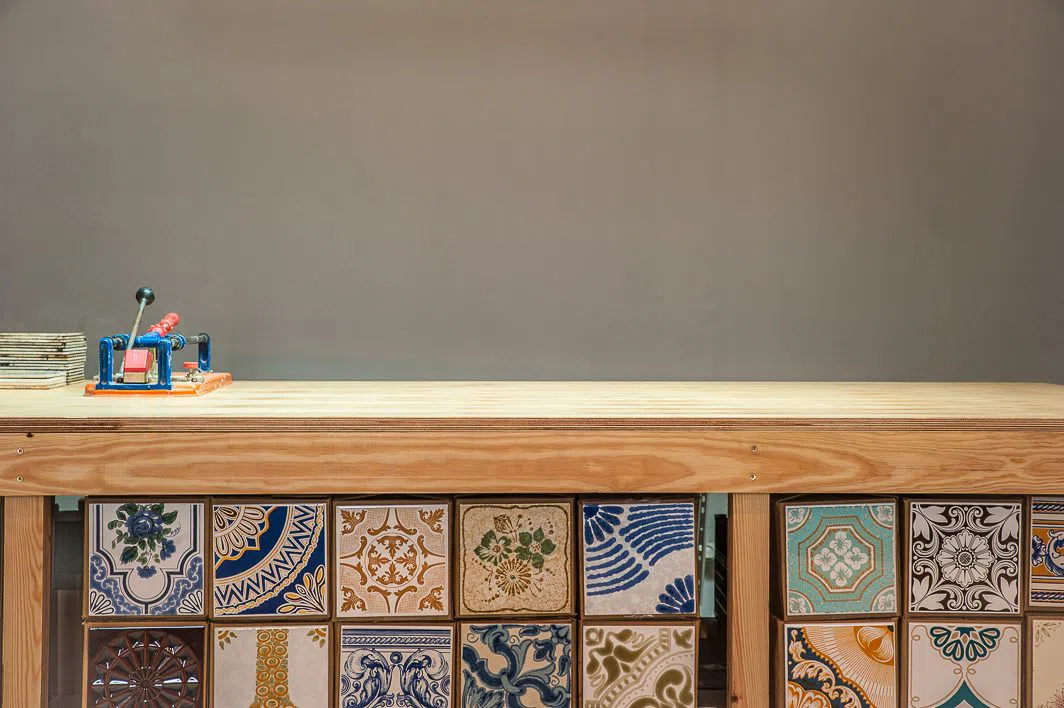
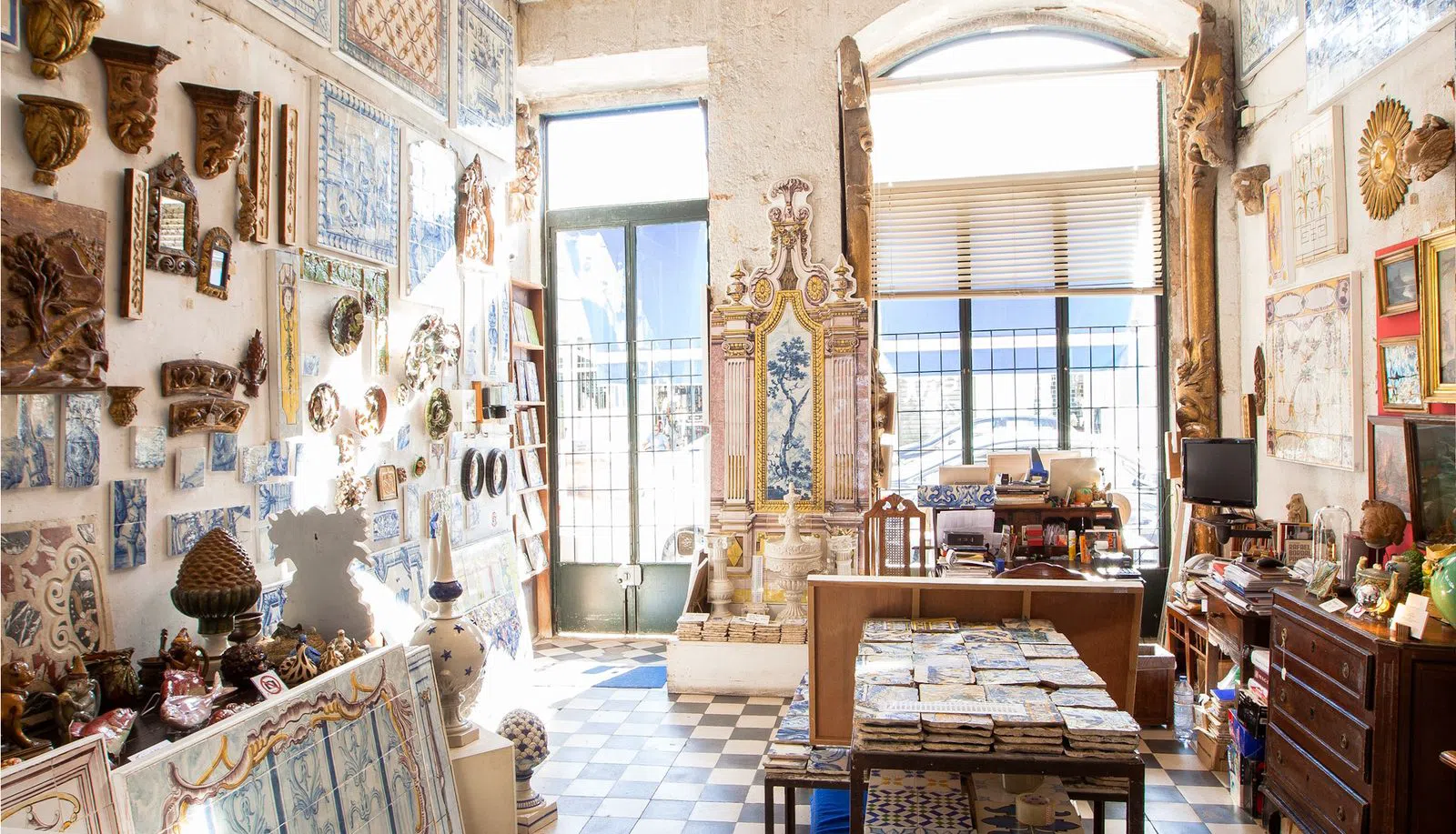
Up the hill in Príncipe Real, on Rua Dom Pedro V, is Solar (Solar Antique Tiles) (Príncipe Real), open since 1957 and billed as the world's largest dealer in antique azulejos. With the tile museum shut, this crowded, collector-grade room is the closest thing the trail has to a museum stop — genuine antique tiles at collector prices, best appreciated by a few people at a time rather than a coach party. Browsing costs nothing; buying does not come cheap.
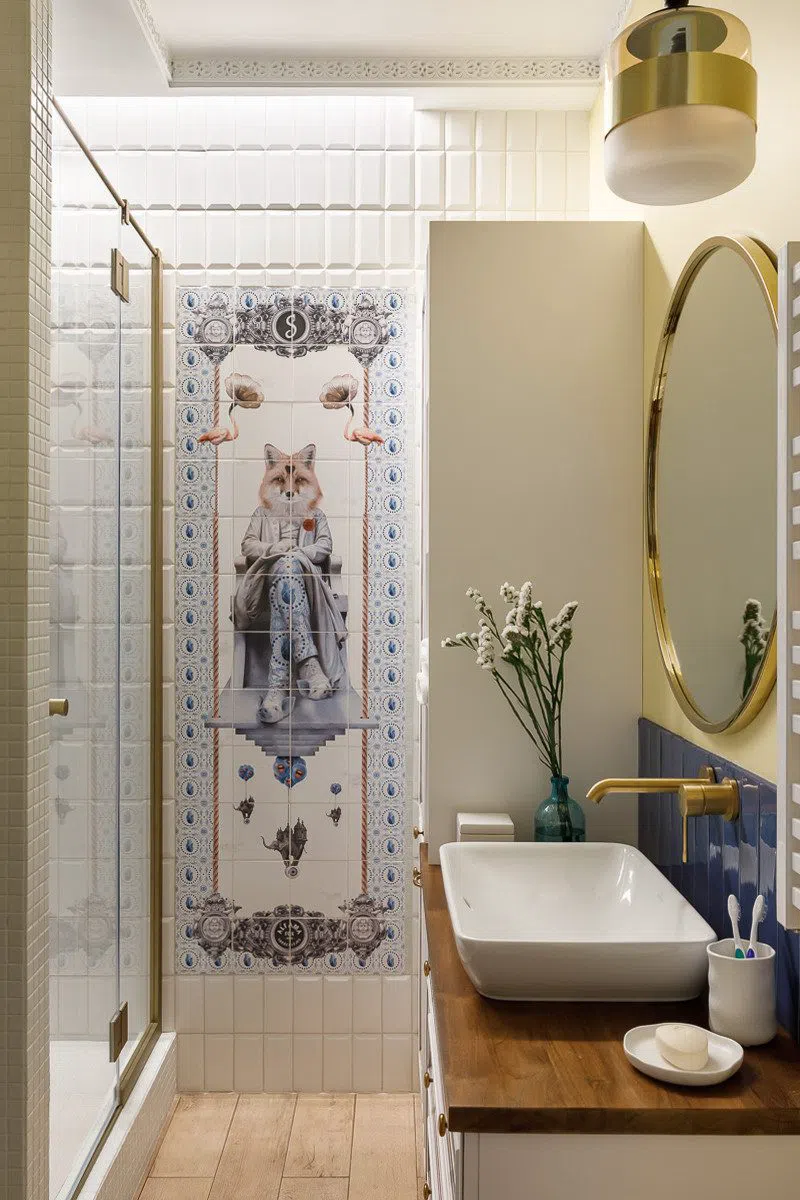
For the other end of the timeline, seek out Surrealejos (central Lisbon), a contemporary studio open Monday to Saturday 11:00–18:00 (closed 13:00–14:00 for lunch, as much of Lisbon still is). Its printed, playful modern tiles start at a few euros and prove the tradition is still moving forward rather than being embalmed. It suits individuals and small groups, and it makes a light, giftable end to a day of centuries-old panels.
Make your own: the workshop
The trail has a natural payoff, which is to stop looking and pick up a brush. Hands On Lisbon — Azulejo Tile-Painting Workshop (central Lisbon) runs expert-led sessions where a ceramicist teaches the actual technique — drawing, glazing, the lot — and your two tiles are fired and ready to collect in a day or two. It is purpose-built for groups, so it is the one stop on this list that positively wants a crowd; book ahead, and expect roughly €40–65 a person. If you are travelling with people who want to make something rather than photograph it, put this at the end of the trip so the collection slot lands before you fly.

A note on the tiles you will see for free
Much of the pleasure here costs nothing. Beyond the named stops, Alfama and Graça are full of everyday tiled facades — ordinary apartment blocks in patterned blue, green and ochre — and once your eye is calibrated by São Vicente and Santa Luzia you will find them on almost every street. Build in slow, aimless time between the ticketed stops; that wandering is where the city in blue and white actually lives.
For where to base yourself between the hills, a Lisbon hotel search will tell you whether Chiado's flat convenience or Alfama's tiled lanes suits you better, and the wider Lisbon guide covers the neighbourhoods this trail threads through.
Practical notes
Transport. The central stops — Chiado, Baixa, Príncipe Real, Alfama, Intendente — are walkable, but not flat: expect real climbs up to Graça and Príncipe Real. Trams 28 and 12 cover the steepest links if your legs give out, and the metro (green and yellow lines) reaches Intendente, while Jardim Zoológico gets you within a short walk of the Palácio Fronteira. A rechargeable Navegante card covers metro, tram and bus.
Cash. Most shops and restaurants take cards, but a few of the smaller dealers and the palace prefer, or move faster with, some euros in hand; carry €30–40 in coins and small notes for entries, tours and the odd single tile.
Timing. Two days is comfortable: a morning for the palace, a day for the central loop and workshop. Many shops close Saturday afternoon and all day Sunday, and the Fronteira interior tours are morning-only — so put the palace and the boutiques on weekday mornings and keep Sunday for the free, always-open stops (Santa Luzia, the Ferreira das Tabuletas facade, Alfama's streets).
Budget. You could walk most of this trail for the price of a lunch: the viewpoint, the street facade and the Casa do Alentejo courtyard are free, and the churches are single-digit euros. Reckon on €40–60 a person for a full day if you add the palace ticket, a Trindade lunch and a small tile to take home — more if you commission a panel or book the painting workshop.
Before you go
Is the National Tile Museum open in Lisbon in 2026?
No — the Museu Nacional do Azulejo is currently closed, which is why this trail leans on churches, facades and working workshops instead. Solar Antique Tiles in Príncipe Real, open since 1957 and billed as the world's largest antique-azulejo dealer, is the closest thing to a museum-grade stop while it is shut.
Do I need to book the Palácio dos Marqueses de Fronteira in advance?
For the interior, yes. The house is seen only on a mandatory morning guided tour in small groups with limited slots, so book ahead rather than turning up. The gardens are more flexible and absorb larger numbers; expect around €17 for palace and gardens, or €8–10 for gardens only.
Can I do the whole Lisbon azulejo trail in one day?
It fits better in two. Give the Palácio Fronteira its own morning since it sits out in Benfica, and keep the central loop — Alfama's viewpoint and monastery, the downtown beer hall and courtyards, and the maker's shops — for a second, mostly walkable day with a few hill climbs.
Which stops suit a big group, and which are best for a couple?
Cervejaria Trindade, the Casa do Alentejo courtyard, São Vicente de Fora and the Hands On Lisbon workshop all take groups happily. Cortiço & Netos, Solar and the Surrealejos studio are small — best for couples or a few people at a time. The Fronteira interior tour is small-group only, though its gardens handle larger parties.
Can I buy real azulejos in Lisbon to take home?
Yes. Fábrica de Sant'Anna (making tiles by hand since 1741) can produce and ship reproductions; Viúva Lamego sells designer tiles by the piece; Cortiço & Netos sells rescued reclaimed factory tiles; Solar deals in collector-priced antiques; and Surrealejos offers affordable contemporary prints from a few euros. For anything large, arrange shipping rather than packing it.