The Lisbon issue
The Tasca Table: Lisbon's Tiny Taverns That Still Feed the City
The tascas still cooking for Lisbon first — which to book, which to queue for, and which can actually seat your whole table.

By Robin AaltinkLisbon on foot, timed to the tram
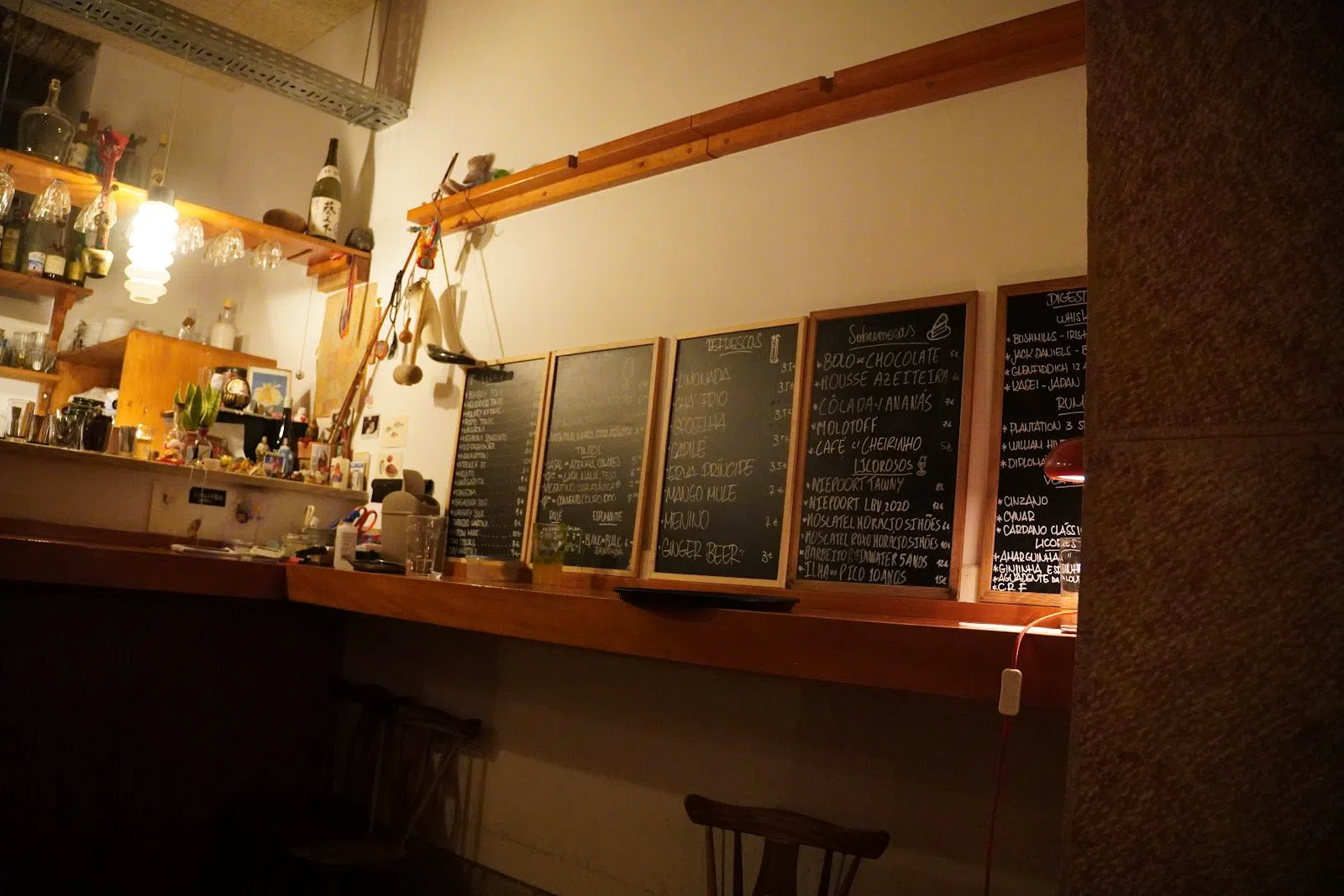
By eight o'clock most evenings, the small rooms tucked behind Lisbon's grander avenues are already full: a counter two deep, a chalkboard of the day's cooking, a bottle of vinho verde opened without ceremony. The tasca is the city's working dining room — inexpensive, loud, and built around whatever came in fresh that morning. What follows is a walkable route through the tascas that still cook for Lisboetas first, with honest notes on which take a booking, which suit two, and which can genuinely seat a table of six.
What you're walking into
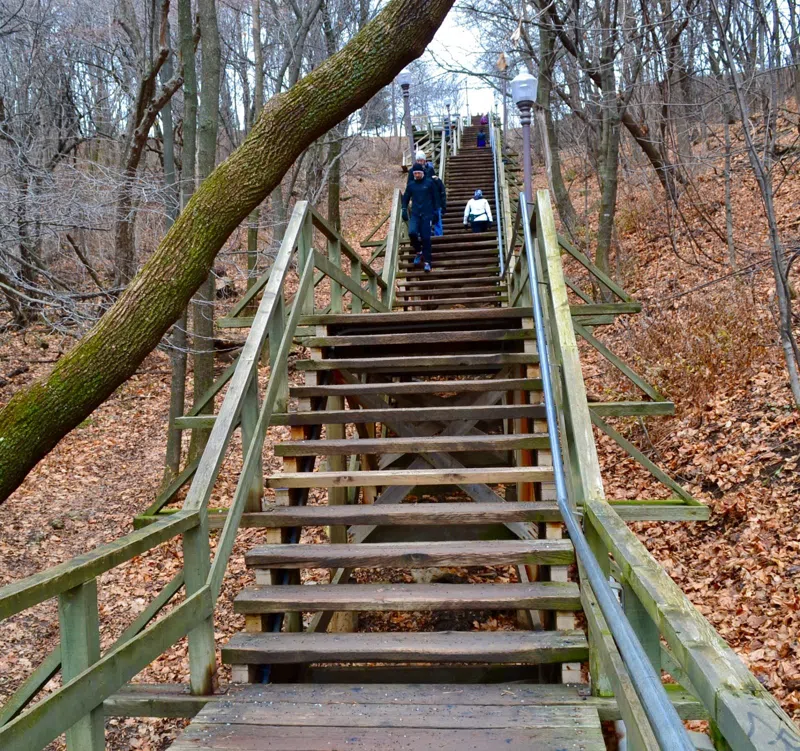
A tasca is a neighbourhood tavern, not a restaurant in the polished sense. You order petiscos — small sharing plates — or a single daily main chalked on a board, drink the house wine by the jug, and pay a bill that rarely troubles you. Two things shape any tasca evening in Lisbon. The first is the hills: almost every room worth walking to sits above the flat grid of Baixa, so wear shoes that grip and give yourself more time than the map suggests. The second is cash: several of these places take no cards at all, and a few take debit only. Draw euros before you climb. For the wider picture of the city — where to base yourself, how the neighbourhoods connect — the Lisbon guide covers the ground this piece doesn't.
Plan your Lisbon trip
Live prices from our booking partners.
Free cancellation on many rooms. We may earn a commission when you book.
The neo-tascas: small rooms, serious cooking
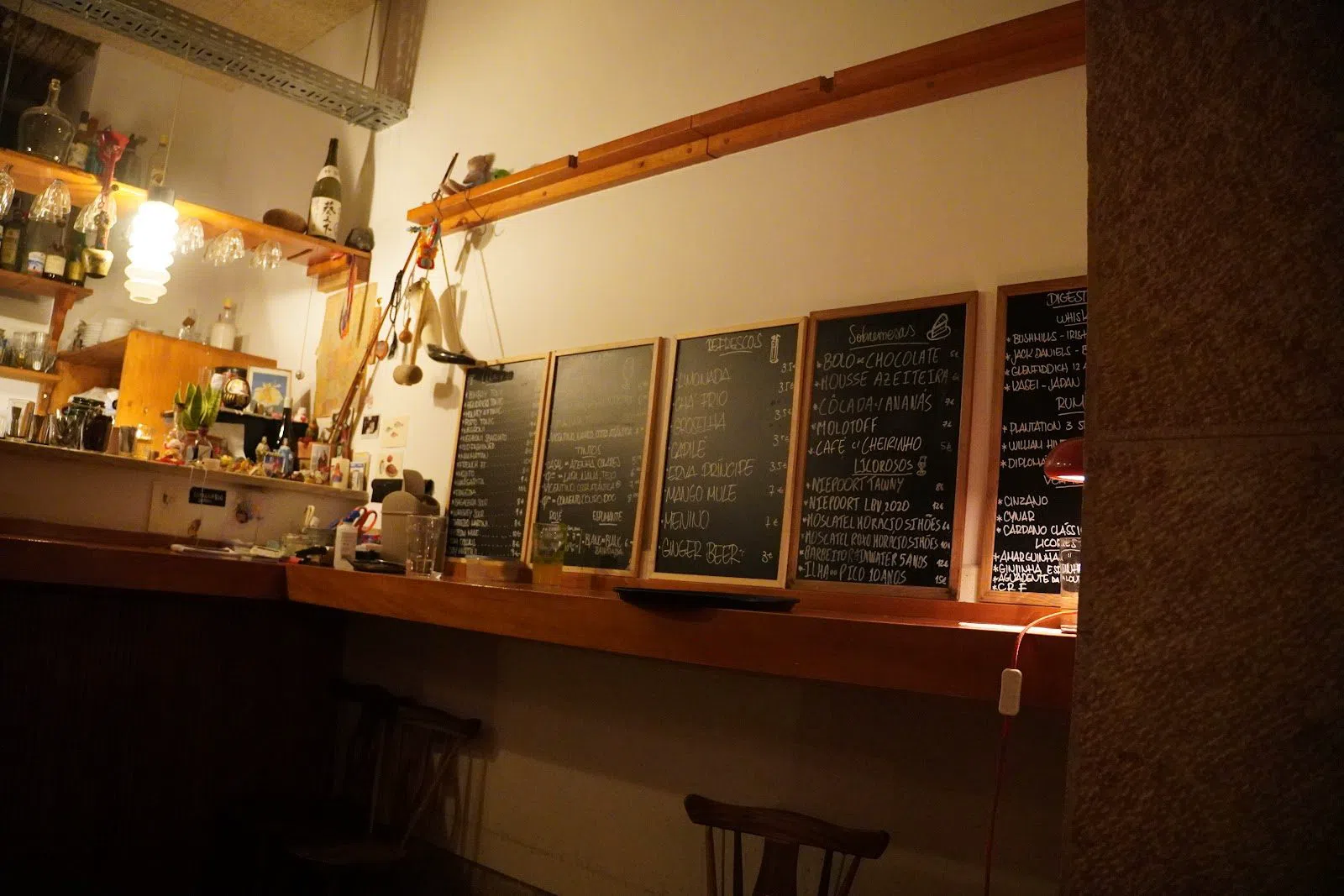
A cluster of younger kitchens have taken the tasca form and sharpened it — same modest rooms and shared plates, more ambition on the plate. Start in Chiado at Taberna da Rua das Flores (Chiado), the room that began the whole 'neo-tasca' idea under André Magalhães. The menu is market-driven and changes daily, threaded with Portuguese-colonial flavours. There are only about six tables, no reservations, and cash only — so expect a 30- to 45-minute wait if you arrive after seven. Come at opening, and come as a couple or a pair; this is not a room for groups. Reckon on €6–14 a plate and €25–30 a head.
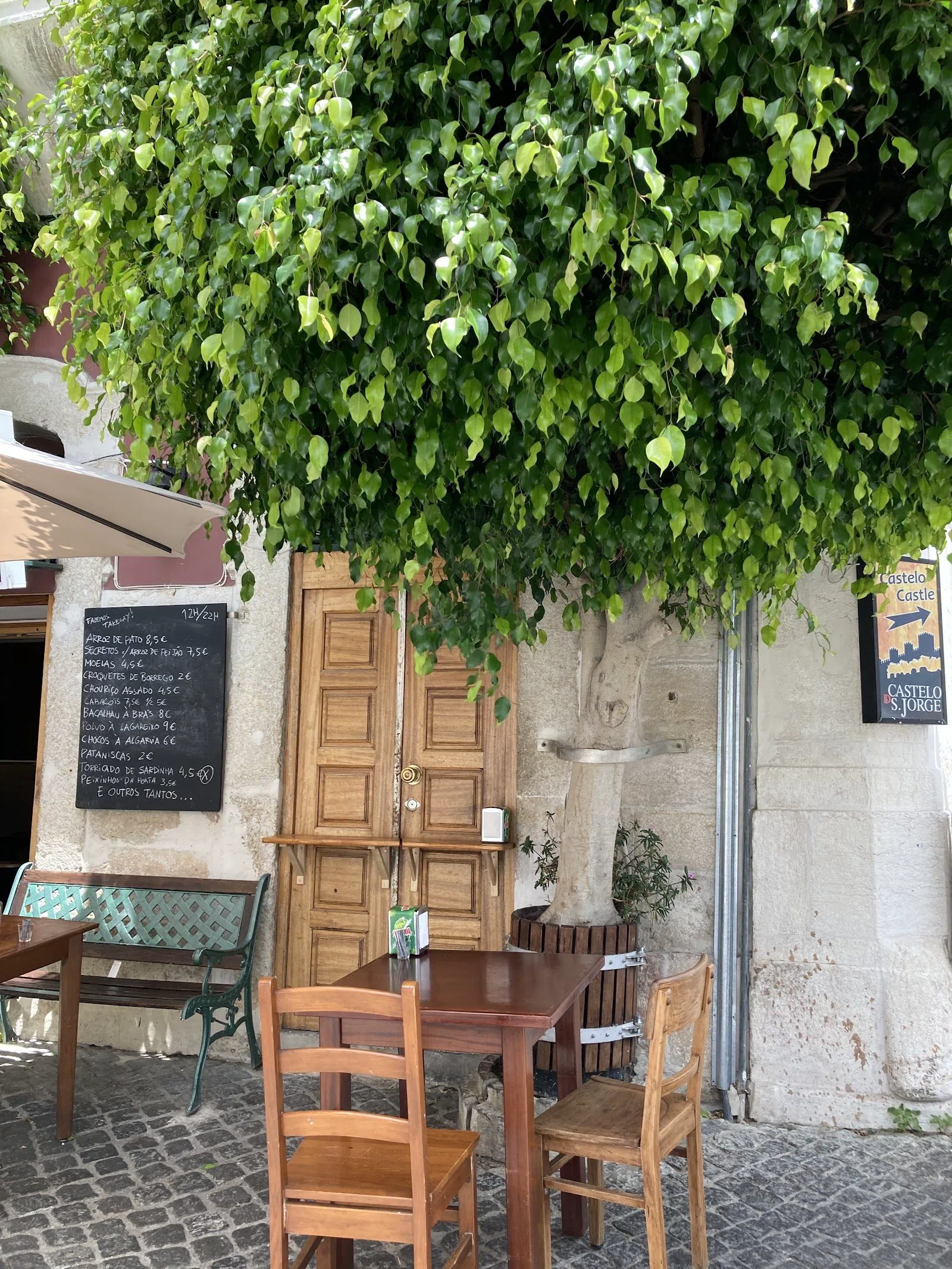
A short, mostly flat walk east brings you toward the cathedral and O Velho Eurico (near the Sé), chef Zé Paulo Rocha's take on elevated comfort cooking. It takes reservations, but they sell out weeks ahead; the realistic move is to show up at the 7:30pm opening for the walk-in waitlist. The room is small and best for two to four — the duck rice and the tuna pica-pau are what people come back for. Mains run €12–18, around €25–35 a head. It is one of the harder tables to land in the city, so plan around it rather than pinning your evening on it.
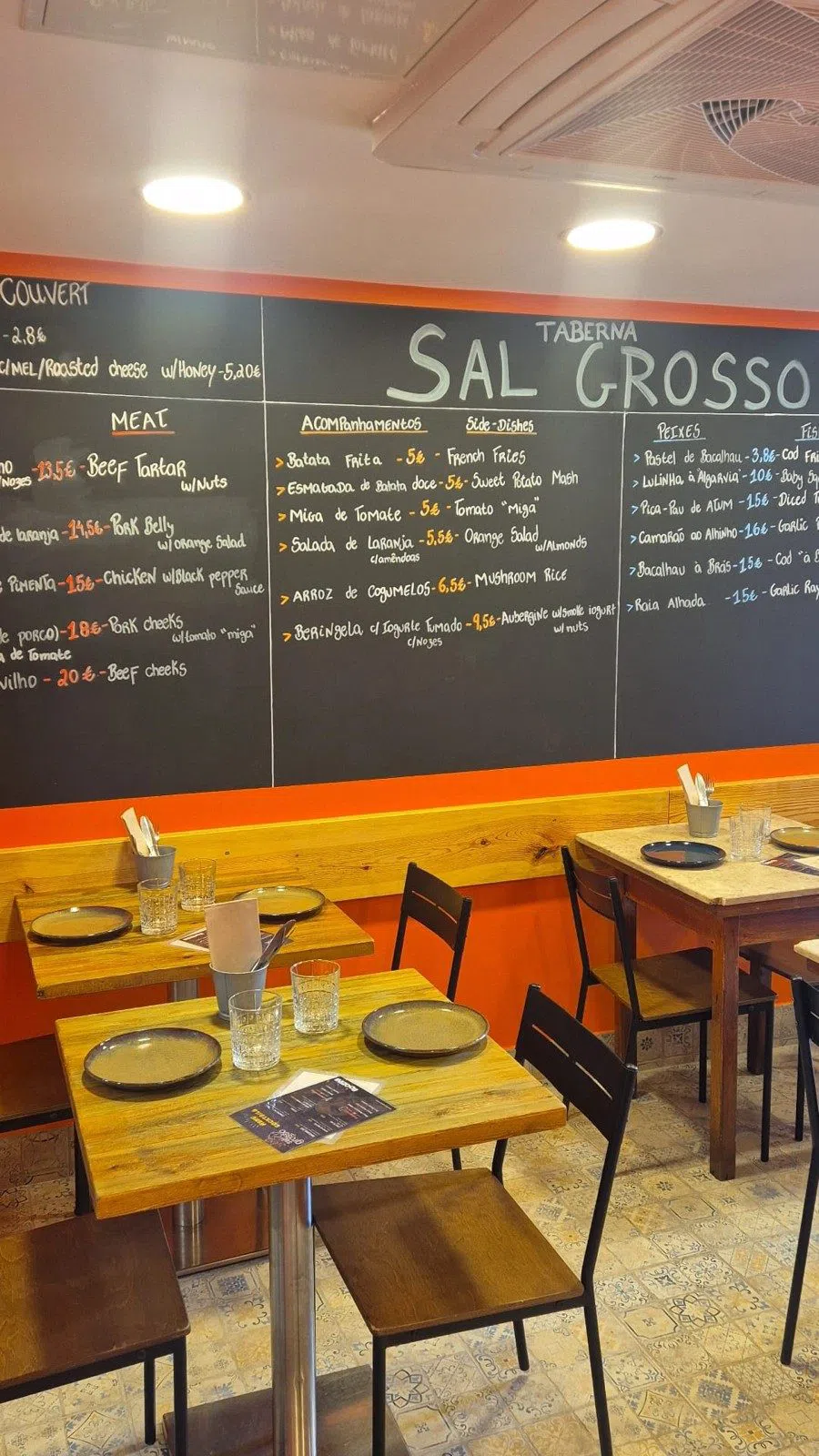
Ten minutes further into Alfama, Taberna Sal Grosso (Alfama) is the one of this group that bends to a slightly larger table. It takes reservations, the room is a touch bigger, and a booked group of four to six is workable here — the seasonal, creative petiscos are made for sharing. One caution: Sal Grosso is now a small group with sister rooms elsewhere, but the Alfama original is the one to book. Use that location only. Plates are €5–14, about €25–30 a head.
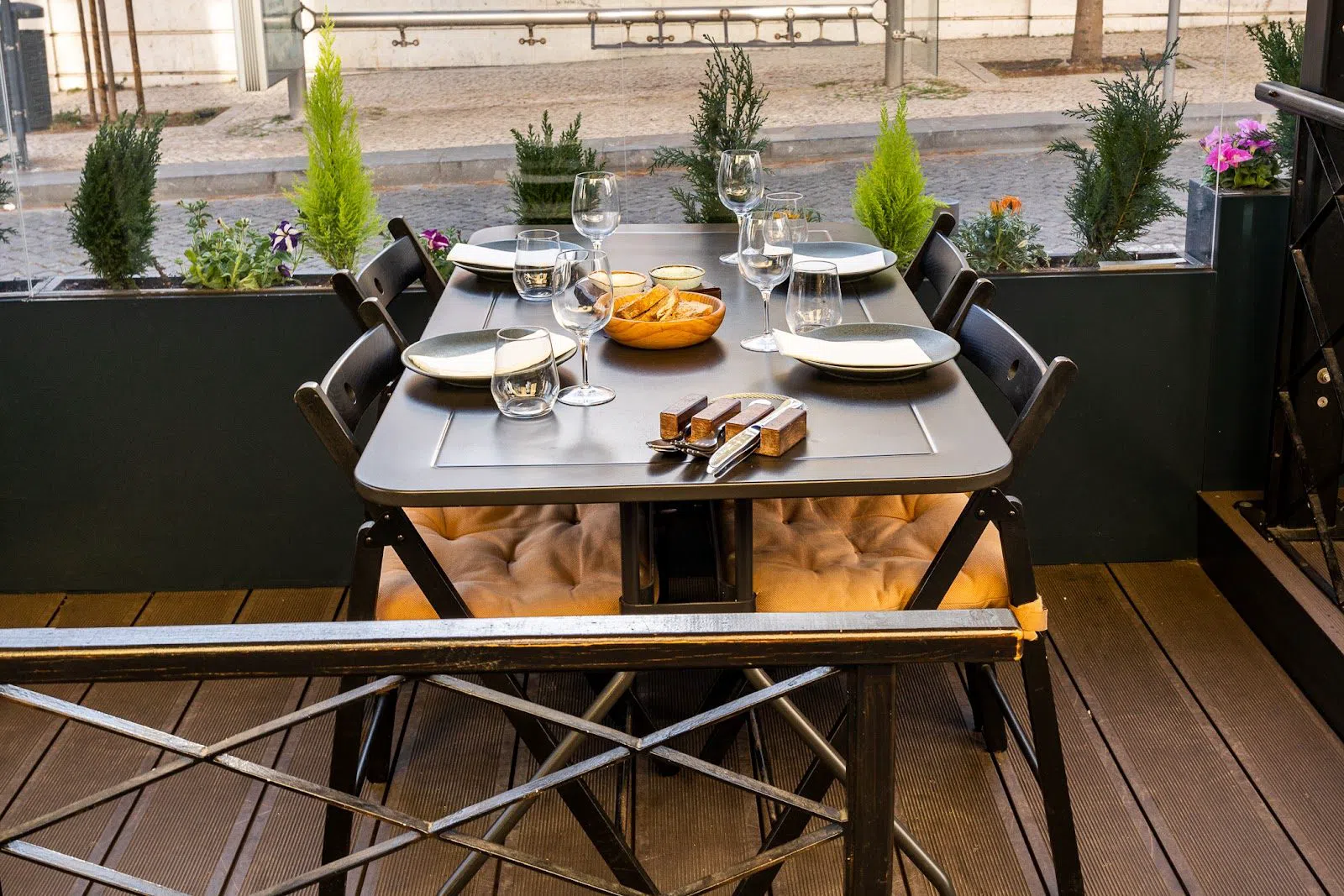
If you have a morning in Belém, six kilometres west along the river (tram 15 or the riverside train from Cais do Sodré), O Frade (Belém) is worth building a day around. It's a Michelin Bib Gourmand Alentejo tasca — some guides still list it as 'Taberna do Frade', but the current name is O Frade — and the açorda, the bacalhau and the Alentejo wines are the reasons to go. The room is very small; reservations are recommended and it suits two to four rather than a crowd. Budget around €30 a head.
Mouraria and Graça: charcoal, ribs and fado
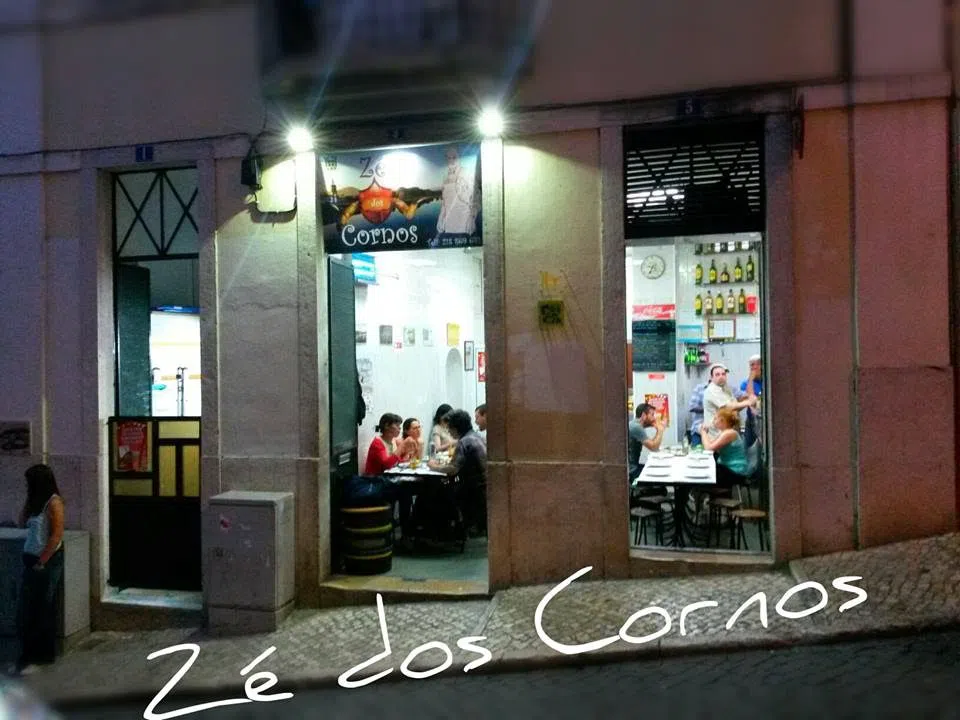
Now the climb. From Rossio, it's a steady 600-metre pull uphill into Mouraria, and the reward is some of the least polished, most rewarding cooking in Lisbon. Zé dos Cornos (Mouraria) is the anchor: a no-frills institution known for charcoal-grilled ribs and a rotating list of daily specials. It takes reservations, seats big tables, and is genuinely used to feeding crowds family-style — which makes it one of the few tascas here you can bring a real group to. It's cash or debit only, no credit cards. A full meal with wine lands around €12–15 a head.
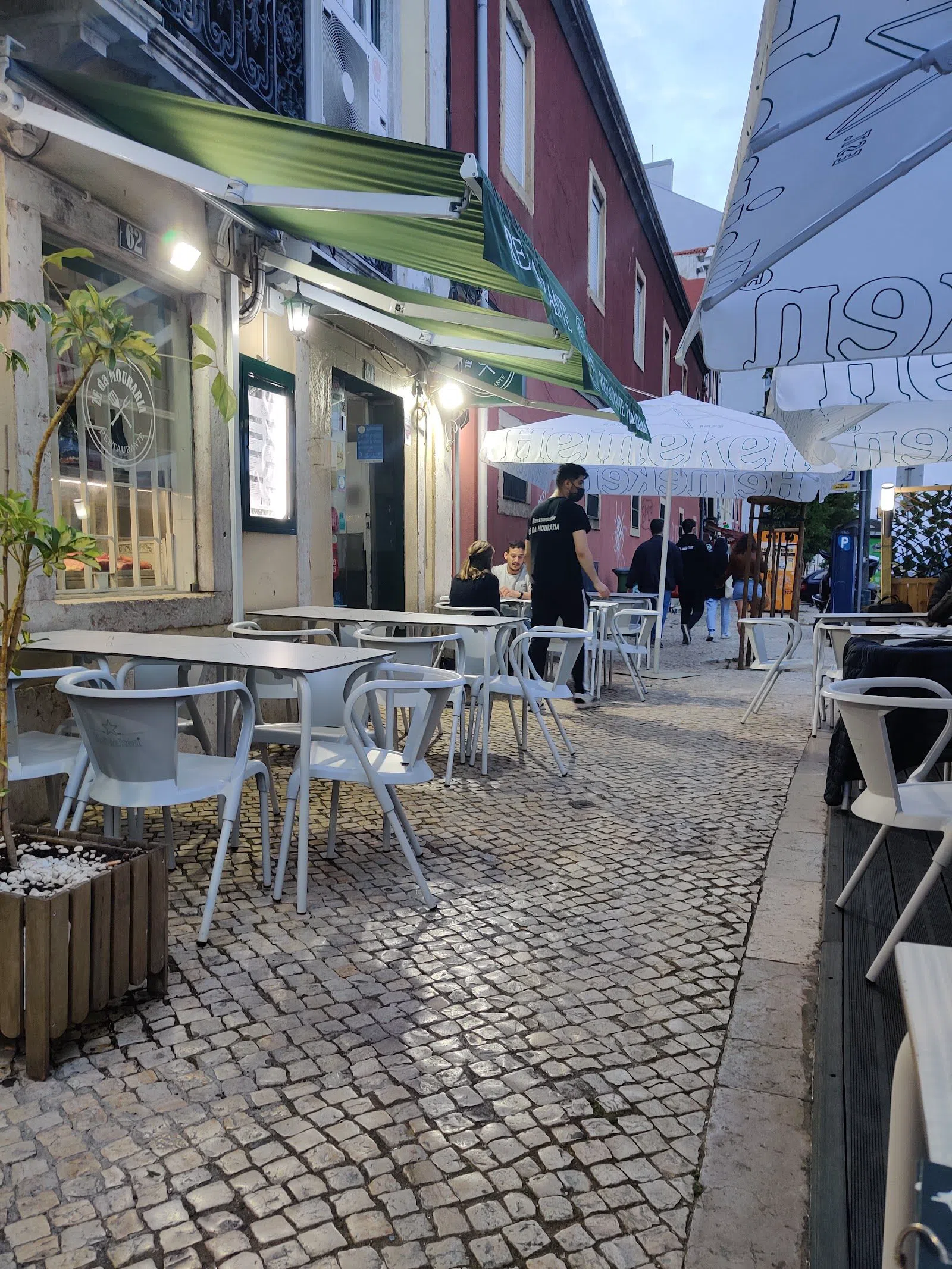
A couple of streets over, Zé da Mouraria (Mouraria) is a lunch-only room — Monday to Saturday — and it draws long queues for a reason: the bacalhau à minhota arrives in portions that feed two, and the kitchen goes through more than 200 kilos of salt cod a week. Book if you can, but it's poor for larger tables; come as two to four and arrive before 12:30 to beat the worst of the line. Mains are €8–12, cash only. If you only have room for one lunch on the hill, make it this one.
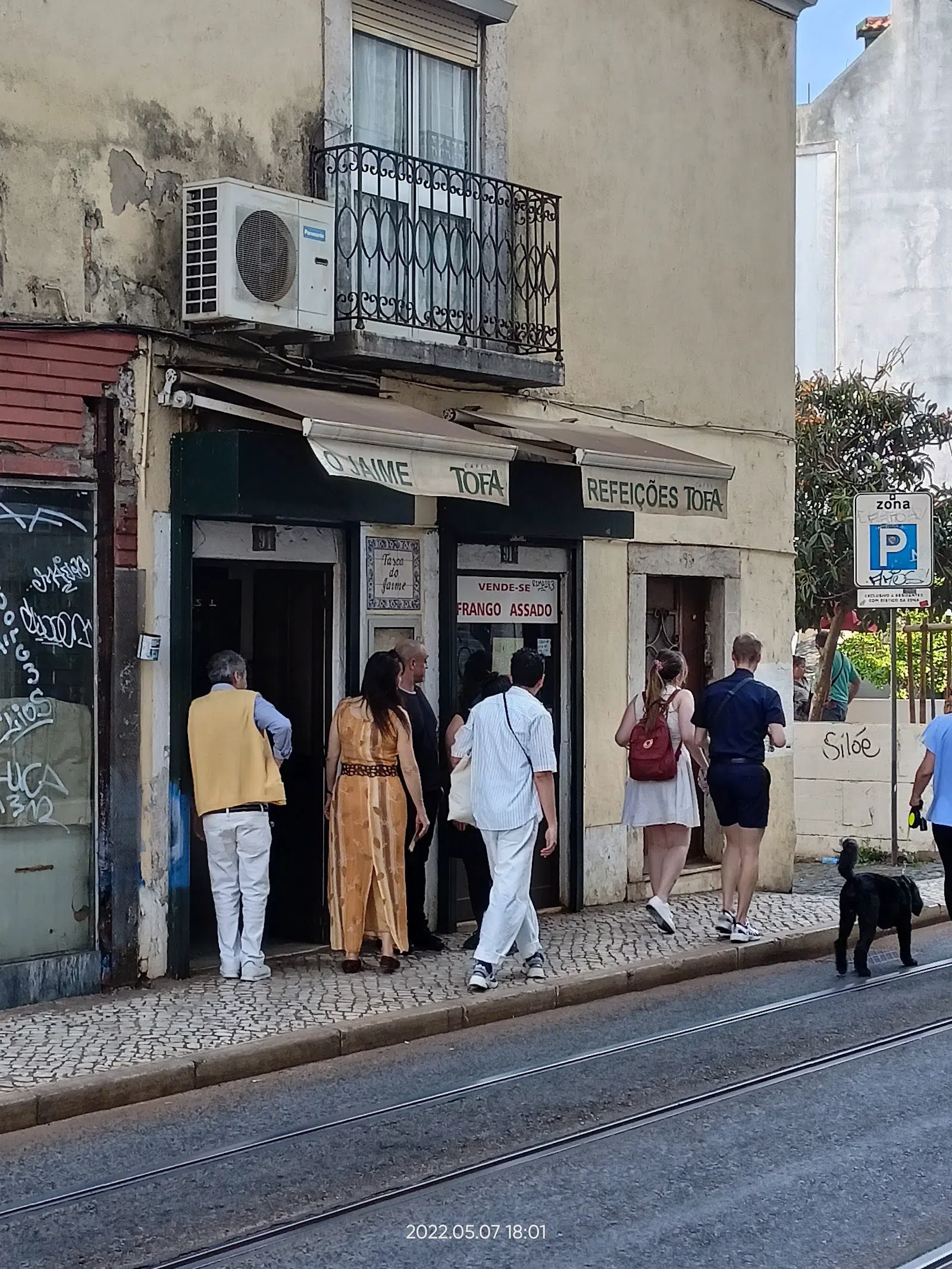
Keep climbing — or take tram 28 — up to Graça and Tasca do Jaime (Graça), an easygoing spot for spontaneous 'fado vadio', the amateur, anyone-can-sing kind. The bench seating and the lively crowd make it comfortable for a small group. Weekend fado runs Saturdays, Sundays and holidays from 4 to 8pm; go early, because it fills. Order petiscos and draught beer and expect €10–15 a head — but come for the singing more than for a full dinner.
Baixa and Chiado: counters, pregos and a quick bifana
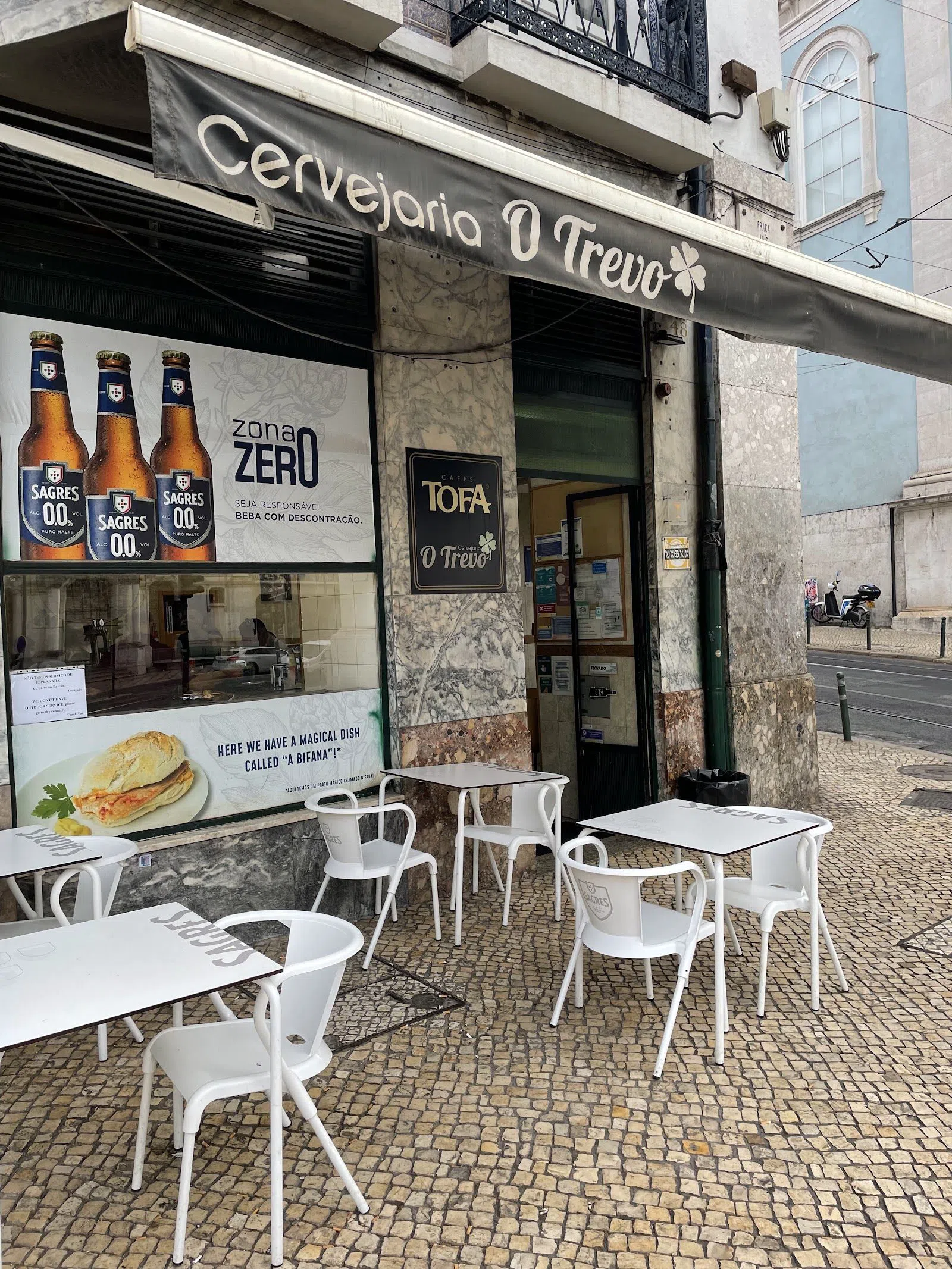
Back down on the flat, the old lower town hides a few working counters among the tourist terraces. On Praça Luís de Camões, O Trevo (Chiado) is the stand-up bifana counter that Anthony Bourdain put on the map — a quick, iconic pork-sandwich stop rather than a sit-down meal. It's first-come, first-served and jammed at lunch; a bifana and a beer is €5–8. Treat it as a pit stop, not a plan for a group.
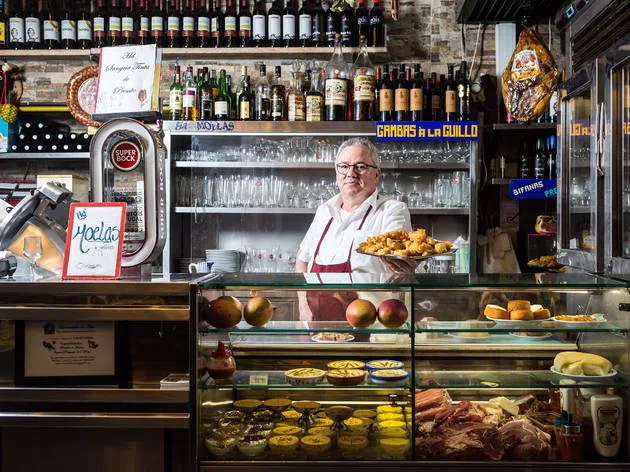
Two minutes off Rossio, down the narrow Arco Bandeira, A Merendinha do Arco Bandeira (Baixa) is a 1940s snack tavern run by David and Fátima, easy to walk straight past. It's a small counter-and-tables room, fine for a pair or a handful of people but not built for groups — go for the prego and the bifana, roughly €5–12 a plate.
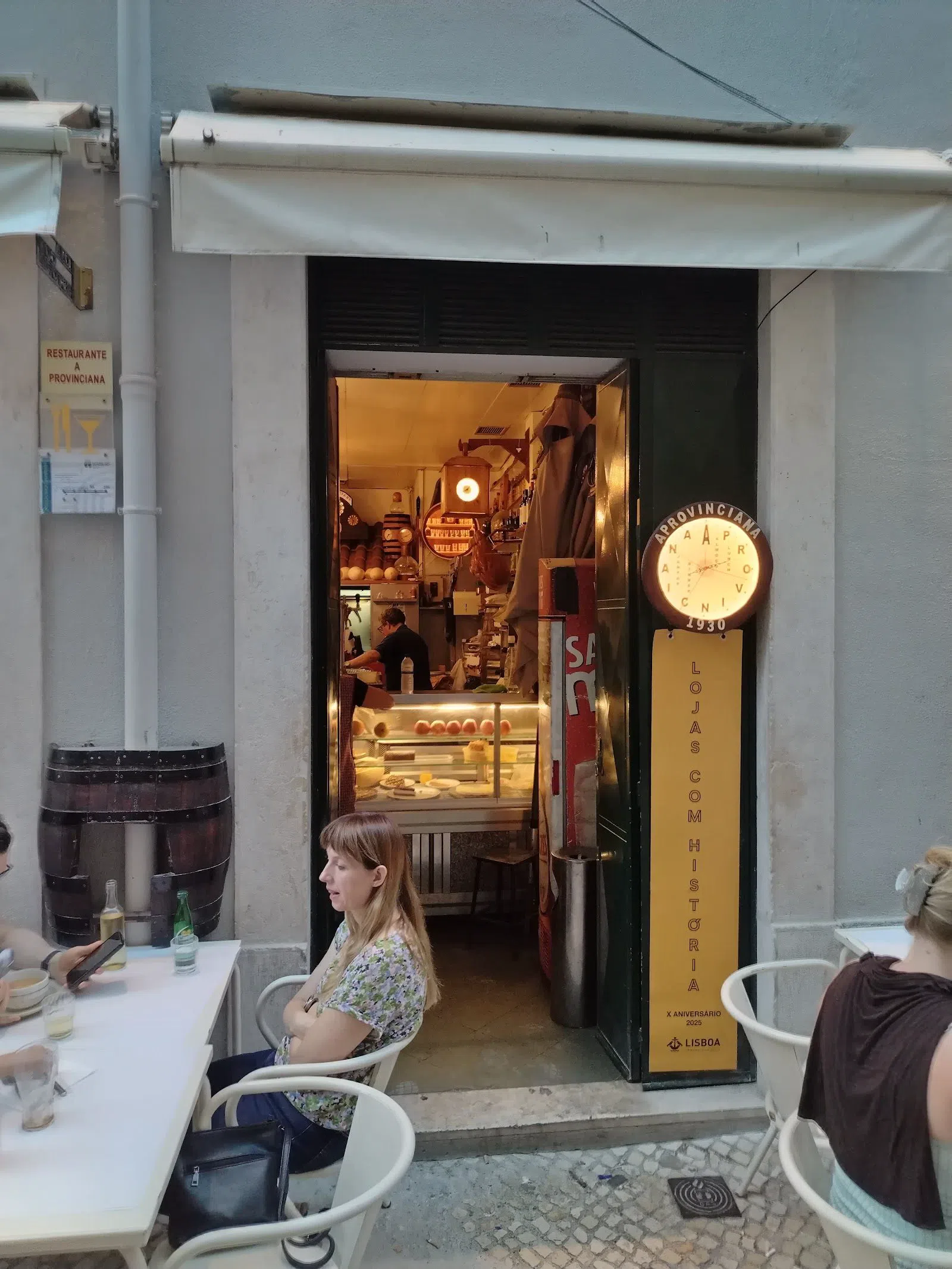
A little deeper into Baixa, A Provinciana (Baixa) has been a family tasca since 1930, turning out grilled fish and Portuguese classics amid the tourist restaurants around it. There are no reservations and about fifty covers with fast turnover, so it's fine for a few but tricky for a larger table at peak lunch. Mains are €8–13, cash only.
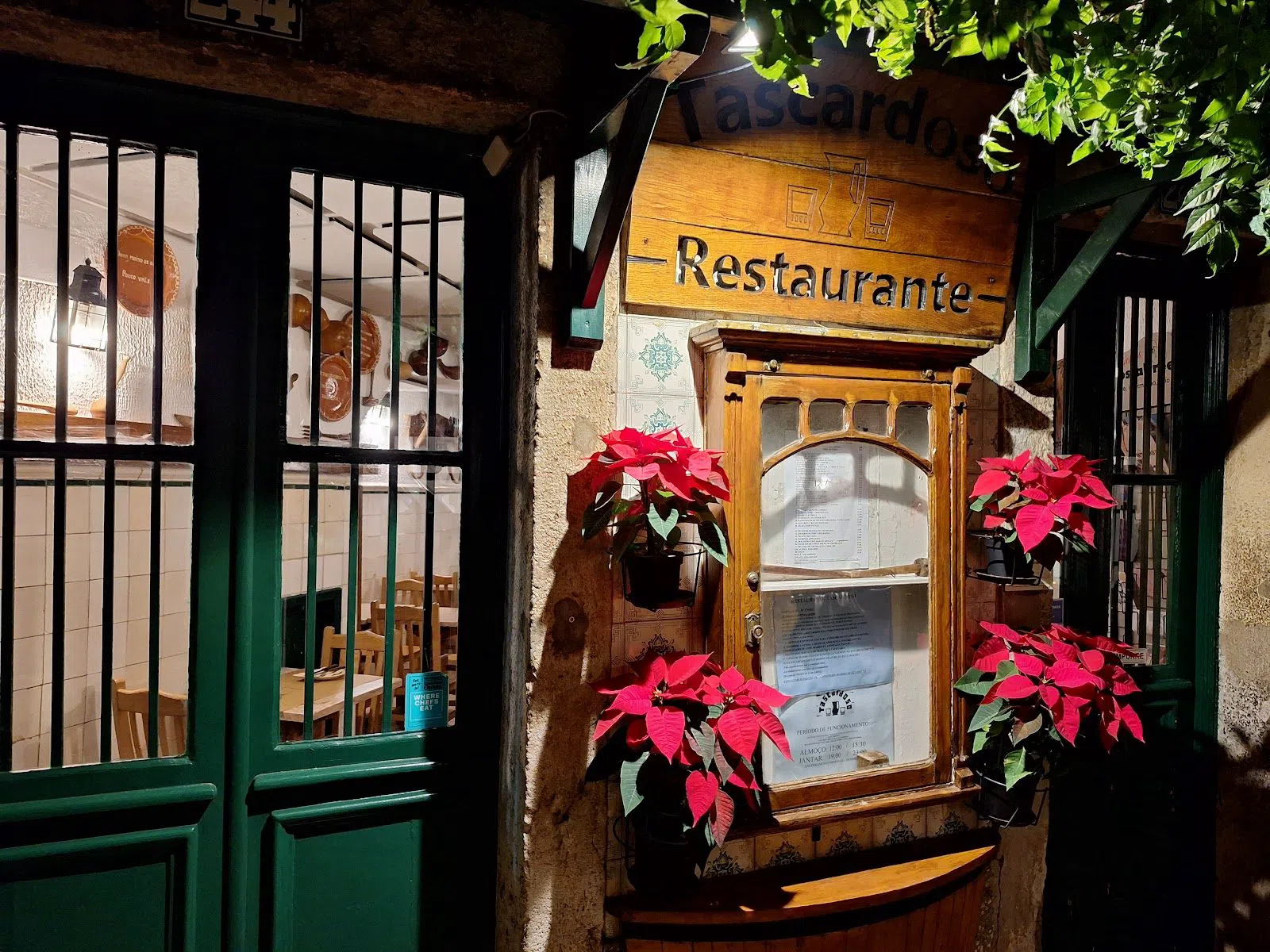
For something even more local, walk up into Príncipe Real to Tascardoso (Príncipe Real) — very small, fiercely neighbourhood, a place to stand at the counter or take a little table rather than sit a group down. The moelas (gizzards) and pork cheeks have a devoted following and the prices are almost implausibly low: a full meal with wine can come in under €10. It's an unpolished local classic, and the room is the point.
Eating as a group
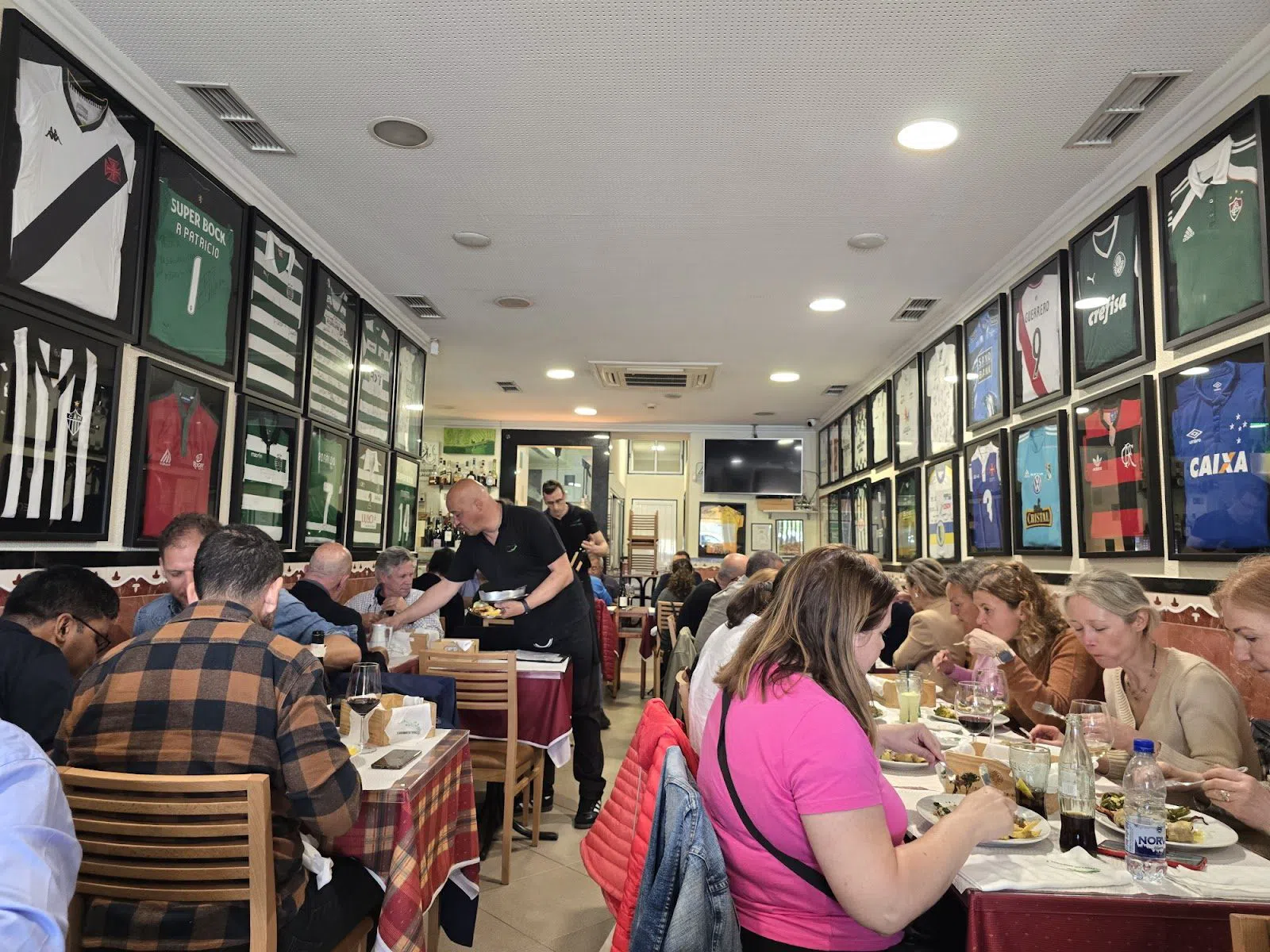
Be honest with yourself before you book: most Lisbon tascas are couple-sized rooms, and a party of six will simply not fit into Taberna da Rua das Flores, O Velho Eurico, Tascardoso or O Frade — arriving mob-handed and hoping is how you end up split across the pavement. Three places actually welcome a crowd. Zé dos Cornos in Mouraria is the top pick — big tables, family-style plates, reservations taken. Taberna Sal Grosso in Alfama will seat four to six if you book the Alfama room ahead. And A Tasquinha do Lagarto (a Sporting shrine open since 1973, out beyond the tourist core) is one of the more group-workable options going: larger, happy to take bookings, and generous with shareable Minho cooking — cod fritters, Portuguese stew, big portions. It's a genuine football room, so expect it loud on match days; that's part of the deal. Mains are €10–16.
Practical notes
Getting around. The tascas here fall into three walkable clusters — Chiado and Baixa on the flat, Mouraria and Graça on the hill above them, and Alfama to the east — with Belém the one outlier to the west. Trams 28 and 12 loop the Mouraria–Graça–Alfama hills; tram 15 and the riverside train run west to Belém from Cais do Sodré; the Glória and Bica funiculars save your legs on the steepest streets up to Bairro Alto and Príncipe Real. Nothing central is more than a 20- to 25-minute walk from anything else, but read every one of those walks as uphill unless you know otherwise.
Cash. Bring euros. Taberna da Rua das Flores, Zé da Mouraria and A Provinciana are cash only; Zé dos Cornos takes cash or debit but no credit cards; Tascardoso and the counters work most smoothly with coins and notes. Not every street has an ATM once you're up the hill.
Timing. Dinner rooms open around 7 to 7:30pm and the small ones fill within the half-hour — arriving at opening is the single most useful thing you can do. Zé da Mouraria is lunch only, Monday to Saturday, so slot it into a midday plan and be there before 12:30. For fado at Tasca do Jaime, aim for the start of the 4–8pm weekend window.
Budget. The € rooms — Zé dos Cornos, Zé da Mouraria, Tascardoso, A Provinciana and the counters — will feed you well for under €15 a head. The €€ neo-tascas run roughly €25–35 with a glass or two of wine. Either way, this is genuinely good value eating for the quality on the plate.
Where to stay. Base yourself in Baixa, Chiado or the Alfama–Graça hills and most of this route is on foot. For rooms within walking distance of the tables above, start with a Lisbon hotel search.
Before you go
Do Lisbon tascas take reservations?
Some do: O Velho Eurico, Taberna Sal Grosso, Zé dos Cornos, O Frade and A Tasquinha do Lagarto all take bookings, though O Velho Eurico sells out weeks ahead. Others don't — Taberna da Rua das Flores, A Provinciana, Tascardoso and the counters are walk-in only, so arrive at opening.
Which Lisbon tascas work for a group of six?
Zé dos Cornos in Mouraria is the most group-friendly — big tables, family-style plates. A Tasquinha do Lagarto also seats crowds, and Taberna Sal Grosso's Alfama room takes four to six if booked ahead. Most other tascas are couple-sized and won't fit a large party.
Do Lisbon tascas take cards?
Many are cash only, including Taberna da Rua das Flores, Zé da Mouraria and A Provinciana. Zé dos Cornos takes cash or debit but no credit cards. Bring euros, especially before heading up the hills where ATMs are scarcer.
How much does dinner at a Lisbon tasca cost in 2026?
The budget (€) rooms feed you for under €15 a head with wine. The neo-tascas (€€) such as Taberna Sal Grosso, O Velho Eurico and O Frade run roughly €25–35 a head, and a quick bifana at a counter like O Trevo is €5–8.
When should I arrive to avoid the queue?
For dinner, be at the door for the 7 to 7:30pm opening — the small rooms fill within half an hour. For Zé da Mouraria, which is lunch only Monday to Saturday, arrive before 12:30. For fado at Tasca do Jaime, come at the start of the 4–8pm weekend window.